SARS-CoV-2 RT-qPCR Detection Kits for Research Labs
SARS-CoV-2 products include RT-PCR detection kits, multiplex assay kits, and reverse transcription reagents used for the detection and analysis of SARS-CoV-2 RNA in respiratory specimens. These solutions support viral detection workflows, assay development, and molecular biology research applications.
Researchers conducting pathogen surveillance, assay validation, or SARS-CoV-2 molecular studies benefit from MBP's selection of detection kits and supporting RT-PCR reagents, including options for both standard and multiplex workflows. Request a quote today by contacting customerservice@mbpinc.net
SARS-CoV-2 Kits
Showing 1 to 3 of 3 results
What Are SARS-CoV-2 RT-qPCR Detection Kits?
SARS-CoV-2 RT-qPCR detection kits provide the reverse transcriptase, hot-start Taq polymerase, buffer, and primer/probe sets needed to detect SARS-CoV-2 viral RNA from respiratory specimens by one-step RT-qPCR. Most kits target conserved regions of the viral genome, such as the N (nucleocapsid) gene, alongside a human RNase P (RP) control to confirm sample adequacy. Choose an extraction-based RT-qPCR kit for maximum sensitivity in clinical-style research workflows; choose a kit validated for direct (extraction-free) use when RNA extraction reagent availability or turnaround time is the limiting factor.
What you will find:
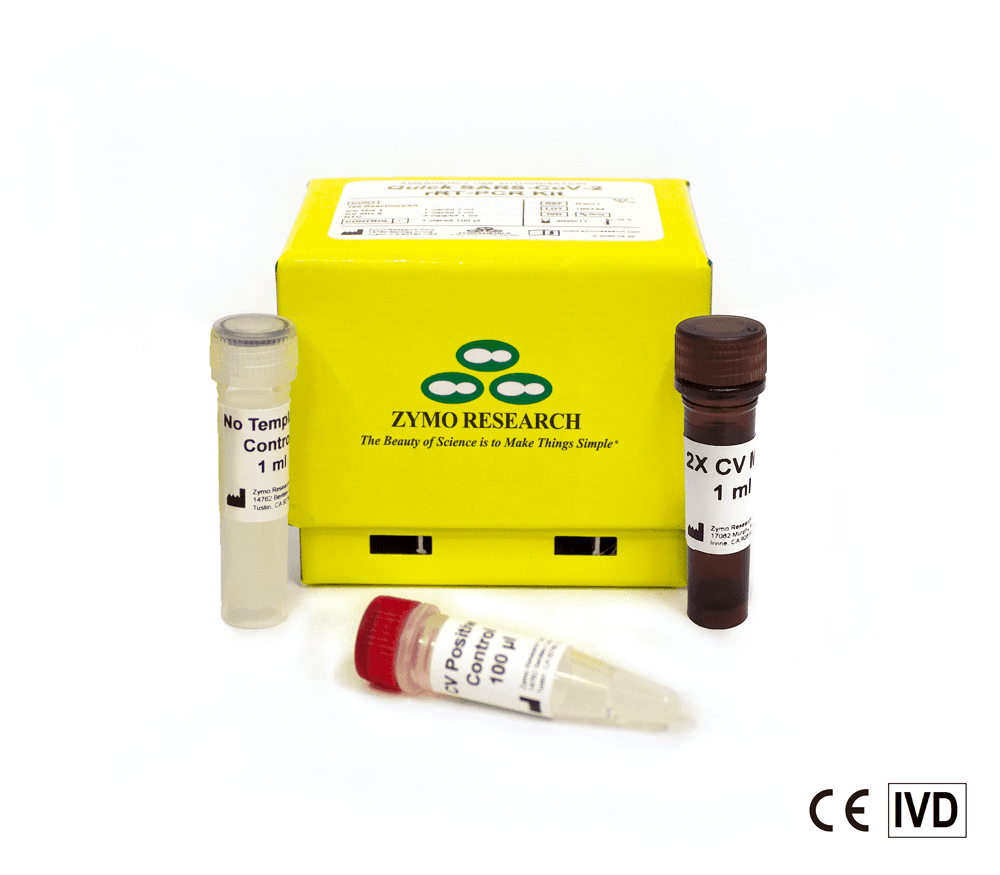
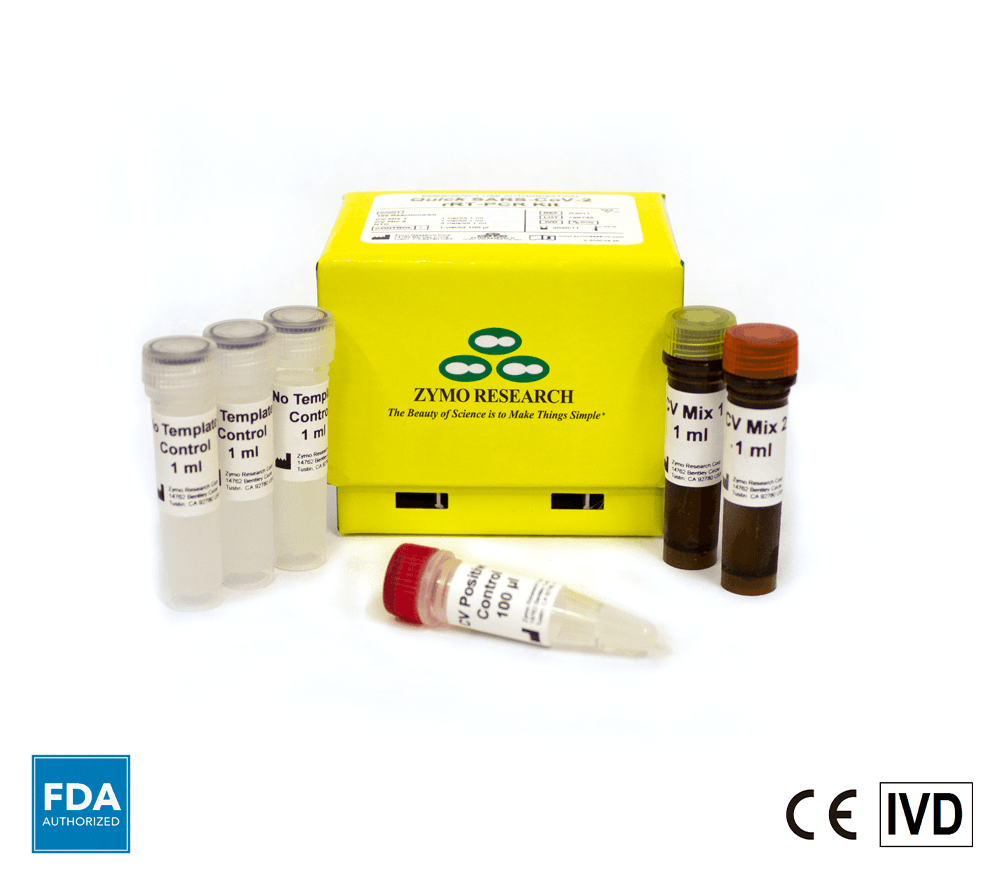
- rRT-PCR Detection Kits: Established tools such as the Quick SARS-CoV-2 rRT-PCR Kit, made for specific amplification and dependable detection of viral sequences in both clinical and research specimens.
- Multiplex Kits: Efficient multiplexing options that enable the concurrent identification of several viral targets within one reaction to enhance laboratory productivity.
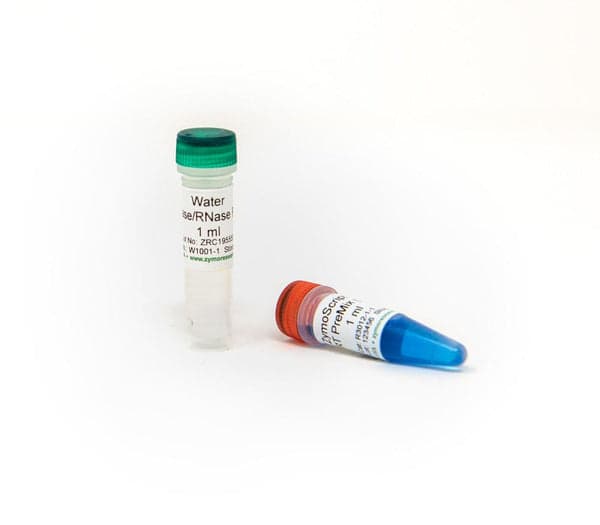
- Reverse Transcription Pre-Mixes: Enhanced blends such as ZymoScript RT Pre-Mix, uniquely designed to facilitate the transformation of viral RNA into stable cDNA for further examination.
How to Choose a SARS-CoV-2 Detection Kit
Extraction-Based vs. Extraction-Free Workflows
Standard RT-qPCR workflows use purified viral RNA from an extraction kit as input. Extraction-free (direct) RT-qPCR workflows instead use heat-treated specimen diluent directly as input, avoiding the extraction step entirely. A heat treatment step (commonly 65°C for approximately 10 minutes) lyses virions and inactivates RNases sufficiently for many one-step RT-qPCR master mixes to detect the released RNA.
Master Mix Performance on Direct Samples
Not all one-step RT-qPCR master mixes perform equally on unextracted, heat-treated specimens. Comparative studies have found that some master mix formulations provide substantially higher analytical sensitivity than others when used directly on heat-treated nasopharyngeal swab diluent. Confirm that the specific master mix has been validated for direct-sample use if extraction-free testing is the goal.
Target Gene and Control Design
Kits commonly target a conserved viral gene, such as N1/N2 regions of the nucleocapsid gene used in CDC-style primer/probe sets, alongside a human RNase P control to confirm adequate sample collection and absence of PCR inhibition. Multiplexed detection of both targets in one reaction is standard.
Sample Type Compatibility
Some kits are specifically formulated for unpurified saliva samples, enabling a streamlined extraction-free protocol completed in under an hour. Others are validated primarily for nasopharyngeal swab specimens in viral transport medium. Confirm that sample type compatibility matches your intended specimen source.
Analytical Sensitivity and Validation Data
Published validation studies report limits of detection in the range of approximately 103-104 copies/mL for optimized direct RT-qPCR protocols, with sensitivity, specificity, and accuracy figures commonly reported at 95%+ sensitivity and 98%+ accuracy relative to standard extraction-based methods. Review available validation data when selecting a kit for a specific application.
Specifications Context
In one published evaluation, incubating nasopharyngeal specimens at 65°C for 10 minutes and testing the resulting supernatant directly with a one-step RT-qPCR master mix achieved a limit of detection of approximately 6.6 × 10³ copies/mL with high reproducibility, and sensitivity, specificity, and accuracy of approximately 95%, 99%, and 98.5%, respectively, relative to a standard RNA extraction-based approach across a panel of clinical specimens. Not all master mix formulations performed equivalently in this direct format. Formulation choice was the dominant variable affecting sensitivity when extraction was omitted. Multiplexed N gene plus human RNase P primer/probe sets, consistent with CDC-style assay design, allow simultaneous target detection and sample adequacy control in one reaction. SARS-CoV-2 RT-qPCR kits are typically stored at -20°C to -30°C and protected from light. Lot-specific Certificates of Analysis (CoAs) are available on request. These products are intended for research use.
Ensure your diagnostic precision—reach out to the MBP team now for a quote on our expert SARS-CoV-2 PCR services.
FAQ