DNA/RNA Methylation Reagents for Epigenetic Mapping and Quantification
DNA/RNA Methylation covers the reagents used to detect, map, and quantify methylation marks in genomic DNA and RNA, including bisulfite conversion reagents for single-base-resolution cytosine methylation analysis, enzymatic conversion tools as a less damaging alternative, antibody-based MeDIP and 5-hmC detection kits, and RNA methylation assays targeting marks such as m6A. These tools complement the synthetic methylated controls available through modified dNTPs in the sibling subcategory. Academic and core laboratories mapping methylation patterns across the genome or at specific loci can benefit from guidance when selecting the most appropriate detection and analysis method for their experimental goals.
Explore available DNA and RNA methylation reagents or request a quotation by contacting customerservice@mbpinc.net. Our team can help identify the appropriate conversion, enrichment, detection, and analysis tools for your epigenetics research workflow.
DNA/RNA Methylation
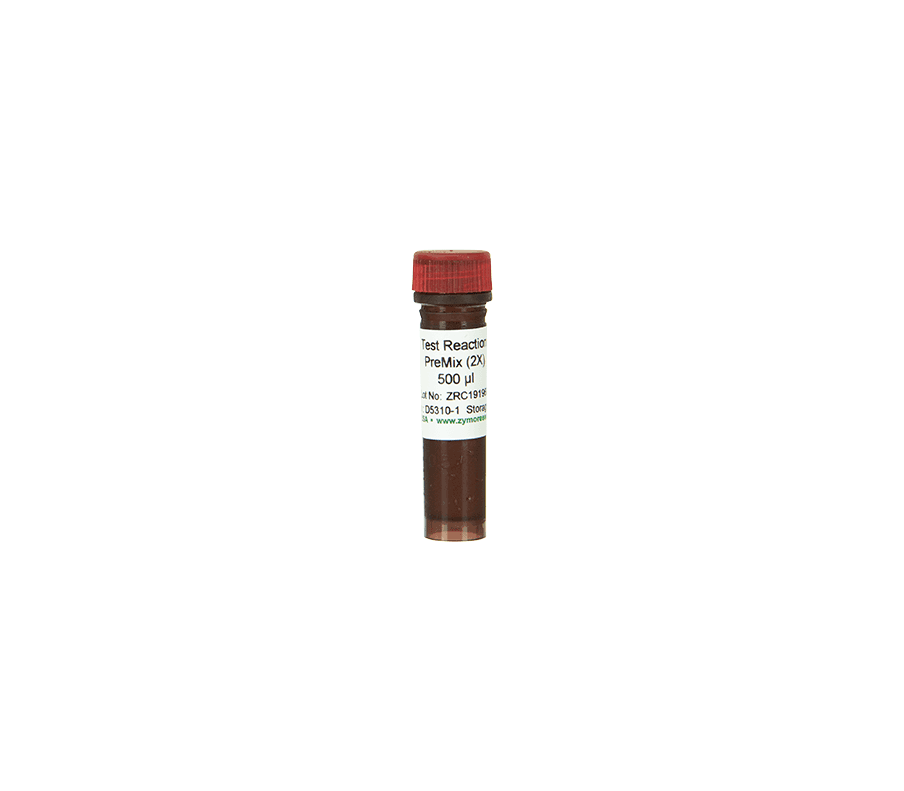
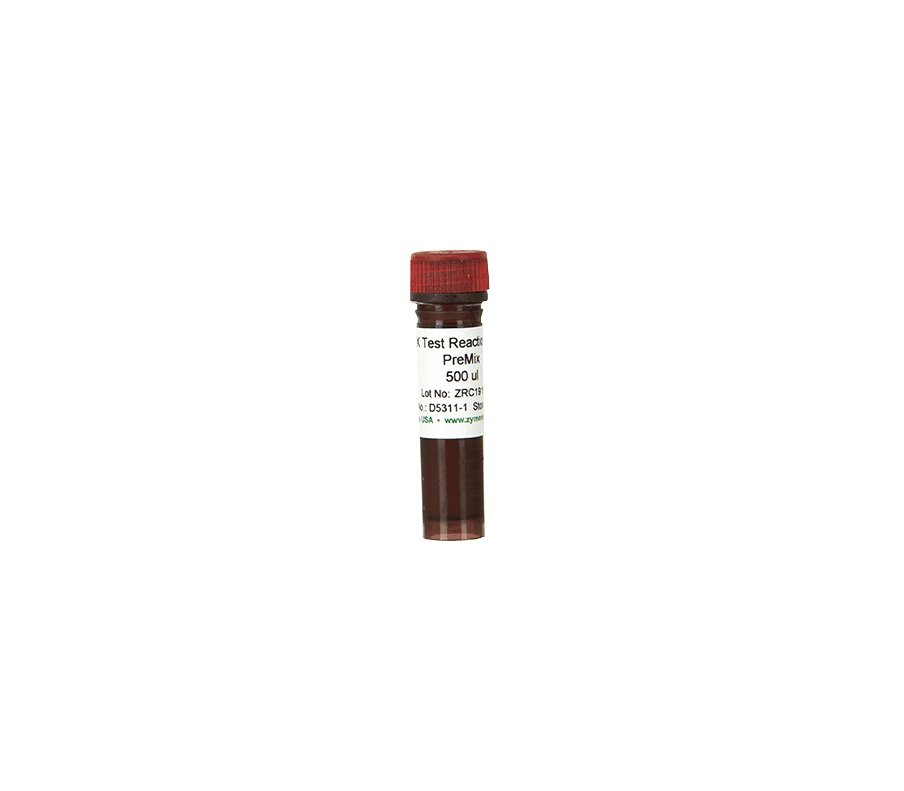

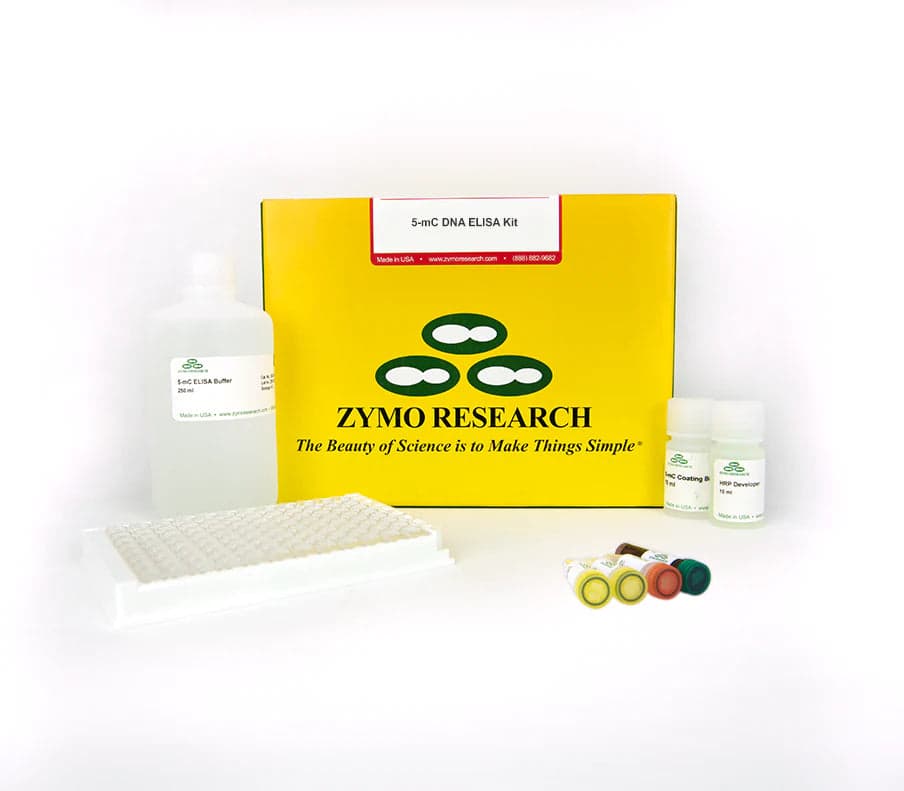


Showing 1 to 12 of 55 results
What is DNA/RNA Methylation as a reagent category?
DNA/RNA Methylation covers the detection and quantification side of epigenetics: the reagents used to identify which cytosines in a DNA sample are methylated, distinguish 5-methylcytosine from 5-hydroxymethylcytosine, and detect RNA methylation marks like N6-methyladenosine (m6A). Methods range from bisulfite conversion, the historically standard approach for single-base-resolution cytosine methylation mapping, to enzymatic conversion as a less damaging alternative, to antibody-based immunoprecipitation for broad-scale enrichment of methylated DNA regions, to direct ELISA-based quantification of global methylation levels.
What you will find:
-
DNA methylation standards: for accurate quantitative analysis and calibration of methylation levels
-
Bisulfite conversion kits: for efficient conversion of unmethylated cytosines in DNA methylation studies
-
Bisulfite Conversion Reagents and Buffers: for enhanced processing of DNA and flexible workflows
-
Non-Bisulfite Kits and Reagents: for alternative epigenetic profiling and methylation analysis methods
-
ELISA Kits and Reagents: for quantifying sensitive DNA/RNA methylation levels
How to choose DNA/RNA methylation analysis reagents
Choose bisulfite conversion for single-base-resolution cytosine methylation mapping
Bisulfite conversion converts unmethylated cytosines to uracil while leaving 5-methylcytosine largely unchanged under standard conditions, and after amplification and sequencing, the resulting base-pair difference reveals exactly which cytosines were methylated, making it the approach for single-base-resolution mapping but one that introduces significant DNA damage and degradation.
Consider enzymatic conversion as a less damaging alternative to bisulfite treatment
Enzymatic conversion methods achieve the same cytosine-to-uracil discrimination as bisulfite but through enzymatic rather than harsh chemical reactions, minimizing DNA damage and producing higher-quality libraries from fewer sequencing reads, at potentially higher reagent cost.
Use antibody-based MeDIP for broad methylation enrichment without locus-by-locus resolution
Methylated DNA immunoprecipitation uses an antibody against 5-methylcytosine or 5-hydroxymethylcytosine to enrich methylated DNA regions from a fragmented sample, providing genome-wide enrichment data without the single-base resolution of bisulfite sequencing.
Confirm your method can distinguish 5-mC from 5-hmC if that difference matters for your study
Standard bisulfite conversion cannot reliably distinguish 5-methylcytosine from 5-hydroxymethylcytosine, since both resist bisulfite-mediated deamination under standard conditions, so confirming whether your study requires that distinction helps determine whether a specialized additional step is needed.
Choose ELISA-based kits for rapid, global methylation quantification without sequencing
A 5-methylcytosine ELISA kit provides a rapid, quantitative readout of the global level of DNA methylation in a sample without requiring bisulfite conversion or sequencing, useful for broad-level comparisons across multiple conditions or samples when single-base resolution isn't needed.
Specifications context
Bisulfite sequencing is widely regarded as the gold standard for DNA methylation analysis due to its single-base resolution, but it introduces significant technical challenges for amplification and next-generation sequencing library preparation due to DNA degradation, reduced genome complexity, and alignment complexity from the cytosine-to-uracil base conversion. As of 2026, enzymatic conversion is increasingly recommended over bisulfite conversion for methylation analysis specifically because it minimizes these DNA damage and quality issues, enabling improved preservation and detection of cytosine methylation marks from fewer sequencing reads with no change to downstream analysis pipelines.
Contact the expert team at Molecular Biology Products Inc. (MBP) today and get reliable DNA/RNA methylation kits for your lab.
FAQ