Methylation Standards for Epigenetics Workflow Validation and Calibration
Methylation Standards covers defined reference DNA materials, including fully methylated, fully unmethylated, and mixed or intermediate methylation controls, used to validate bisulfite and enzymatic conversion workflows, calibrate methylation detection assays, and confirm that analysis pipelines correctly distinguish methylated from unmethylated cytosines. Unlike microbiome community standards, which validate taxonomic profiling workflows, these standards specifically address cytosine modification status in epigenetics assays. Academic and core laboratories validating methylation workflows or monitoring conversion efficiency across runs can benefit from guidance when selecting appropriate reference standards for assay calibration and quality control.
Explore available methylation standards or request a quotation by contacting customerservice@mbpinc.net. Our team can help identify the appropriate fully methylated, unmethylated, or mixed controls for your epigenetics workflow validation needs.
Methylation Standards

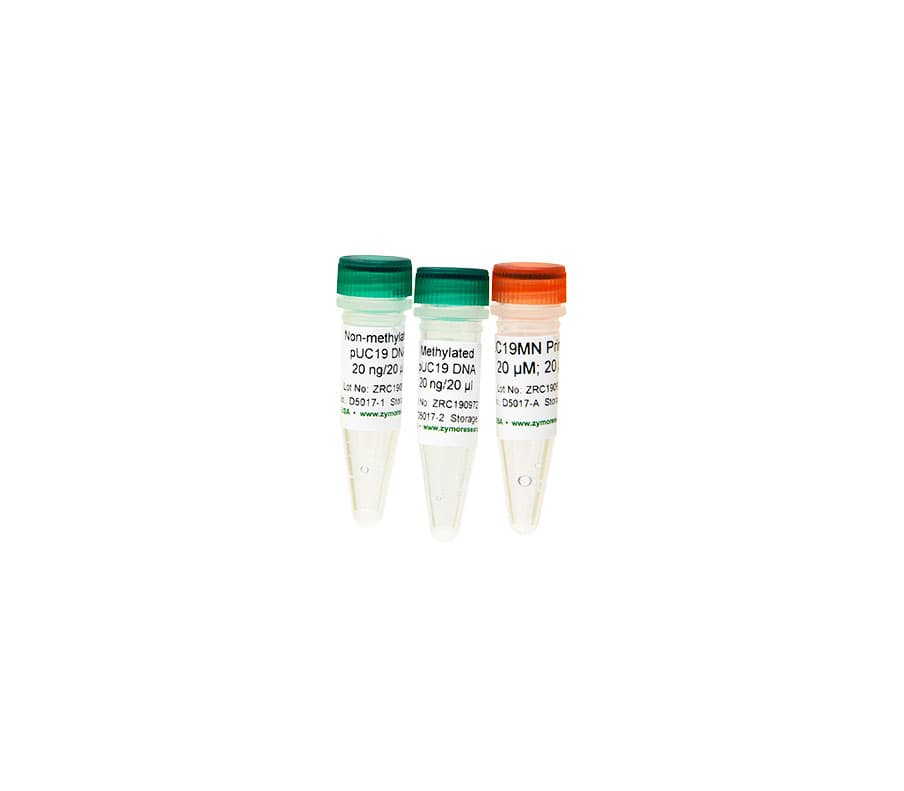
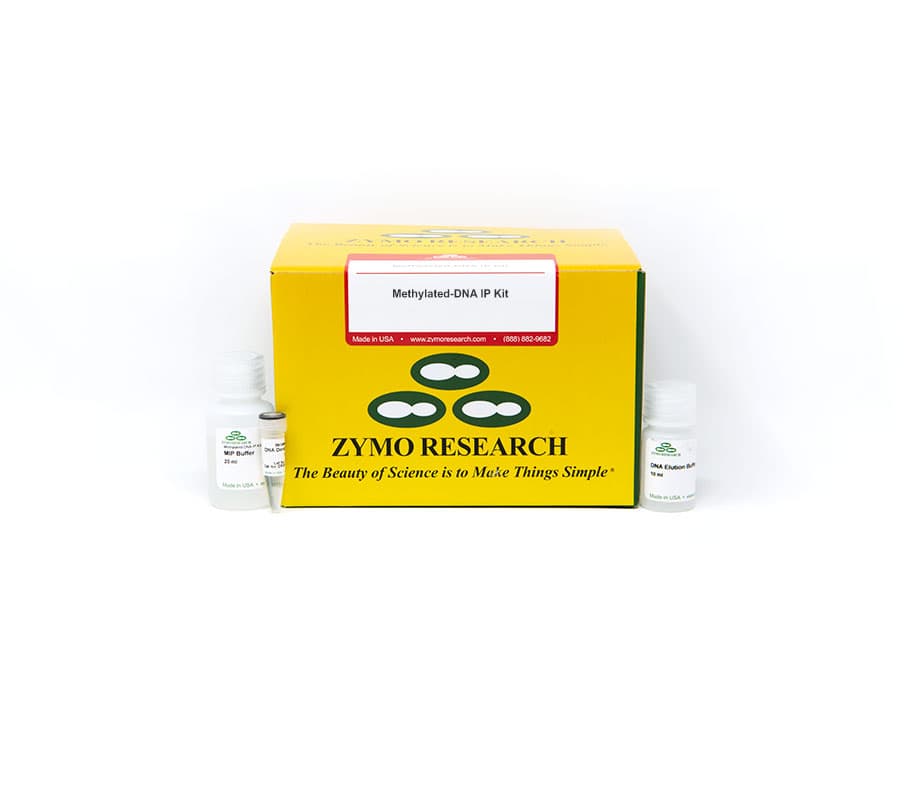
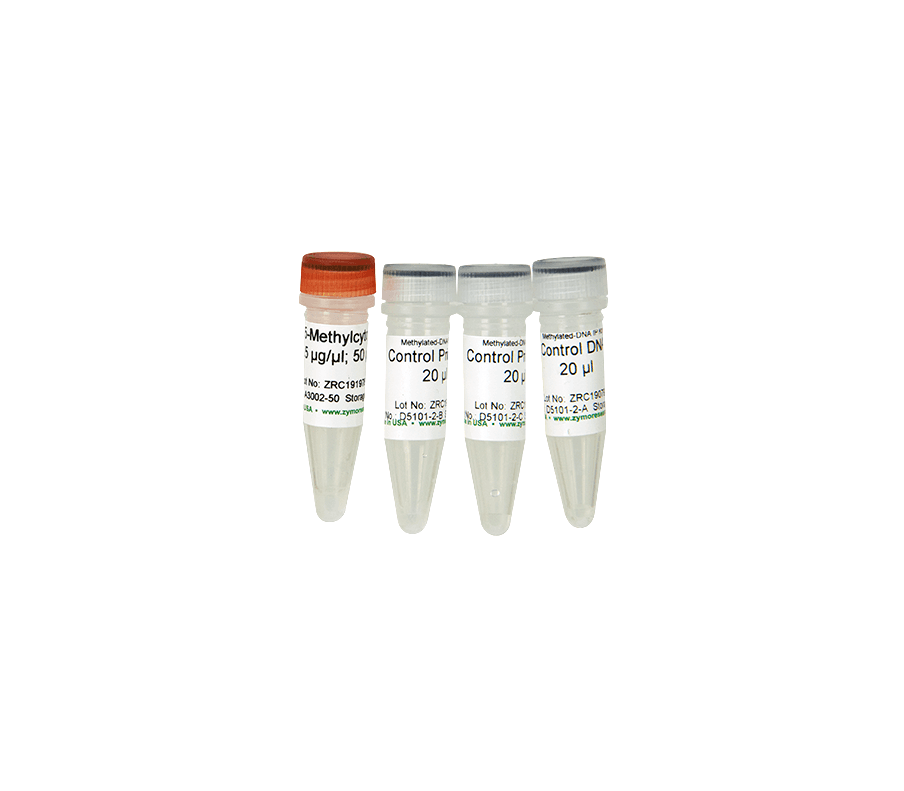
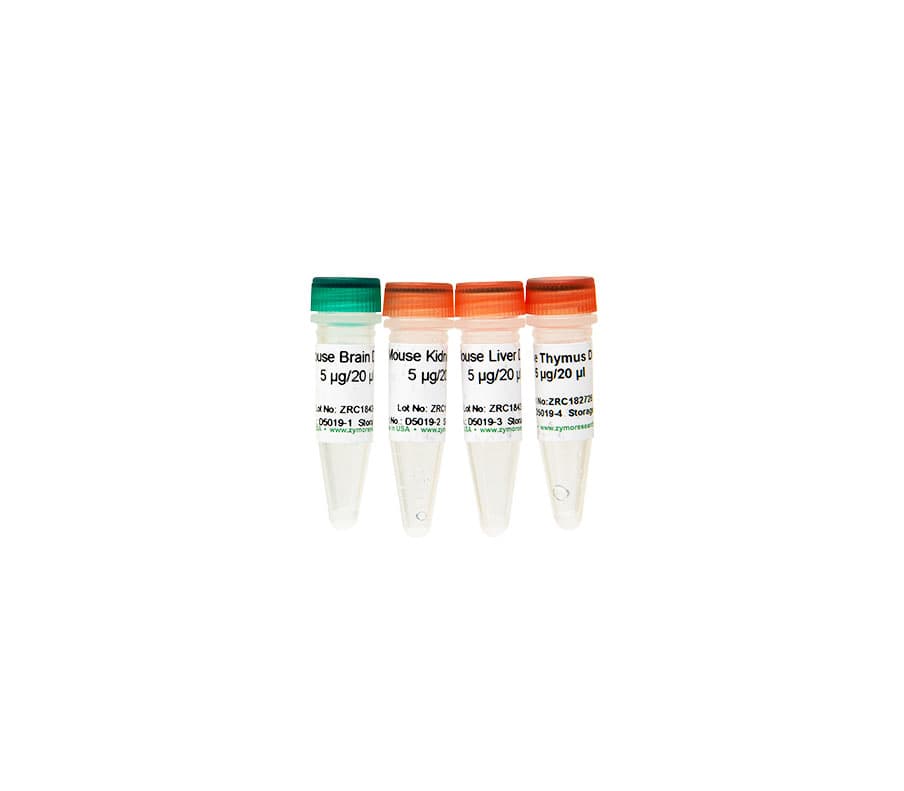
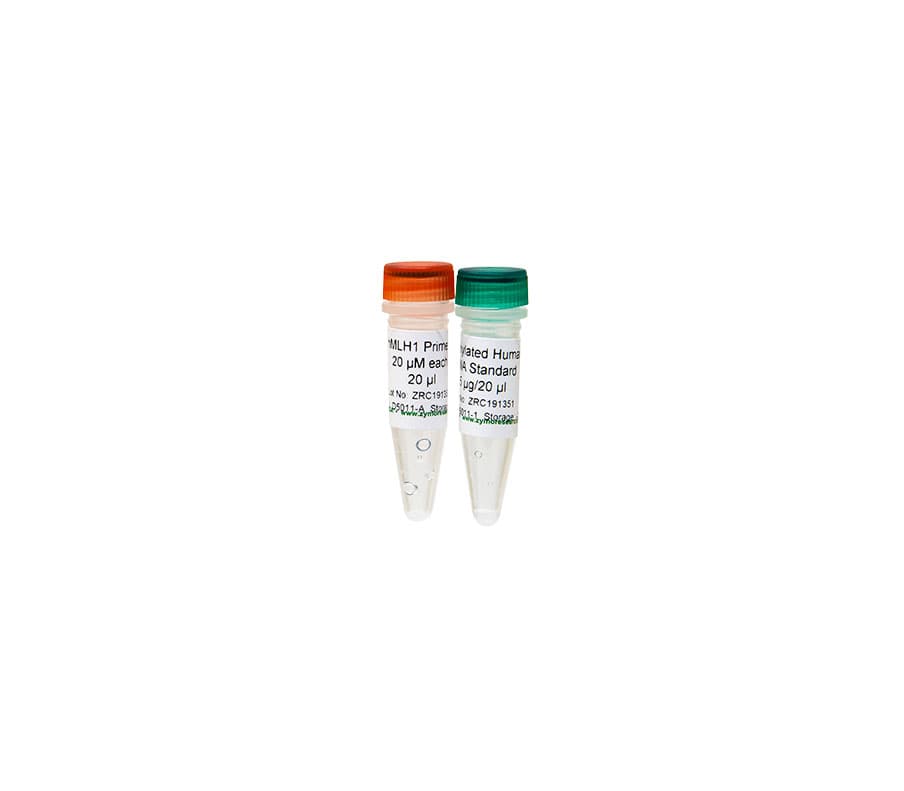
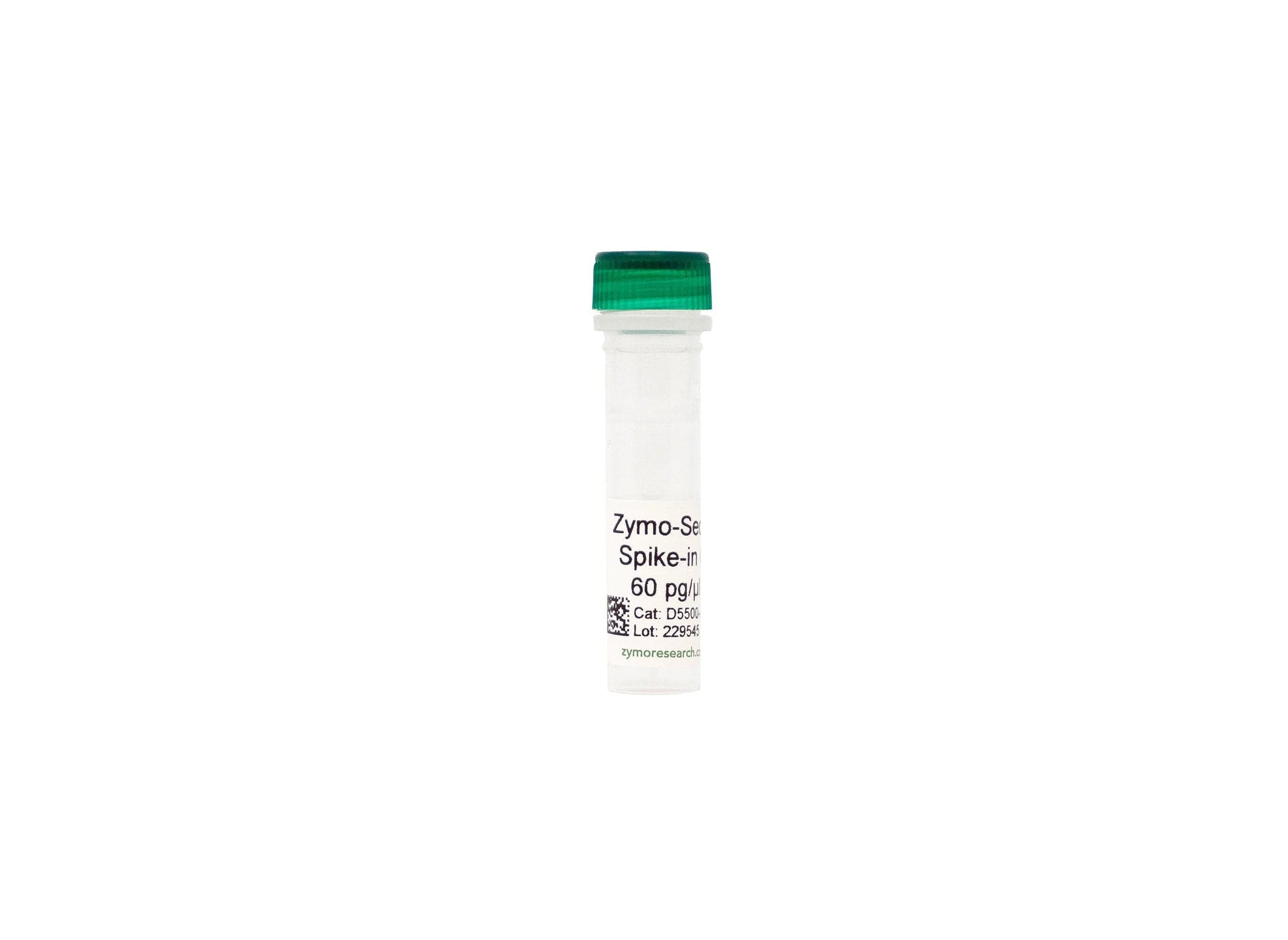
Showing 1 to 11 of 11 results
What are methylation standards?
Methylation standards are defined reference DNA materials with a known and confirmed methylation status, ranging from a fully methylated DNA (where every cytosine at CpG or other sites carries a methyl group) to a fully unmethylated DNA (where no cytosines are methylated) and intermediate or mixed standards containing a defined ratio of the two. The most widely used unmethylated control in bisulfite sequencing is lambda phage DNA, which is naturally unmethylated and can be spiked into a conversion reaction to estimate conversion efficiency.
What you will find:
- Methylated and non-methylated DNA control sets for comparative epigenetic analysis and assay validation
- Universal methylated DNA standards for methylation assessment workflows
- Genomic DNA reference materials: for microbial and human methylation studies
- Matched DNA sets: used in experimental models for controlled comparison of methylation status
- Bisulfite-converted DNA standards: for downstream sequencing-based methylation and PCR analysis
- Methylation spike-in controls: for sequencing normalization and high-throughput workflows
- Mouse and human DNA methylation reference sets: for specific species epigenetic studies
- Methylated DNA IP control kits for methylation assays involving immunoprecipitation
How to use methylation standards
Spike an unmethylated control into every bisulfite or enzymatic conversion reaction
Running an unmethylated DNA like lambda phage DNA alongside your samples in the same conversion reaction estimates the conversion efficiency of that specific run, since every remaining cytosine signal after conversion should be treated as a false positive, and this rate can be quantified and accounted for in downstream analysis.
Run a fully methylated positive control to confirm methylated cytosines are preserved
A fully methylated standard, such as DNA synthesized with 5-methyl-dCTP or commercially prepared methylated genomic DNA, confirms your conversion workflow correctly preserves methylated cytosines intact rather than inadvertently converting them, which would produce false-negative methylation calls.
Use a mixed or intermediate standard to calibrate quantitative methylation assays
A standard containing a defined ratio of methylated to unmethylated DNA, or a set of standards spanning a range of methylation percentages, provides a calibration curve for quantitative methylation assays like 5-methylcytosine ELISA, validating that the assay reports the expected methylation level across its full dynamic range.
Confirm standard stability before long-term storage or lot-to-lot use
Methylation control DNA has documented stability windows, and confirming that your standard's methylation status is stable under storage conditions, and consistent across lots, is necessary for reliable longitudinal monitoring of conversion efficiency.
Use standards to monitor workflow consistency over time
Running a conversion control in every batch allows longitudinal tracking of conversion efficiency across instrument runs, reagent lots, and protocol variations, helping catch workflow drift before it affects real sample results.
Specifications context
Lambda phage DNA is the most commonly used unmethylated bisulfite conversion control because it is naturally unmethylated, commercially available, and well characterized, and it can be aligned to the known lambda phage reference genome after sequencing to calculate residual unconverted cytosine rates, providing a direct, interpretable measure of conversion efficiency. As of 2026, fully methylated and fully unmethylated standard sets are also used alongside enzymatic methyl-seq conversions to confirm that EM-seq's enzymatic mechanism correctly protects methylated cytosines and converts unmethylated ones, independent of the conversion chemistry used.
This category sits within DNA/RNA Methylation, alongside Bisulfite Conversion Kits, Non-Bisulfite Kits & Reagents, and ELISA Kits & Reagents. See the full reagents catalog and use Quick Order for recurring orders.
Contact the expert team of Molecular Biology Products Inc. (MBP) to get high-quality methylation standards for your lab today.
FAQ