ELISA Kits & Reagents for Epigenetic Methylation Quantification
ELISA Kits & Reagents here covers antibody-based enzyme-linked immunosorbent assay kits specifically formulated for quantifying epigenetic marks, including global 5-methylcytosine and 5-hydroxymethylcytosine levels in genomic DNA samples and N6-methyladenosine in RNA, providing a rapid, plate-based readout without requiring bisulfite conversion or sequencing. This is distinct from the general immunoassay ELISA Kits under Cell Biology, which cover protein target detection; these kits specifically target nucleic acid modifications. Academic and core laboratories screening global methylation levels across large sample sets can benefit from guidance when selecting assay formats and detection strategies for epigenetic quantification.
Explore available epigenetic ELISA kits and reagents or request a quotation by contacting customerservice@mbpinc.net. Our team can help identify the appropriate assay format for global DNA and RNA methylation screening workflows.
ELISA Kits & Reagents

Showing 1 to 5 of 5 results
What are ELISA kits for methylation in this category?
ELISA kits for DNA and RNA methylation in this category are antibody-based assays that quantify the global level of a specific epigenetic mark, most commonly 5-methylcytosine in genomic DNA, 5-hydroxymethylcytosine in genomic DNA, or N6-methyladenosine in RNA, using a plate-based immunoassay format without requiring bisulfite conversion or sequencing. Denatured, single-stranded DNA or RNA from a sample is coated on a plate well, and a mark-specific primary antibody followed by an HRP-conjugated secondary antibody generates a colorimetric signal proportional to the level of the target modification.
What you will find:
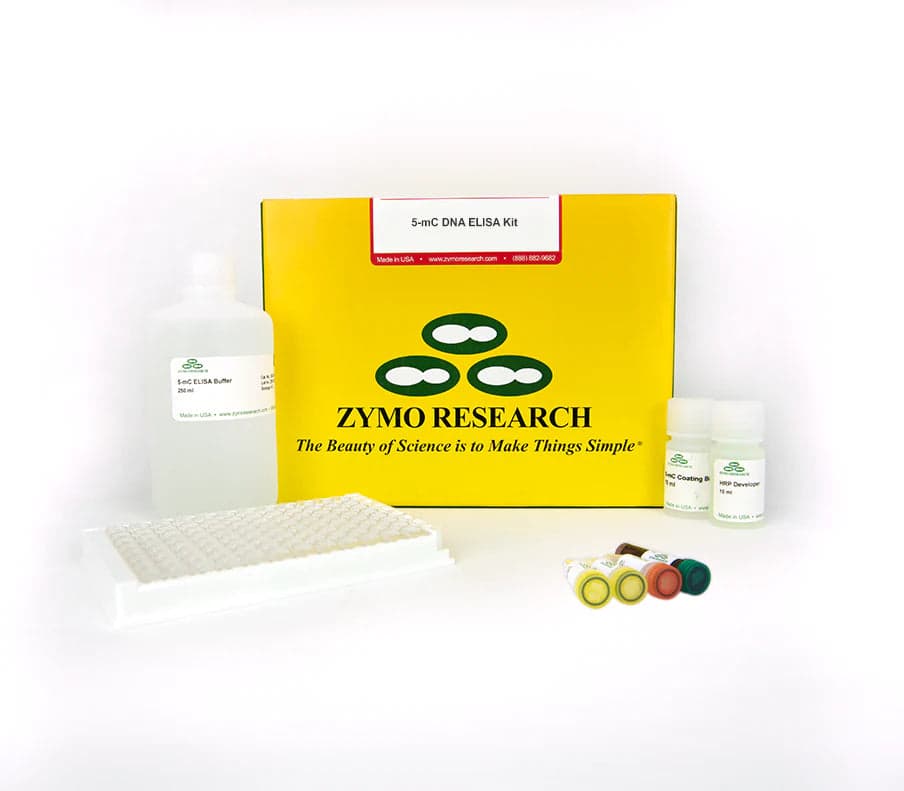
- 5-mC DNA ELISA kits for quantitative analysis of DNA methylation
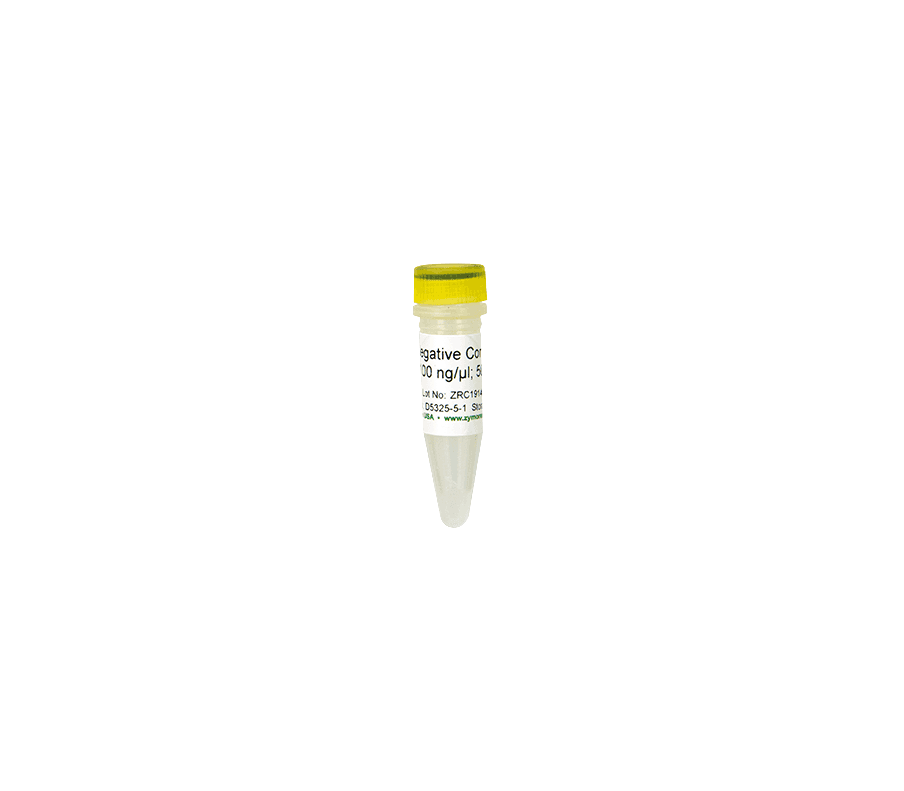
- DNA controls for validation and calibration of the assay to ensure experimental reproducibility and accuracy
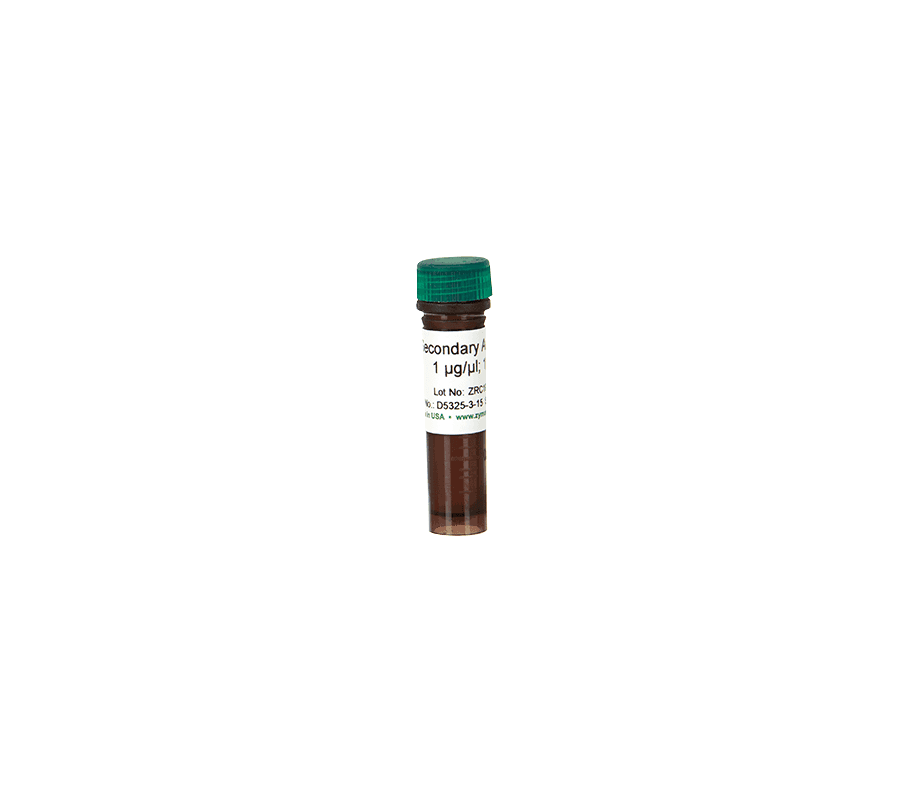
- Secondary antibody reagents for specific signal generation and detection in ELISA assays
- Coating buffers for consistent assay performance and optimized plate preparation
How to choose methylation ELISA kits and reagents
Match your kit to the specific epigenetic mark you're quantifying
Different kits use antibodies against specific modifications: 5-methylcytosine ELISA kits quantify global DNA methylation, 5-hmC ELISA kits quantify global hydroxymethylation, and m6A ELISA kits quantify RNA N6-methyladenosine. Using a kit with the wrong antibody specificity will not report the mark you intend to measure.
Use methylation standards to build a calibration curve for quantitative results
Running a series of methylation standards with defined percentages alongside your samples allows the absorbance readout to be converted to a specific, meaningful methylation percentage, since the raw ELISA signal alone cannot be interpreted as absolute methylation level without a calibration.
Understand that ELISA measures global levels, not locus-specific methylation
A methylation ELISA gives the overall average percentage of methylation across the genome in a sample, which is useful for comparing broad methylation changes between conditions but cannot identify which specific genes or regions are differentially methylated the way bisulfite sequencing can.
Confirm the required DNA denaturation step is appropriate for your sample type
ELISA kits for DNA methylation typically require single-stranded, denatured DNA coated directly on the plate, and confirming this denaturation step is properly performed is necessary for consistent antibody binding and reproducible signal across wells.
Be aware of cross-reactivity with similar modifications when interpreting results
An antibody against 5-methylcytosine may have some cross-reactivity with 5-hydroxymethylcytosine, and confirming the antibody's published cross-reactivity data helps interpret whether your signal specifically reflects 5-mC, 5-hmC, or both, which matters for studies in cell types where 5-hmC is abundant.
Specifications context
The 5-methylcytosine ELISA workflow uses an indirect ELISA methodology where denatured, single-stranded DNA samples are coated directly on the plate well surfaces and a 5-mC monoclonal antibody and an HRP-conjugated secondary antibody are added sequentially, generating a colorimetric signal proportional to the total level of methylated cytosine in the sample. As of 2026, methylation ELISA kits are particularly valued for high-throughput screening studies comparing global methylation levels across many treatment conditions or patient groups where single-base-resolution data is not the primary goal.
This category sits within DNA/RNA Methylation, alongside Methylation Standards for calibration, and is related to DNA Hydroxymethylation and Non-Bisulfite Kits & Reagents for higher-resolution methylation analysis. See the full reagents catalog and use Quick Order for recurring orders.
Contact the expert team of Molecular Biology Products Inc. (MBP) to get high-quality ELISA Kits and Reagents for your lab.
FAQ