Non-Bisulfite Kits & Reagents for DNA Methylation Mapping
Non-Bisulfite Kits & Reagents covers enzymatic and other chemical alternatives to sodium bisulfite conversion for detecting and mapping DNA methylation, including enzymatic methyl-seq (EM-seq) kits using TET2 and APOBEC3A, TET-assisted pyridine borane sequencing (TAPS) reagents, and methylated DNA immunoprecipitation (MeDIP) kits for antibody-based enrichment. These approaches avoid the DNA damage and degradation that harsh bisulfite chemistry introduces. Academic and core laboratories seeking improved library quality or damage-free methylation mapping can benefit from guidance when selecting alternative methylation detection methods and workflow strategies.
Explore available non-bisulfite methylation kits and reagents or request a quotation by contacting customerservice@mbpinc.net. Our team can help identify the appropriate enzymatic or enrichment-based method for high-quality DNA methylation analysis workflows.
Non-Bisulfite Kits & Reagents
Showing 1 to 3 of 3 results
What are non-bisulfite methylation kits and reagents?
Non-bisulfite methylation kits and reagents are alternatives to sodium bisulfite conversion that achieve the same goal — distinguishing methylated from unmethylated cytosines at single-base or regional resolution — without the harsh chemical treatment that bisulfite introduces. The most widely adopted approach is enzymatic methyl-seq (EM-seq), which uses TET2 to oxidize 5-methylcytosine and 5-hydroxymethylcytosine and T4-BGT to protect them from subsequent APOBEC3A-mediated deamination, so that only unmodified cytosines are converted to uracil.
What you will find:
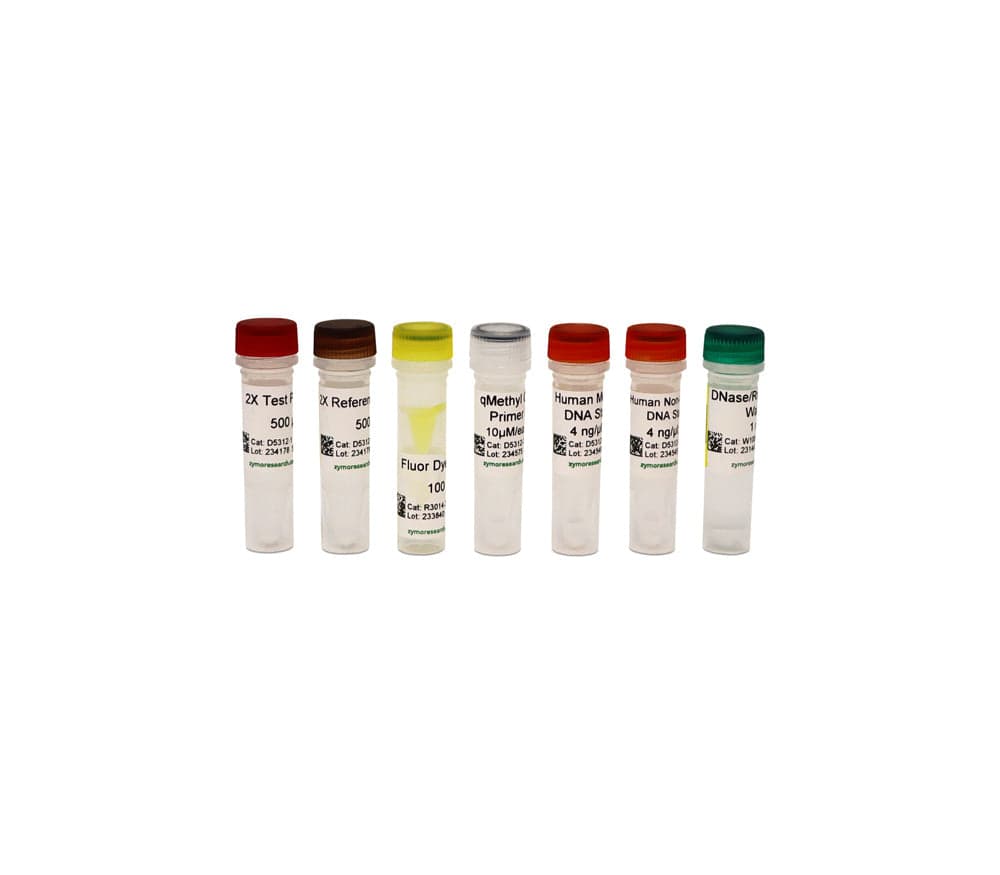
- qMethyl PCR assay kit uses PCR amplification for quantitative DNA methylation detection
- One-step qMethyl PCR system for efficient methylation analysis and optimized workflow setup
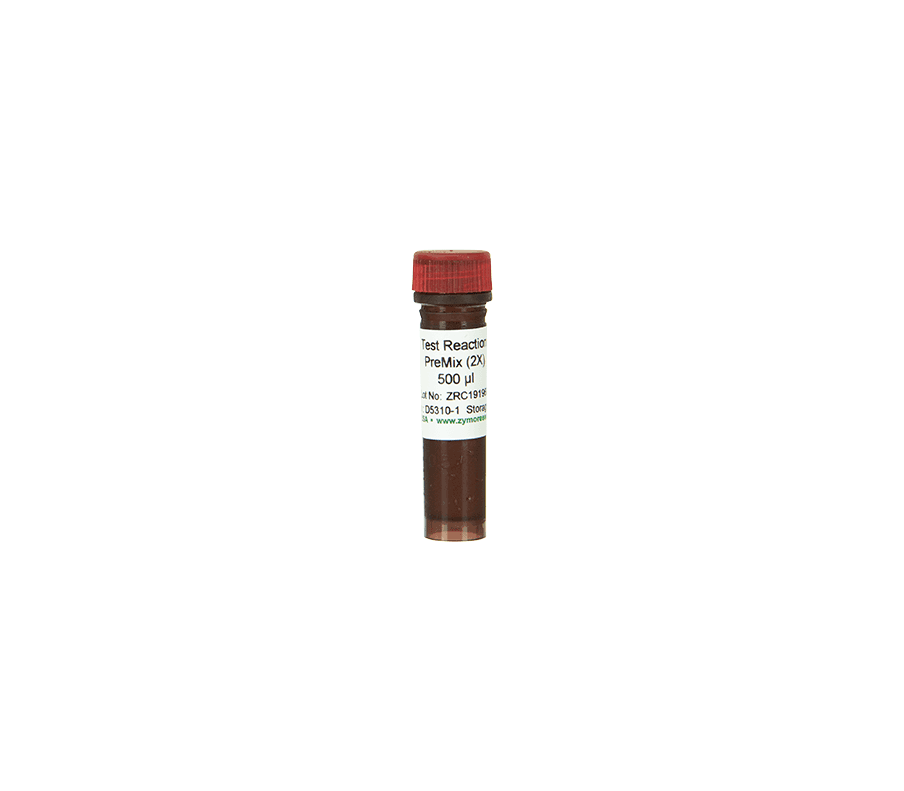
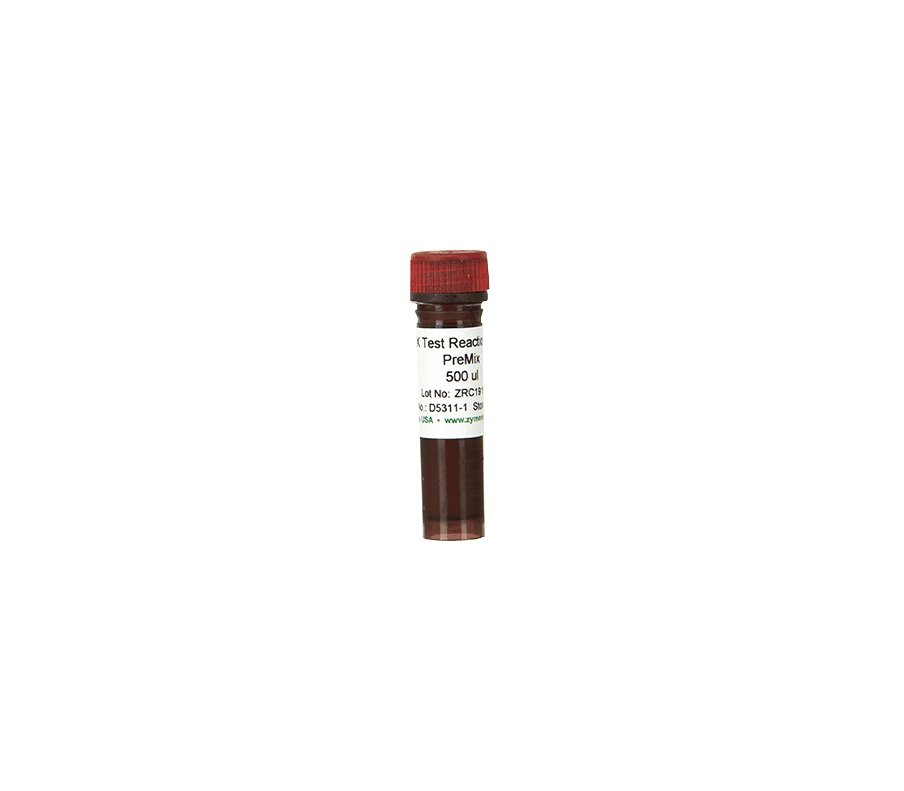
- Test reaction premixes for validation and optimization of assays
How to choose non-bisulfite methylation reagents
Choose EM-seq for superior library quality over bisulfite at the same resolution
EM-seq outperforms bisulfite-converted libraries on all major quality metrics: higher library yield, fewer duplicates, more usable reads, more even GC distribution, and accurate methylation calling, without requiring any changes to downstream bioinformatic analysis pipelines since the output is the same C-to-T chemistry as bisulfite conversion.
Understand EM-seq's two-step enzymatic mechanism
In the first EM-seq step, TET2 oxidizes 5-mC and 5-hmC to protected forms while T4-BGT glucosylates 5-hmC; in the second step, APOBEC3A deaminates only the unprotected unmodified cytosines to uracil. The net result is the same as bisulfite conversion — unmethylated C reads as T — but without bisulfite's destructive chemistry.
Consider TAPS for mild, nondestructive conversion that directly marks modified cytosines
TET-assisted pyridine borane sequencing (TAPS) is a bisulfite-free method that combines TET oxidation of 5-mC and 5-hmC with pyridine borane reduction, converting modified cytosines to a thymine read while leaving unmodified cytosines intact. Unlike bisulfite and EM-seq, TAPS positively marks the modified bases rather than converting the unmodified ones, and can preserve DNA fragments over 10 kilobases.
Choose MeDIP for genome-wide enrichment without per-cytosine resolution
Methylated DNA immunoprecipitation uses an antibody specific to 5-methylcytosine or 5-hydroxymethylcytosine to pull down methylated DNA fragments, providing regional enrichment data at lower cost and without bisulfite-related DNA damage, though at lower resolution than sequencing-based conversion methods.
Confirm whether your method distinguishes 5-mC from 5-hmC or co-detects both
EM-seq detects both 5-mC and 5-hmC together and cannot distinguish them without additional steps, while TAPS also co-detects both; TAPSβ, a variant, can specifically call 5-mC by blocking 5-hmC before oxidation. MeDIP can be targeted specifically to 5-hmC (hMeDIP) using an anti-5-hmC antibody.
Specifications context
EM-seq was effective using as little as 100 pg of DNA input, and libraries showed higher yields with fewer PCR cycles than bisulfite-converted libraries at all input amounts tested, with more even GC distribution, reduced sequencing duplicates, and more CpGs detected within genomic features per sequencing read. As of 2026, enzymatic conversion via EM-seq is broadly recommended over bisulfite conversion for new methylome analysis projects, particularly those working with limited, degraded, or high-value samples where the DNA damage of bisulfite treatment is most consequential.
This category sits within DNA/RNA Methylation, alongside Bisulfite Conversion Kits, and is closely related to DNA Hydroxymethylation for 5-hmC-specific approaches. See the full reagents catalog and use Quick Order for recurring orders.
Contact the expert team at Molecular Biology Products Inc. (MBP) to find dependable non-bisulfite kits and reagents for your lab.
FAQ