Lentiviral Over-Expression Vectors and Particles for Labs
MBP Inc. supplies lentiviral over-expression constructs — ORF expression vectors and ready-to-transduce viral particles — for stable, long-term gene over-expression in mammalian cell lines. Covering human, mouse, and rat genes in multiple tag formats (GFP, DDK/FLAG, RFP, untagged), these reagents support gene function studies, pathway analysis, and therapeutic target validation in research labs across the USA and Canada.
Support your gene expression research with MBP's lentiviral over-expression systems. Request a quote by contacting customerservice@mbpinc.net for pricing, availability, and project requirements.
Over-Expression Vectors
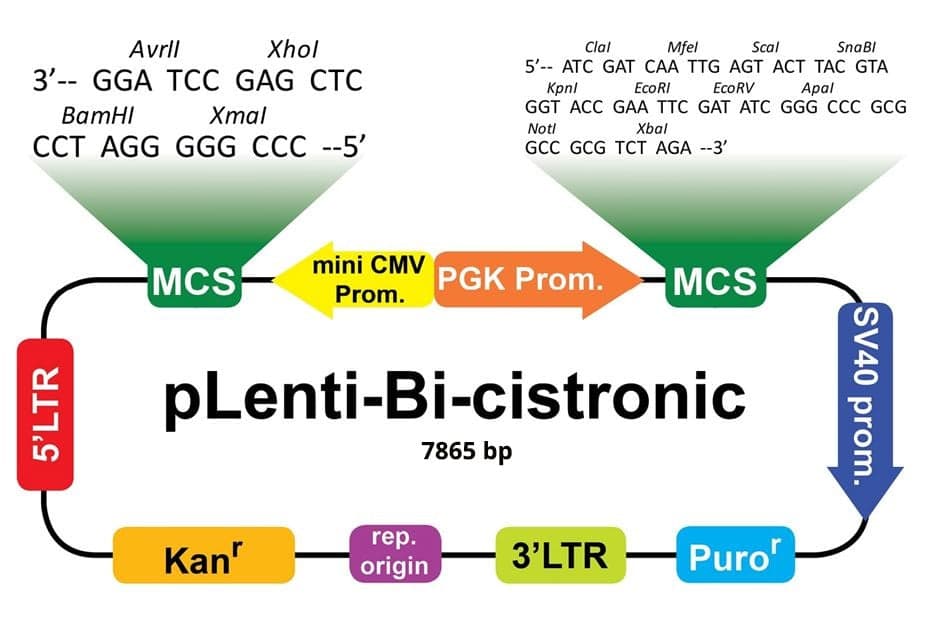
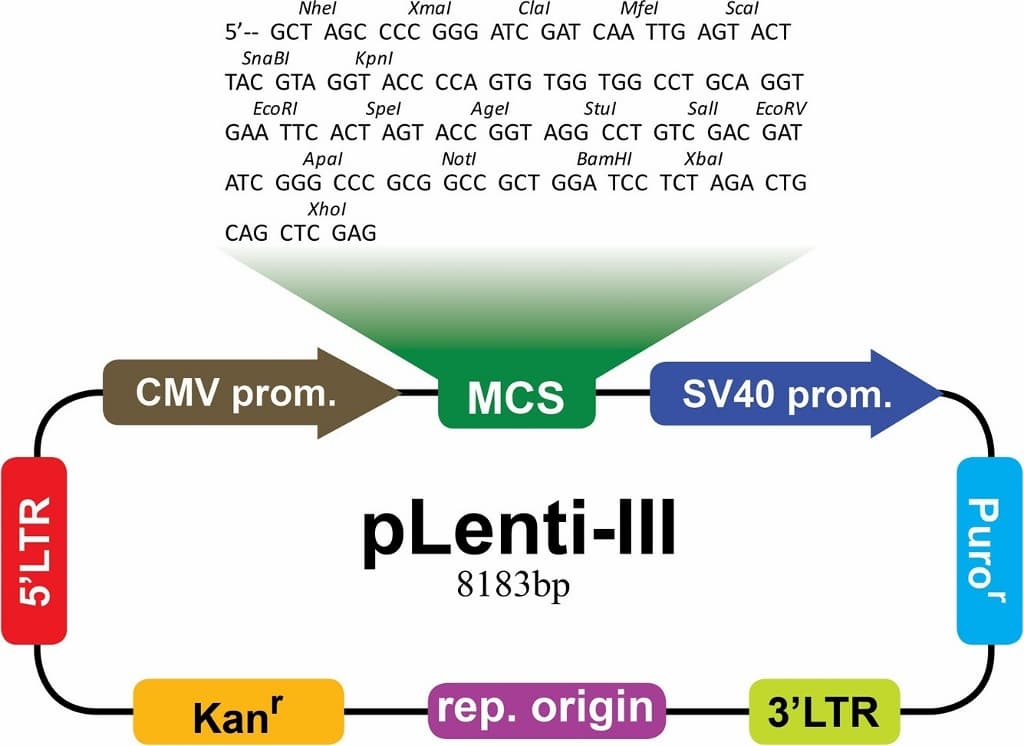
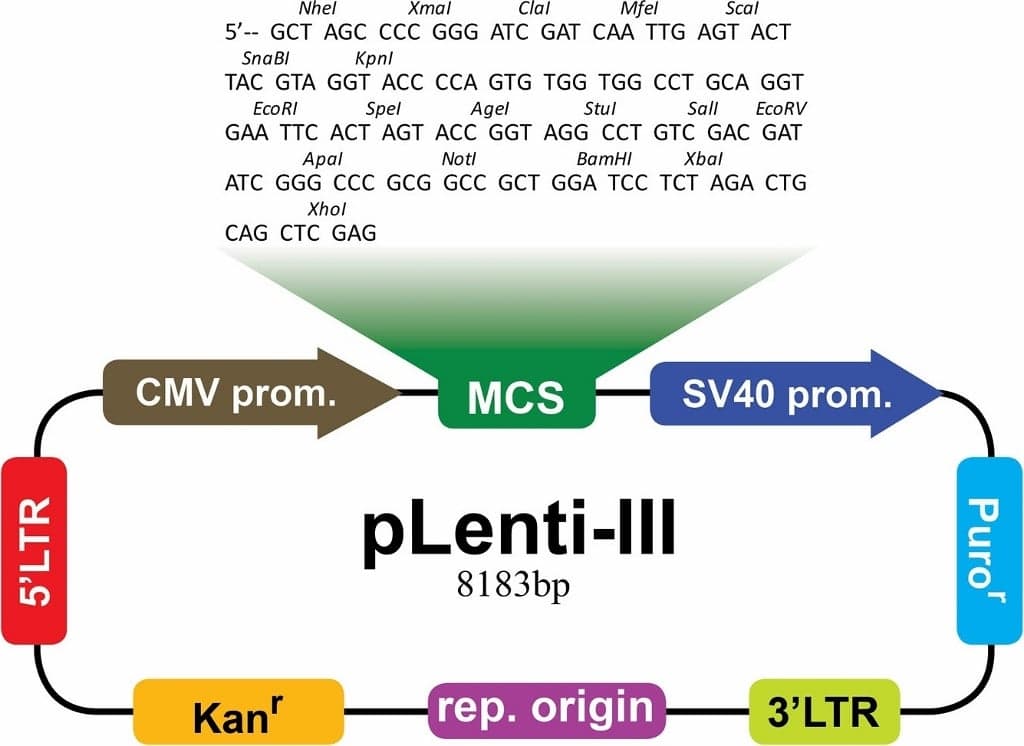
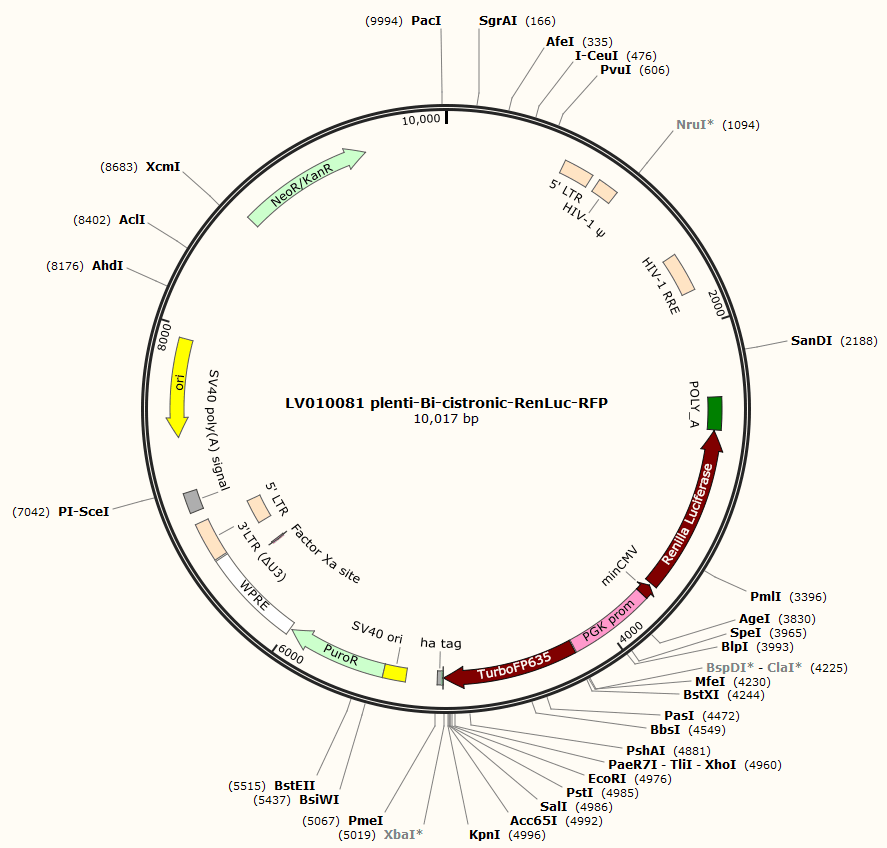
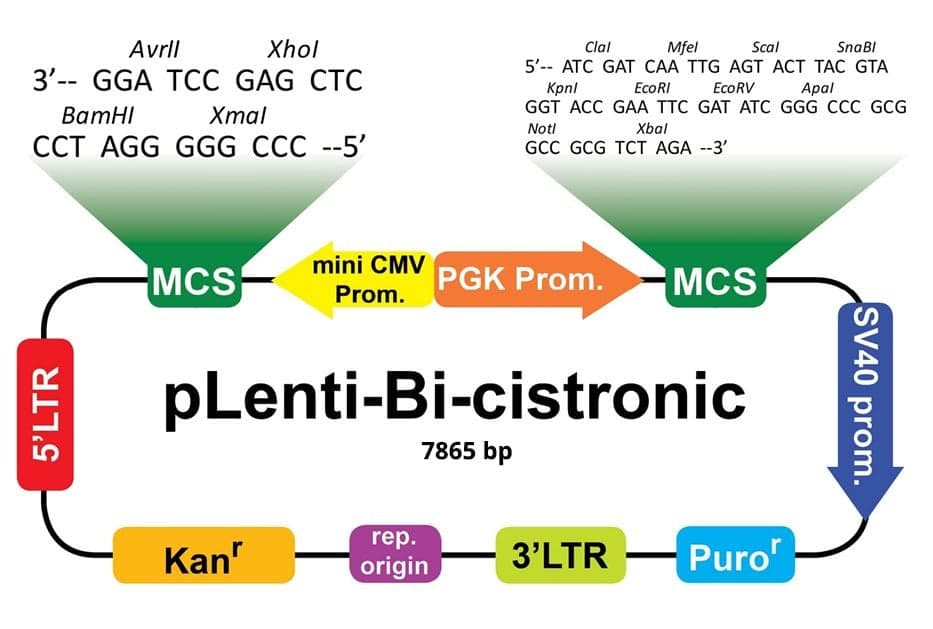
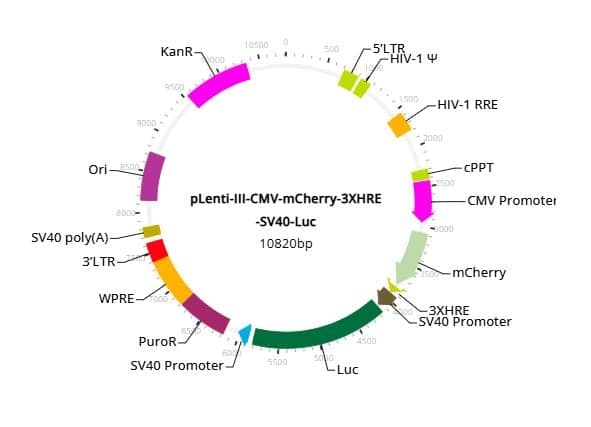
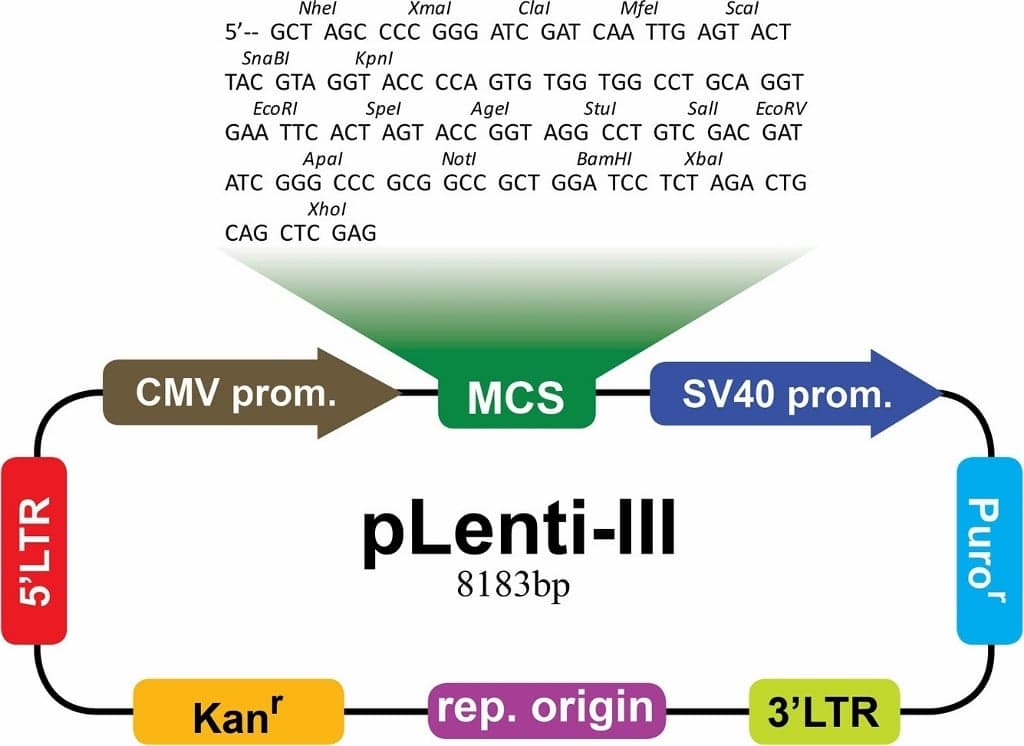
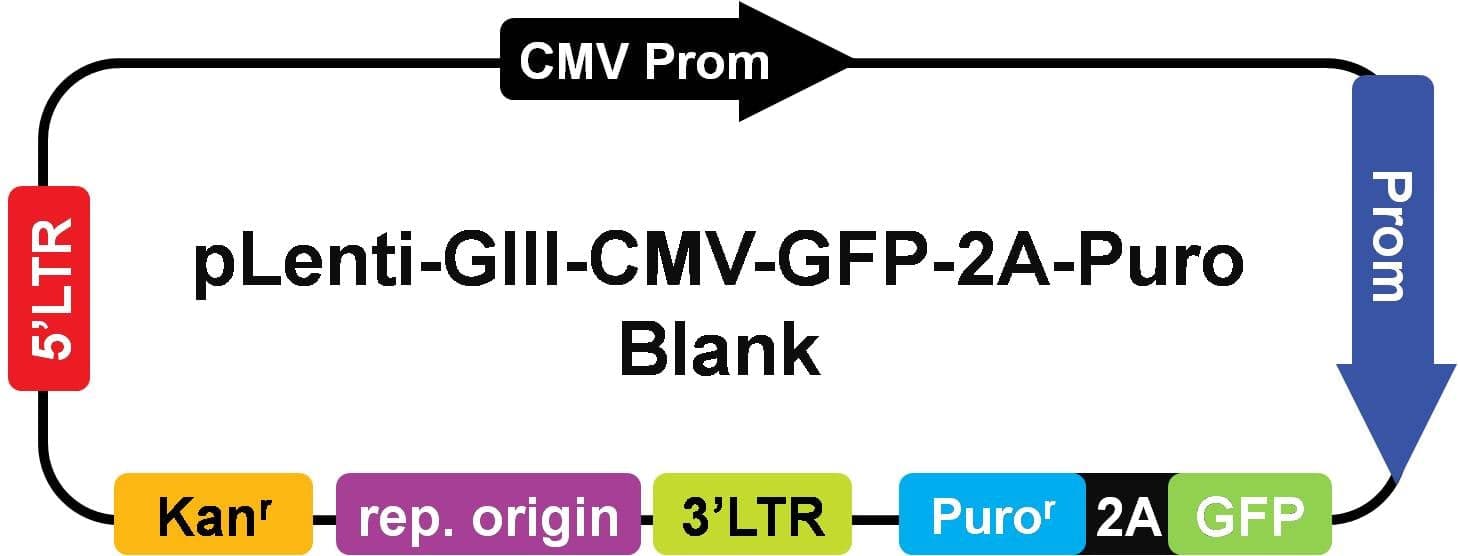
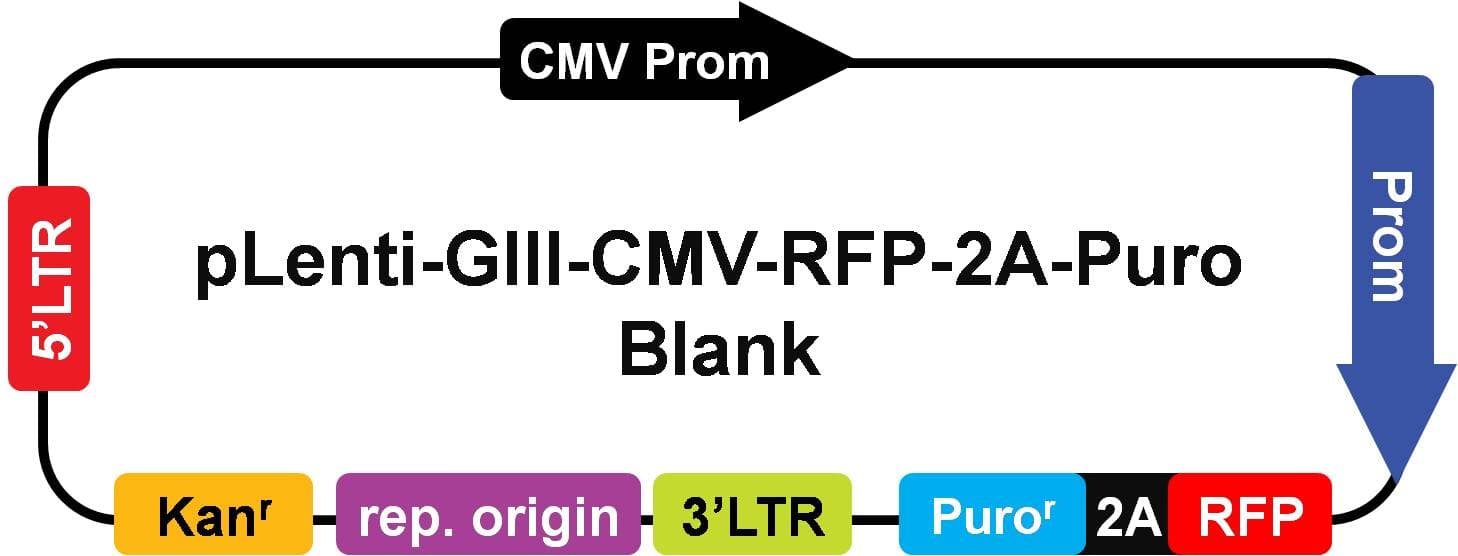
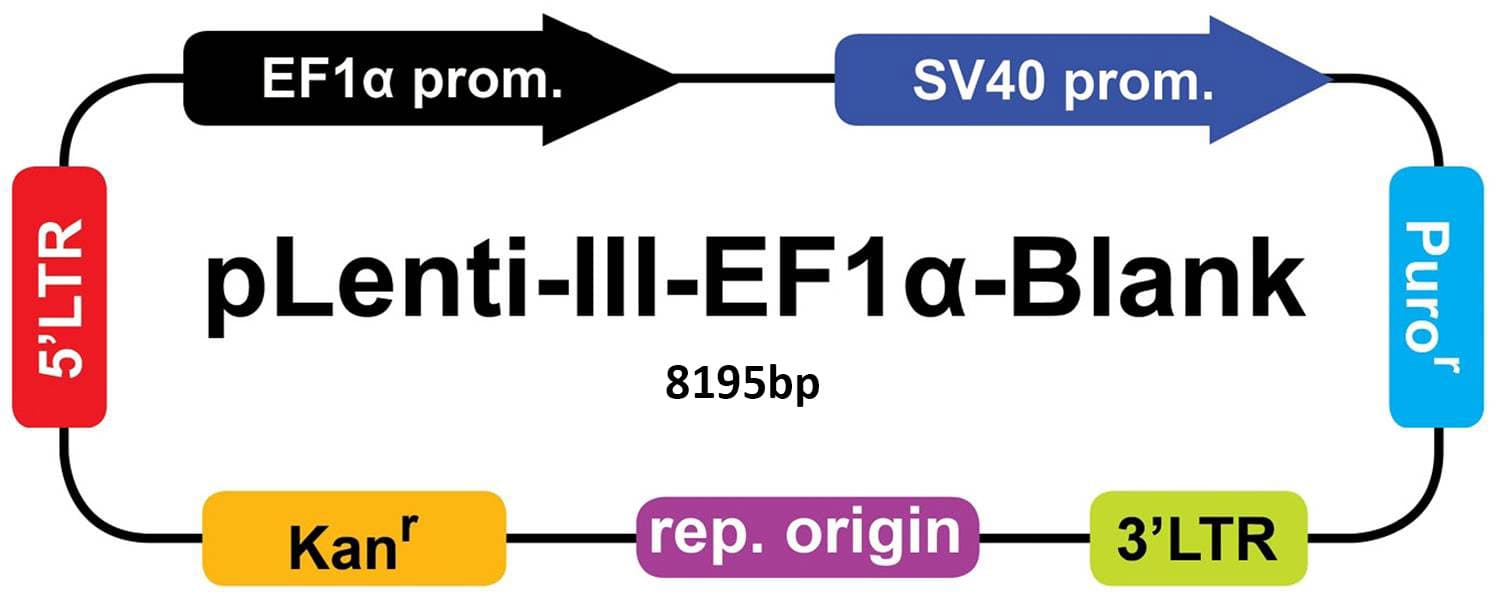
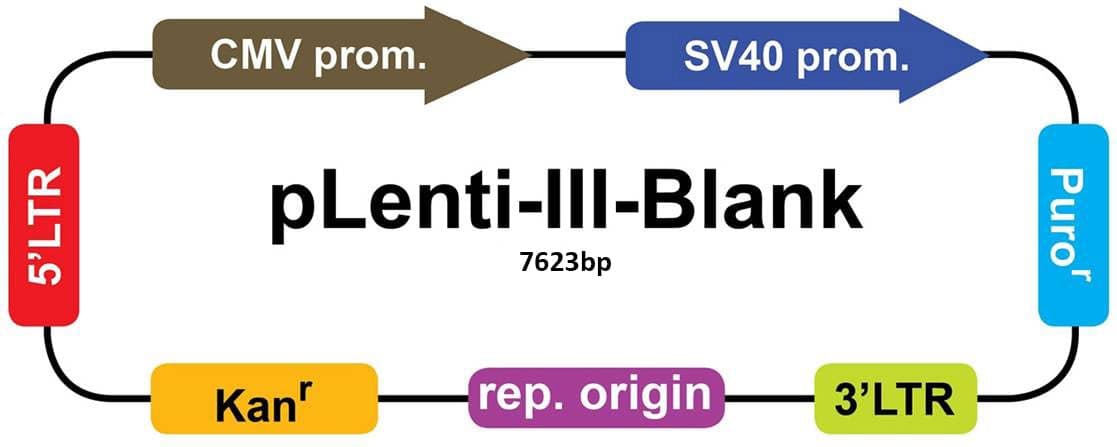
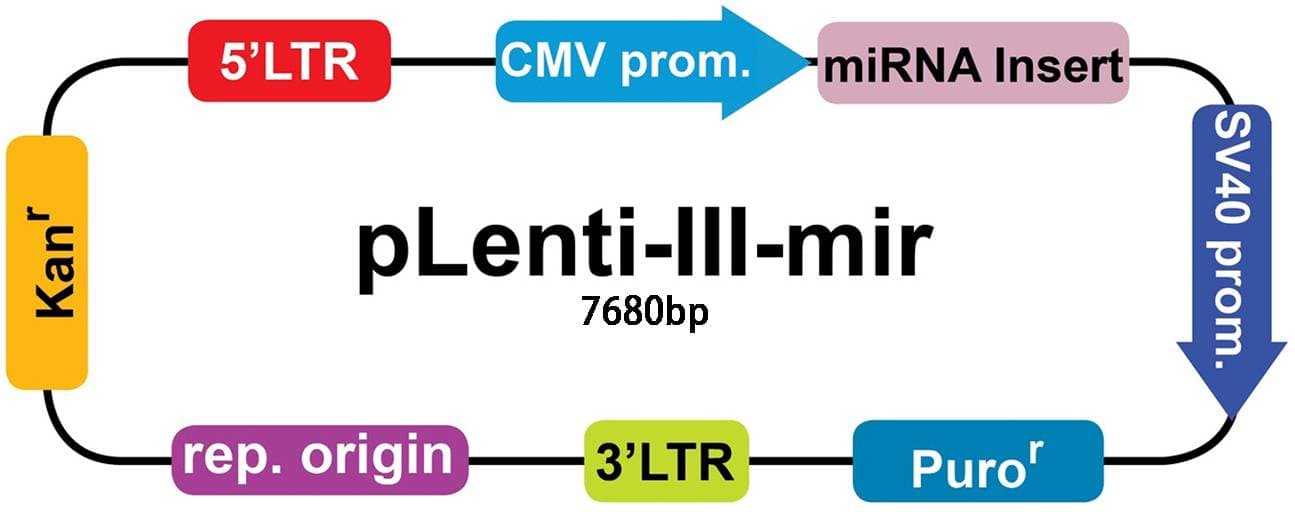
Showing 61 to 72 of 92 results
What Are Lentiviral Over-Expression Products?
Lentiviral over-expression systems achieve stable, heritable gene up-regulation in mammalian cells. Unlike transient transfection — which produces short-lived expression that diminishes as cells divide — lentiviral ORF delivery integrates the transgene into the host genome, providing consistent, long-term expression maintained across generations, essential for phenotypic assays, functional screens, and stable cell line generation.
What you will find:
-
Cre-inducible Gene Expression (DIO) Vectors: for controlled overexpression studies
-
Controls/Reporters: for gene expression validation and tracking
-
miRNA Controls: for gene modulation studies and regulatory RNA function
-
siRNA Controls: for gene silencing and knockdown validation
-
CRISPR/Cas9 Controls: for functional and gene editing workflows
How to Choose Lentiviral Over-Expression Constructs
Expression Duration Needs
Transient transfection provides 48–72 hours of expression with limited cell type compatibility. Lentiviral over-expression provides weeks to months of heritable, stable expression with broad cell type compatibility, including non-dividing cells.
ORF Availability and Format
Through ABM, over 35,000 human, mouse, and rat ORFs are available in lentiviral format — as plasmid DNA for in-house packaging or pre-packaged, ready-to-transduce particles.
Tag Selection
GFP enables fluorescent tracking and FACS sorting; DDK/FLAG supports immunoprecipitation and pull-down; RFP provides red-channel tracking; untagged formats avoid epitope interference with protein function.
Promoter for Long-Term Stability
EF1α promoter-driven constructs maintain high GFP expression (above 80% positive cells) for 30+ days without selection pressure, while CMV-driven constructs show progressive silencing in many cell types.
Selection and Validation Strategy
Antibiotic selection (puromycin, blasticidin, or hygromycin, typically 1–2 weeks) generates pure stably transduced populations. Expression is validated by qPCR, Western blot, or flow cytometry, depending on tag format.
Specifications Context
ABM's lentiviral ORF products have been reported to achieve up to 300-fold over-expression at the mRNA level in validated constructs, though protein-level increases vary by protein stability and post-translational regulation. Using third-generation lentivirus, stable overexpressing cell lines can typically be generated in 1–2 weeks, including transduction, antibiotic selection, and optional single-cell cloning for isogenic clonal lines. Applications include gain-of-function disease modelling, pathway activation studies, protein interaction and pull-down experiments, fluorescent reporter tracking, and rescue experiments confirming knockdown specificity. For genes not yet available in lentiviral format, custom cloning services can typically deliver a validated construct within several weeks, depending on insert complexity and required tag configuration.
Contact the expert team at MBP and get reliable lentivirus overexpression systems for your lab today.
FAQ



