Adenoviral Vectors and Reagents for Gene Delivery Research
MBP Inc. supplies adenoviral vector systems and associated reagents, including pShuttle-based cloning vectors, control constructs, reporter adenoviruses (GFP, β-galactosidase), CRISPR adenoviral formats, and ready-to-use adenoviral DNA for transient gene delivery applications. Adenoviral systems enable high-efficiency transduction in both dividing and non-dividing mammalian cells, supporting rapid gene expression, functional assays, and over-expression studies.
With broad cell tropism and rapid expression onset, our adenoviral products serve research labs across the USA and Canada. Contact customerservice@mbpinc.net to request a quote today!
Adenovirus Expression Systems
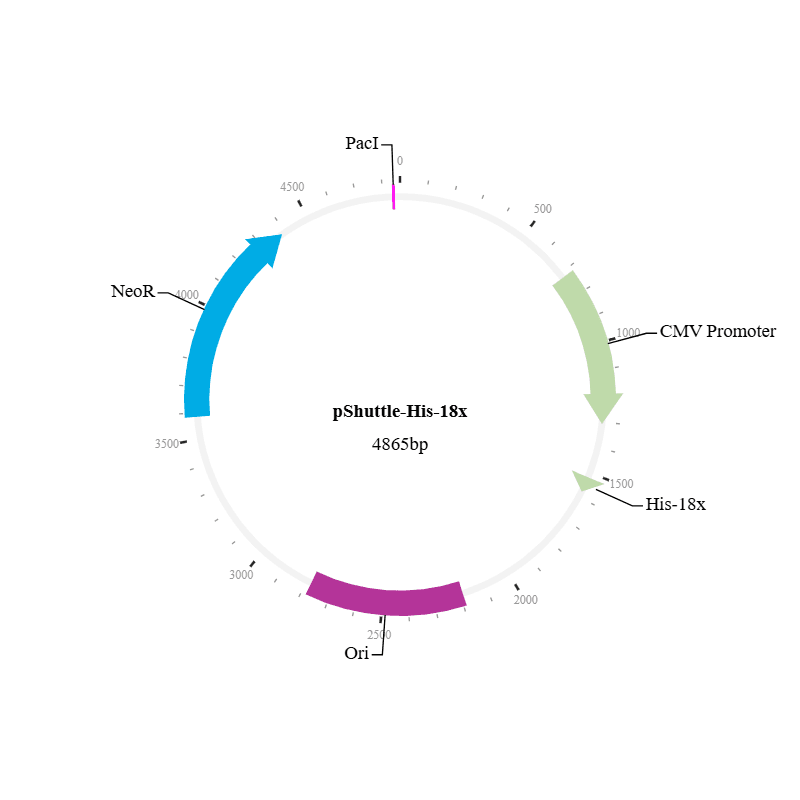
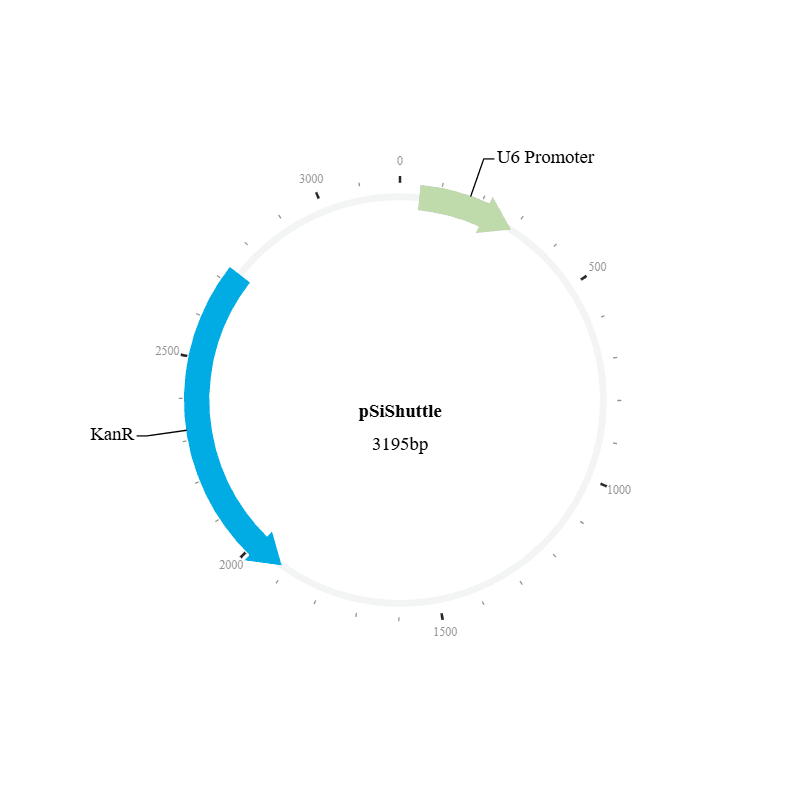

Showing 13 to 16 of 16 results
What Are Adenoviral Vectors?
Adenoviruses are among the most characterised and widely used viral gene delivery platforms in molecular biology. Engineered as replication-deficient vectors by deletion of essential early genes (E1a, E1b, and optionally E3), recombinant adenoviruses retain their natural high transduction efficiency. Adenoviral vectors enable efficient transient gene delivery and expression. Select the system that best supports your research goals.
What you will find:
-
Adenoviral Overexpression Systems: for functional studies, gene expression analysis, and experimental validation
-
Adenoviral Cloning Vectors: for gene insertion, construct design, and expression workflow development
How to Choose an Adenoviral Vector System
Cell Division Status
Adenoviral vectors transduce both dividing and non-dividing mammalian cells with high efficiency — useful when target cell types include post-mitotic populations that resist plasmid transfection or lentiviral approaches.
Integration vs. Episomal Persistence
Adenoviral vectors are non-integrating, persisting episomally rather than integrating into the host genome — appropriate when transient, high-level expression is needed without stable genomic modification.
Speed vs. Stability Trade-off
Adenoviral over-expression is the fastest route to high-level transient protein production (24–48 hours), suited for time-sensitive experiments. When stable, long-term integration is required, lentiviral systems are preferred instead.
Cargo Capacity
With a 34–43 kb genome, adenoviral vectors offer substantially larger cargo capacity than AAV (~4.7 kb), accommodating larger transgenes, multi-gene cassettes, or larger regulatory elements.
Immunogenicity Considerations
Adenoviral delivery activates innate immune sensing in transduced cells more strongly than AAV — a factor to weigh for in vivo applications or repeat-dosing experiments.
Specifications Context
A recombinant adenovirus is generated by cloning the transgene of interest into an adenoviral shuttle (transfer) plasmid containing an expression cassette flanked by adenoviral homologous regions for recombination into the full viral genome. Adenoviral vectors are replication-deficient (typically E1/E3-deleted Ad5) systems used for high-efficiency transient gene expression in both dividing and non-dividing mammalian cells, particularly where plasmid transfection is inefficient and stable integration is not required. Adenoviral delivery can activate innate immune responses independently of the transgene, so matched empty-vector or non-targeting controls are required for proper experimental interpretation. Expression levels are MOI-dependent and vary by cell type, so pilot transduction is used to determine optimal conditions before scale-up. Product availability reflects MBP’s catalogue as of mid-2026.
Contact the expert team at MBP to inquire about product details and find a suitable match for your lab.
FAQ



