Product Filters

Adenoviral Cloning Vectors and Shuttle Plasmids for Labs


MBP Inc. supplies adenoviral shuttle and cloning vectors — including Ad5-based pShuttle systems, tagged expression shuttle plasmids (HA, His), reporter-compatible constructs, promoter-driven shuttle vectors, and adenoviral genome assembly components such as pre-linearized adenoviral DNA — for the construction of recombinant adenoviruses in molecular biology workflows.

These systems support standard restriction enzyme cloning and modular insert design for transient gene expression applications in research laboratories across the USA and Canada. Contact customerservice@mbpinc.net to request a quote today!

Cloning Vectors
Per Page:
Sort By:
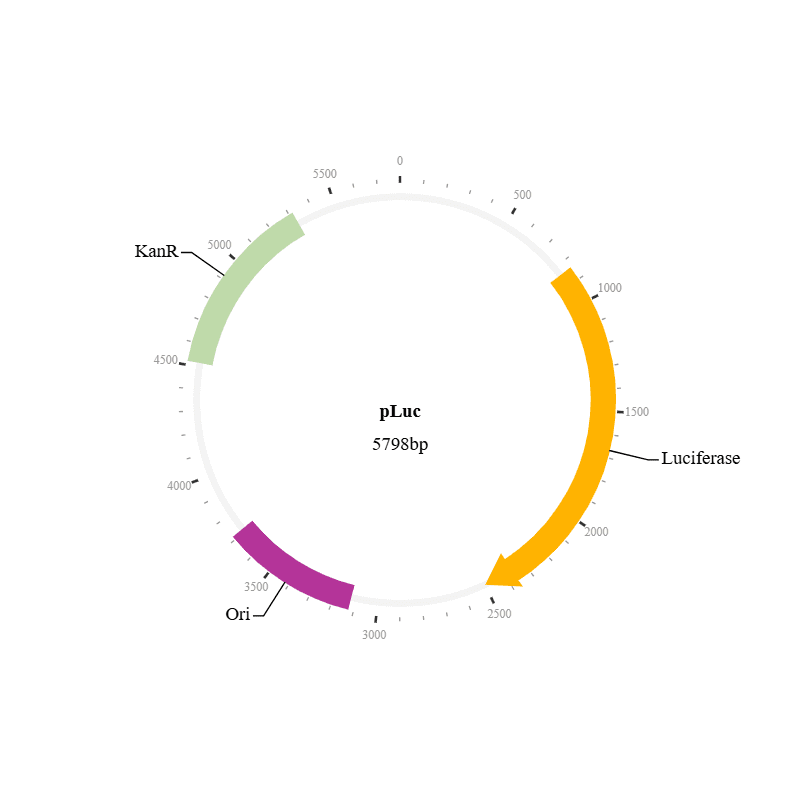
pLuc Vector
List Price:
USD625.83
Online Price:
USD447.02
Your Price:
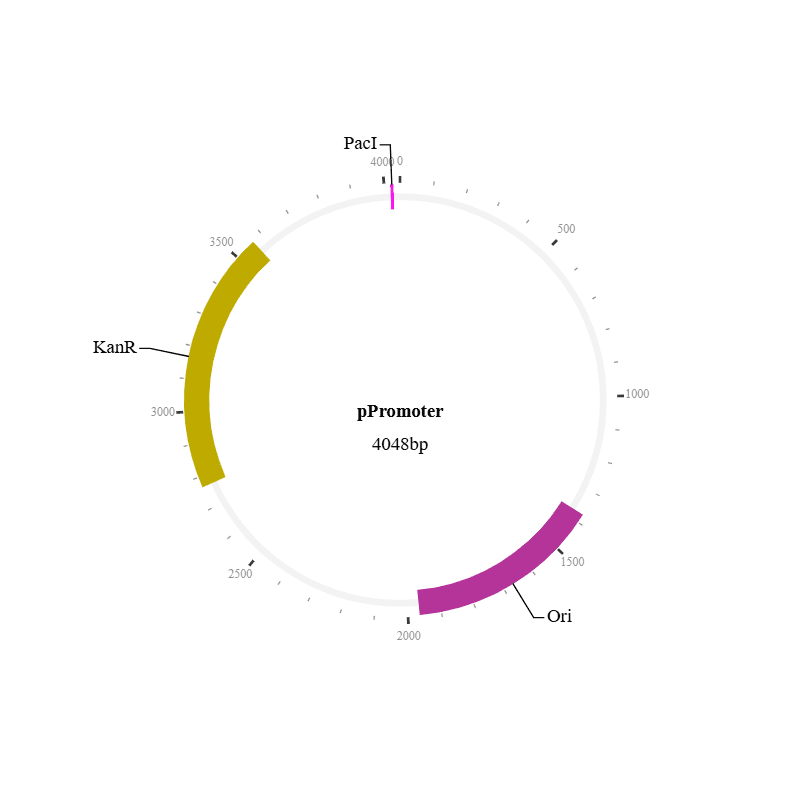
pPromoter Vector
List Price:
USD399.80
Online Price:
USD285.57
Your Price:
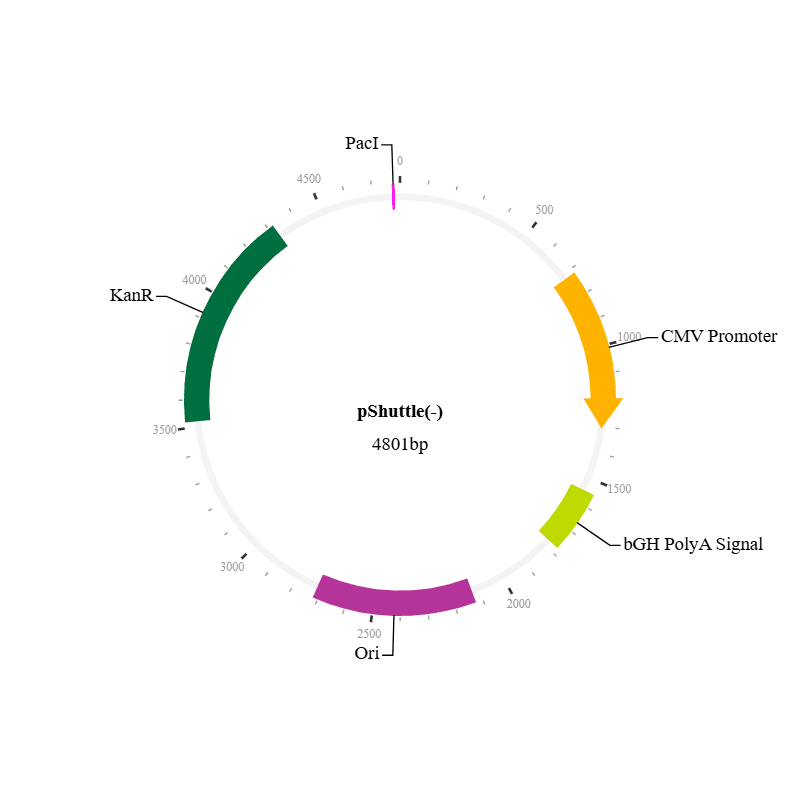
pShuttle(-) Vector
List Price:
USD455.70
Online Price:
USD325.50
Your Price:
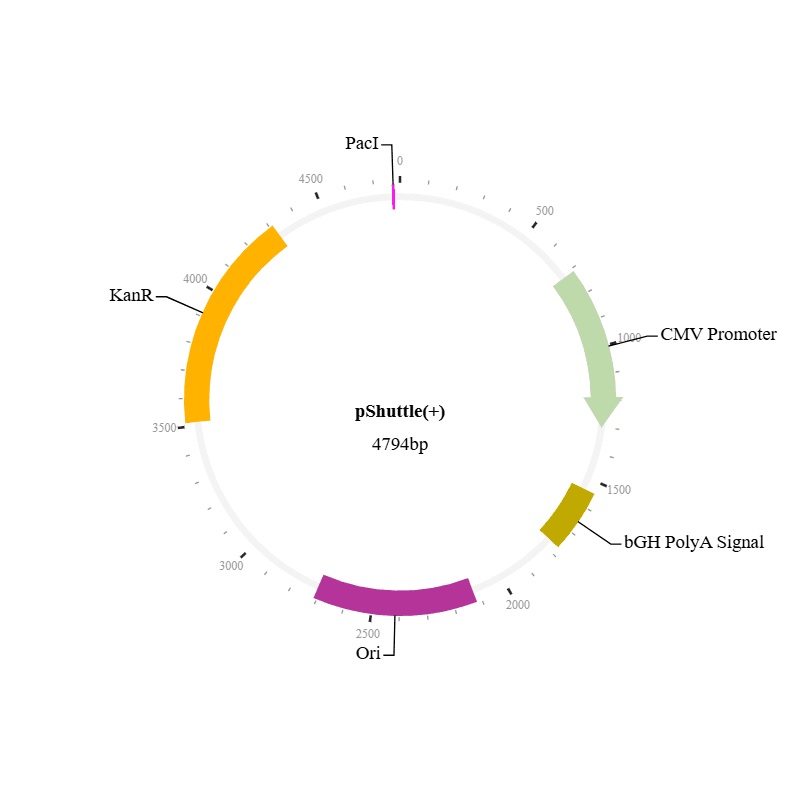
pShuttle(+) Vector
List Price:
USD455.70
Online Price:
USD325.50
Your Price:
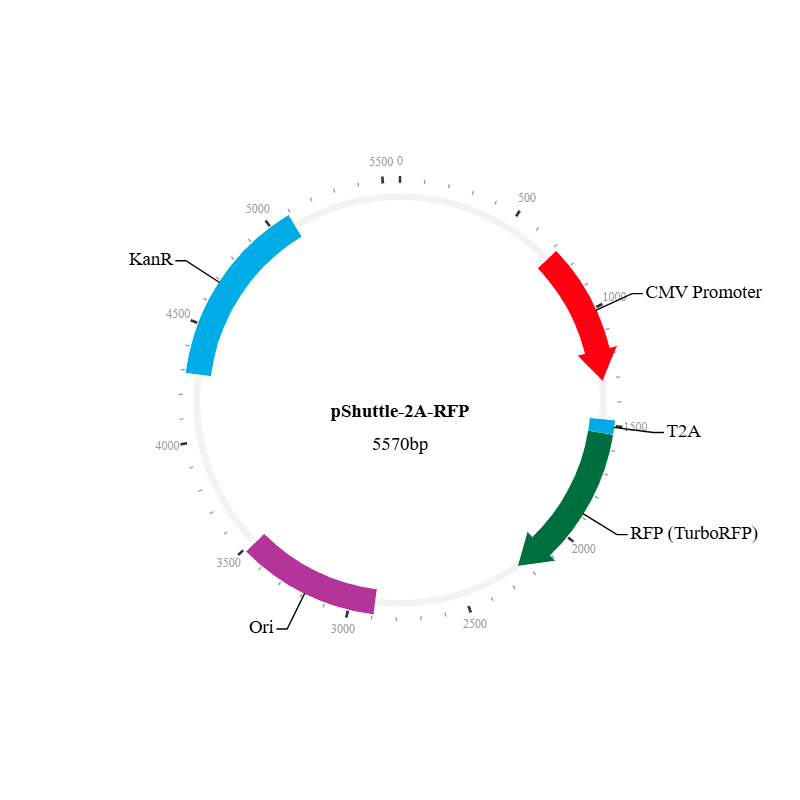
pShuttle-2A-RFP Vector
List Price:
USD507.95
Online Price:
USD362.82
Your Price:
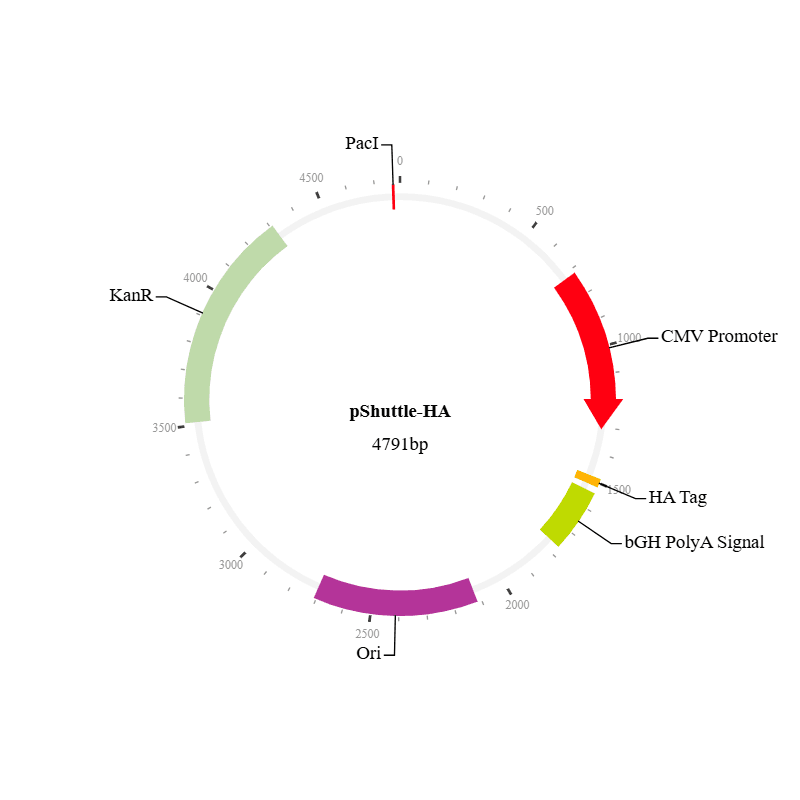
pShuttle-HA
List Price:
USD455.70
Online Price:
USD325.50
Your Price:
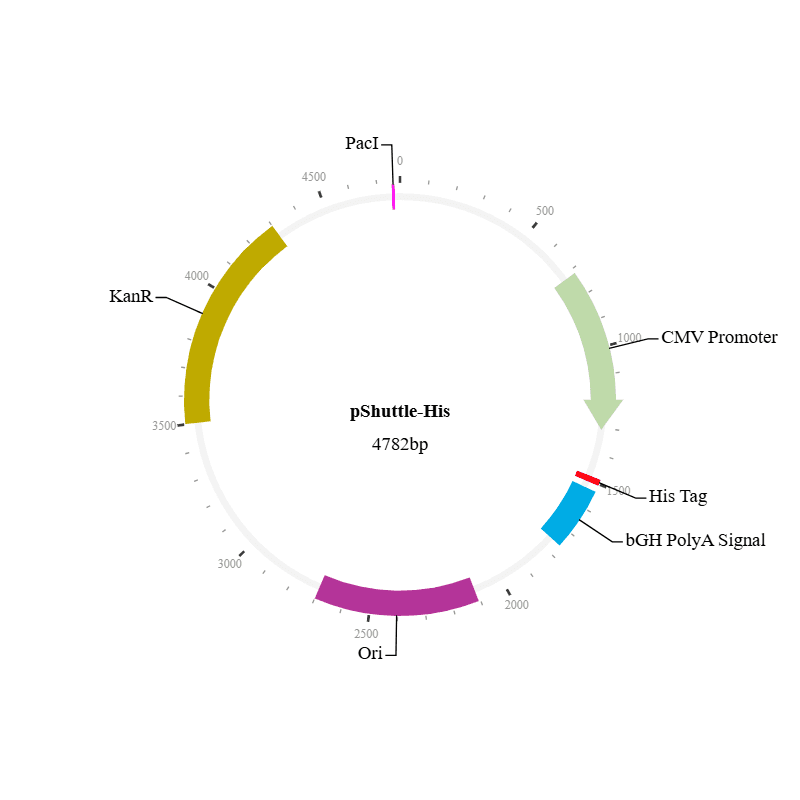
pShuttle-His
List Price:
USD455.70
Online Price:
USD325.50
Your Price:
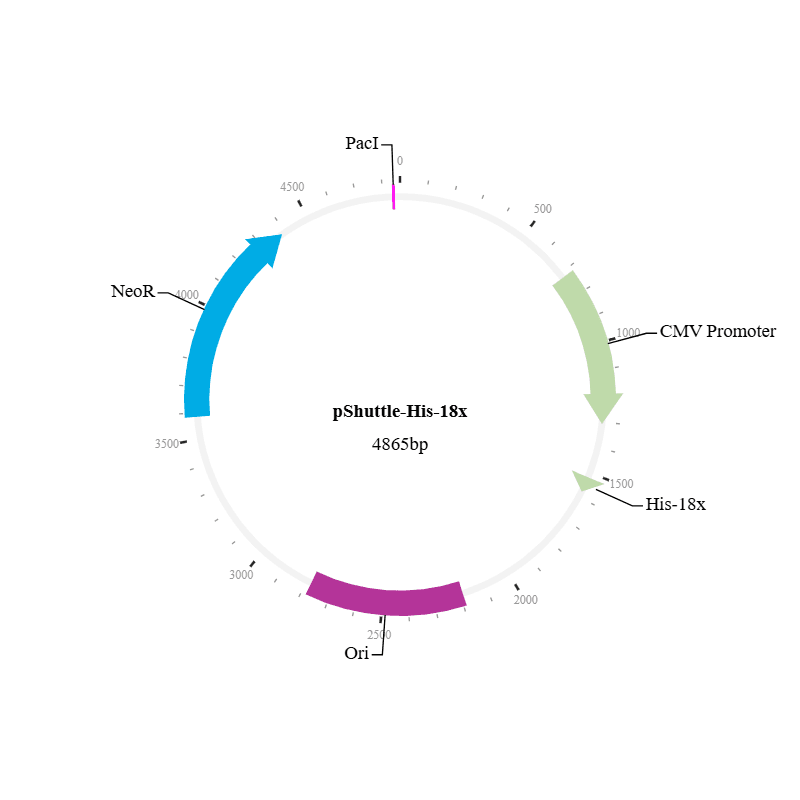
pShuttle-His-18x Vector
List Price:
USD507.95
Online Price:
USD362.82
Your Price:
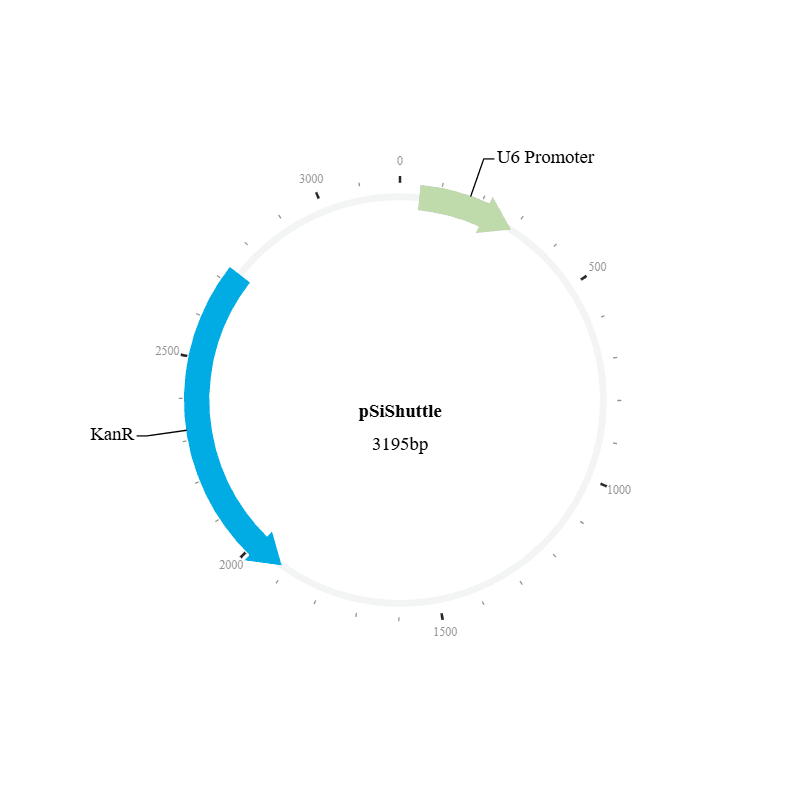
pSiShuttle Vector
List Price:
USD455.70
Online Price:
USD325.50
Your Price:
Ready-to-Use Adeno DNA (Pre-linearized by I-Ceul/PI-SceI)
List Price:
USD556.56
Online Price:
USD397.54
Your Price:

Showing 1 to 10 of 10 results

What Are Adenoviral Cloning Vectors?


An adenoviral shuttle plasmid (transfer vector) contains a transgene expression cassette flanked by adenoviral genomic sequences that mediate recombination into the full adenoviral backbone genome. This shuttle plasmid is the starting point for constructing any custom recombinant adenovirus. Successful adenoviral studies begin with the appropriate cloning backbone. Choose a vector compatible with your development workflow.


What you will find:


  • pShuttle backbone vectors, including pShuttle(+), pShuttle(-), and pShuttle-His variants for gene insertion and adenoviral construct assembly 

  • Tagged expression vectors such as pShuttle-His-18x and pShuttle-2A-RFP for co-expression and protein labeling studies

  • Functional assay and reporter vectors, including pPromoter and pSiShuttle for transcriptional analysis and gene regulation 

  • Ready-to-use adenoviral DNA for simplified preparation of constructs


How to Choose an Adenoviral Cloning Vector


Promoter Selection
CMV, EF1α, and CAG promoter options are available for driving transgene expression — CMV offers strong, broadly active expression, while EF1α and CAG can provide more consistent expression in certain cell types.

Cloning Method Compatibility
Gateway-compatible backbones enable site-specific recombination cloning without restriction enzymes, useful for parallel construct generation. Standard multiple cloning sites (MCS) with conventional restriction sites remain available for traditional cloning workflows.

Deletion Configuration
E1/E3-deleted Ad5 backbones are the standard configuration — E1 deletion renders the virus replication-deficient, while E3 deletion provides additional cloning capacity.

Downstream Production Pathway
The shuttle plasmid recombines into the full adenoviral genome during virus production — selecting a shuttle vector compatible with your packaging cell line and downstream amplification approach avoids compatibility issues later in the workflow.

Reporter/Selection Inclusion
Shuttle vectors with fluorescent reporters (GFP) or selection markers built into the cassette simplify confirmation of successful cloning and subsequent virus packaging steps.


Specifications Context


After cloning the transgene into an adenoviral shuttle plasmid, the construct is recombined into the full adenoviral backbone genome in packaging systems or recombination-based workflows, followed by amplification in complementing cell lines to generate recombinant adenoviral stocks. Gateway-compatible shuttle vectors enable transfer of validated entry clones into the adenoviral system without re-cloning. Sequence verification of the shuttle construct by restriction analysis or sequencing is recommended before recombination to ensure construct integrity. Product availability reflects MBP’s catalogue as of mid-2026.


Contact the expert team at MBP for guidance on shuttle vector selection based on promoter configuration and experimental design requirements.

FAQ

An adenoviral shuttle plasmid (transfer vector) contains a transgene expression cassette flanked by adenoviral genomic sequences that mediate recombination into the full adenoviral backbone genome. The transgene is first cloned into the shuttle plasmid, then the complete adenoviral genome is assembled by co-transformation of shuttle and backbone plasmids into BJ5183 E. coli -- or by Gibson/Gateway assembly -- and the resulting plasmid is linearised and transfected into HEK293 packaging cells to rescue recombinant viral particles.
BJ5183 cells are recombination-competent E. coli used for homologous recombination between the adenoviral shuttle plasmid and backbone plasmid. Their high recombination activity is required to generate the complete ~35 kb adenoviral genome from two separate plasmid fragments. After recombination and colony selection, the construct must be transferred to DH5alpha, Top10, or Top10F' cells for high-yield large-scale plasmid preparation before HEK293 transfection.
Adenoviral shuttle plasmids available through MBP include CMV (cytomegalovirus immediate-early; strongest expression in most cell types), EF1alpha (elongation factor 1-alpha; more stable long-term expression in cell types where CMV is silenced), CAG (CMV enhancer/beta-actin; strong ubiquitous expression), and PGK (phosphoglycerate kinase; moderate constitutive expression). Tissue-specific promoter options can be discussed with MBP's team.
Standard first-generation E1/E3-deleted adenoviral vectors accommodate an expression cassette of approximately 7.5 kb in the E1 deletion region. When both E1 and E3 regions are used for transgene insertion, total cassette capacity increases to approximately 10 kb. Second-generation vectors with additional E2 and E4 deletions extend capacity to approximately 12 kb.
Yes. Gateway-compatible adenoviral transfer plasmids accept ORF inserts directly from Gateway entry clones via LR recombinase reaction -- without restriction enzyme digestion or PCR. This enables rapid parallel cloning of multiple ORFs from existing Gateway-format libraries (including the ABM ORF collection) directly into the adenoviral transfer vector.
E3 region cloning positions the transgene expression cassette directly downstream of a CMV promoter in the E3 deletion region of the complete adenoviral genome plasmid. This one-step approach -- described using a triple cloning site (TCS) of three unique restriction sites -- generates the recombinant adenoviral genome without a separate shuttle plasmid, reducing overall construction time and the number of plasmid manipulation steps.
Yes. Large adenoviral genomic plasmids (~35 kb) require recombination-resistant E. coli strains for stable propagation. Stbl2 or Stbl4 (Thermo Fisher) are preferred for initial transformation; Top10F' cells produce higher plasmid yields. Standard DH5alpha can be used, but may produce rearrangements in the large adenoviral genomic sequences. BJ5183 cells are used specifically for the recombination step and not for routine plasmid propagation due to poor plasmid yield.
Adenoviral shuttle plasmids are available with ampicillin resistance for bacterial selection and typically include a selection marker for mammalian cells (kanamycin/neomycin, puromycin, or GFP reporter) in the transgene cassette, enabling selection of transduced cells after virus production and infection experiments.
We provide the highest quality of products and anytime customer service.
Featured Categories
    online payment
    online payment
    fast delivery
    fast delivery
    technical support
    technical support
    24/7 support
    24/7 support
    copy right
    2026 All Right Reserved