L-Glutamine and Amino Acid Supplements for Cell Culture Media Preparation and Optimization
L-glutamine and amino acid supplements include L-glutamine (200 mM stock, 2–6 mM typical use concentration, degrades to toxic ammonia in solution), GlutaMAX/L-alanyl-L-glutamine (stable dipeptide form resistant to degradation), MEM non-essential amino acids (NEAA, 100X concentrate), HT supplement (hypoxanthine-thymidine rescue medium for hybridoma protocols), and MEM vitamin solution (100X). Available in liquid (ready-to-use) and USP-grade powder formats. MBP ships to labs across the United States, Canada, and internationally with PO and Quick Order at mbpinc.net.
Explore available L-glutamine, GlutaMAX, NEAA, and amino acid supplements or request a quotation by contacting customerservice@mbpinc.net. Our team can help identify the optimal supplements for your media formulation and cell culture workflow.
L-Glutamine & Amino Acids
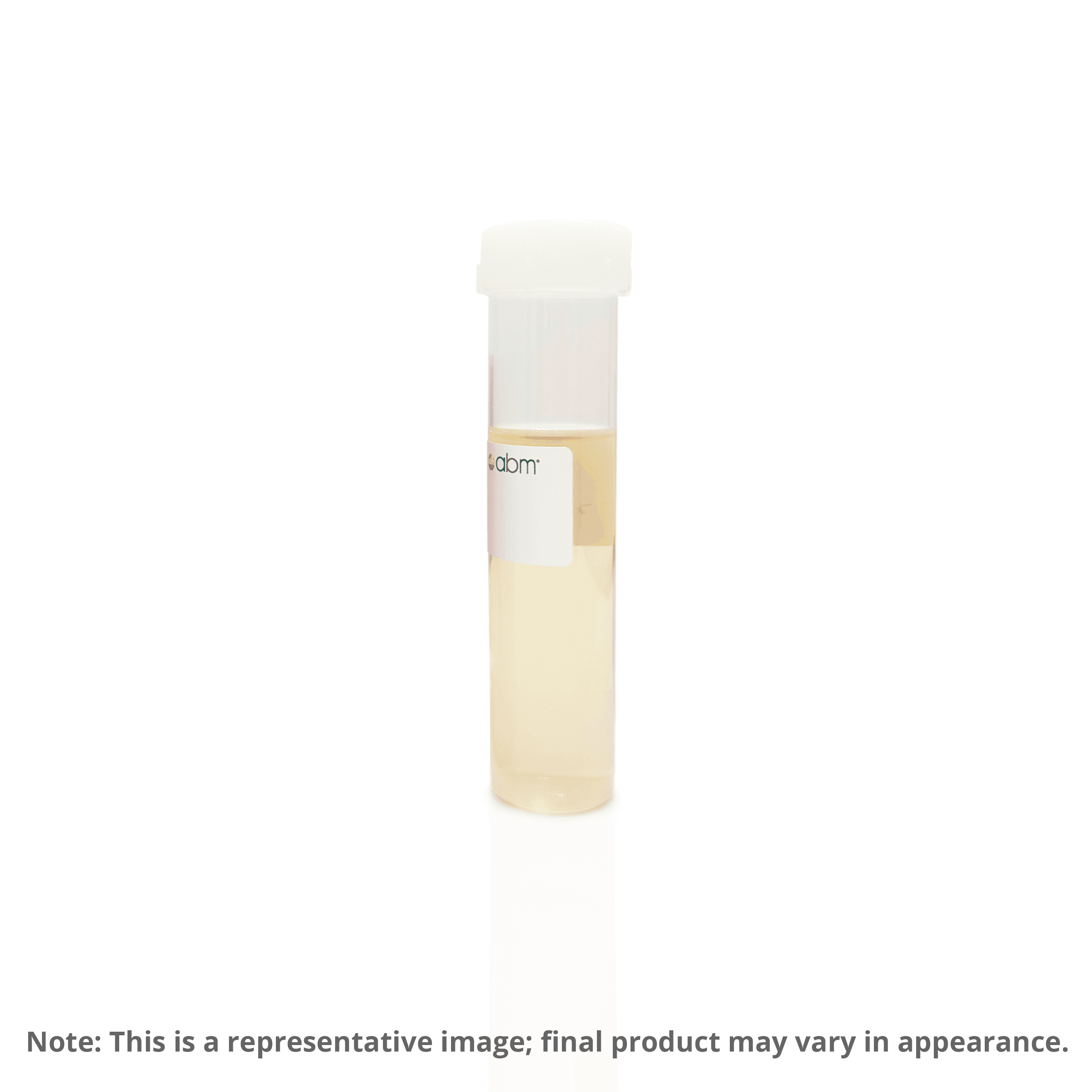
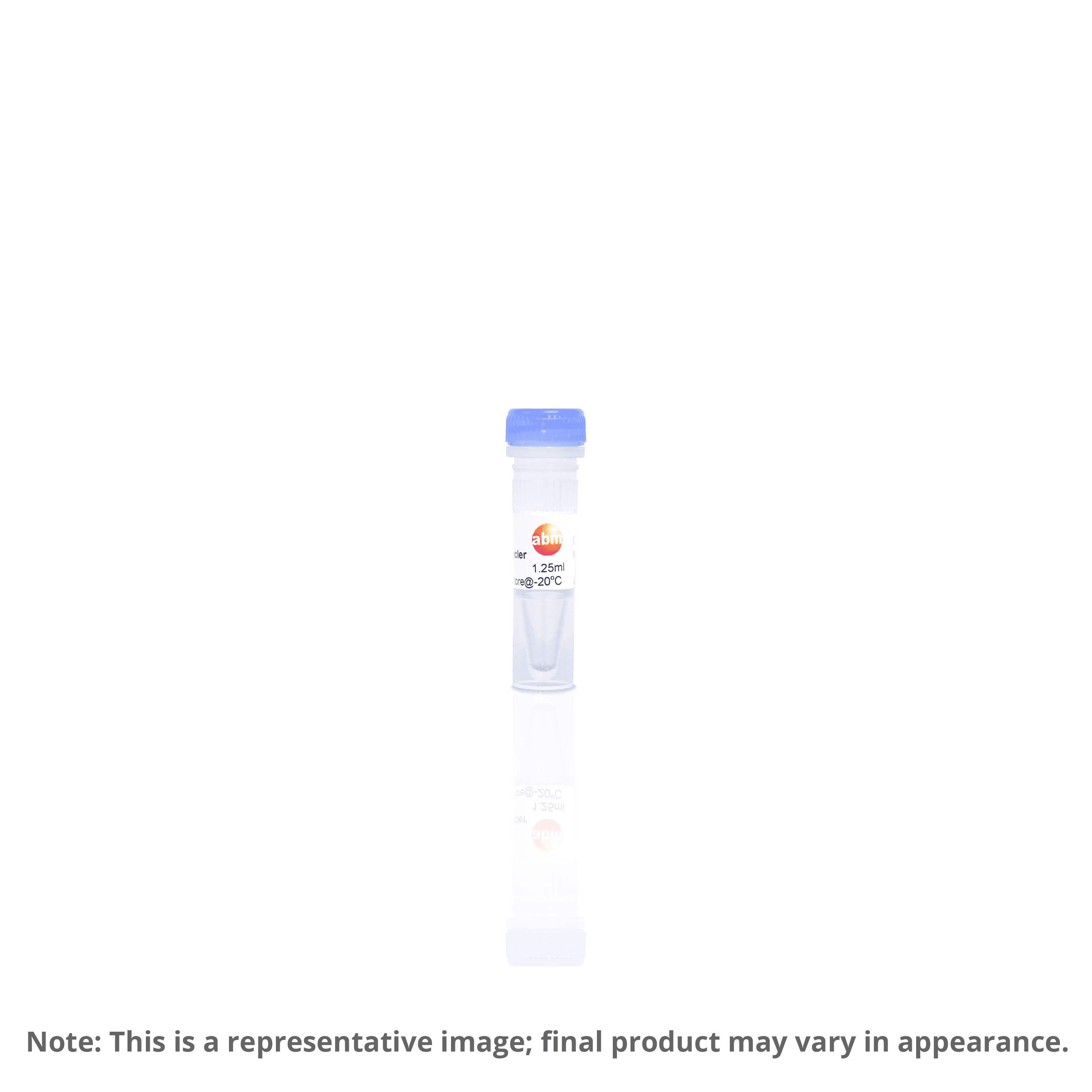
Showing 1 to 6 of 6 results
What are L-glutamine and amino acid supplements?
L-glutamine and amino acid supplements are cell culture additives used to support cellular metabolism, growth, viability, and biosynthesis. They provide nutrients that may become depleted during culture or are required in greater quantities than those supplied by basal media alone. These supplements are commonly added to media such as DMEM, RPMI 1640, MEM, and DMEM/F-12 to optimize cell growth and maintain healthy cultures.
L-glutamine is one of the most important supplements in mammalian cell culture because it serves as a major energy source and is required for protein synthesis, nucleotide production, and glutathione synthesis. However, because free L-glutamine is unstable in solution and gradually breaks down into ammonia and pyroglutamate, many laboratories use stabilized alternatives such as GlutaMAX (L-alanyl-L-glutamine) for extended culture applications.
What you will find:
- L-Glutamine stable formulations for sourcing of essential nitrogen
- Non-Essential Amino Acids (NEAA) for growth media enhancement
- Synthetic Polymer Coatings Poly-L-Ornithine and Poly-L-Lysine solutions for better cell attachment.
- Extracellular Matrix Proteins used for cell adhesion and include high-purity Fibronectin and Vitronectin coating reagents
- Adhesion Promotion Reagents for improving the surface properties of culture vessels.
How to choose L-glutamine and amino acid supplements
L-glutamine concentration and format
Most mammalian cell culture systems use L-glutamine concentrations between 2–6 mM, although requirements vary depending on the medium and cell type. It is commonly supplied as:
- USP-grade powder for custom media preparation
- 200 mM liquid stock solutions for direct supplementation
Liquid stocks should be aliquoted and stored frozen to minimize repeated freeze-thaw cycles and preserve stability.
Understanding glutamine degradation
Free L-glutamine gradually breaks down in aqueous solution through a non-enzymatic process that produces ammonia and pyroglutamate. This degradation accelerates with increasing temperature, storage time, and exposure to common cell culture buffer systems.
Ammonia accumulation can negatively affect cell growth, viability, productivity, and experimental reproducibility, particularly during long culture periods without media replacement.
GlutaMAX and stable glutamine alternatives
GlutaMAX (L-alanyl-L-glutamine) is a stabilized dipeptide form of glutamine designed to resist degradation in culture media. Once taken up by cells, it is converted into usable glutamine while maintaining greater stability during incubation.
- Reduced ammonia accumulation
- Improved media stability
- Better performance in long-term cultures
- Less frequent media replacement requirements
For most applications, GlutaMAX can directly replace standard L-glutamine without protocol modifications.
MEM non-essential amino acids (NEAA)
NEAA supplements provide amino acids that cells can synthesize themselves but may benefit from receiving directly from the culture medium. Supplementation reduces the metabolic burden of amino acid production and often improves growth rates and cell viability.
NEAA solutions are typically supplied as 100X concentrates and diluted to 1X working concentration.
HT supplement
HT supplement contains hypoxanthine and thymidine and is commonly used following HAT selection during hybridoma production. It supports nucleotide synthesis through salvage pathways while cells recover from selection pressure.
MEM vitamin solution
Vitamin supplements provide additional growth-supporting micronutrients that may become limiting during prolonged culture or in demanding applications. These supplements are often used alongside amino acid supplementation to enhance culture performance.
Specifications context
The standard L-glutamine concentration used in many mammalian culture systems is approximately 2 mM, though actual requirements vary by medium formulation and cell type. Free L-glutamine remains stable as a dry powder and frozen stock solution but degrades progressively once added to liquid media.
Stabilized glutamine products such as GlutaMAX have become increasingly common because they maintain glutamine availability while minimizing ammonia accumulation during incubation. These formulations are particularly valuable in long-duration experiments and high-density culture systems.
Contact the expert team at MBP today to get research-grade supplements for your lab.
FAQ