Cell Culture Buffers and Balanced Salt Solutions for Washing, Transport, and Cell Handling
Cell culture buffers and balanced salt solutions — PBS, DPBS (with or without calcium/magnesium, glucose, pyruvate), HBSS, EBSS, TBS, and normal saline — maintain pH 7.2–7.4 and osmolality approximately 280–315 mOsm/kg for washing, diluting, transporting, and short-term maintaining cells without supporting growth. Calcium/magnesium-free formulations are required before enzymatic dissociation. HBSS and EBSS provide better short-term physiological support via bicarbonate buffering than simpler PBS/DPBS. MBP ships to labs across the United States, Canada, and internationally with PO and Quick Order at mbpinc.net.
Explore available cell culture buffers and balanced salt solutions or request a quotation by contacting customerservice@mbpinc.net. Our team can help identify the optimal formulation for your cell handling, washing, and transport requirements.
Buffers & Solutions
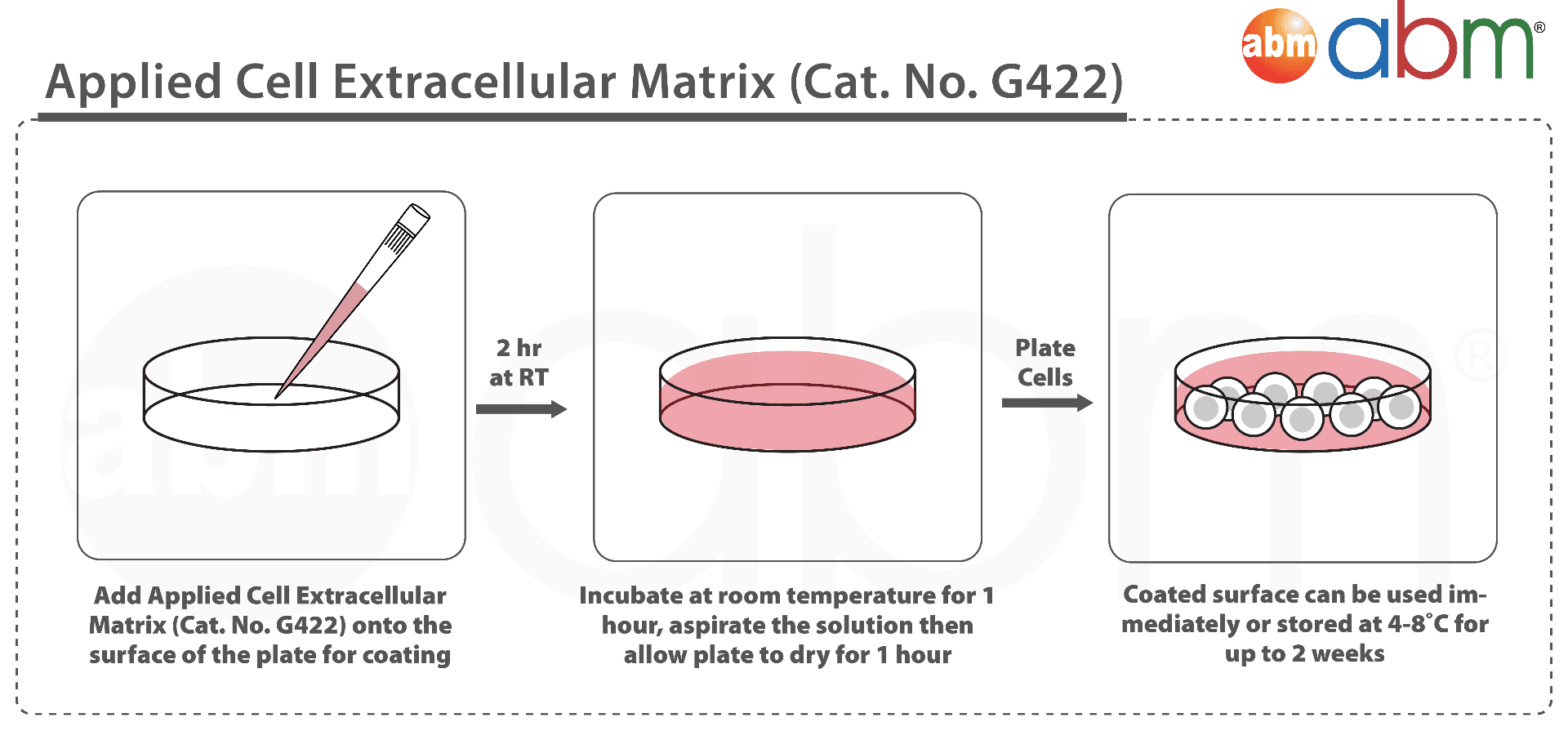


Showing 1 to 12 of 18 results
What are cell culture buffers and solutions?
Cell culture buffers and balanced salt solutions are isotonic solutions used to wash, dilute, transport, and temporarily maintain cells outside of complete growth media. Unlike culture media, these solutions do not contain the nutrients and growth factors required for cell proliferation. Instead, their primary role is to maintain physiological pH and osmotic balance while protecting cells from stress during handling and experimental procedures.
The most commonly used cell culture buffers include PBS (Phosphate-Buffered Saline), DPBS (Dulbecco's Phosphate-Buffered Saline), HBSS (Hank's Balanced Salt Solution), and EBSS (Earle's Balanced Salt Solution). These solutions are widely used in cell washing, passaging, tissue dissociation, sample preparation, immunoassays, and short-term cell maintenance.
What you will find:
- Standard Isotonic Buffers to wash cells, maintain osmotic balance, and dilute reagents.
- Biological Buffering Agents for metabolic support and pH maintenance.
- Cell Dissociation & Neutralizing Reagents maintain high cell viability and are used for cell recovery, detachment, and passaging
- Surface Coating & Matrix Solutions with high-grade gelatin for improved cell attachment.
- Insulin-Transferrin-Selenite (ITS), Bovine Serum Albumin (BSA), and high-purity Holo-Transferrin for enhanced cell growth and viability
How to choose cell culture buffers and solutions
PBS vs. DPBS
PBS is a simple sodium chloride/phosphate buffer solution. DPBS adds potassium chloride and may include calcium, magnesium, glucose, and pyruvate depending on formulation. The practical difference between PBS and DPBS formulations is minimal — both maintain pH 7.2-7.4 and osmolality ~280-315 mOsm/kg and are functionally interchangeable for standard washing, immunoassay, and sample preparation applications. If your protocol is sensitive to minor salt concentration differences, compare specific formulation sheets rather than assuming equivalence.
Calcium/magnesium-free vs. calcium/magnesium-containing
Calcium and magnesium facilitate cell-cell and cell-surface adhesion. Calcium/magnesium-free PBS, DPBS, or HBSS is required: before enzymatic dissociation (residual Ca/Mg inhibits trypsin, requiring more enzyme and harsher conditions — the most common cause of poor trypsinization results), for rinsing EDTA or other chelators from culture, and for minimizing cell-cell aggregation during gentle dissociation or suspension recovery. Calcium/magnesium-containing formulations support cell binding and clumping, useful for transport applications or attachment-dependent procedures.
HBSS/EBSS vs. PBS/DPBS for short-term maintenance
HBSS and EBSS include sodium bicarbonate buffering and may include glucose, providing meaningfully better short-term physiological support for cells — particularly under CO₂ atmosphere — than the simpler PBS/DPBS formulations. Use HBSS/EBSS when cells need to remain viable for a meaningful period outside complete growth media (tissue dissociation workflows, transport, short-term holding). Use PBS/DPBS for washing steps, immunoassay/Western blot dilutions, and sample preparation where osmotic balance — not metabolic support — is the requirement.
Phenol red and glucose/pyruvate variants
DPBS and HBSS are available with or without phenol red and with or without glucose/pyruvate, allowing matching to downstream applications (phenol red-free for fluorescence work; glucose/pyruvate-containing for short-term metabolic support).
Endotoxin and quality testing
Regular quality testing of balanced salt solutions includes osmolality, pH, stability, and screening for endotoxins and bacterial/fungal contamination. For immune cell handling and other endotoxin-sensitive applications, premium formulations document endotoxin levels below 0.005 EU/mL — a meaningfully tighter specification than standard research-grade buffers.
Powder vs. liquid format
Powdered balanced salt solutions are manufactured without sodium (to avoid sodium bicarbonate off-gassing during storage), requiring sodium bicarbonate addition, pH adjustment, and sterile filtration at time of preparation — following the same principle as powdered classic media.Specifications context
Specifications context
Most balanced salt solutions are formulated to maintain physiological conditions with a pH of approximately 7.2–7.4 and osmolality ranging from about 280–315 mOsm/kg. These properties help minimize osmotic stress and maintain cell viability during handling.
Calcium- and magnesium-free DPBS remains one of the most commonly specified buffers for cell dissociation workflows because it improves the effectiveness of trypsin and other detachment enzymes. HBSS and EBSS continue to be widely used when short-term metabolic support is required outside complete growth media.
Contact the expert team at MBP today to get high-purity buffers and solutions for your lab.
FAQ