Cell Culture Antibiotics and Antimycotics for Contamination Control
Cell culture antibiotics prevent bacterial and fungal contamination during routine culture: Penicillin-Streptomycin (50–100 IU/mL penicillin, 50–100 µg/mL streptomycin, broad-spectrum Gram-positive and Gram-negative coverage), Antibiotic-Antimycotic 100X (10,000 U/mL penicillin, 10,000 µg/mL streptomycin, 25 µg/mL amphotericin B), Amphotericin B/Fungizone (0.25–2.5 µg/mL antifungal), and Gentamicin (5–50 µg/mL, room-temperature stable). Most require −20°C storage except gentamicin. Many researchers culture without antibiotics to avoid masking contamination. MBP ships to labs across the United States, Canada, and internationally with PO and Quick Order at mbpinc.net.
Explore available cell culture antibiotics and antimycotics or request a quotation by contacting customerservice@mbpinc.net. Our team can help identify the optimal contamination-control reagents for your cell culture workflow.
Antibiotics






Showing 1 to 12 of 20 results
What are classic cell culture media?
Classic cell culture media refers to the foundational basal medium formulations that have underpinned mammalian cell culture since the mid-20th century: DMEM (Dulbecco's Modified Eagle Medium), MEM (Minimum Essential Medium), RPMI 1640, Ham's Nutrient Mixtures F-10 and F-12, IMDM (Iscove's Modified Dulbecco's Medium), and the combination formulation DMEM/F-12. Each is manufactured according to its originally published formula, with modifications limited to those necessary for consistent performance and stability of the medium over its shelf life. These media supply the amino acids, vitamins, glucose, salts, and (in most formulations) phenol red pH indicator that form the nutritional backbone of essentially all subsequent specialty, serum-free, and Advanced media derivatives.
What you will find:
- Selective Mammalian Antibiotics including Puromycin, Geneticin, and Hygromycin B for stable development of cell lines.
- Broad-Spectrum Bactericidal Agents for routine contamination prevention, including Penicillin/Streptomycin and Gentamicin
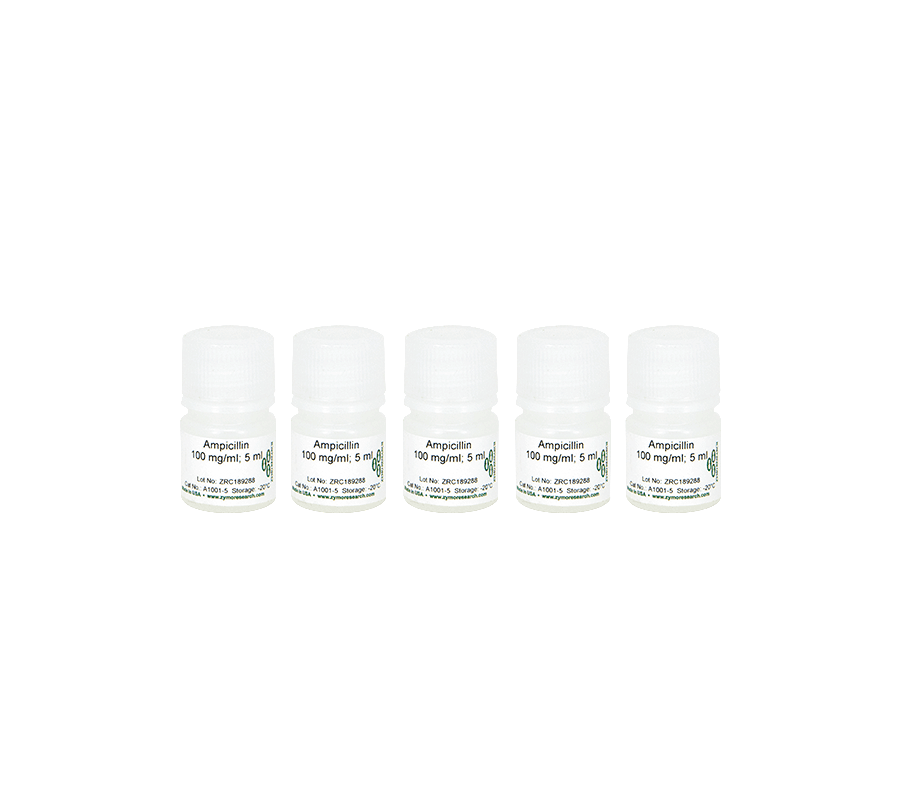
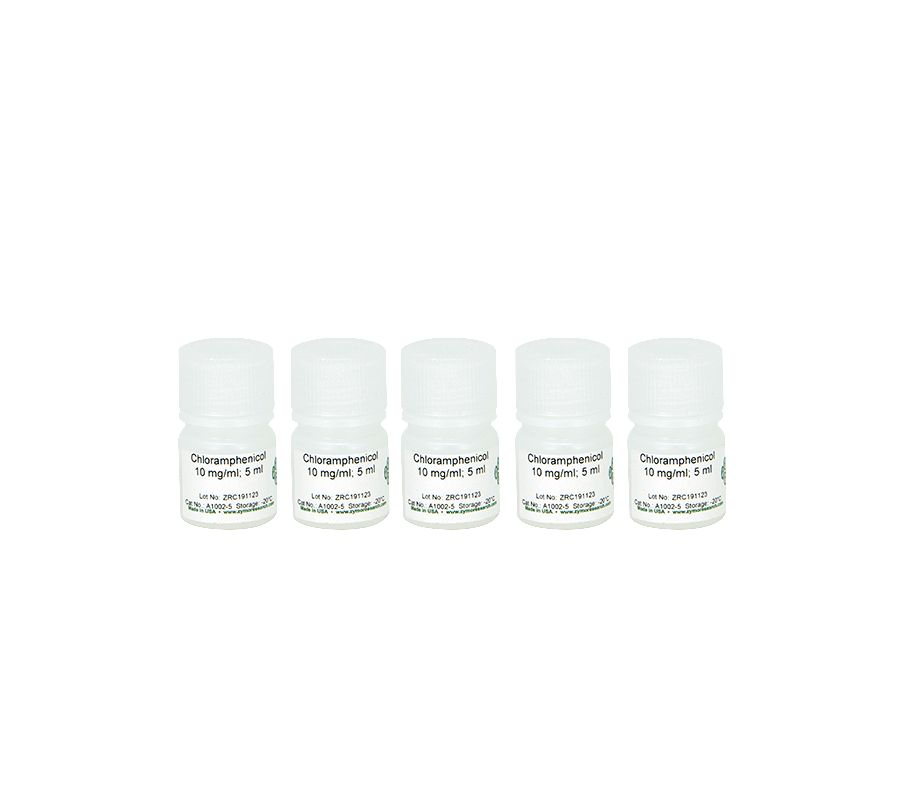
- Prokaryotic Selection Reagents for effective bacterial transformation, including Ampicillin, Kanamycin, Chloramphenicol, and Tetracycline
- Antifungal and Antimycotic Solutions to maintain sterile cultures, including combined 100X cocktails and Amphotericin B (Fungizone)
- Specialized Small Molecules for targeted biochemical assays, including Ganciclovir, Rapamycin, and Actinomycin D
How to choose a classic medium
DMEM vs MEM
DMEM contains up to four times the amino acid and vitamin concentration of original Eagle's MEM, along with higher glucose levels, making it suitable for cell types with elevated nutrient demands — DMEM is broadly applicable across mammalian, insect, and plant cell phenotypes including primary cells, stem cells, and transformed lines. MEM remains widely used for monolayer culture of many standard cell types, with optional Hanks' or Earle's salt formulations and a calcium-free modification that permits suspension growth.
RPMI 1640 for suspension and hematopoietic culture
RPMI 1640, developed at the Roswell Park Memorial Institute for culturing human leukemic cells, is optimized for non-adherent cell types — lymphocytes and other blood cells — and contains glutathione plus higher biotin, B12, and PABA concentrations than DMEM or MEM. Despite its hematopoietic origin, RPMI 1640 supports a broad range of adherent lines (HeLa, T47D, RENCA, CT26.WT) when properly supplemented.
Ham's F-10/F-12 for CHO and specialized applications
Ham's nutrient mixtures were originally developed for CHO cell clones, HeLa cells, and mouse L-cells, and remain suited to hepatocyte culture, viral fusion experiments, and toxicity assays, with formulations available for use with or without serum. Coon's modification of Ham's F-12 roughly doubles the amino acid and pyruvate content and adds ascorbic acid, developed specifically for hybrid cells produced by viral fusion.
DMEM/F-12 for complex, rich-medium applications
DMEM/F-12 (1:1 mixture) combines DMEM's glucose, amino acid, and vitamin richness with Ham's F-12's zinc, putrescine, hypoxanthine, and thymidine, producing an extremely rich complex medium used for MDCK cells, glial cells, fibroblasts, and human endothelial cells — and serving as the basal medium for many serum-free Advanced formulations used in organoid and stem cell work.
IMDM for high-density rapid proliferation
IMDM further enriches DMEM with additional amino acids and vitamins, substituting potassium nitrate for ferric nitrate and adding HEPES and sodium pyruvate. IMDM's sodium bicarbonate buffer system (5–10% CO₂) and enriched composition make it well suited for rapidly proliferating, high-density cultures including Jurkat, COS-7, and macrophage cells.
Liquid vs. powder format
Liquid classic media are ready to use (after appropriate FBS and supplement addition) and include sodium bicarbonate in the formulation. Powdered media are manufactured without sodium bicarbonate, since it tends to off-gas in powder form — 3.7 g/L sodium bicarbonate must be added upon reconstitution, followed by sterile filtration. Powder formats offer cost and shipping-weight advantages for high-volume labs preparing their own media.
Specifications context
Classic media are manufactured according to originally published formulas, with stability-related modifications documented per product. DMEM's sodium bicarbonate buffer system at 3.7 g/L is standard across liquid formulations; powdered formats require this addition upon reconstitution along with 0.22 µm sterile filtration. As of 2026, DMEM, DMEM/F-12, and RPMI 1640 remain the three most widely specified classic media across academic and biomanufacturing labs, with IMDM increasingly used for high-density suspension applications in bioprocessing.
For recombinant growth factors and cytokines used alongside classic media, see Recombinant Proteins. For supplementation reagents (GlutaMAX, NEAA, sodium pyruvate, HEPES), see Cell Culture Supplements & Additives. Browse Mammalian Cell Culture for the broader category.
Contact the expert team at MBP to get highly efficient microbial control solutions for your lab.
FAQ