Product Filters

Transformation Kits and Competent Cells for Plasmid Introduction and Cloning Workflows


Transformation kits and competent cells provide chemically competent and electrocompetent E. coli strains, along with transformation buffers and protocols, for introducing plasmid DNA into bacteria following a cloning reaction. General cloning strains prioritize transformation efficiency and plasmid stability, while protein expression strains are optimized for recombinant protein production. Academic researchers selecting a competent cell strain for a cloning or expression project can use MBP's specialist team to confirm strain genotype compatibility with their vector and downstream application.

Explore available transformation kits and competent cells or request a quotation by contacting customerservice@mbpinc.net. Our team can help identify the appropriate E. coli strain, transformation method, and workflow for your cloning, plasmid propagation, or protein expression application.

Transformation Kits & Competetent Cells
Per Page:
Sort By:
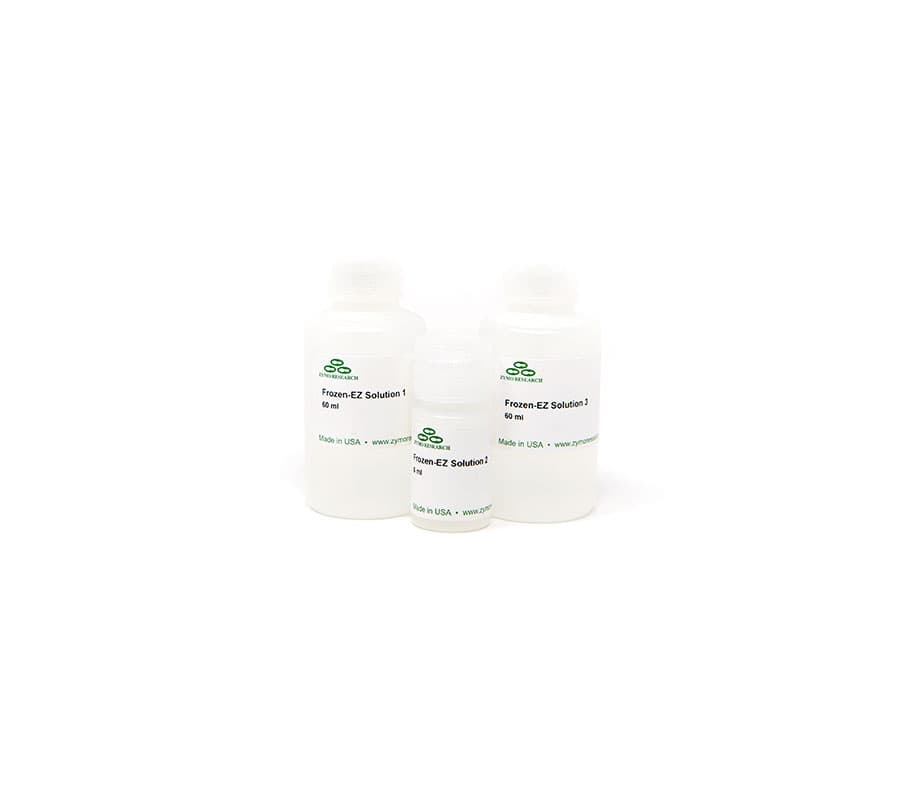
Frozen-EZ Yeast Transformation II™ Kit (120 Rxns.)
List Price:
USD166.25
Online Price:
USD118.75
Your Price:
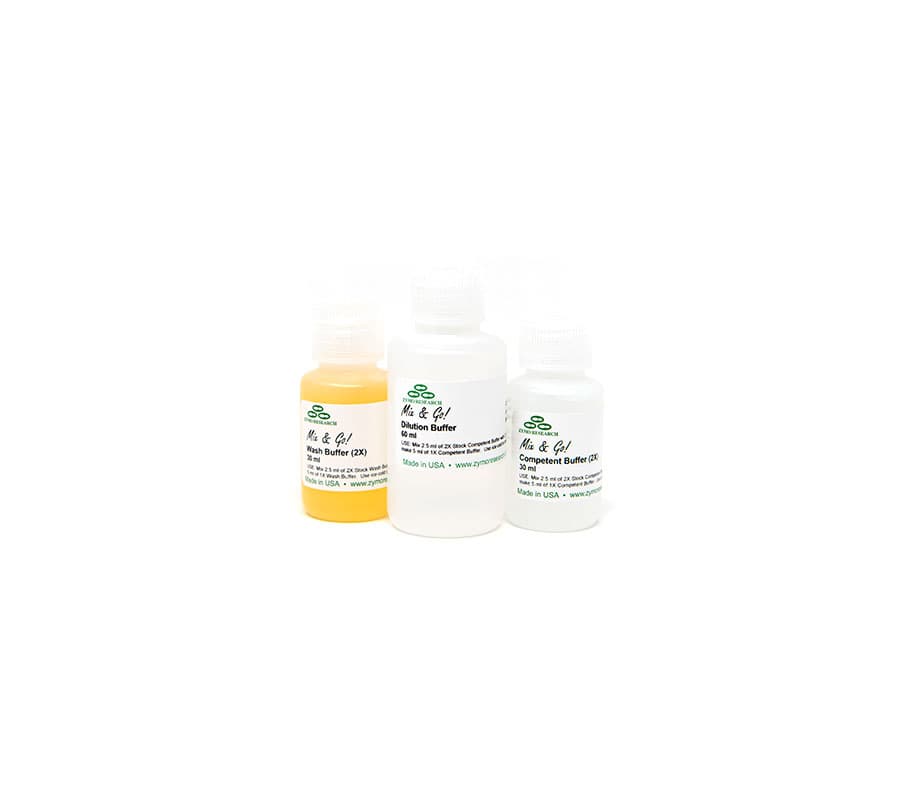
Mix & Go! Competent Cells - DH5 Alpha
List Price:
USD206.15 - USD790.02
Online Price:
USD147.25 - USD564.30
Your Price:
Mix & Go! Competent Cells - HB101
List Price:
USD206.15 - USD790.02
Online Price:
USD147.25 - USD564.30
Your Price:
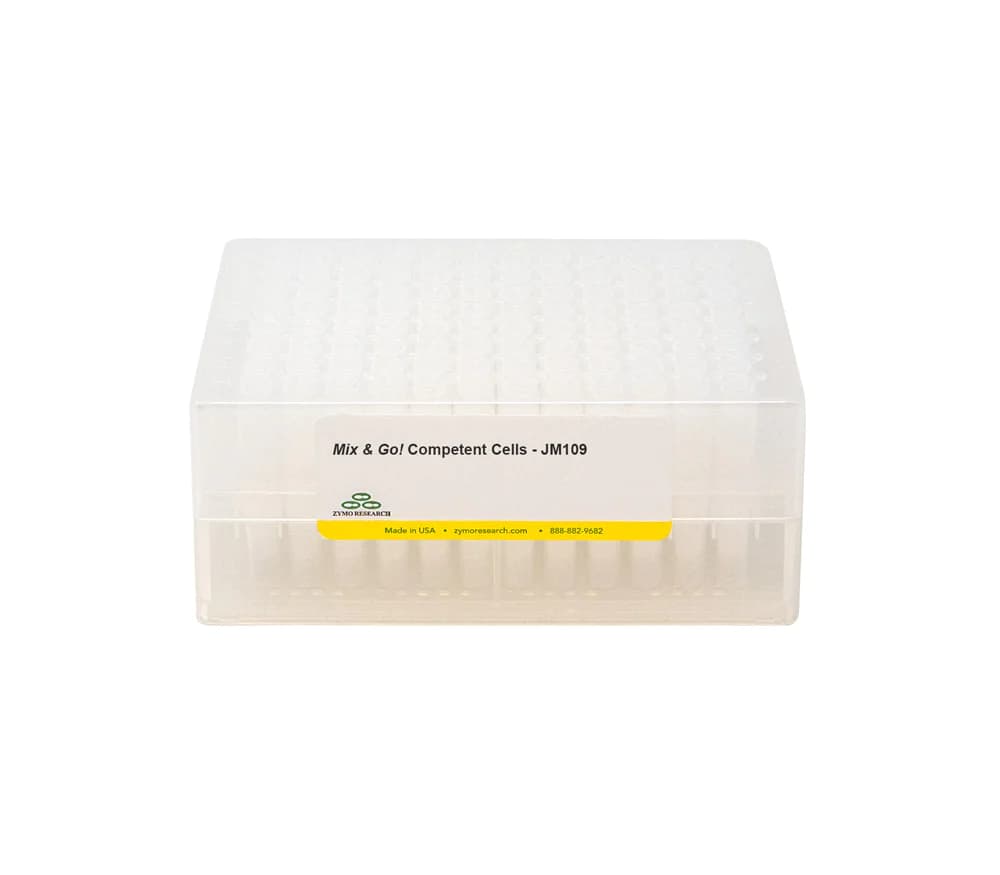
Mix & Go! Competent Cells - JM109
List Price:
USD206.15 - USD790.02
Online Price:
USD147.25 - USD564.30
Your Price:
Mix & Go! Competent Cells - TG1 (10 x 100 µl)
List Price:
USD206.15
Online Price:
USD147.25
Your Price:
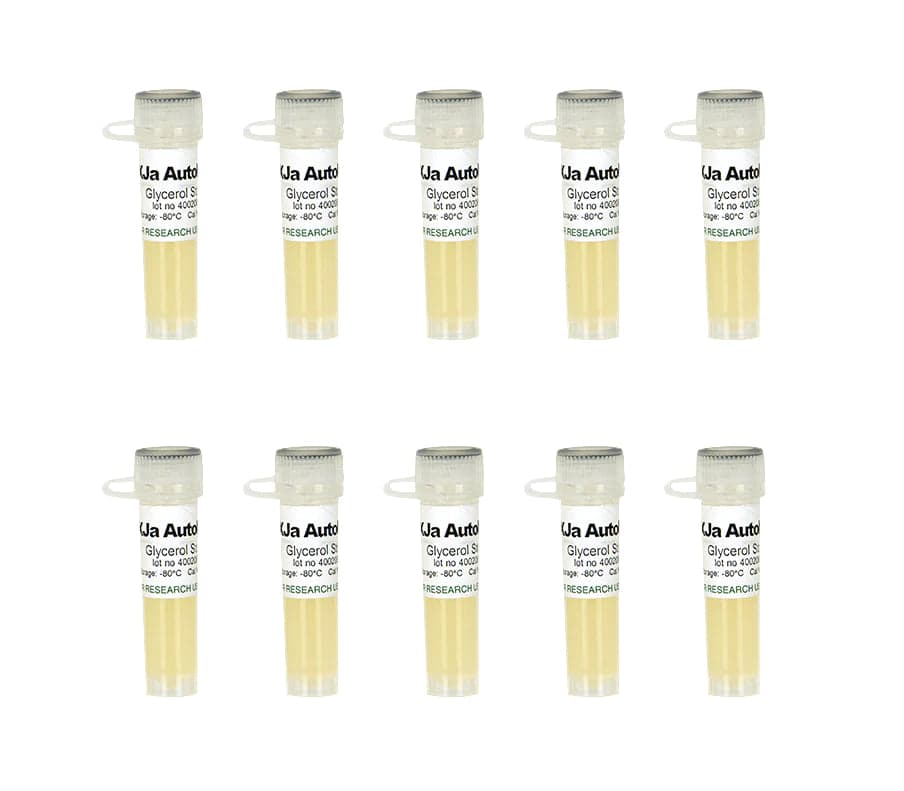
Mix & Go! Competent Cells - XJa Autolysis (10 x 100 µl)
List Price:
USD349.79
Online Price:
USD249.85
Your Price:
Mix & Go! Competent Cells - XJa(DE3) Autolysis (10 x 100 µl)
List Price:
USD349.79
Online Price:
USD249.85
Your Price:
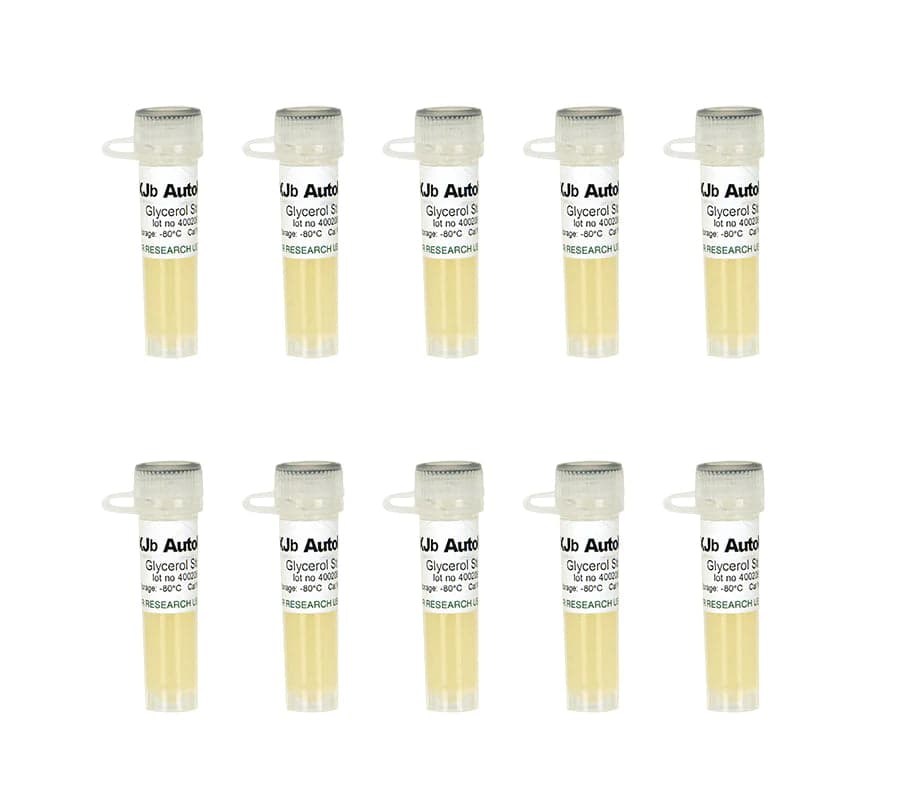
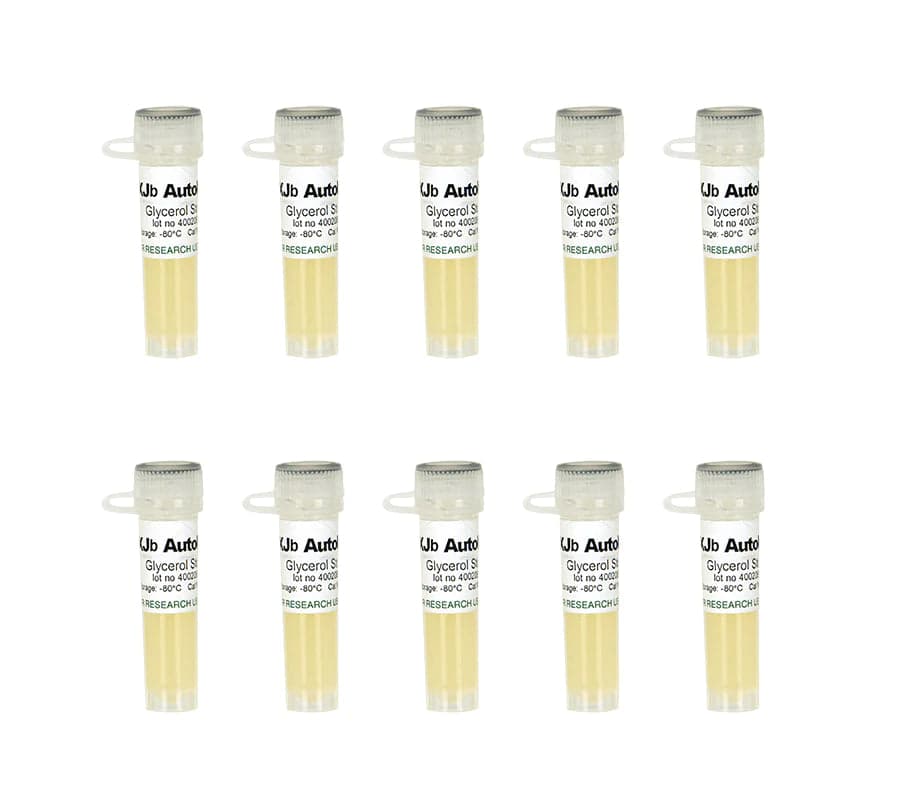
Mix & Go! Competent Cells - XJb Autolysis (10 x 100 µl)
List Price:
USD349.79
Online Price:
USD249.85
Your Price:
Mix & Go! Competent Cells - XJb(DE3) Autolysis (10 x 100 µl)
List Price:
USD349.79
Online Price:
USD249.85
Your Price:
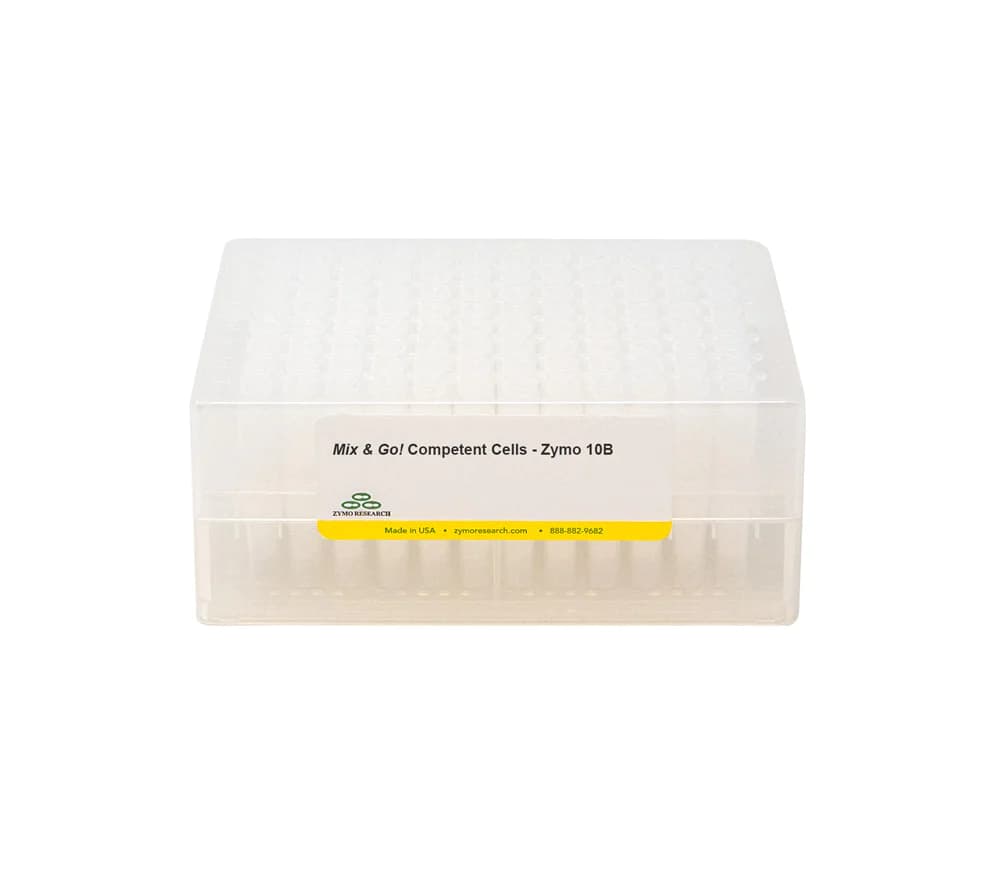
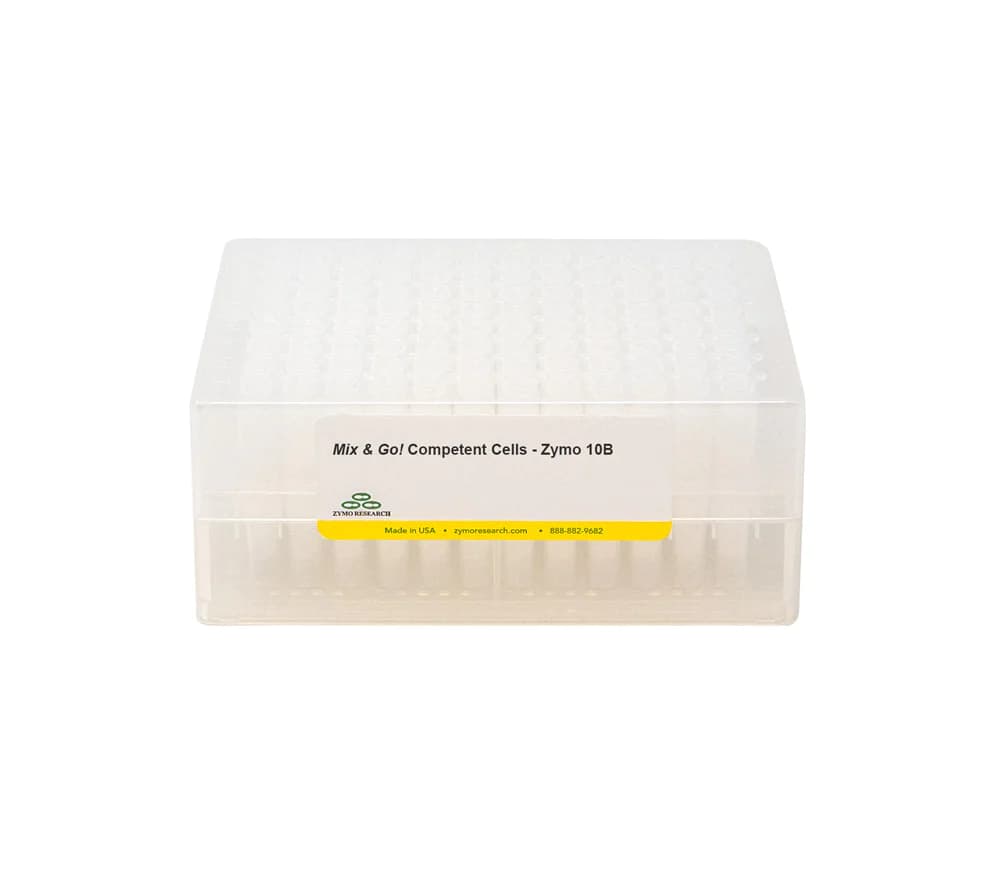
Mix & Go! Competent Cells - Zymo 10B
List Price:
USD206.15 - USD790.02
Online Price:
USD147.25 - USD564.30
Your Price:
Mix & Go! E. coli Transformation Kit (up to 20 ml)
List Price:
USD182.21 - USD199.50
Online Price:
USD130.15 - USD142.50
Your Price:
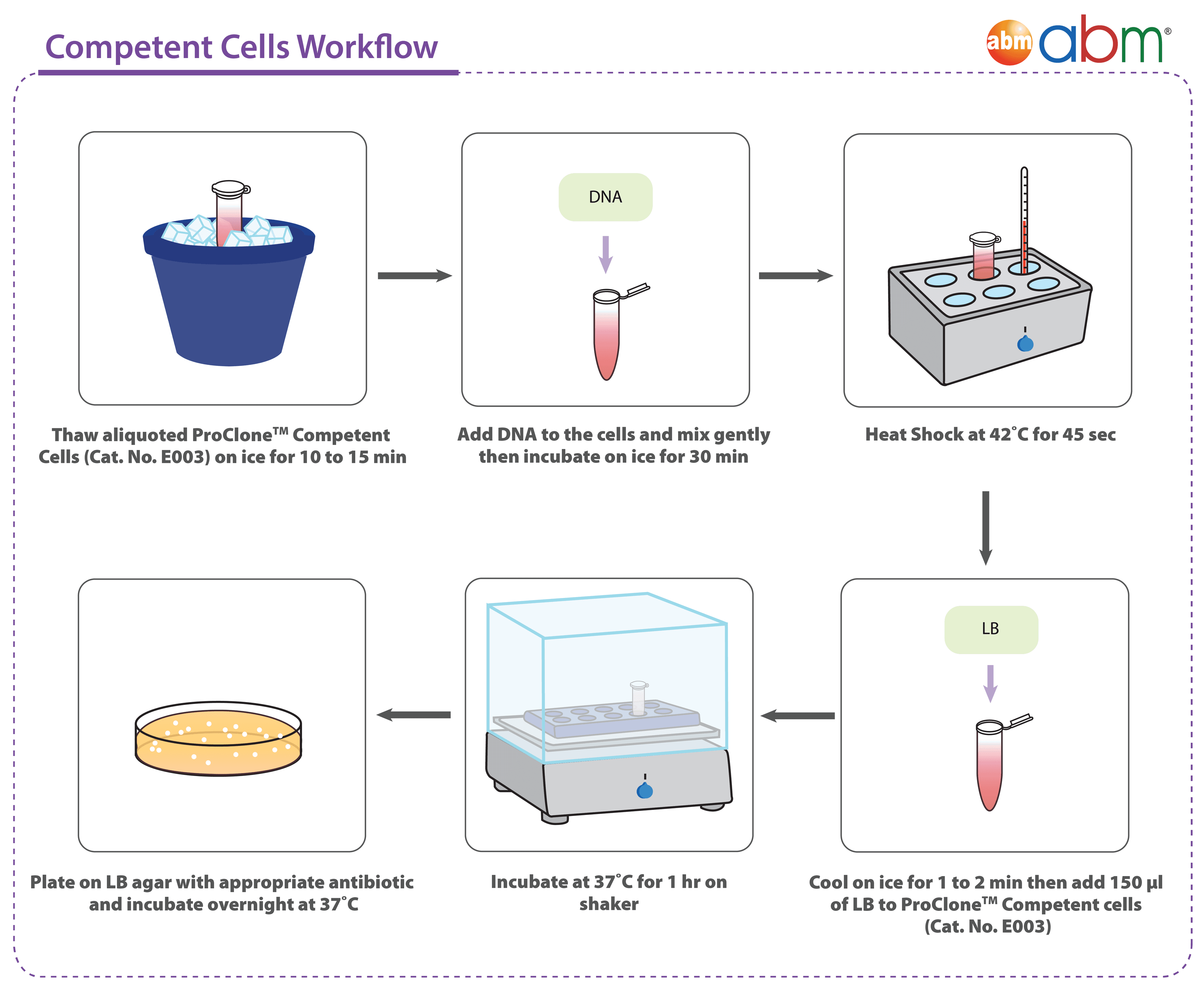
ProClone™ Competent Cells
List Price:
USD147.99
Online Price:
USD105.71
Your Price:

Showing 1 to 12 of 12 results

What are transformation kits and competent cells?


Transformation kits and competent cells consist of E. coli strains prepared to take up exogenous plasmid DNA, either through chemical competence (calcium chloride treatment, transformed via heat shock) or electrocompetence (transformed via electroporation), along with associated transformation buffers and protocols. Related entities include transformation efficiency (transformants per microgram), heat-shock and electroporation methods, strain genotype (recA, endA deficiency for plasmid stability), and downstream plasmid recovery for sequencing or transfection.


What you will find:


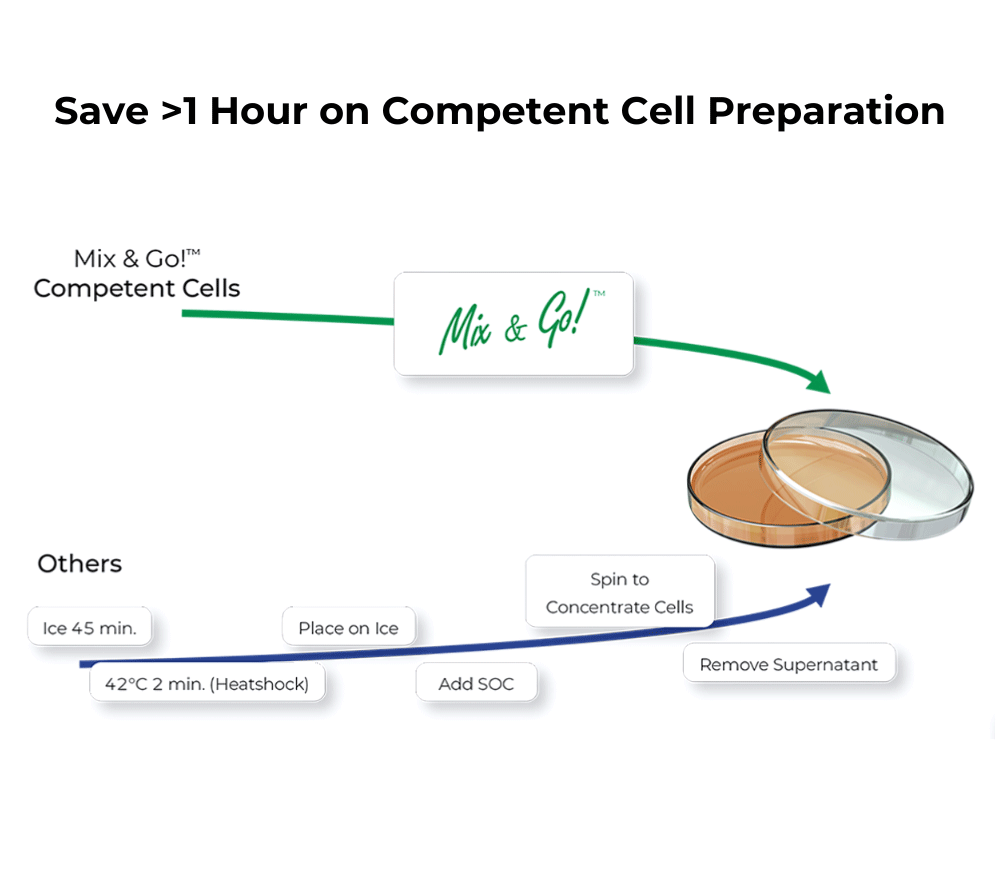
  • Mix & Go! Transformation Kits, rapid protocols for preparation of competent E. coli in 
  • ProClone™ Competent Cells with optimized E. coli strains for cloning and library generation.
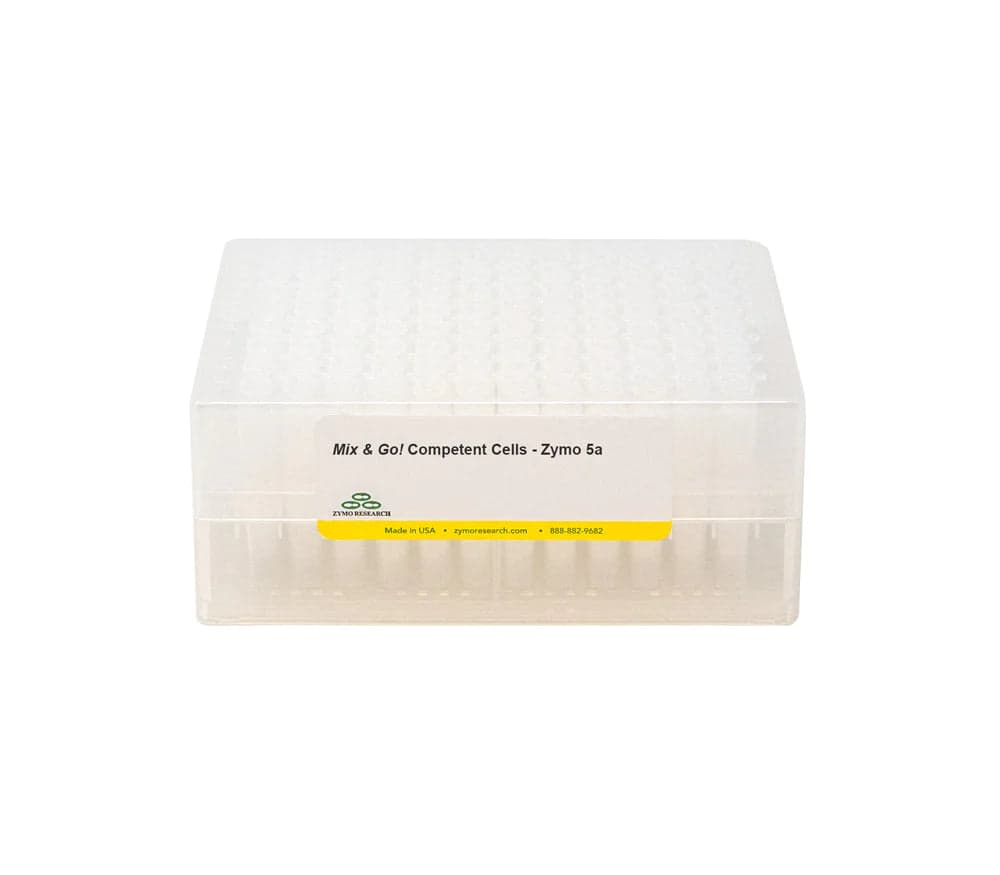
  • Specialized Competent E. coli Strains ready-made JM109, DH5 Alpha, and Zymo 10B cells for regular and complex assembly.
  • Autolysis Competent Cells: designed for simplified cell lysis and streamlined protein expression using XJa and XJb strains
  • Frozen-EZ Yeast Transformation Kits for genetic manipulation of yeast strains.


How to choose transformation kits and competent cell products


Chemically competent vs. electrocompetent cells

Chemically competent cells use a heat-shock protocol and are generally easier to handle for routine cloning, while electrocompetent cells require an electroporator but can achieve higher transformation efficiency for large plasmids, low-copy constructs, or DNA with modifications that reduce chemical transformation efficiency.

General cloning strains vs. protein expression strains

General cloning strains are selected for high transformation efficiency and genetic features (such as recA and endA deficiency) that improve plasmid stability and quality for downstream sequencing, while protein expression strains carry features supporting recombinant protein production, such as T7 RNA polymerase expression for IPTG-inducible systems; using a cloning strain for protein expression (or vice versa) generally gives suboptimal results.

Transformation efficiency requirements

Routine cloning of standard-sized plasmids works well with competent cells rated at 10^6–10^8 transformants per microgram, while ligation reactions with very low DNA concentrations (such as multi-fragment seamless assembly products) may benefit from higher-efficiency cells rated above 10^8 transformants per microgram.

Transformation kits may include a positive control plasmid and competent cells for validating transformation efficiency before using precious experimental DNA; this is particularly useful when troubleshooting low transformation yields to distinguish competent cell quality issues from ligation or assembly reaction issues.


Specifications context


Competent cell transformation efficiency is reported in transformants per microgram of standard control plasmid DNA, with general cloning strains commonly rated at 10^6–10^8 and high-efficiency formulations exceeding 10^8 transformants per microgram. Cells are typically supplied as frozen aliquots (e.g., 50–100 microliters per tube) for single-use transformations, shipped on dry ice and stored at -80°C, with repeated freeze-thaw substantially reducing efficiency. 

This sub-category is part of MBP's cloning catalog alongside ligation independent cloning kits and chemicals/reagents, the upstream steps of a cloning workflow. Labs producing custom lentivirus for immortalization can also review MBP's cell immortalization catalog. MBP's specialist team can help confirm strain genotype and transformation efficiency requirements for a specific cloning or expression project before order placement.

Contact the expert team at MBP today and get high-quality transformation kits and competent cells for your lab.

FAQ

Chemically competent cells are prepared with calcium chloride treatment and transformed via a heat-shock protocol, generally easier to handle for routine cloning. Electrocompetent cells require an electroporator but can achieve higher transformation efficiency for large plasmids, low-copy constructs, or DNA with low concentration after multi-fragment assembly reactions.
General cloning strains are selected for high transformation efficiency and genetic features such as recA and endA deficiency that improve plasmid stability and sequencing quality, while protein expression strains carry features such as T7 RNA polymerase for IPTG-inducible recombinant protein production. Using a cloning strain for protein expression, or an expression strain for general cloning, generally gives suboptimal results for the intended application.
Multi-fragment seamless assembly products often have lower DNA concentrations than standard ligation products, so transformation efficiency above 10^8 transformants per microgram is often beneficial for these reactions. Routine cloning of standard restriction-ligation products generally works well with cells rated at 10^6-10^8 transformants per microgram.
Competent cells are typically supplied as frozen aliquots and should be stored at -80°C, with repeated freeze-thaw cycles substantially reducing transformation efficiency. Aliquoting cells into single-use volumes upon receipt and thawing briefly on ice immediately before use helps maintain efficiency across multiple transformation experiments.
recA deficiency reduces unwanted recombination between plasmid DNA and the host genome, improving plasmid stability, while endA deficiency reduces nuclease activity that can degrade plasmid DNA during preparation, improving plasmid quality for downstream sequencing. These genetic features are common in general cloning strains but not always present in protein expression strains.
A transformation kit with a positive control typically includes competent cells along with a control plasmid of known concentration, allowing the user to validate transformation efficiency before using experimental DNA. This is useful for troubleshooting low transformation yields by distinguishing competent cell quality issues from ligation or assembly reaction issues.
Electrocompetent cells can be used for routine cloning, but require an electroporator and careful handling to avoid arcing during electroporation, making chemically competent cells generally more convenient for standard restriction-ligation or single-fragment LIC products. Electrocompetent cells offer a clearer advantage for large plasmids or low-concentration multi-fragment assembly products.
Standard transformations typically use 1-10 nanograms of purified plasmid DNA or a small volume (1-5 microliters) of a ligation or assembly reaction directly, depending on the competent cell efficiency and DNA concentration. Using more DNA than recommended can sometimes reduce transformation efficiency due to inhibitory components carried over from the assembly reaction.
Standard research-grade competent cells are labeled research use only (RUO) and are used to produce research-grade plasmid DNA. GMP-grade plasmid production for clinical or therapeutic vector manufacturing generally requires qualified bacterial strains and processes beyond standard research-grade competent cells, along with appropriate regulatory documentation.
We provide the highest quality of products and anytime customer service.
Featured Categories
    online payment
    online payment
    fast delivery
    fast delivery
    technical support
    technical support
    24/7 support
    24/7 support
    copy right
    2026 All Right Reserved