Microscopes, Balances, and Analytical Equipment for Research
Microscopes, balances, and analytical equipment are the core observation and measurement instruments of the research laboratory, enabling cell and tissue imaging, precise mass determination, spectroscopic analysis, and quantitative sample characterization. This category includes light microscopes (inverted, stereo, and compound), analytical and precision balances, and related analytical instrumentation for research, pharmaceutical, and clinical diagnostic applications.
MBP is a registered vendor for Howard Hughes Medical Institute, Vanderbilt University, and MD Anderson Cancer Center, providing purchase order procurement for analytical instruments across the USA and Canada. Request a quote by contacting customerservice@mbpinc.net.
Microscopes, Balances & Analytical Equipment
Showing 61 to 72 of 86 results
What Is Microscopes, Balances and Analytical Equipment?
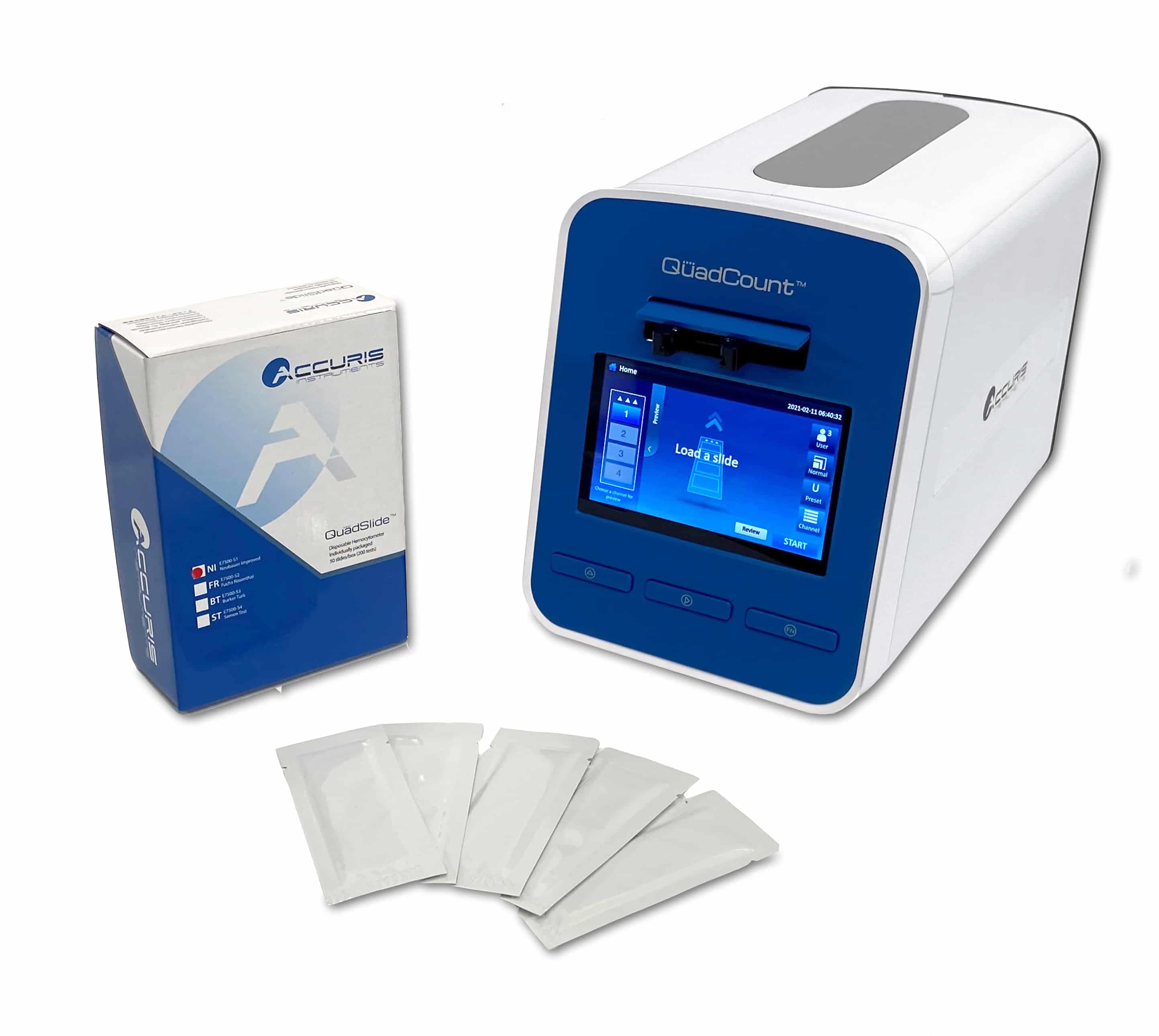
Microscopes, balances, and analytical instruments are the quantitative and observational tools that convert biological, chemical, and material samples into data. Microscopes generate spatial information, resolving cell morphology, tissue architecture, subcellular organelle distribution, fluorescent reporter localization, and surface topography at resolutions from a few micrometers (light microscopy) to nanometers (electron microscopy). Laboratory balances generate mass data: analytical balances at 0.1 mg (0.0001 g) readability for stoichiometric reagent preparation and pharmaceutical formulation, precision balances at 1 mg to 0.1 g for routine weighing and quality control. Analytical instruments in this category include spectrophotometers, microplate readers, pH meters, conductivity meters, particle size analyzers, and viscometers. Together, these instruments underpin the quantitative rigor of modern life science and analytical chemistry research. Microscopes reveal structure; balances measure mass; analytical instruments quantify chemical and physical properties; all three categories require calibration to national standards to be trusted as quantitative tools.
What you will find:
- Laboratory Balance: Precision weighing instruments for analytical, semi-micro, precision, portable, and high-capacity weighing applications, with options for internal or external calibration and routine laboratory measurements.
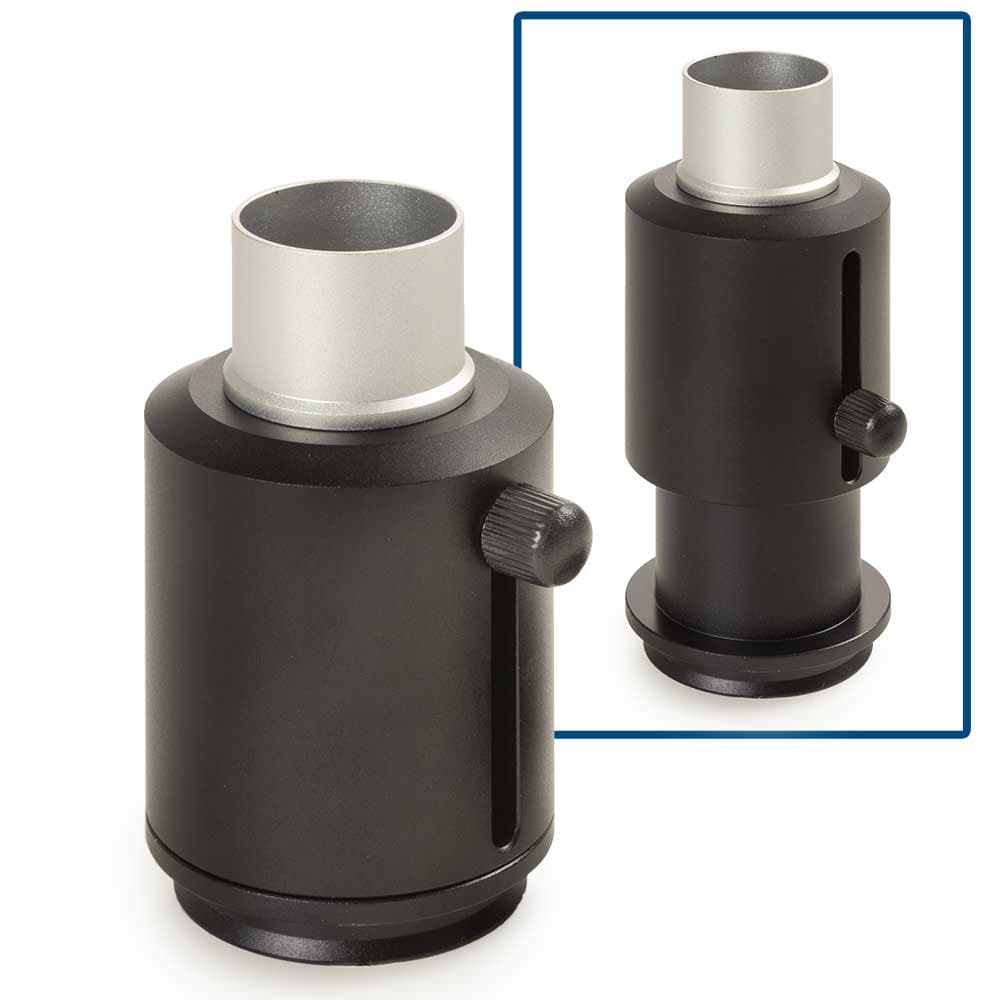
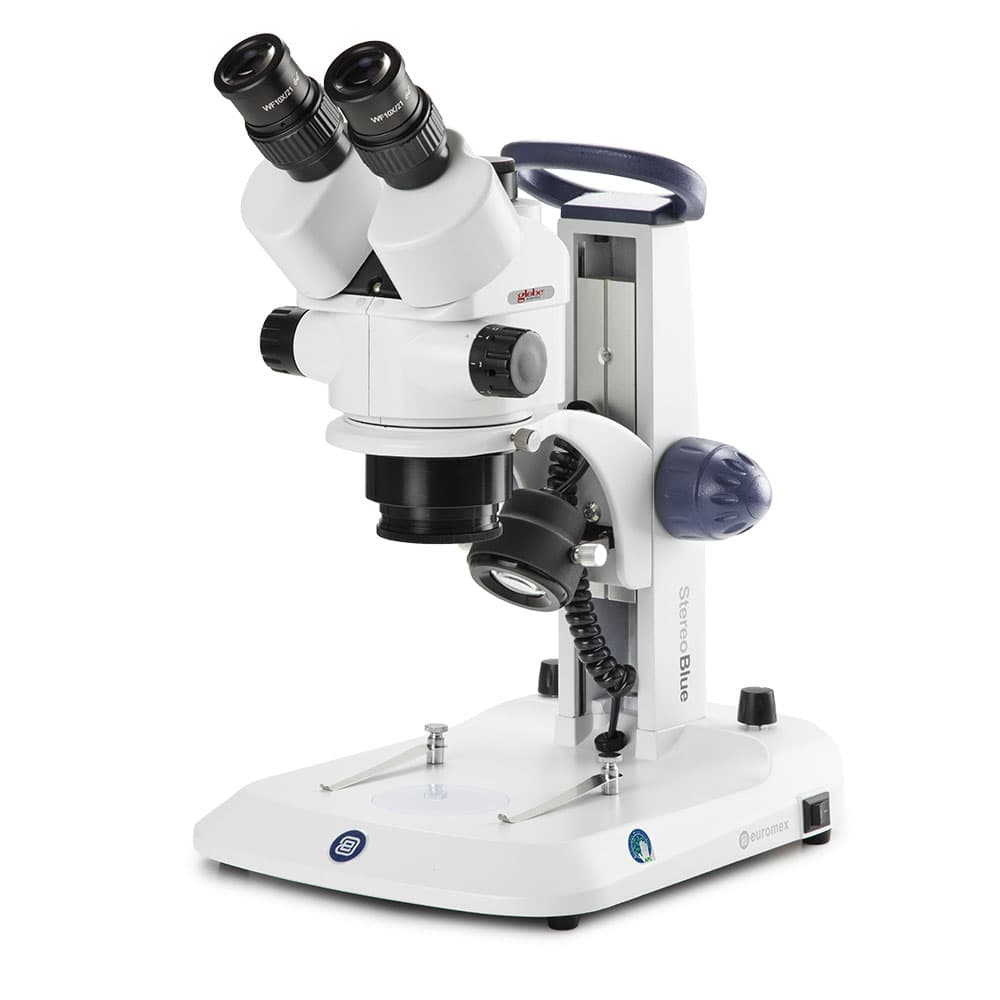
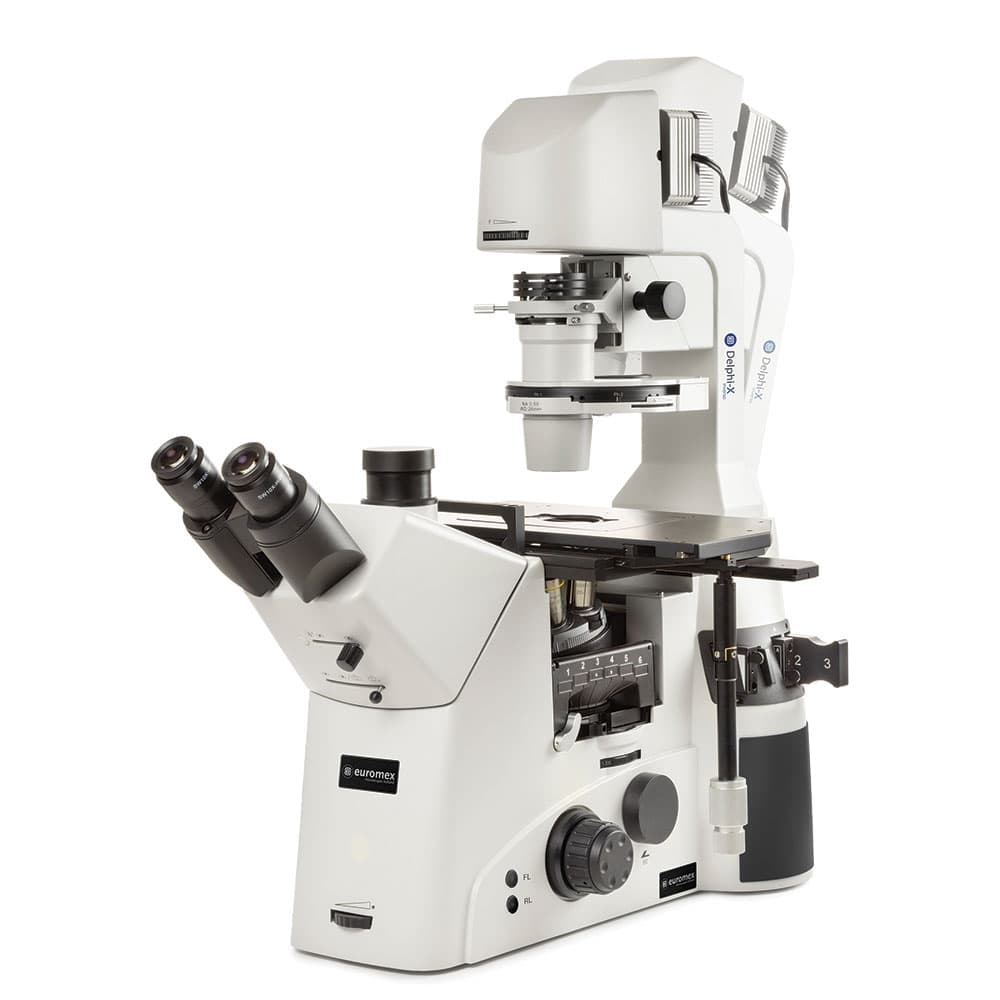
- Microscope: Optical microscopy systems for biological, educational, clinical, industrial, and materials science applications, including compound, stereo, and polarization microscope configurations.
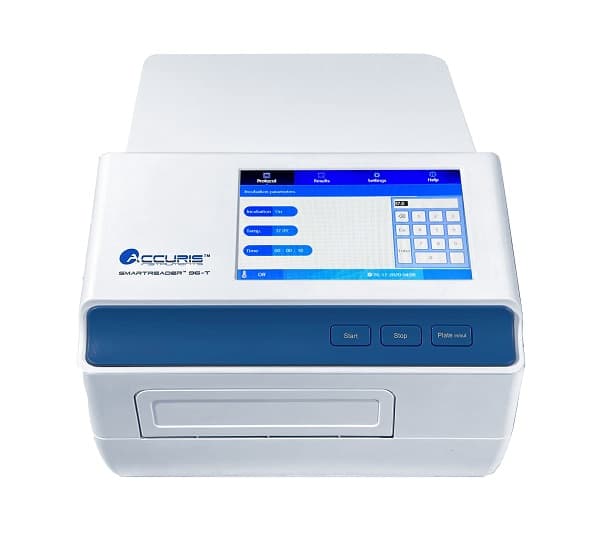
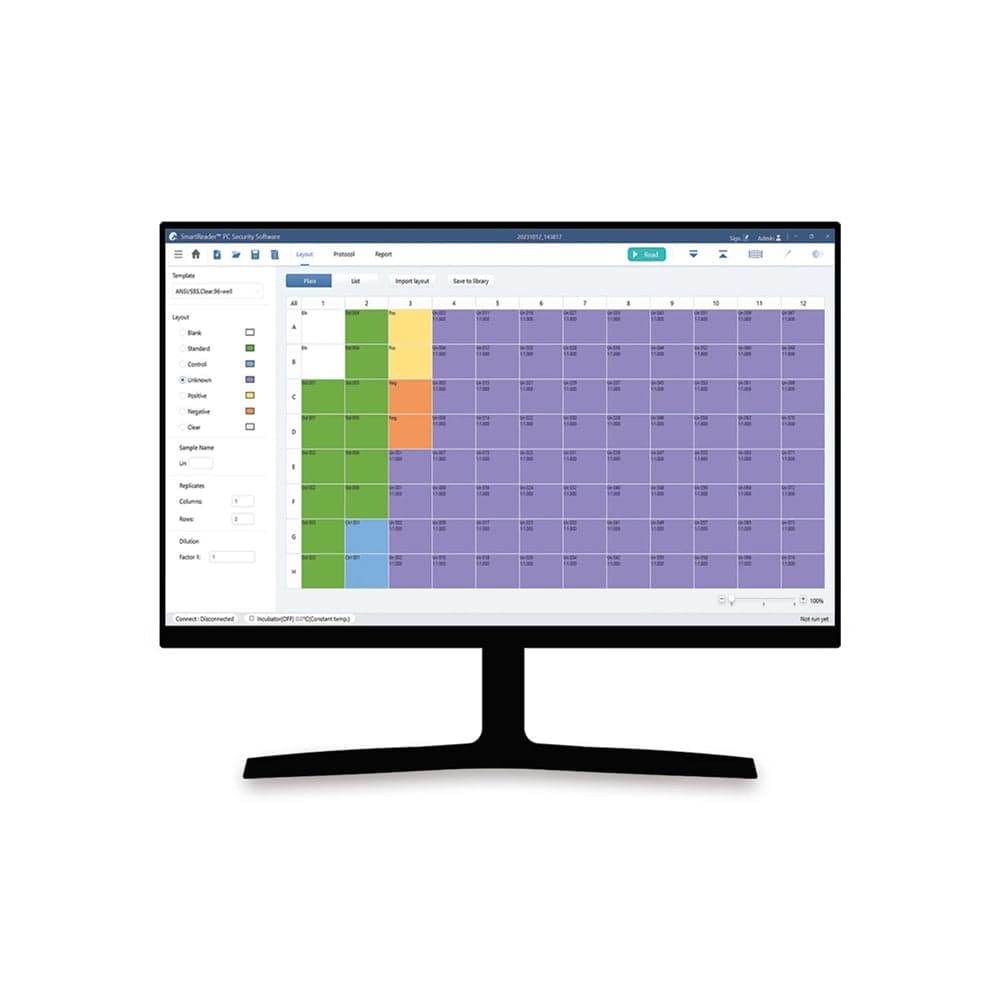
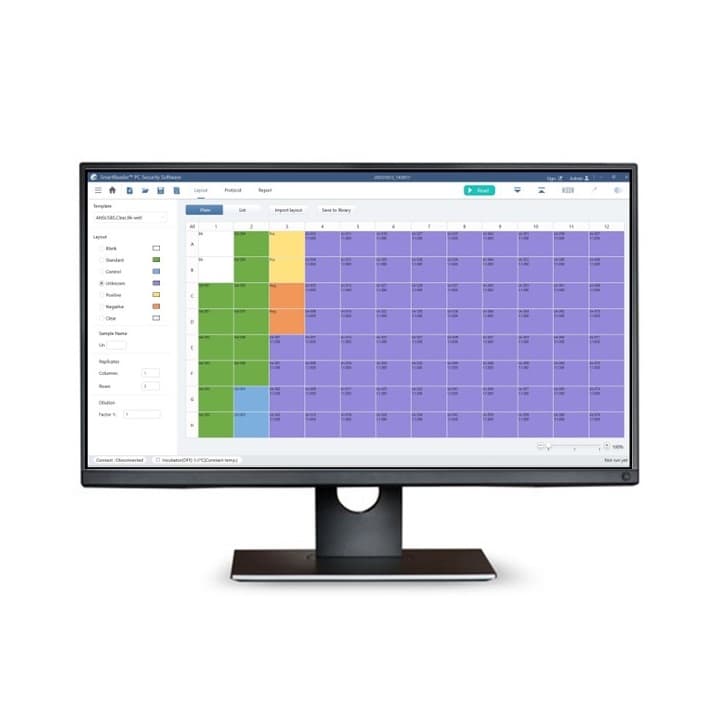
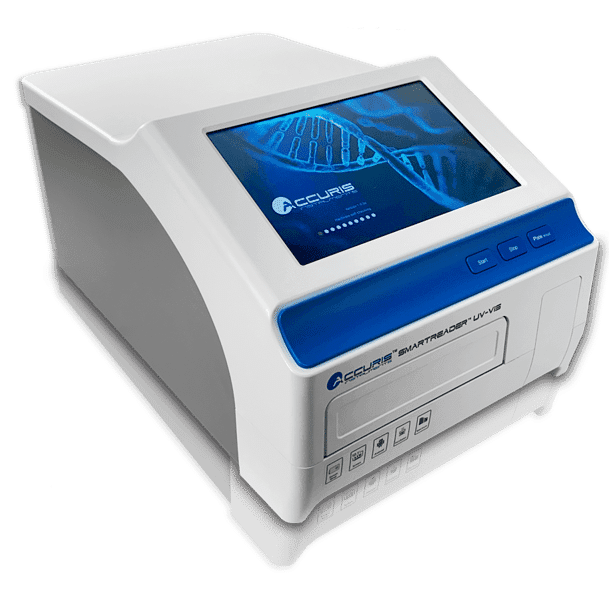
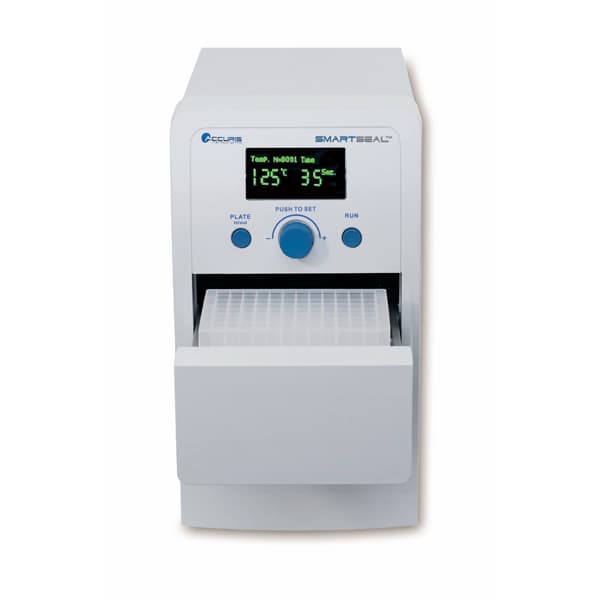
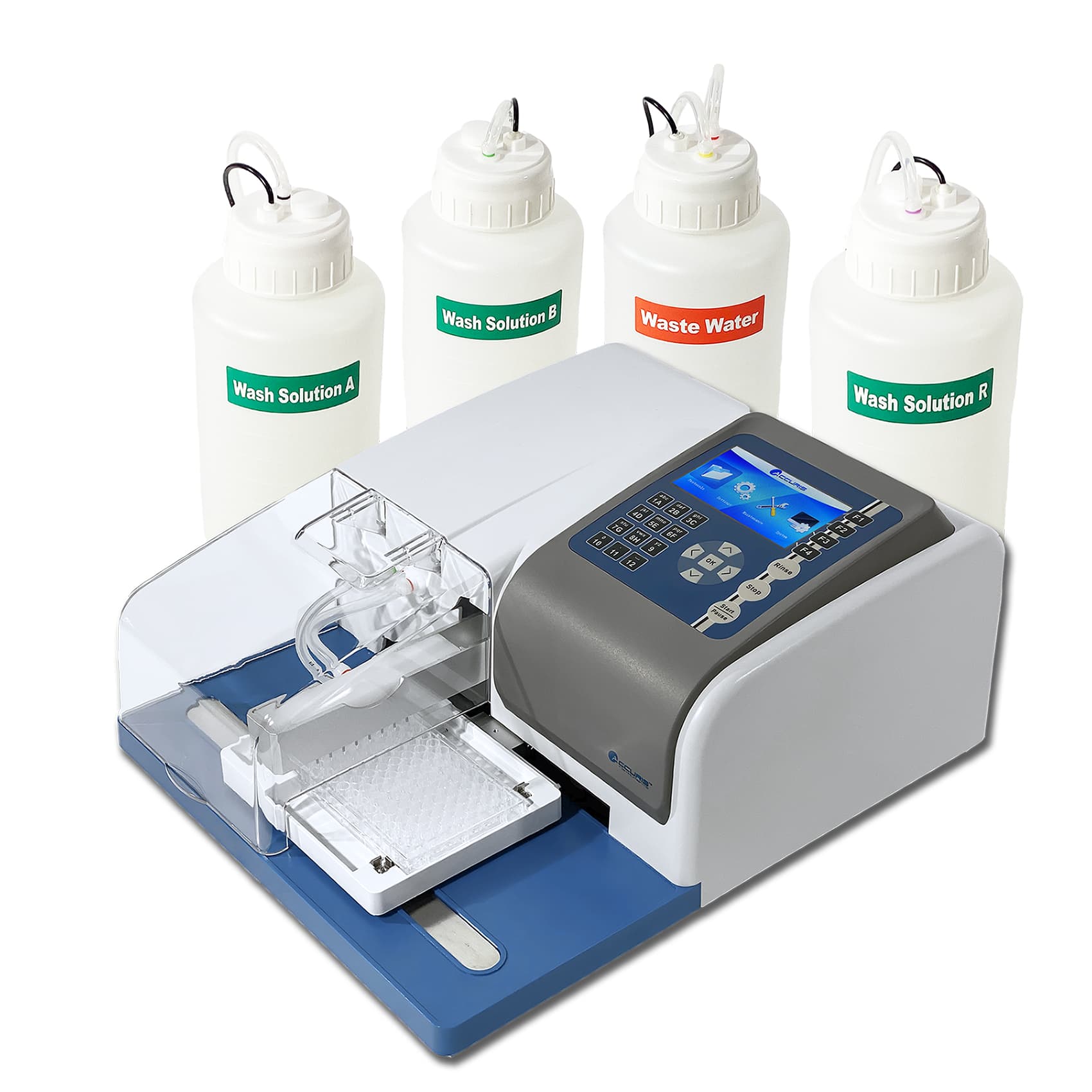
- Microplate Instrument: High-throughput microplate readers, washers, sealers, and related accessories designed for ELISA, absorbance, fluorescence, UV-Vis, cell-based, and other plate-based assay workflows.
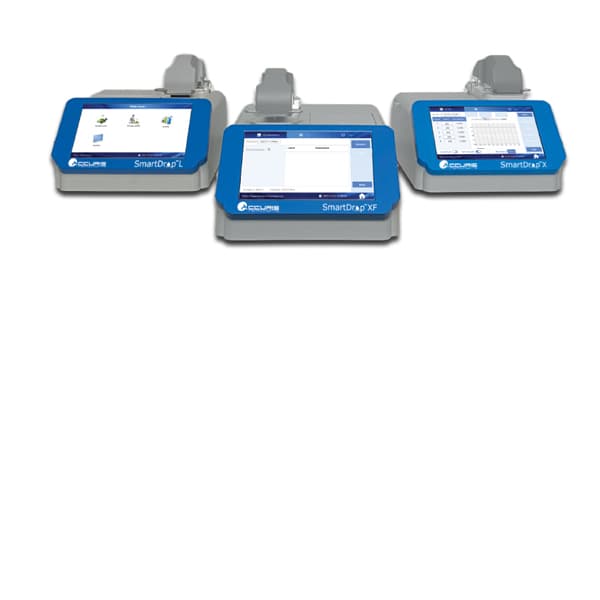
- Nano Spectrophotometer: Micro-volume UV-Vis spectrophotometers for rapid quantification and purity assessment of DNA, RNA, proteins, and other biomolecules using minimal sample volumes.
How to Choose Instruments in This Category
Microscopes: upright vs. inverted vs. stereo
Upright microscopes access samples from above and are the standard for histology, pathology, fixed-tissue slides, and smear preparations placed on the stage in coverslip-mounted format. Inverted microscopes access samples from below and are required for cell culture in dishes, flasks, and microplates; the standard configuration for mammalian cell biology. Stereo (dissecting) microscopes provide a three-dimensional view of solid samples at 7x to 45x magnification (or up to 270x on high-end zoom models) and are used for dissection, tissue manipulation, and surface inspection. Fluorescence capability (epi-fluorescence) is an add-on available for all three configurations; confocal and super-resolution systems are specialized imaging platforms.
Balances: readability and capacity
Analytical balances (0.1 mg readability, up to 520 g capacity) are required for quantitative chemistry, pharmaceutical weighing, and accurate stoichiometric calculations. Semi-micro balances (0.01 mg readability) serve trace weighing and microformulation. Precision (top-loading) balances (1 mg to 0.1 g readability, up to 6 kg capacity) serve routine weighing, media preparation, and quality control. Select readability based on the smallest mass increment that matters for the application, and capacity based on the maximum sample-plus-container mass to be weighed.
Analytical instruments: application-specific selection
Analytical instrument selection depends entirely on the measurement required. UV-Vis spectrophotometers measure absorbance from 190 to 1100 nm for nucleic acid and protein quantification, enzymatic assays, and colorimetric chemistry. Microplate readers perform the same measurements in 96-well, 384-well, and 1536-well formats for high-throughput screening. pH meters with calibrated electrodes measure hydrogen ion activity in aqueous samples. Consult the specific instrument sub-categories for detailed selection guidance.
Calibration and traceability
All analytical instruments require calibration traceable to national measurement standards. Balances should be calibrated with OIML or ASTM-traceable calibration weights at the operating temperature and at the installed location. Microscope objectives are factory-certified for magnification and numerical aperture; field service calibration checks are required in GMP environments. Spectrophotometers require wavelength accuracy verification and photometric linearity checks using certified reference solutions.
Specifications Context
Laboratory analytical instruments generate data used in downstream decision-making; instrument accuracy and calibration status directly affect the validity of those decisions. In GLP, GMP, and ISO 17025 environments, instrument qualification (IQ/OQ/PQ) documentation, calibration records, and calibration interval schedules are mandatory. For non-regulated research environments, establishing a pragmatic calibration schedule (annual for balances; verified against reference material periodically for spectrophotometers) ensures data integrity without requiring full regulatory compliance infrastructure.
To discuss product availability or get selection guidance, contact the MBP team.
FAQ