Microplate Instruments for High-Throughput Research and Assays
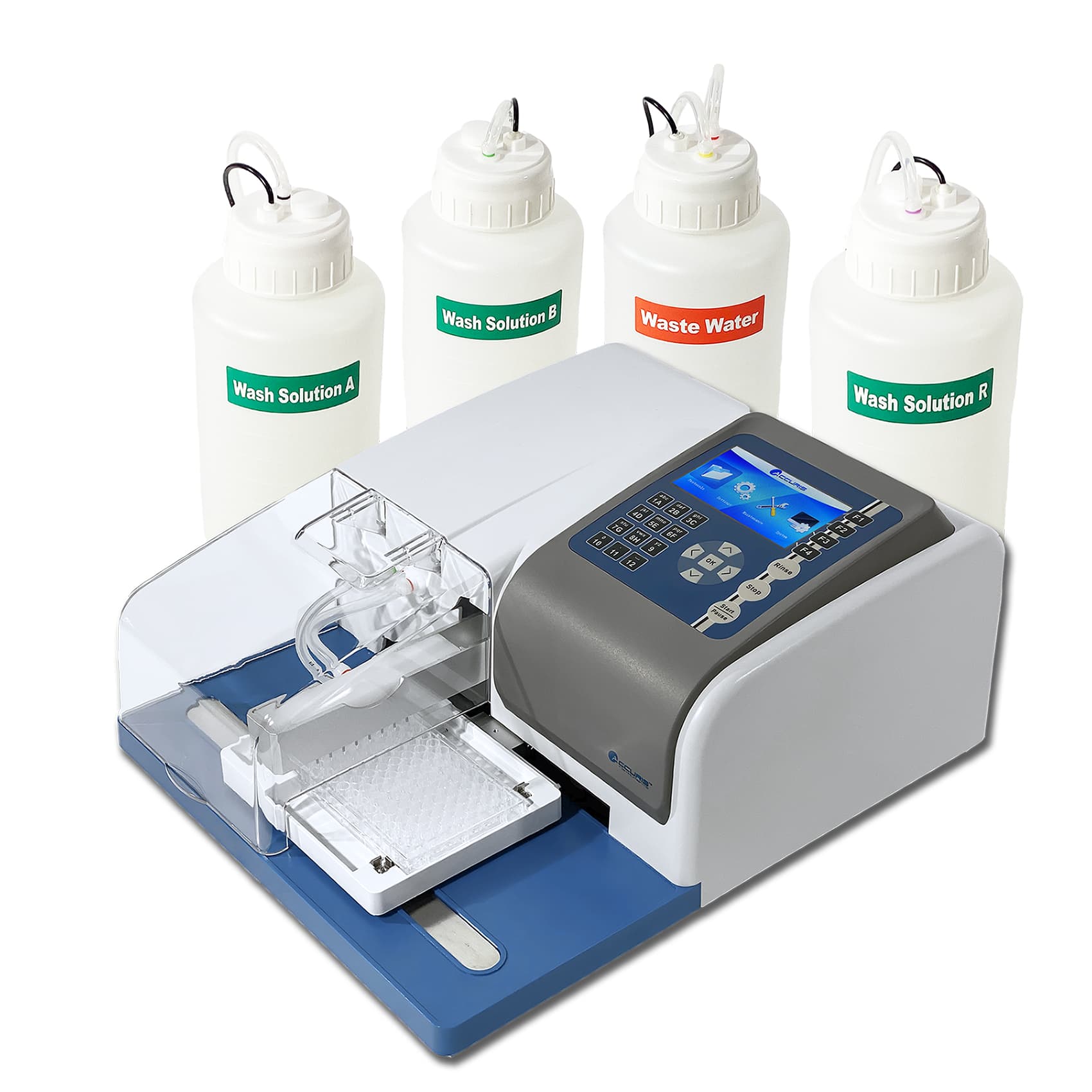
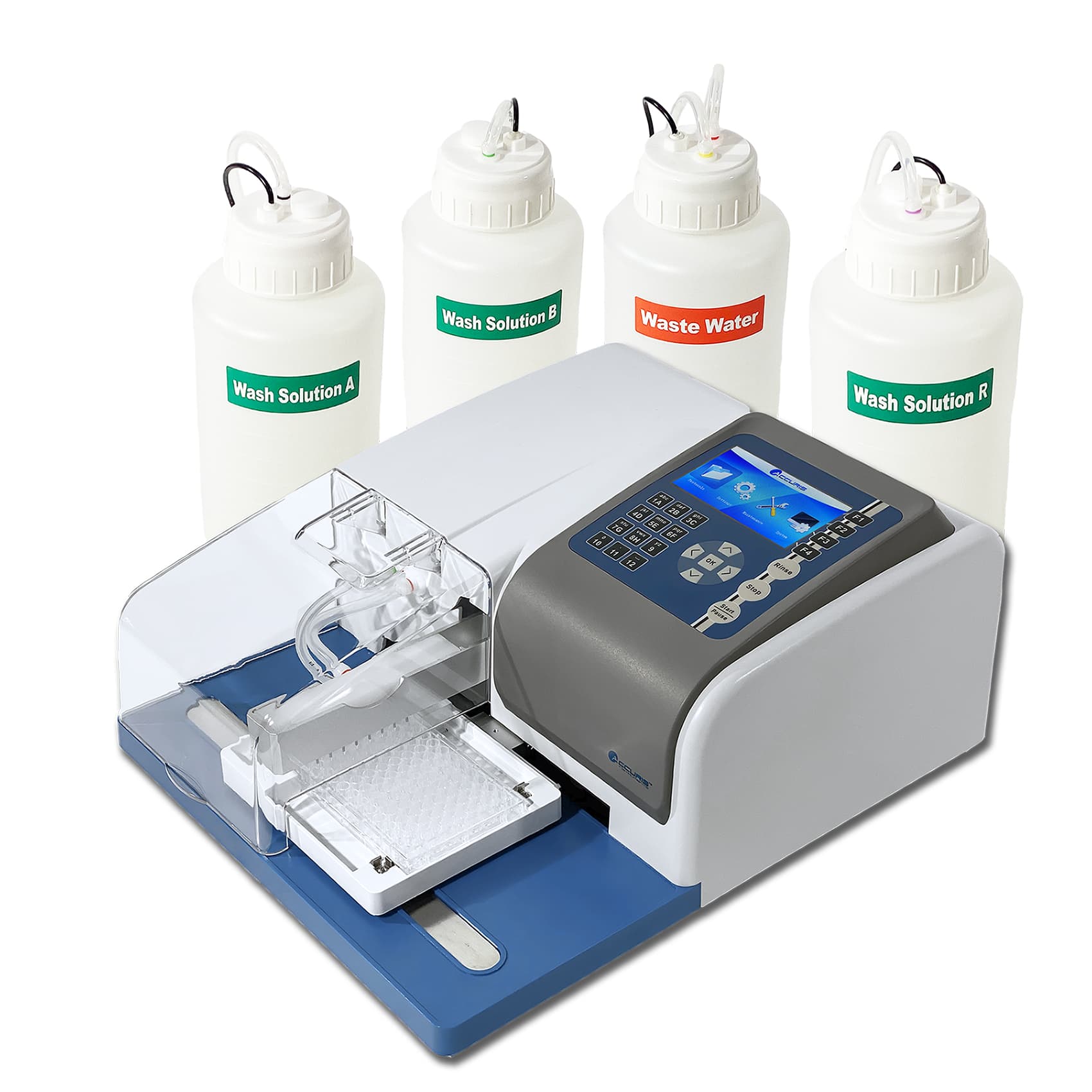
Microplate instruments are laboratory instruments designed to measure, wash, seal, or analyze samples in standard microplate formats, enabling high-throughput processing of multiple samples in a single run. This category includes microplate readers for absorbance, fluorescence, luminescence, and UV-Vis assays, microplate washers for automated plate washing, automated cell counters for image-based cell counting and viability assessment, and plate sealers for PCR, sample storage, and transport.
MBP is a registered vendor for Howard Hughes Medical Institute, Vanderbilt University, and MD Anderson Cancer Center, and provides purchase order procurement for microplate instruments for US and Canadian research institutions. Request a quote by contacting customerservice@mbpinc.net.
Microplate Instruments
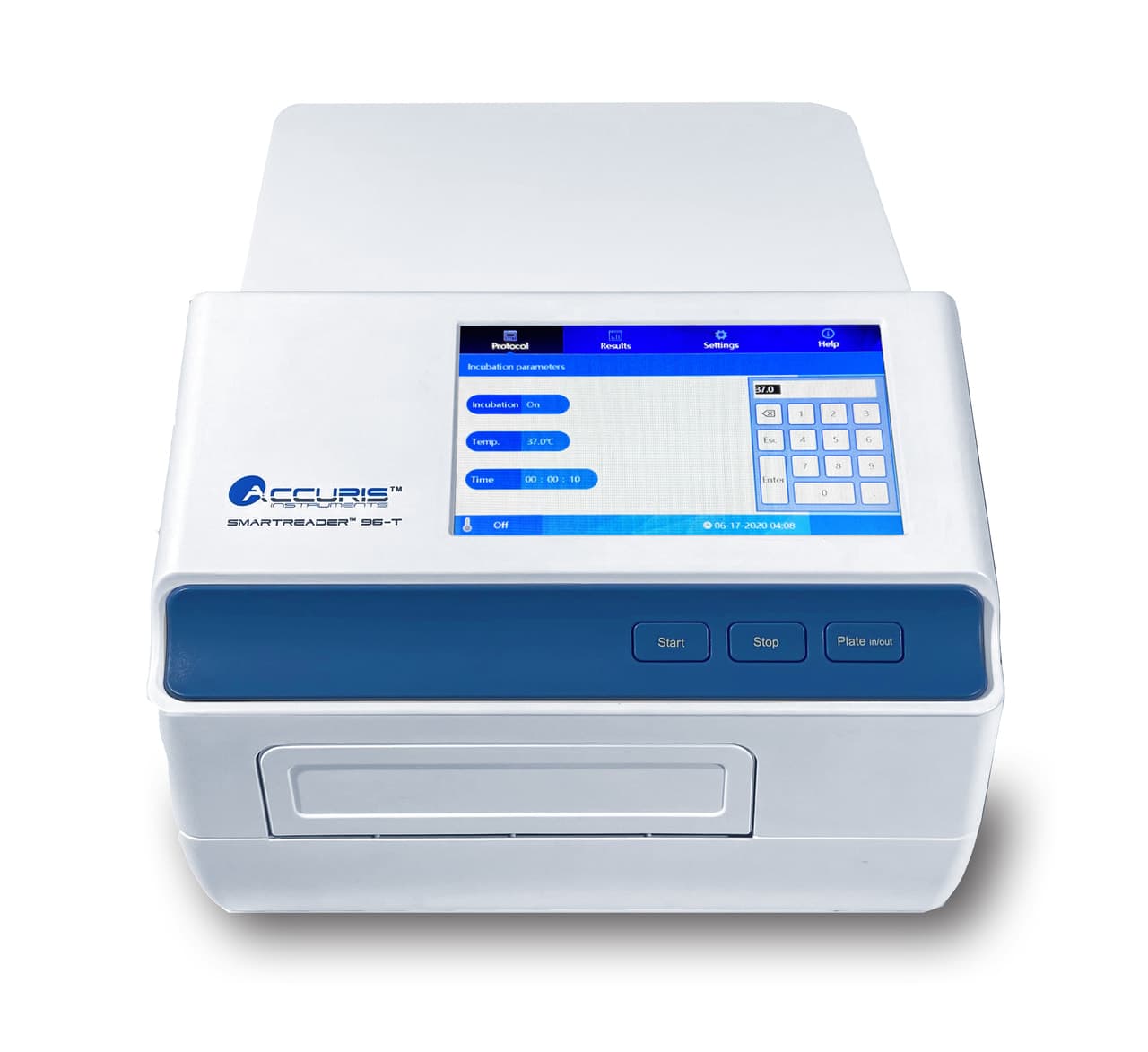
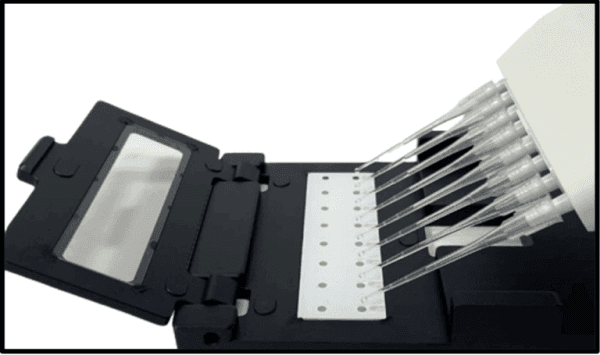
Showing 25 to 30 of 30 results
What Are Microplate Instruments?
Microplate instruments are laboratory systems that work with standard Society for Biomolecular Screening (SBS) footprint microplates (96-well, 384-well, and 1536-well formats with standardized well spacing and plate dimensions). They fall into three functional categories: detection instruments (microplate readers) that measure optical signals from assays in each well; cell-counting instruments (automated cell counters) that quantify cell number and viability from a sample pipetted into a counting chamber or slide; and sealing instruments (plate sealers) that apply heat-bonded or pressure-sensitive film to microplate surfaces to prevent evaporation, contamination, and sample loss during PCR, incubation, or long-term storage. The 96-well microplate is the most common format in academic research, with typical reaction volumes of 50 to 200 microliters per well; 384-well plates reduce reagent consumption and are standard in drug discovery and high-throughput screening. Match the instrument to the workflow: microplate reader for optical assay measurement; automated cell counter for cell density and viability before plating; plate sealer for preventing evaporation during PCR, qPCR, and sample storage.
What you will find:
- Microplate Reader: Advanced optical detection systems designed for high-sensitivity measurements across various assay types in multi-well formats.
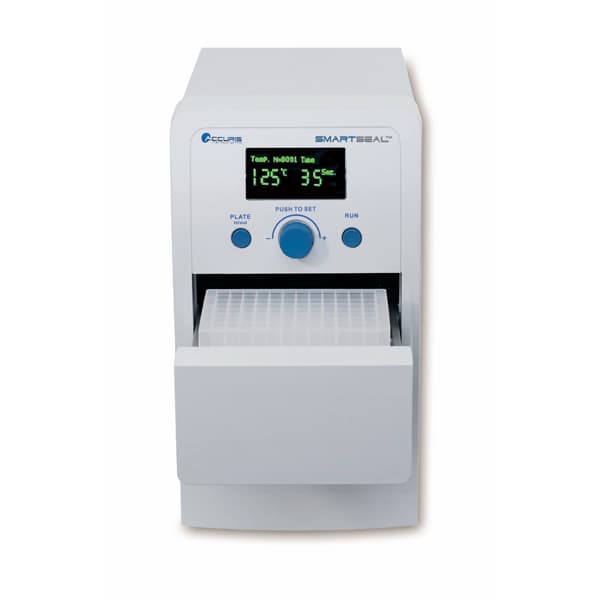
- Plate Sealer: Precision hardware used to apply uniform, leak-proof seals to plates, preventing evaporation and cross-contamination during storage or incubation.
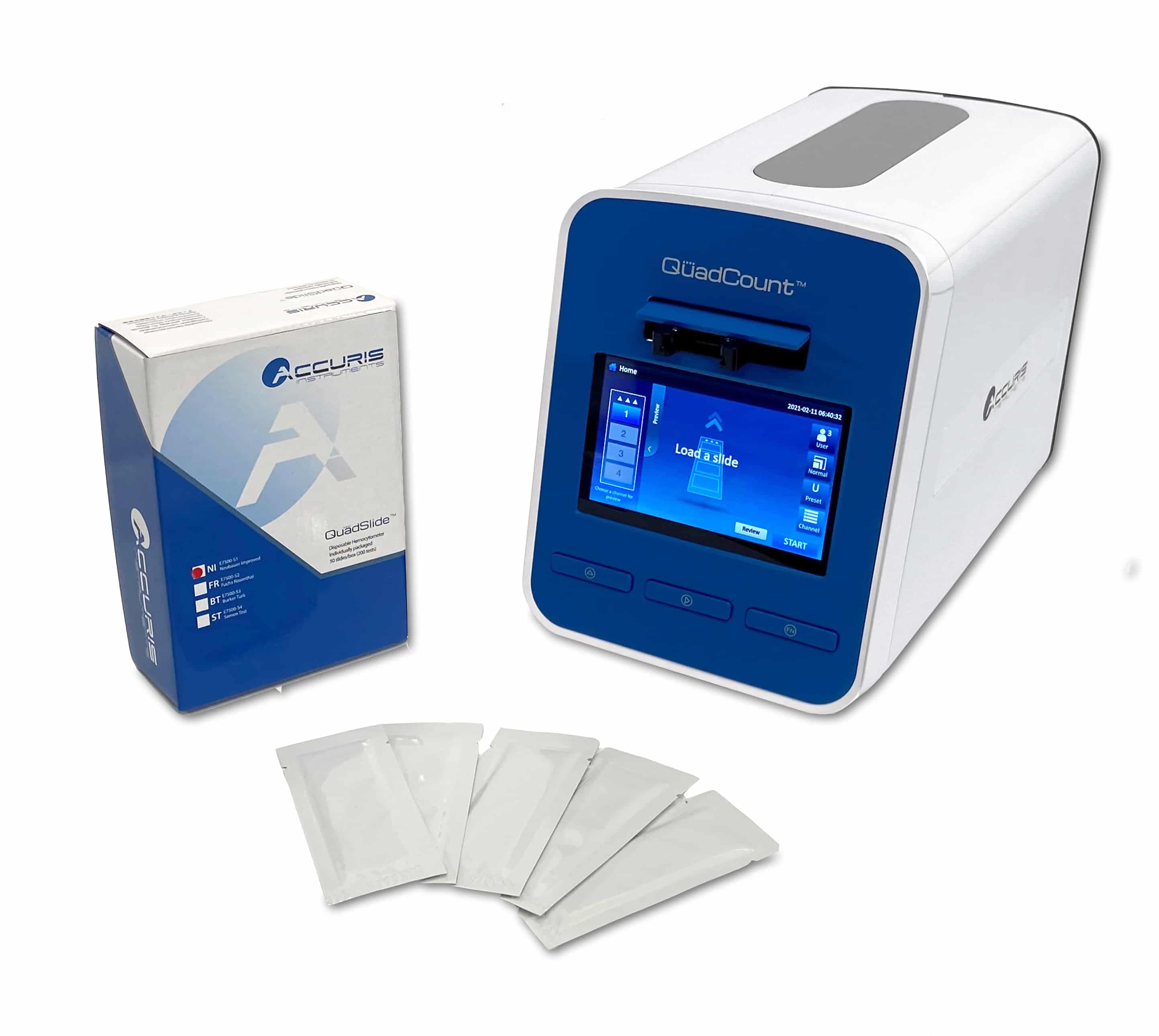
- Cell Counter: Automated imaging and analysis systems that provide rapid, accurate counts of cell viability and concentration, replacing manual hemocytometer methods.
How to Choose Microplate Instruments
Microplate readers: detection mode
Absorbance readers are the most common format, covering 340 to 850 nm for colorimetric assays (ELISA, Bradford protein assay, cell viability MTT/MTS), nucleic acid quantification at A260, and enzyme kinetics at specific wavelengths. Fluorescence intensity readers add excitation/emission filter sets for fluorescent dye assays (Hoechst, SYBR Green, Calcein-AM, PI viability). Luminescence readers detect bioluminescent signals (luciferase reporter assays, ATP quantification, cell viability, CellTiter-Glo). Multi-mode readers combine all three detection modes plus optional time-resolved fluorescence (TRF) and fluorescence polarization (FP) in one instrument.
Cell counters: image-based vs. impedance
Image-based automated cell counters (Countess, CellDrop, Luna, TC20 types) capture bright-field or fluorescence images of cells on a counting chamber slide or direct-pipette surface, then use image analysis algorithms to count cells and calculate viability from trypan blue exclusion or fluorescent dye staining. Impedance-based counters (Coulter principle) count and size particles as they pass through an aperture; accurate for homogeneous cell populations, but cannot discriminate live from dead cells without additional staining.
Plate sealers: heat vs. adhesive
Heat sealers apply controlled temperature (160 to 185 degrees C) and pressure to bond a non-adhesive polymer film or aluminum foil permanently to the plate rim, producing a hermetic seal with consistent sealing parameters; the preferred method for PCR, qPCR, long-term sample storage, and freeze-thaw cycling. Adhesive sealers use pressure-sensitive film or foil that the operator manually applies; simpler and lower cost, adequate for short-term incubation, ELISA, and room-temperature assays where absolute seal integrity is less critical.
Microplate format compatibility
Confirm that the instrument accommodates the plate format used in your workflow. Most microplate readers handle standard SBS 96-well and 384-well plates; high-throughput screening instruments add 1536-well compatibility. Cell counters are not plate-based but must be compatible with your cell culture vessel (T-flask, suspension, or adherent cells). Plate sealers must accept both the plate height profile and the plate rim width of the specific microplate brand in use; some plate geometries (deep-well, low-profile, skirted vs. unskirted) require sealer adapter inserts.
Specifications Context
Microplate reader performance is characterized by photometric range (minimum and maximum absorbance), sensitivity (signal-to-noise at minimum detectable signal), and well-to-well and plate-to-plate coefficient of variation (CV%). For ELISA applications, an absorbance range of 0 to 4.0 OD with a well-to-well CV below 0.5% is the industry standard for validated readers. For plate sealers, temperature uniformity across the sealing platen (plus or minus 3 to 5 degrees C) determines whether all wells in the outer rows of the plate seal with equal integrity as center wells; outer-row seal failures are the most common cause of evaporation-related PCR failure.
To discuss product availability or get selection guidance, contact the MBP team.
FAQ