Automated Cell Counters for Cell Density and Viability
Automated cell counters are benchtop instruments that measure cell density and viability by capturing images of cells in disposable counting slides and analyzing them with image-processing software. They replace manual hemocytometer counting, improving speed, consistency, and reproducibility for routine cell culture workflows. Compatible counting slides and accessories support efficient sample processing and instrument verification.
MBP provides purchase order procurement for automated cell counters for US and Canadian research institutions. Request a quote for automated cell counters for cell density measurement, viability analysis, and routine cell culture workflows by contacting customerservice@mbpinc.net.
Cell Counter

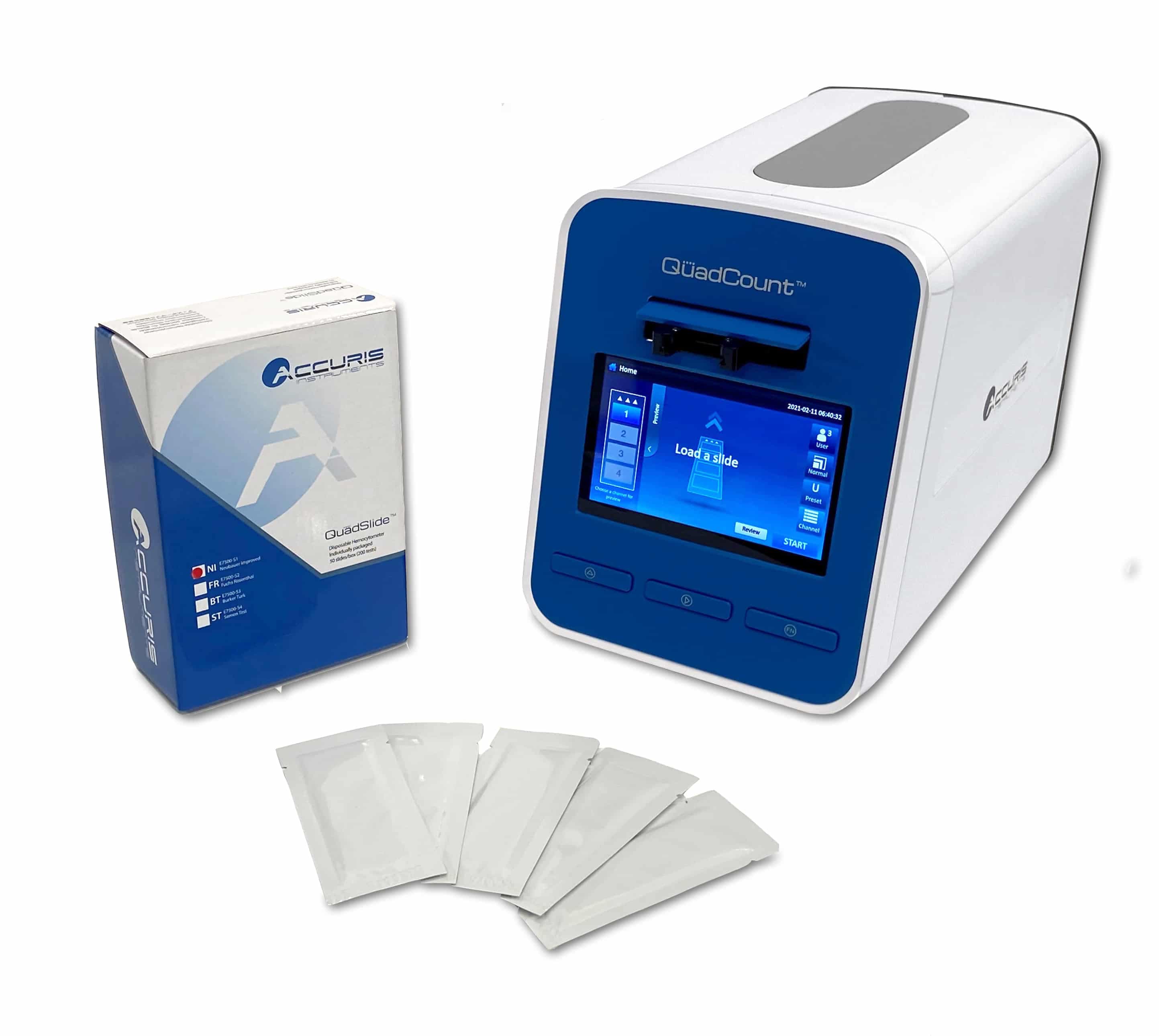
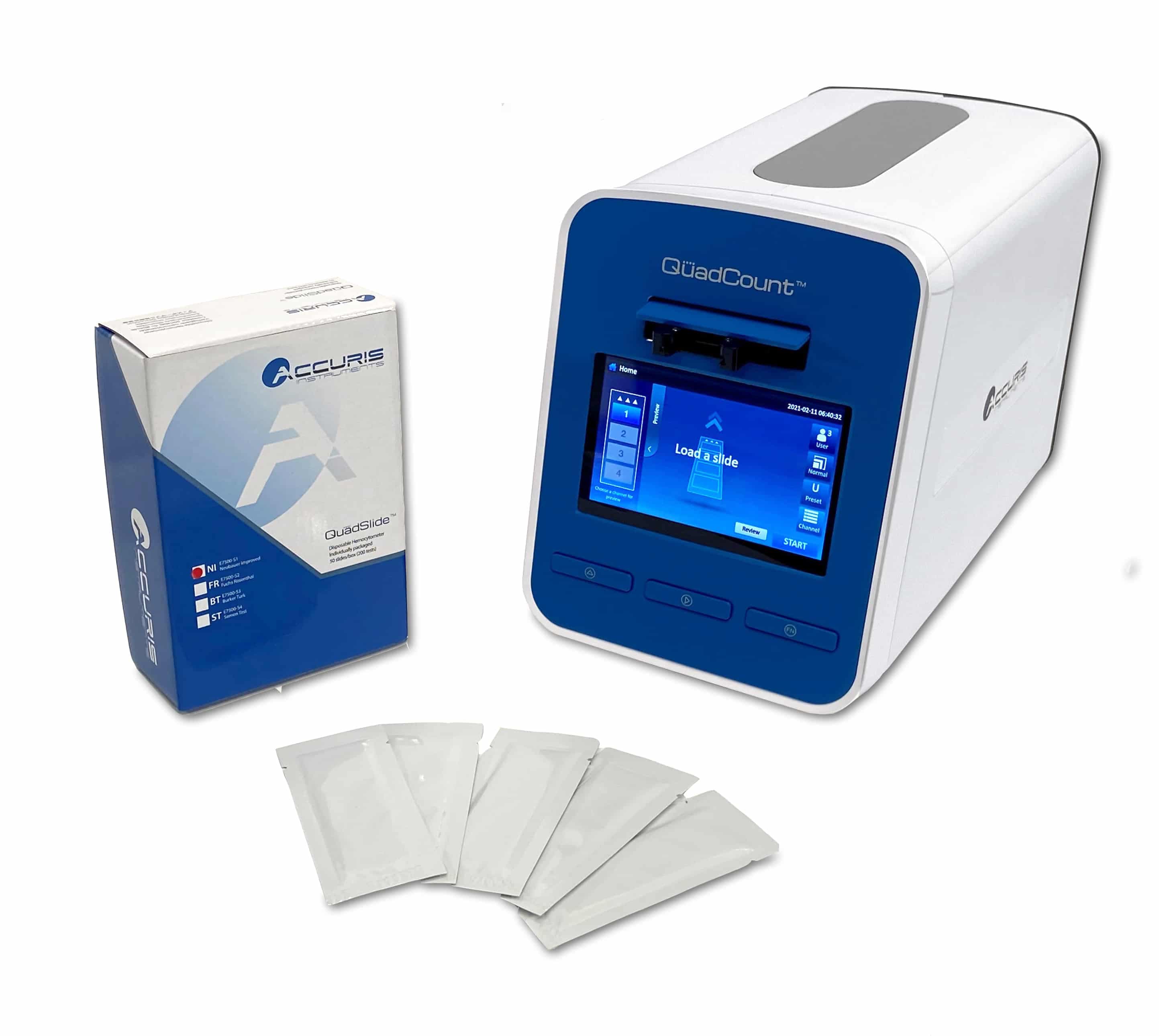
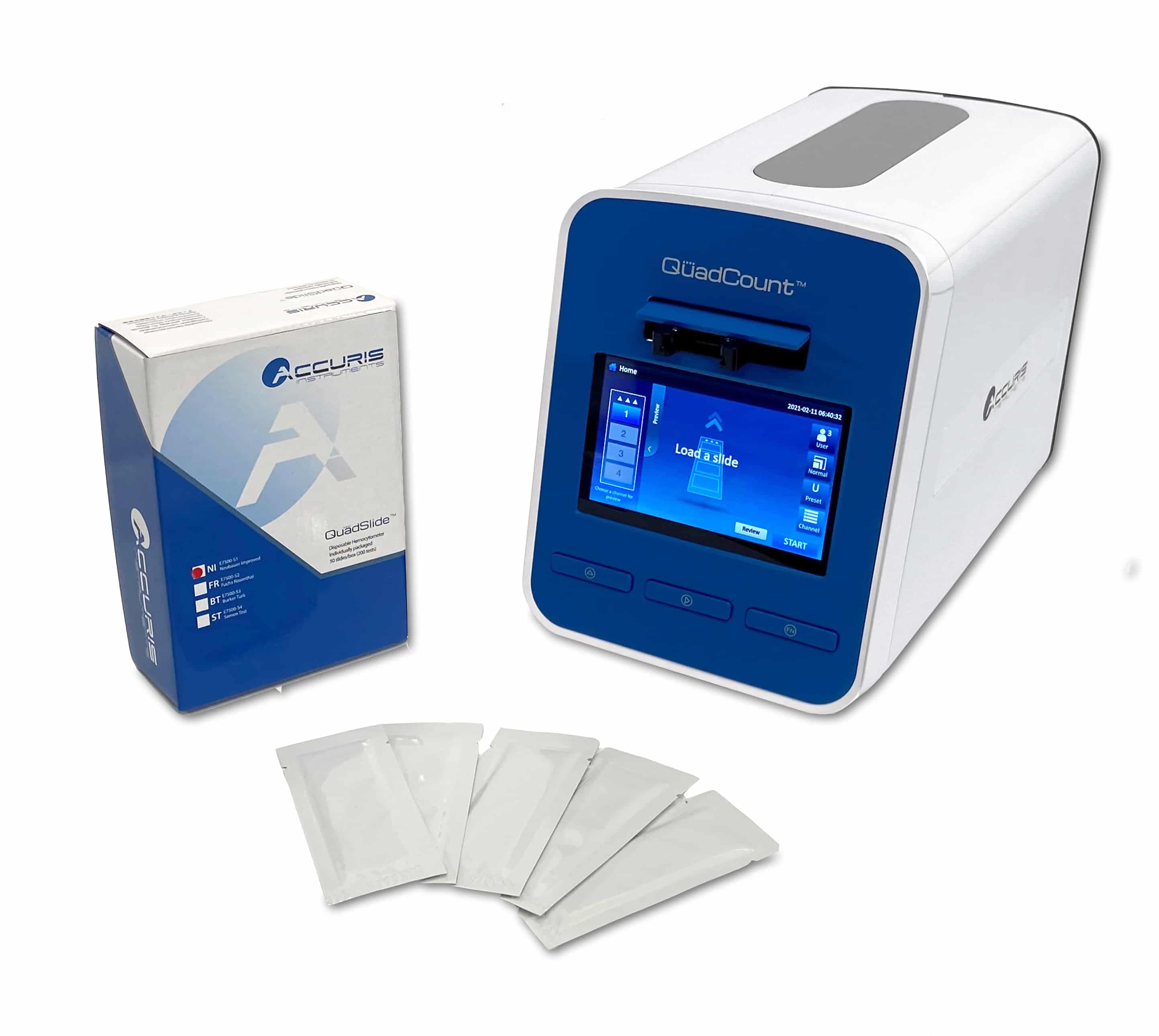
Showing 1 to 4 of 4 results
What Are Automated Cell Counters?
An automated cell counter is a benchtop image-cytometry instrument that captures a bright-field or fluorescence image of a cell suspension in a standardized counting chamber, then uses software algorithms to identify and count individual cells, distinguish live from dead cells based on staining, and calculate total cell density (cells/mL) and viability percentage. This replaces the manual hemocytometer method, in which a trained user counts cells under a compound microscope in a defined grid (a process that takes 5 to 15 minutes per sample and is subject to user interpretation differences of 10 to 20%). Image-based automated cell counters produce results in 5 to 10 seconds with inter-user CVs typically below 5%. They are used before every cell seeding step in cell culture workflows: before plating cells into microplates for assays, before seeding into bioreactors for suspension culture scale-up, before transfection or infection, before flow cytometry sample preparation, and during freeze-thaw recovery checks. Counting slide formats vary: most instruments use proprietary single-use counting slides (2-chamber slides loaded with 10 to 20 microliters per chamber); newer direct-pipette instruments load the sample directly onto an optical counting surface without a slide consumable. Automated cell counters replace the hemocytometer for routine cell density and viability counting; they are faster, less variable between users, and do not require a compound microscope.
What you will find:
- Automated cell counters for rapid and accurate cell counting and viability analysis.
- Cell Counter Accessories, including barcode scanners, standard test slides, and disposable QuadSlides for QuadCount cell counters.
- Barcode scanners for streamlined sample identification and data management with QuadCount cell counters.
- Standard test slides for instrument verification and performance checks.
- Disposable QuadSlides for reliable cell counting with QuadCount automated cell counters.
How to Choose an Automated Cell Counter
Trypan blue vs. fluorescence viability staining
Trypan blue exclusion (mixing cells 1:1 with 0.4% trypan blue solution) is the standard viability method; dead cells with compromised membranes stain blue while live cells exclude the dye and appear bright. It is rapid, low-cost, and universally compatible with all automated cell counters. However, trypan blue cannot reliably distinguish dead cells from similarly sized debris, red blood cells, or cell aggregates. Dual fluorescence staining with acridine orange (AO, stains all nucleated cells green) and propidium iodide (PI, stains dead cells red) provides superior discrimination of live nucleated cells from dead cells and debris, and is required for accurately counting cells in complex suspensions (primary cells, heterogeneous populations, PBMCs) or cells with high baseline debris levels.
Counting range and cell size
Most automated cell counters specify a counting range of 5 x 10^4 to 1 x 10^7 cells/mL and a detectable cell diameter range of 4 to 60 micrometers. Confirm the instrument's range covers your typical culture density. For very small cells (bacteria at 1 to 3 micrometers) or large cells (cardiomyocytes above 30 micrometers), verify that the algorithm correctly sizes and counts the specific cell type. Many instruments include adjustable size and fluorescence threshold parameters to optimize counting for non-standard cell types.
Single-use slides vs. direct-pipette counting
Most automated cell counters use proprietary single-use disposable counting slides with two independent counting chambers, each loaded with 10 to 20 microliters of sample. Slides are the primary consumable cost driver at 0.50 to 2.00 USD per slide, depending on supplier and brand compatibility. Direct-pipette instrument positions the sample between two optical surfaces without a slide, eliminating the slide consumable cost and reducing per-sample cost to essentially zero consumable cost. The tradeoff is that direct-pipette systems require more thorough cleaning between samples to prevent carryover.
Throughput requirements
Single-sample automated cell counters (one sample per slide load) are adequate for most research labs, counting 5 to 20 samples per session. High-throughput variants accept cassettes of 8 or more slides and process them sequentially without user intervention per slide; appropriate for large cell culture facilities, counting dozens of bioreactor samples in sequence. Some instruments integrate with robotic liquid handlers for fully automated cell counting in high-throughput manufacturing environments.
GMP and regulated environment requirements
Cell counting in cell therapy manufacturing, vaccine production, and pharmaceutical bioprocessing requires validated cell counting methods with documented accuracy, precision, and linearity. Specify automated cell counters with IQ/OQ/PQ validation packages, 21 CFR Part 11-compliant data management software, and documented counting algorithm performance for the specific cell types being counted.
Specifications Context
Cell counter accuracy is stated as a percentage deviation from a hemocytometer reference count for a defined cell type and density; validated instruments show less than 10% deviation across the counting range. Precision (intra-assay reproducibility) is expressed as CV% of repeat counts of the same sample; values below 5% are typical for automated counters on standard cell lines. Cell counters using bright-field imaging at a single focal plane may miscount cell clumps or overlapping cells; look for instruments with multi-focal-plane imaging or confocal-like focusing to improve accuracy on aggregated cell populations. Confirm whether the instrument provides cell diameter distribution data, which can serve as an indicator of cell health and identity.
To discuss product availability or get selection guidance, contact the MBP team
FAQ