Plate Sealers for PCR, qPCR, and Microplate Applications
Plate sealers are laboratory instruments that apply a uniform, reproducible heat seal to microplates to prevent sample evaporation, cross-contamination, and sample loss during PCR thermal cycling, real-time qPCR, ELISA, NGS library preparation, and long-term sample storage. Heat sealers bond a polymer film or aluminum foil to the plate rim using controlled temperature and pressure, producing consistent seals suitable for molecular biology and laboratory workflows.
MBP provides purchase order procurement for plate sealers for US and Canadian research and pharmaceutical laboratories. Request a quote by contacting customerservice@mbpinc.net.
Plate Sealer

Showing 1 to 7 of 7 results
What Are Plate Sealers?
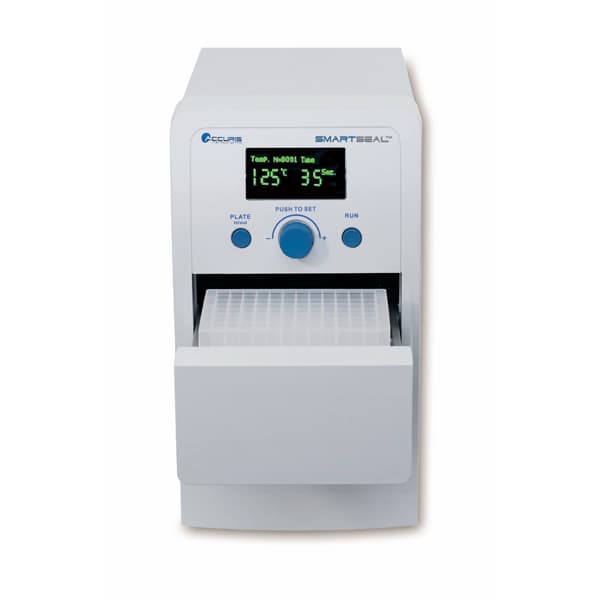
A plate sealer is a laboratory instrument that applies a uniform heat seal to the surface of a standard SBS-format microplate, protecting samples from evaporation, contamination, aerosol carryover, and sample loss during PCR, qPCR, ELISA, NGS library preparation, and long-term storage. Even small amounts of evaporation from low-volume PCR reactions can alter reagent concentrations and affect amplification consistency, while inadequate sealing during frozen storage can lead to sample degradation through sublimation and repeated freeze-thaw cycles. Bench-top semi-automated heat sealers use controlled temperature and pressure to bond compatible polymer films or aluminum foils securely to the plate rim, producing consistent, reproducible seals with minimal operator variability. Typical sealing temperatures range from 80 to 200 degrees C, with sealing completed in 2 to 3 seconds after the instrument reaches operating temperature. Choose a heat plate sealer when your workflow requires reliable sealing for PCR, qPCR, NGS library preparation, or secure short- and long-term microplate storage.
What you will find:
- Semi-automated and automated plate sealers for sealing standard and deepwell microplates.
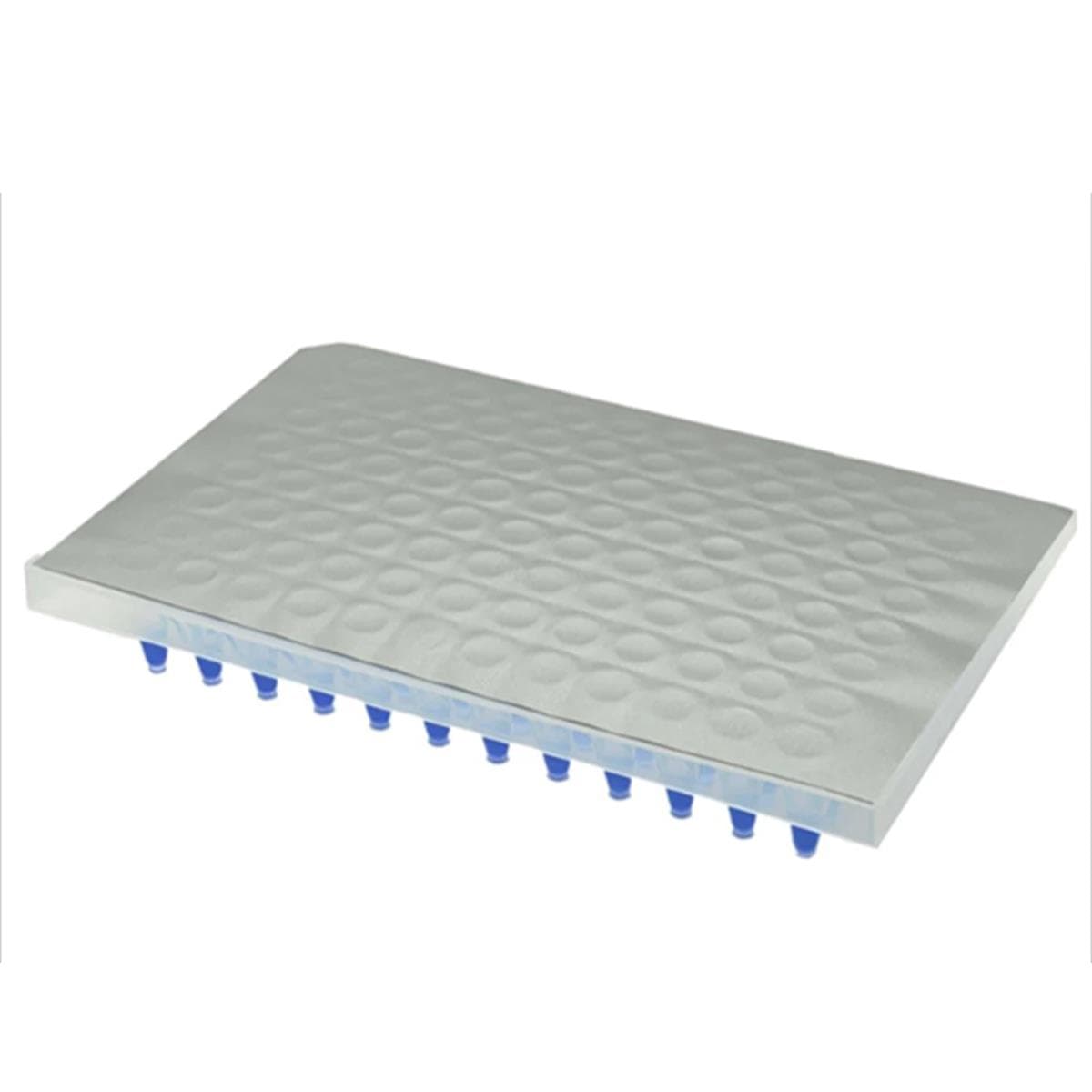
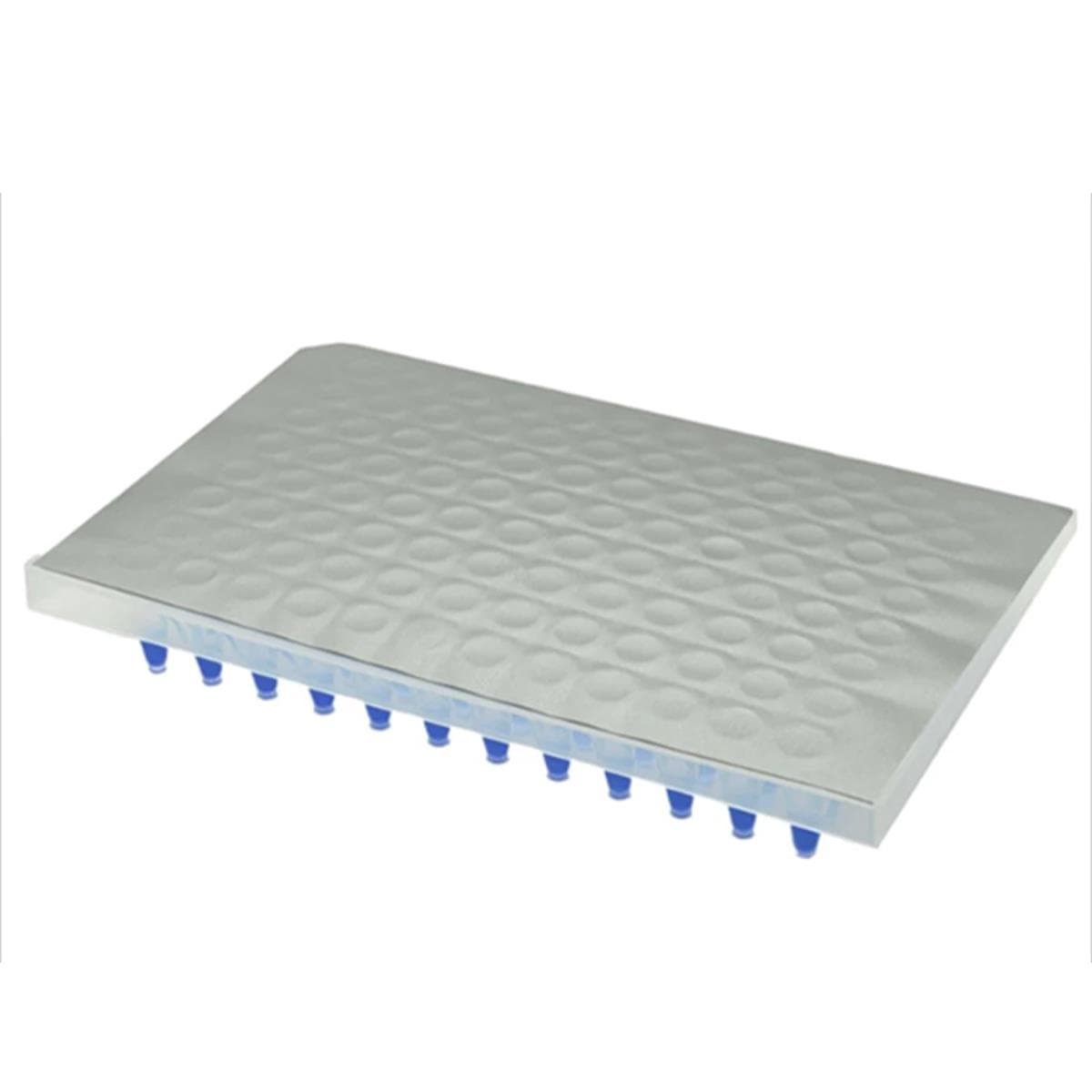
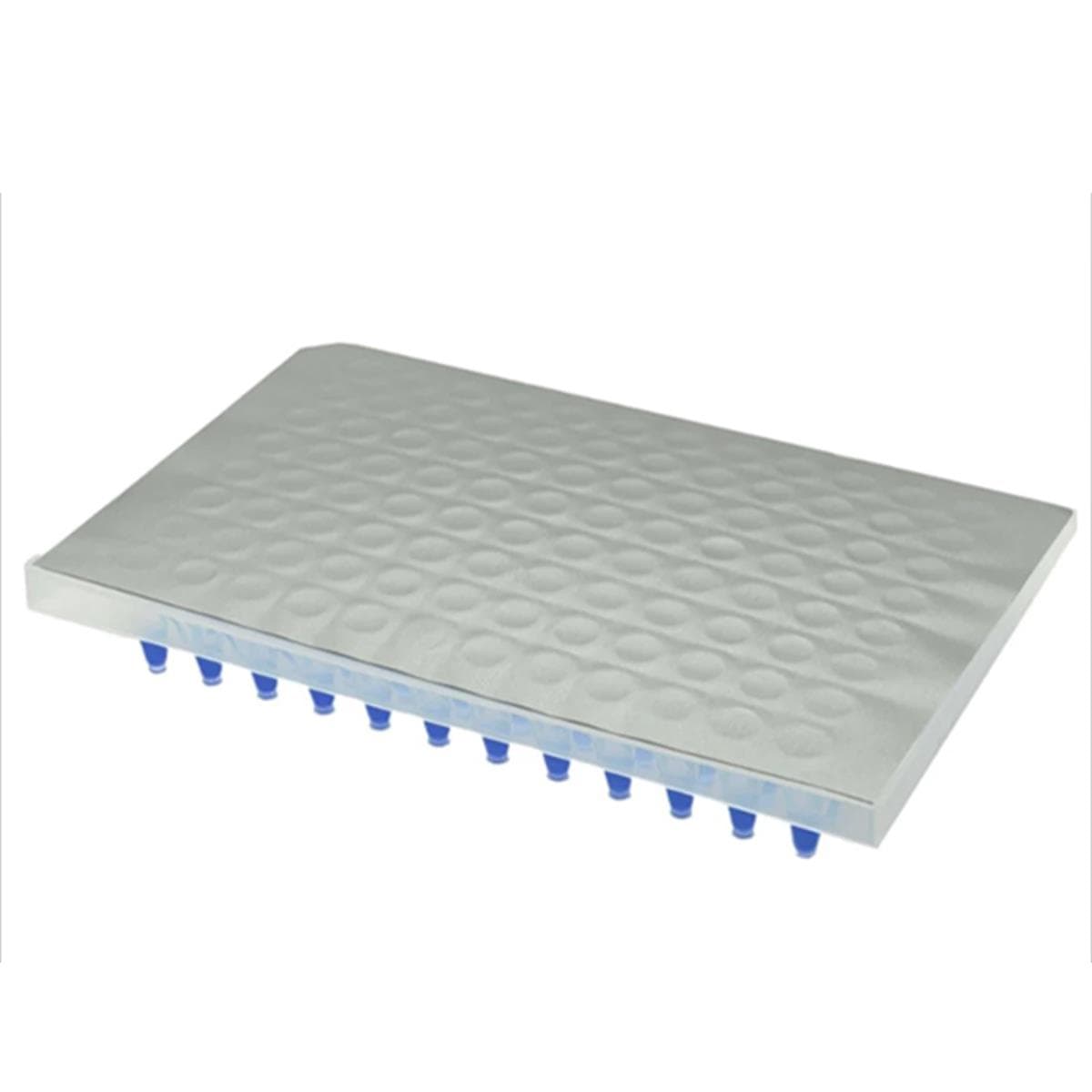
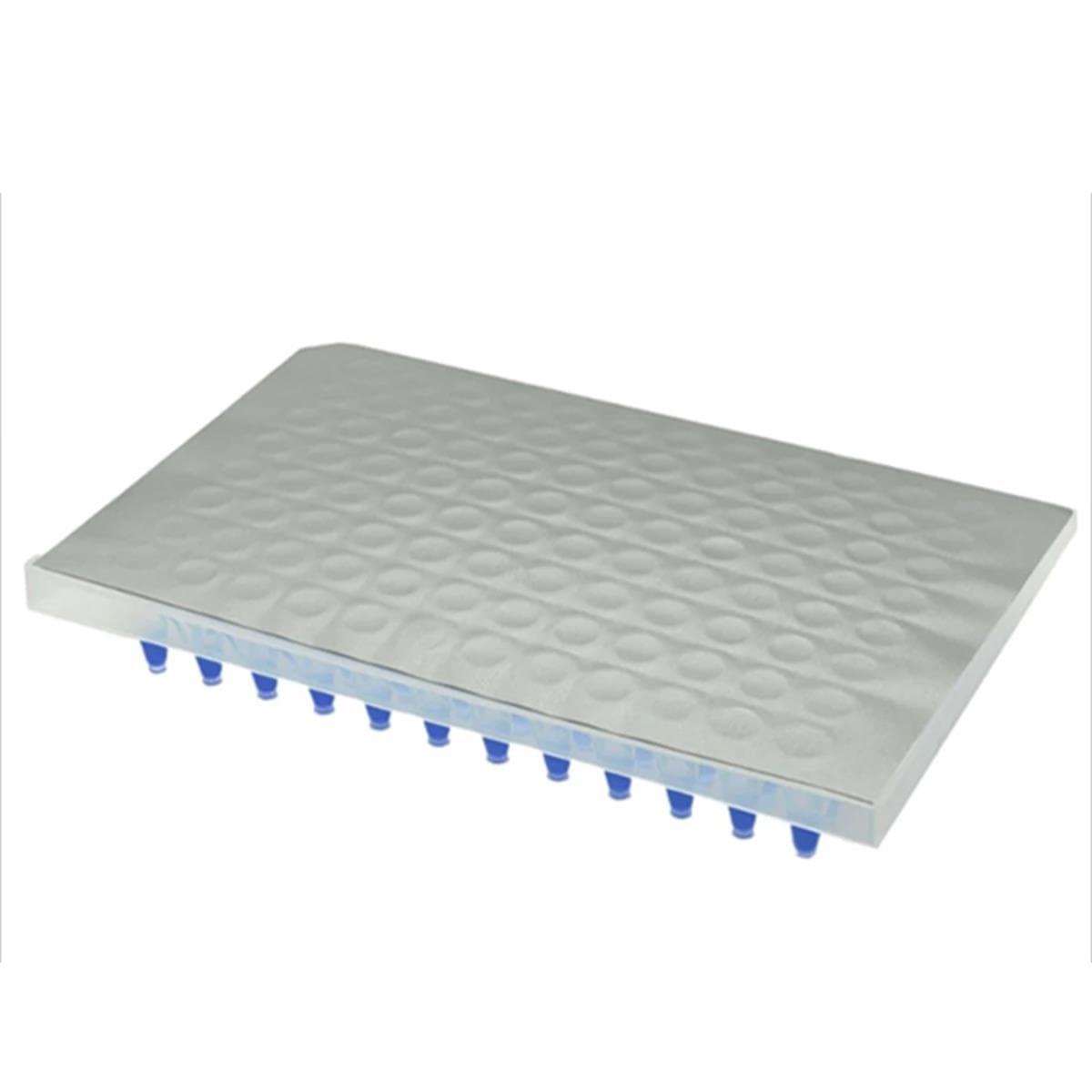
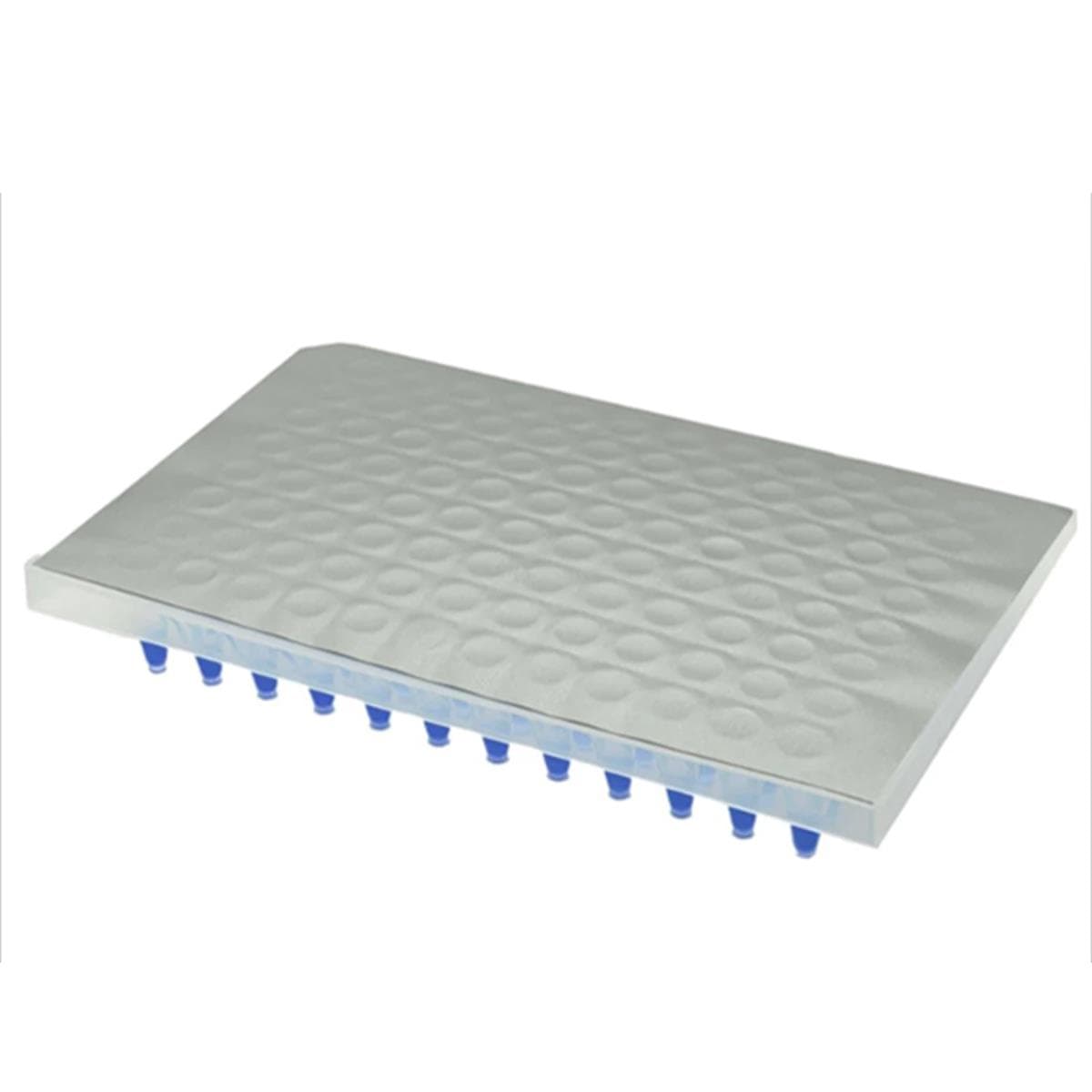
- Plate Sealer Accessories, including optically clear qPCR sealing films and foil seals for a variety of microplate applications.
- Optically clear qPCR sealing films with peelable, pierceable, and strong-bond options for different plate types.
- Foil plate seals with peelable or strong-bond adhesives for polypropylene (PP) plates, including DMSO-compatible cold storage applications.
How to Choose a Plate Sealer
Heat sealer vs. adhesive sealer vs. manual film applicator
Heat sealers produce hermetic, consistent seals by bonding non-adhesive sealing film to the plate at programmed temperature and pressure; the seal is uniform plate to plate and user to user, and holds integrity through thermal cycling (-80 to +100 degrees C). They require a warm-up period (3 to 6 minutes) and a sealing film or foil matched to the instrument. Adhesive sealers use pressure-sensitive film that the operator applies by rolling or pressing across the plate; no instrument warm-up is required, but seal quality is technique-dependent and less reliable for PCR thermal cycling or cryogenic storage. Manual film applicators (rollers or squeegees) ensure even pressure application of adhesive films and are intermediate in cost and reliability.
Sealing temperature and film compatibility
Most heat sealers cover a sealing temperature range of 80 degrees C to 200 degrees C with 1-degree increment control. PCR aluminum foil seals typically seal optimally at 175 to 185 degrees C; optically clear polymer films for qPCR seal at 160 to 175 degrees C; cell culture gas-permeable membranes seal at lower temperatures (80 to 120 degrees C). Confirm that the sealer's temperature range covers all seal types used in the lab, and that the instrument stores named protocols per seal type to prevent user parameter errors.
Plate format compatibility
Confirm the sealer's plate guide accommodates the plate formats in routine use: standard 96-well at 14.4 mm height; low-profile 96-well PCR plates (13.8 mm); 384-well plates; and deep-well plates (2 mL per well, up to 44 mm tall). Some sealers require format-specific adapter inserts or different sealing frames for 384-well and deep-well plates. Confirm the maximum plate height the instrument accommodates (typically 44 to 48 mm) and whether height adjustment is automatic or manual.
Platen temperature uniformity
Temperature uniformity across the sealing platen (plus or minus 3 degrees C or better across the full plate footprint) is the critical performance specification for qPCR and PCR plate sealers. Non-uniform platen temperature produces weaker seals in cooler zones (typically the outer corners and edges of the plate) where evaporation during thermocycling is most likely and where Cq value variability is first observed. Request platen temperature mapping data from the manufacturer across the full plate area at the intended sealing temperature before specifying a sealer for critical qPCR applications.
Throughput and automation integration
Manual heat sealers process one plate per cycle (2 to 3 seconds active sealing time plus operator load/unload time: approximately 1 plate per minute). Semi-automated sealers with motorized drawer eject the plate after sealing and include a stackable design for faster processing. Fully automated sealers integrate with liquid handling robots and process plates at 1 to 3 plates per minute without operator intervention. For drug discovery and NGS workflows processing 50 to 500 plates per day, specify a fully automated sealer with RS-232 or USB control interface.
Specifications Context
After sealing, allow the sealed plate to cool on a flat surface for 10 to 15 seconds before placing it in the thermocycler or centrifuge; premature handling before the seal cools and bonds to the rim can cause edge lifting, particularly in the outer rows. If the seal lifts at any position, the sealing temperature is too low, the plate rim was wet or contaminated before sealing, or the sealing film is incompatible with the specific plate brand. Foil seal materials for cryogenic storage must specify a minimum rated temperature of -80 degrees C or below; standard PCR foil seals may not maintain seal integrity below -40 degrees C during prolonged cold storage.
To discuss product availability or get selection guidance, contact the MBP team.
FAQ