Pipettors & Controllers for Precision Liquid Handling
Laboratory pipettors and controllers are instruments that aspirate and dispense precise, repeatable liquid volumes — from 0.1 µL single-channel manual pipettes through 12-channel electronic multichannel pipettors to motorised pipette controllers for 1–25 mL serological pipettes. Air-displacement designs cover standard aqueous applications; positive-displacement instruments handle volatile, viscous, and foaming samples.
MBP Inc. supplies pipettors and controllers from leading brands, including Biologix and Azura Genomics, across the USA and Canada, with specialist support for institutional procurement teams at Vanderbilt University, MD Anderson Cancer Center, and Howard Hughes Medical Institute. Contact customerservice@mbpinc.net to request a quote today!
Pipettors & Controllers




Showing 1 to 12 of 315 results
What Are Pipettors and Controllers?
Pipettors are precision instruments for aspirating and delivering measured volumes of liquid using air-displacement or positive-displacement mechanisms. Air-displacement pipettors use an air column between the piston and the sample to transfer standard aqueous liquids. Positive-displacement pipettors use a capillary-piston tip in direct contact with the sample, enabling accurate transfer of volatile, viscous, high-density, and foaming liquids that air-displacement instruments handle poorly. Pipette controllers (also called pipetting aids or fillers) are motorised devices that hold and power serological glass or plastic pipettes for volumes from 1 mL to 100 mL. All pipettor types are subject to ISO 8655, which specifies accuracy and precision requirements and calibration test protocols. Air-displacement covers 99% of molecular biology pipetting; choose positive-displacement for volatiles, viscous reagents, and radioactive samples; choose a controller for any serological pipette work.
What you will find:
-
Single Channel Pipettors – Precision-engineered, adjustable-volume tools designed for high-accuracy single-sample delivery and ergonomic hand comfort.
-
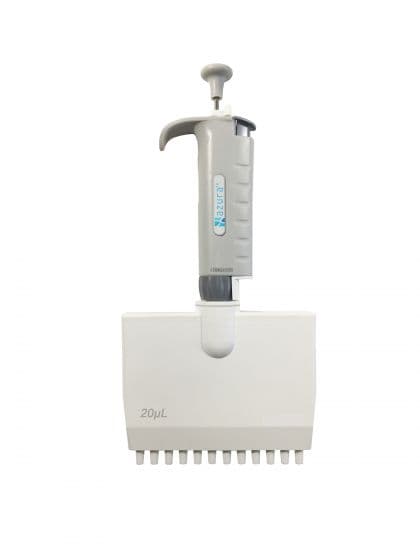
Multi-Channel Pipettors – High-throughput systems optimized for rapid, simultaneous liquid transfer across microplates with synchronized aspiration.
-
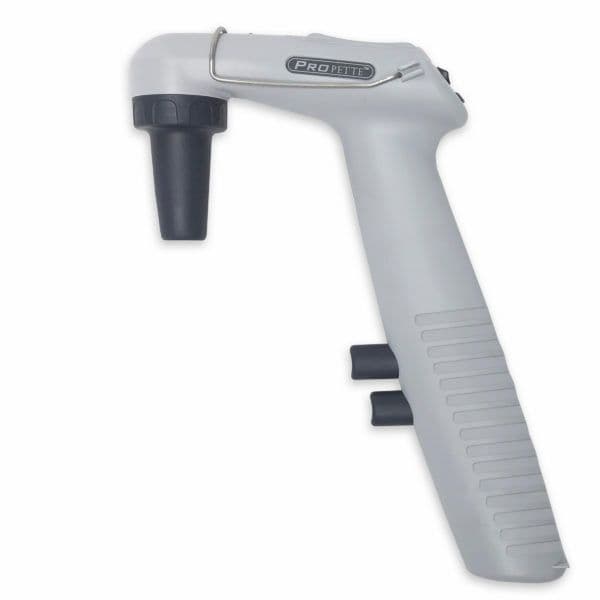
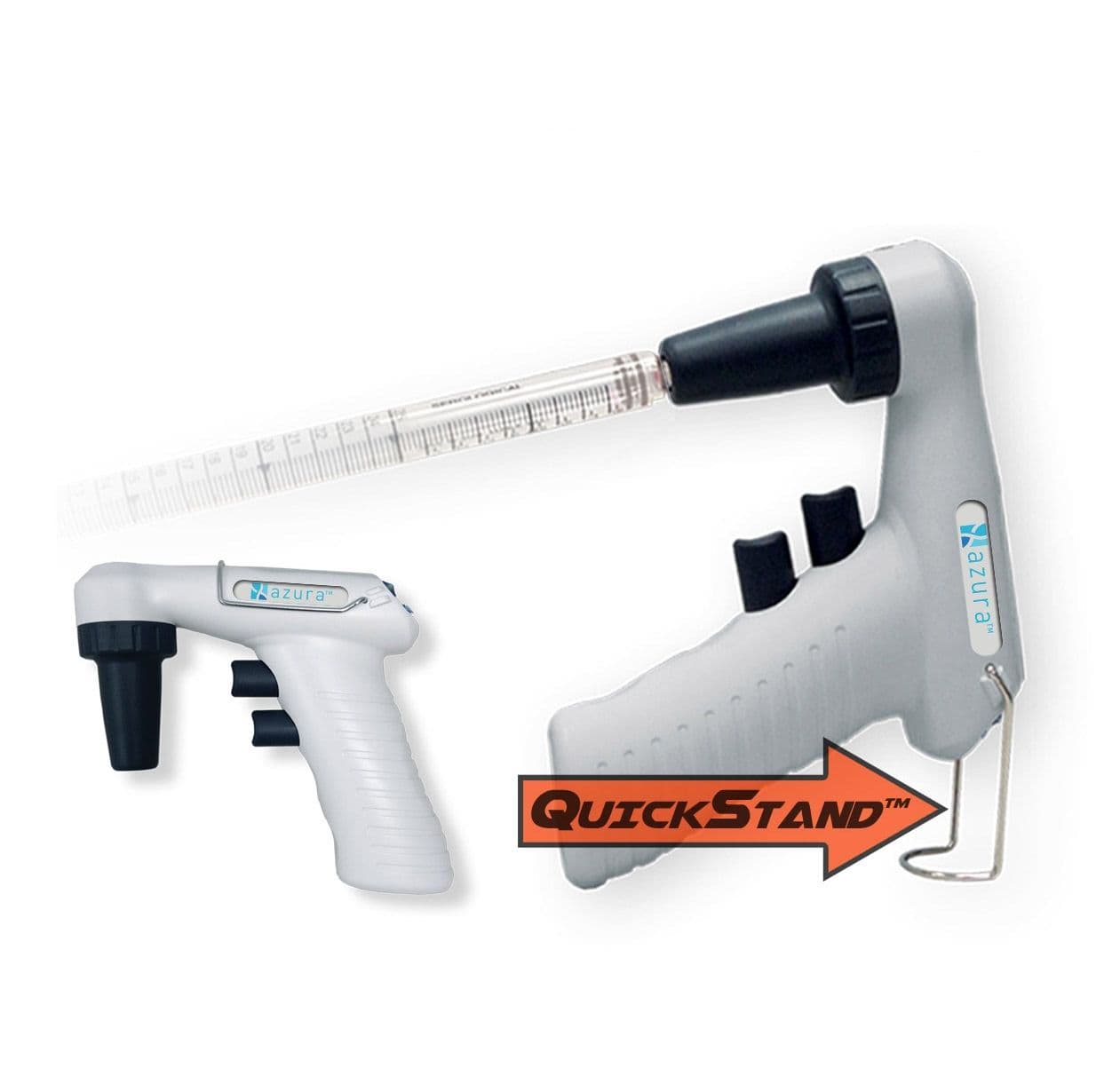
Pipette Controller – High-torque, rechargeable aspiration systems for effortless, variable-speed management of all serological pipette sizes.
-
Pipettor Accessories – Secure vertical stands and calibration tools designed to protect your instruments and keep your bench space organized.
How to Choose a Pipettor or Controller
Instrument Type: Air-Displacement vs Positive-Displacement vs Controller
Air-displacement single-channel pipettors (0.1–10 µL, 2–20 µL, 20–200 µL, 100–1,000 µL) cover routine molecular biology. Air-displacement multichannel pipettors (8-channel and 12-channel, 10–300 µL) reduce setup time for 96-well plate workflows. Positive-displacement instruments (Eppendorf Multipette Stream, BRAND Transferpette-S) use disposable Combitips for 100 µL–50 mL, eliminating cross-contamination risk and aerosol issues. Pipette controllers (Eppendorf Easypet 3, Integra PIPETBOY) hold 1–100 mL serological pipettes for medium-volume dispensing.
Manual vs Electronic
Manual pipettors use mechanical spring/piston action — no battery required, calibration is user-adjustable. Electronic pipettors (Eppendorf Research Pro, Rainin Pipet-Lite XLS+) offer programmable aspiration/dispensing speeds, automatic tip ejection, multi-dispense modes, and LCD volume display — reducing repetitive strain in high-throughput workflows.
Volume Range and Tip Compatibility
Select the pipettor volume range that covers 20–80% of the range in daily use for best accuracy. Tip compatibility: confirm whether the instrument uses universal-fit (standard conical shaft), LTS (Rainin cylindrical), or proprietary tips (Eppendorf epT.I.P.S.) before purchasing to avoid tip-instrument mismatch.
Ergonomics and Calibration
For high-throughput labs (>500 tip changes per day), low ejection force and lightweight body reduce cumulative hand strain. All pipettors should be calibrated at a minimum every 6 months per ISO 8655; in-lab calibration tools are available for Eppendorf and Rainin models.
Specifications Context
ISO 8655 Part 2 (piston-operated volumetric instruments — single-channel) and Part 6 (multichannel) define accuracy and precision requirements. Standard accuracy specification for a 200 µL air-displacement pipettor is ±0.8 µL (Eppendorf Research Plus). Pipettors should be autoclavable or, at a minimum, have an autoclavable lower section for contamination-sensitive labs. Eppendorf Research Plus and Rainin Pipet-Lite XLS+ LTS are the dominant manual single-channel formats in North American research labs.
Control every microliter with ease—engineered for smooth handling, consistent accuracy, and uninterrupted lab performance. Contact the MBP team now!
FAQ