Multi-Channel Pipettors for High-Throughput Sample Processing
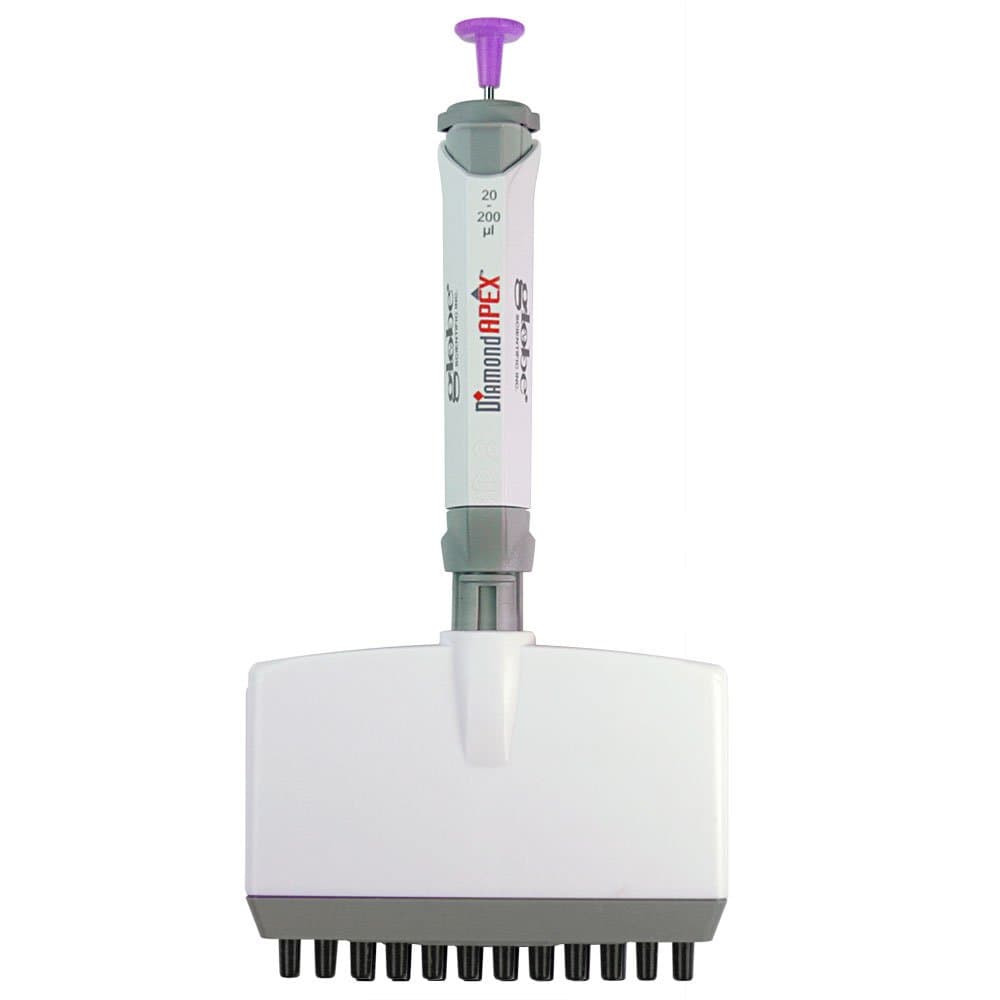
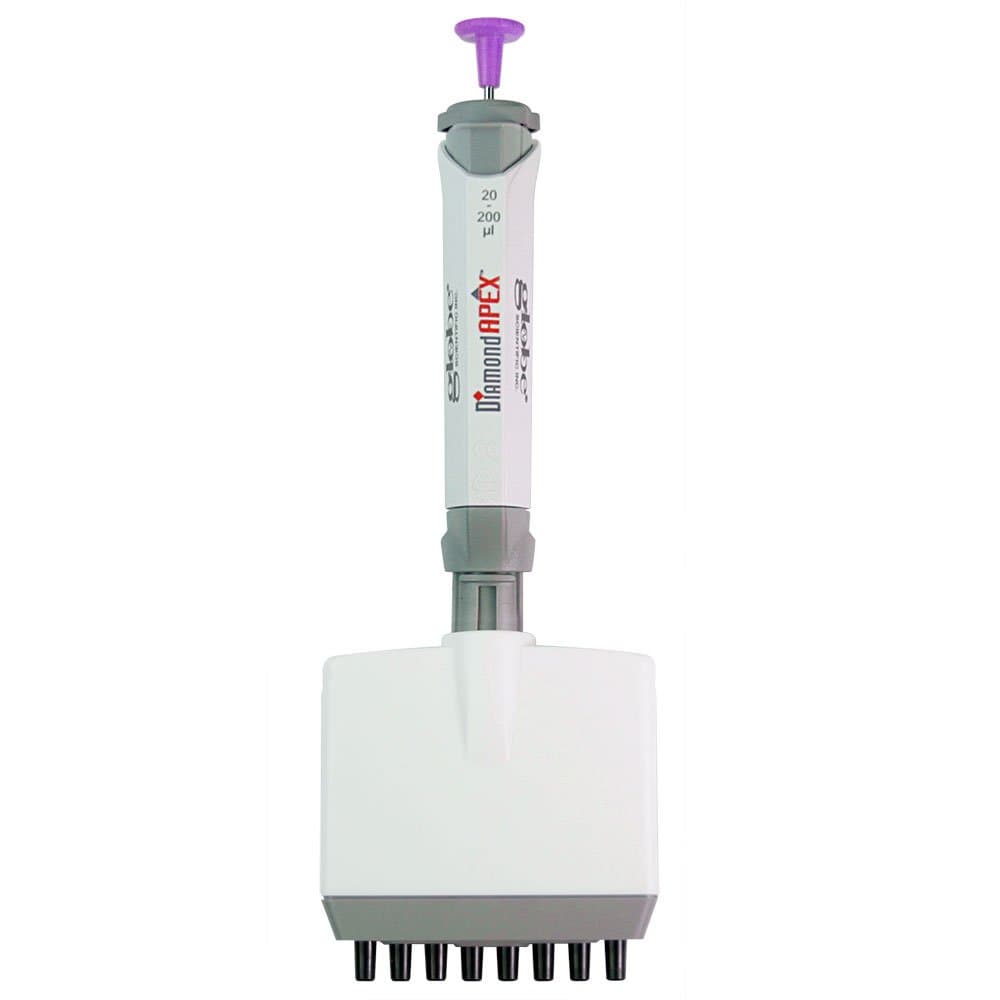
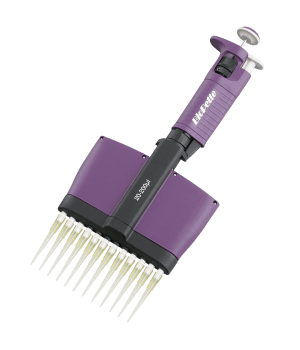
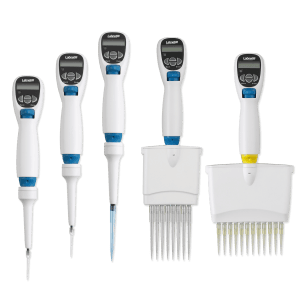
Multi-channel pipettors are air-displacement instruments with 8 or 12 independent piston-tip cone assemblies arranged at standard 9 mm spacing, enabling simultaneous aspiration and dispensing across an entire row or column of a 96-well plate in a single stroke. Volume ranges span 0.5–300 µL across manual and electronic configurations; adjustable tip-spacing models accommodate 24-well and 384-well plate formats.
MBP Inc. supplies multi-channel pipettors from Eppendorf, Gilson, and Rainin to research labs across the USA and Canada, with PO and Quick Order purchasing available for institutional procurement teams. Request a quote today by contacting customerservice@mbpinc.net
Multi-Channel Pipettors
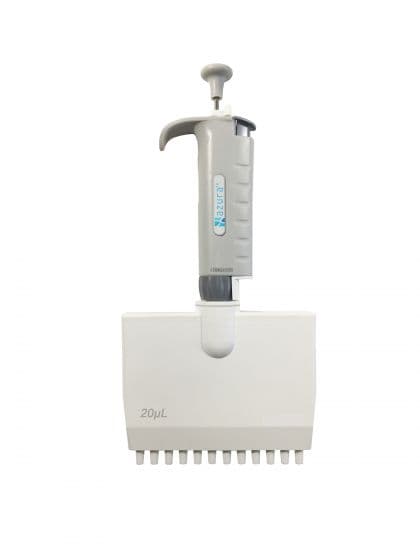

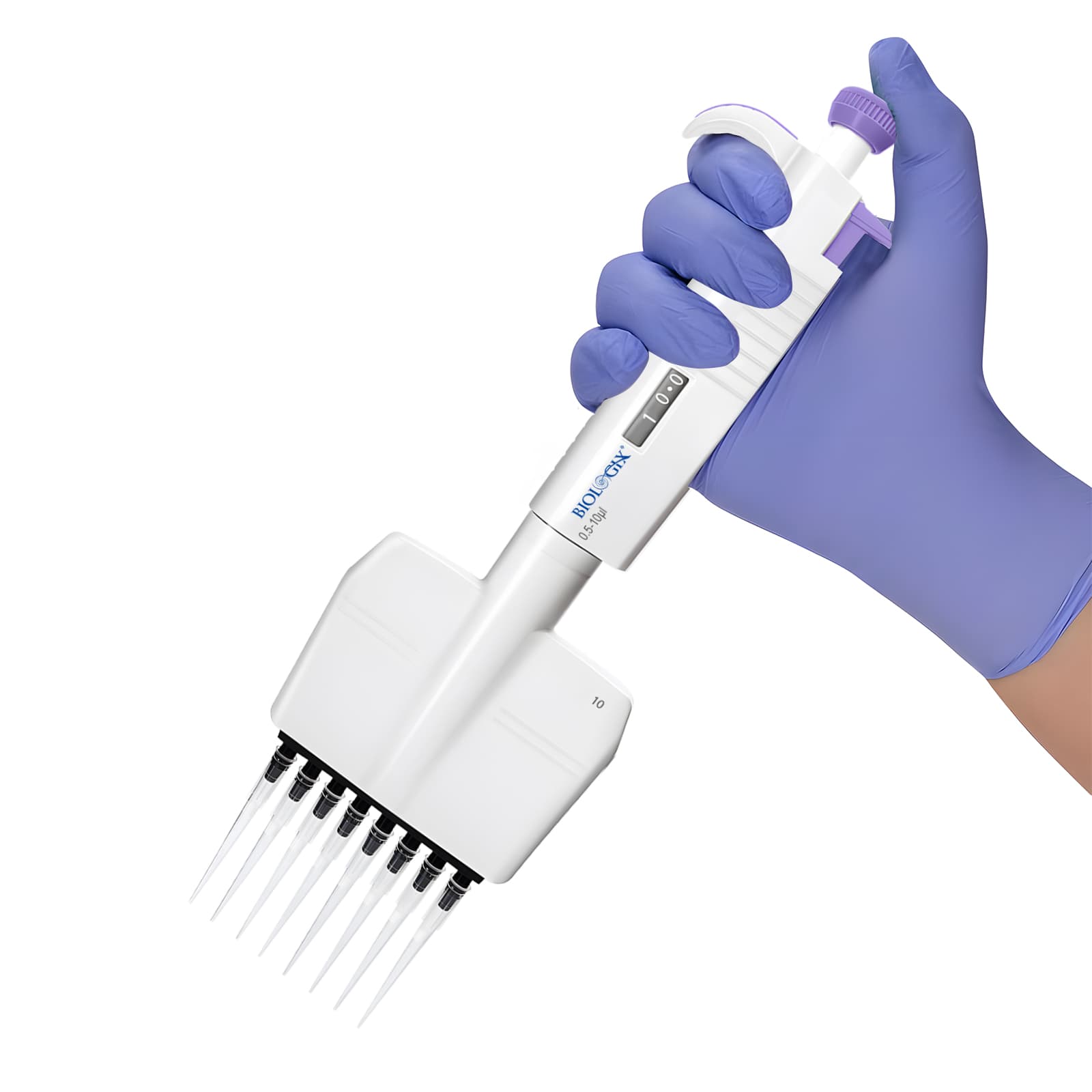
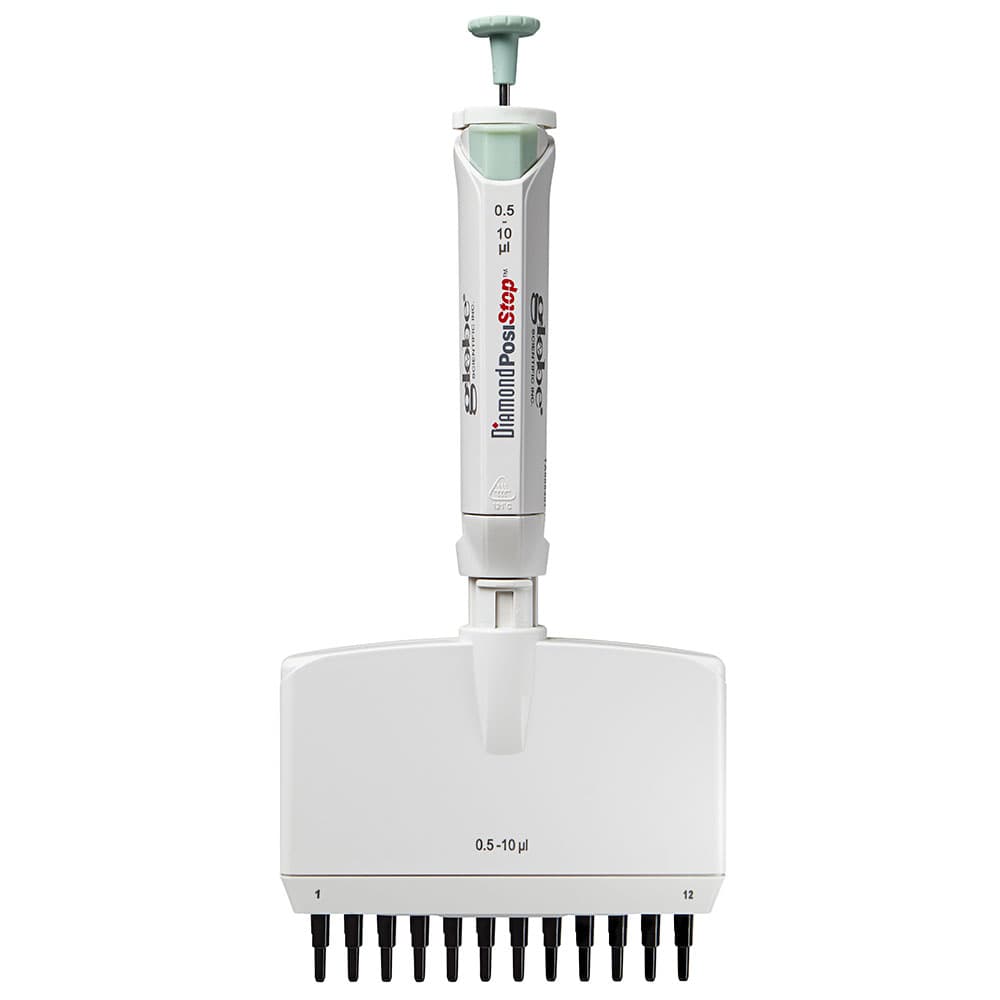
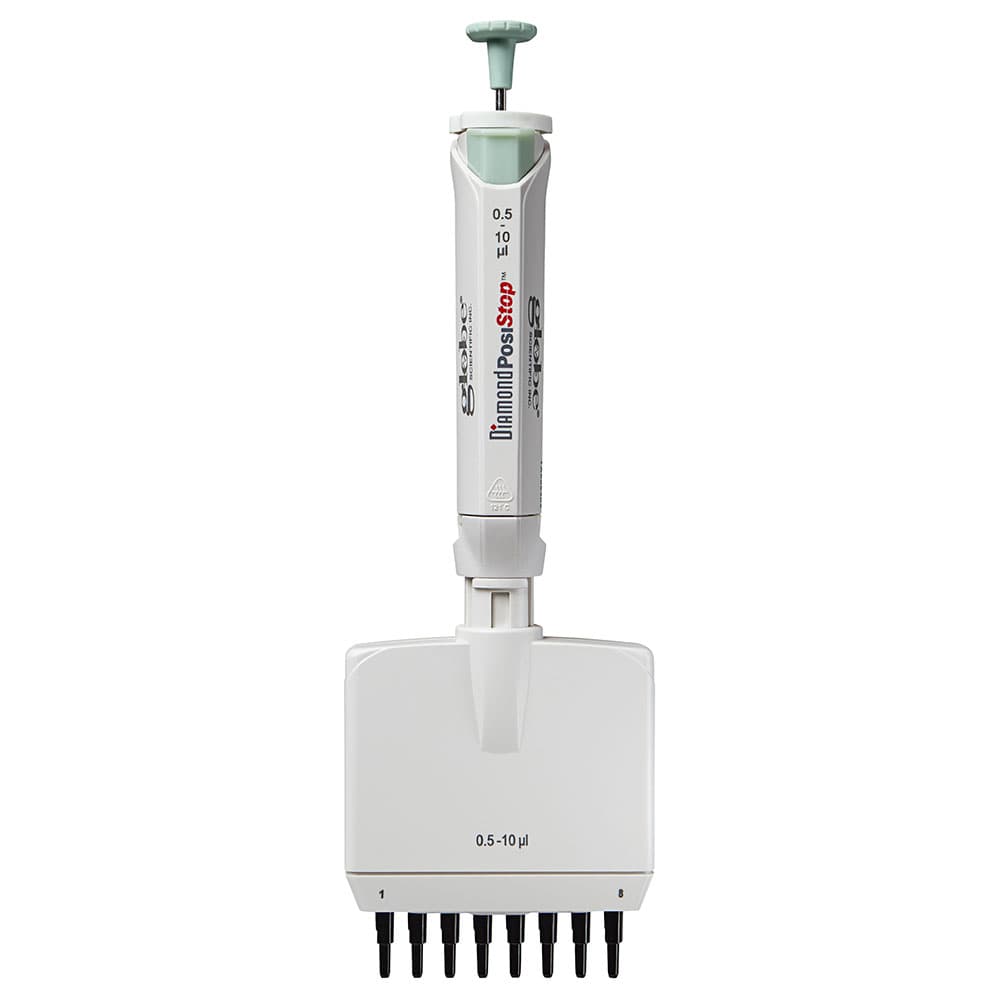

Showing 1 to 12 of 25 results
What Are Multi-Channel Pipettors?
A multi-channel pipettor contains 8 or 12 piston-tip cone assemblies arranged in a single row at 9 mm centre-to-centre spacing — matching the well spacing of standard 96-well plates — allowing an operator to simultaneously dispense into an entire plate row (12-channel) or column (8-channel) with a single plunger depression. This reduces the time to fill a 96-well plate from ~96 individual dispenses to 12 (8-channel) or 8 (12-channel). For 384-well plates, 16-channel models or adjustable-spacing multichannel pipettors accommodate the 4.5 mm inter-well spacing. Multi-channel pipettors are the standard instrument for ELISA plate loading, serial dilution across 96-well plates, PCR master-mix dispensing, and cell-based assay setup. An 8-channel pipettor fills a 96-well plate in 12 strokes; a 12-channel pipettor fills it in 8 — choose based on whether your workflow is row-based or column-based.
What you will find:
-
8-channel adjustable volume multi-channel pipettors
-
12-channel high-throughput pipettors
-
Mechanical multi-channel pipettors for routine use
-
Autoclavable multi-channel pipettors
-
Ergonomic lightweight pipettors for extended use
-
Calibrated precision multi-channel pipettors
-
Microplate-compatible pipettors for 96-well formats
How to Choose a Multi-Channel Pipettor
8-Channel vs 12-Channel
8-channel pipettors (8 rows) are used when working column-by-column across a 96-well plate — the standard for PCR setup, ELISA, and serial dilutions where samples run down columns. 12-channel pipettors (12 columns) are used when filling row-by-row, common for reagent dispensing from reservoirs across all 12 columns simultaneously. Both configurations dispense the same 96 wells per plate but in different orientations.
Volume Range
Common multi-channel volume ranges: 0.5–10 µL (for low-volume PCR or sequencing), 5–50 µL, 10–100 µL, and 20–200 µL (the most widely used range for ELISA and cell-based assays), and 30–300 µL. Select the range that places your most frequent dispense volume at 50–80% of the maximum for best accuracy.
Manual vs Electronic
Manual multi-channel pipettors (Eppendorf Research Plus Multichannel, Gilson PIPETMAN Multichannel) require no battery and are field-calibratable. Electronic multi-channel pipettors (Eppendorf Xplorer Multichannel, Rainin Pipet-Lite L8 LTS Electronic) add programmable speed, multi-dispense mode, and reduced plunger force — particularly valuable for high-throughput plate workflows.
Tip Compatibility
Multi-channel pipettors use the same tip collar geometry as single-channel models: standard conical for Eppendorf Research Plus and Gilson PIPETMAN (universal-fit 8-strip tips); LTS cylindrical for Rainin L8/L12 LTS (LTS 8-strip tips). Confirm tip format matches the multichannel instrument before ordering tip strips.
Adjustable Tip Spacing
Eppendorf Research Plus Move It and equivalent adjustable-spacing models allow spacing between channels to be set to 4, 6, 8, or 12 mm — enabling use with 24-well, 48-well, and 384-well plate formats without a dedicated instrument for each format.
Specifications Context
Multi-channel pipettors are subject to ISO 8655 Part 6 (multichannel piston-operated volumetric instruments). Standard accuracy specification for a 200 µL 8-channel model is ±1.5 µL systematic error; inter-channel CV should be ≤1.0% to ensure well-to-well reproducibility in plate-based assays. Autoclavable lower sections are standard on Eppendorf Research Plus and Gilson PIPETMAN multichannel models. Eppendorf Research Plus Multichannel and Rainin Pipet-Lite L8/L12 LTS remain the dominant manual multichannel platforms in North American research labs.
Tired of the one-well-at-a-time grind? Let’s speed things up. Reach out to the MBP team today for a quote on the multi-channel system that fits your lab’s pace.
FAQ