Real-Time PCR Master Mixes for SYBR and Probe Chemistries
Real-time PCR master mixes are 2x concentrated, ready-to-use formulations containing a qPCR-optimized DNA polymerase, dNTPs, MgCl₂, and reaction buffer, available in dye-based (SYBR Green) and hydrolysis probe-based chemistries for real-time nucleic acid quantification. Adding template and primers — or template, primers, and probe for probe-based formats — completes the reaction setup.
Available in AzuraQuant™, AzuraView™, Accuris qMAX, and BlasTaq formats, these reagents support gene expression analysis, genotyping, and other quantitative PCR workflows across compatible real-time PCR instrument platforms. Contact customerservice@mbpinc.net to request a quote today!
Real time PCR Master Mixes
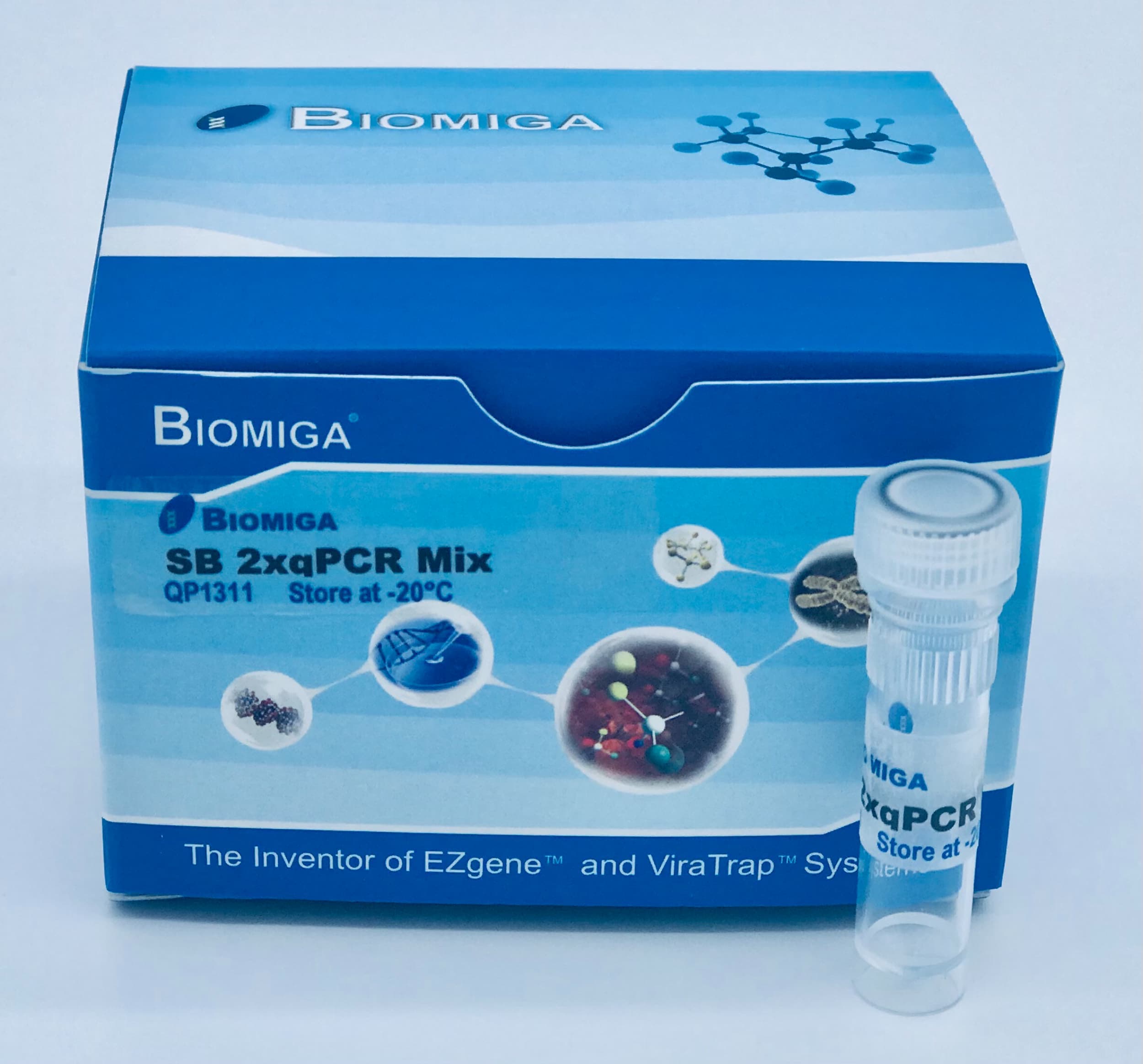
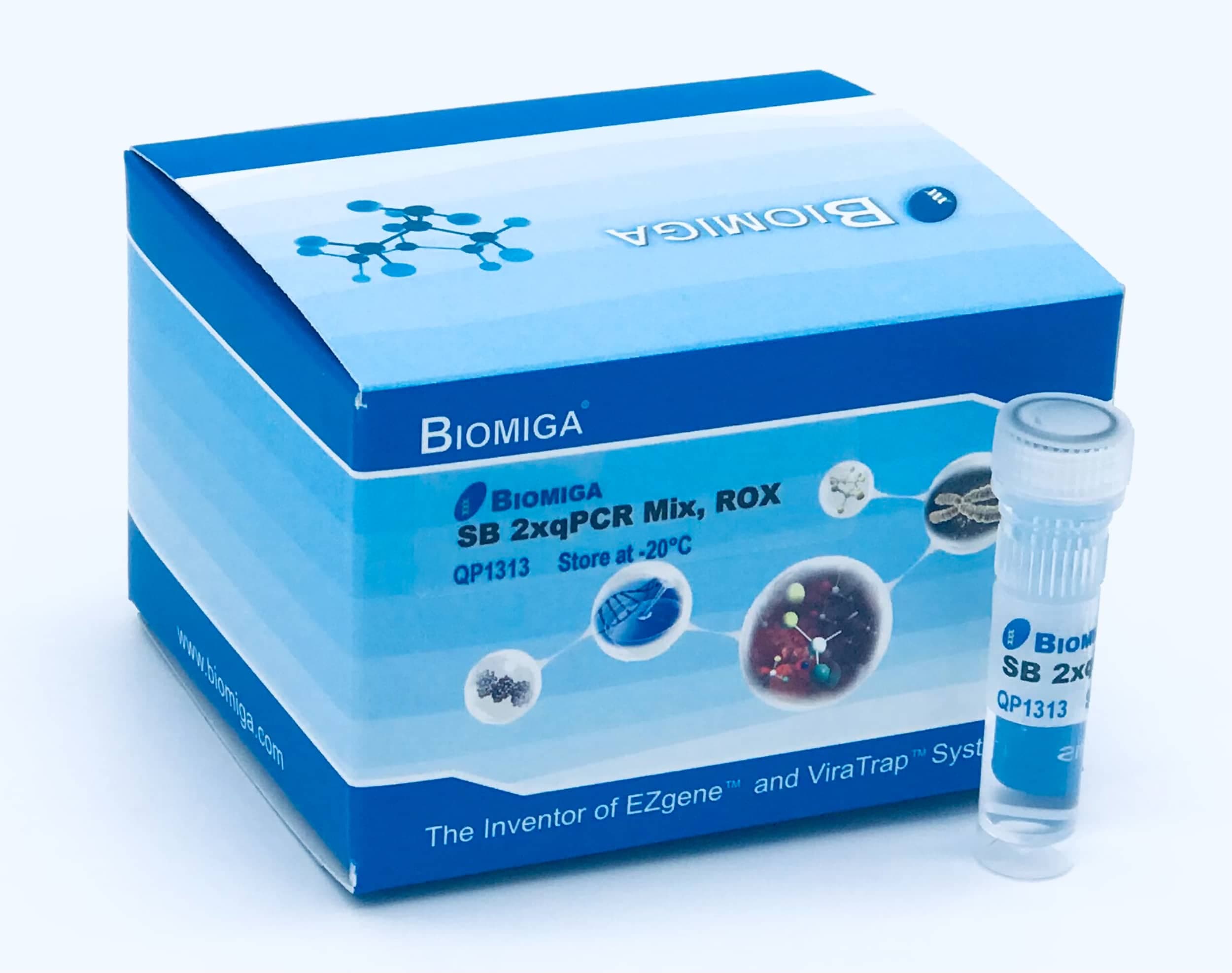
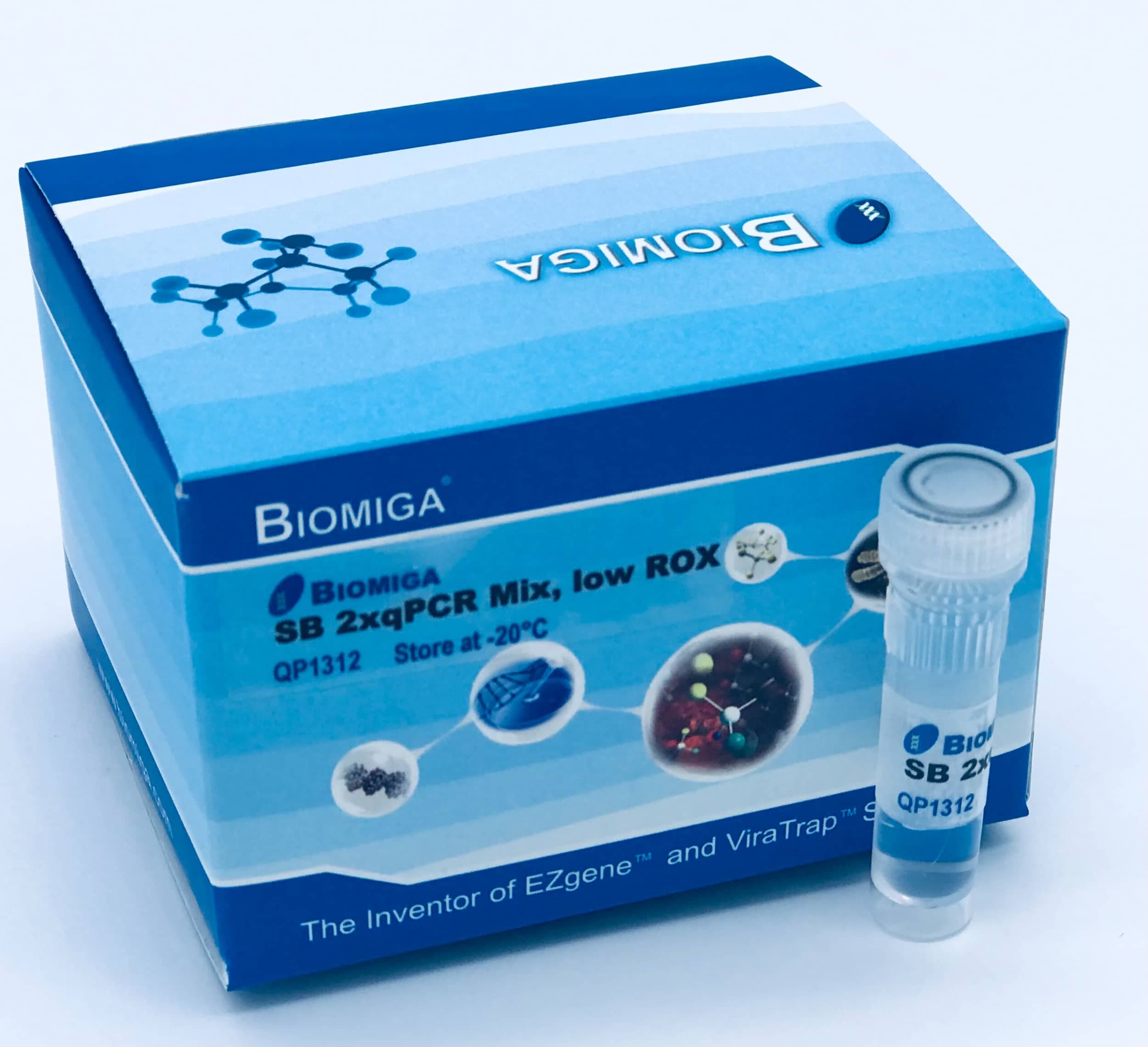
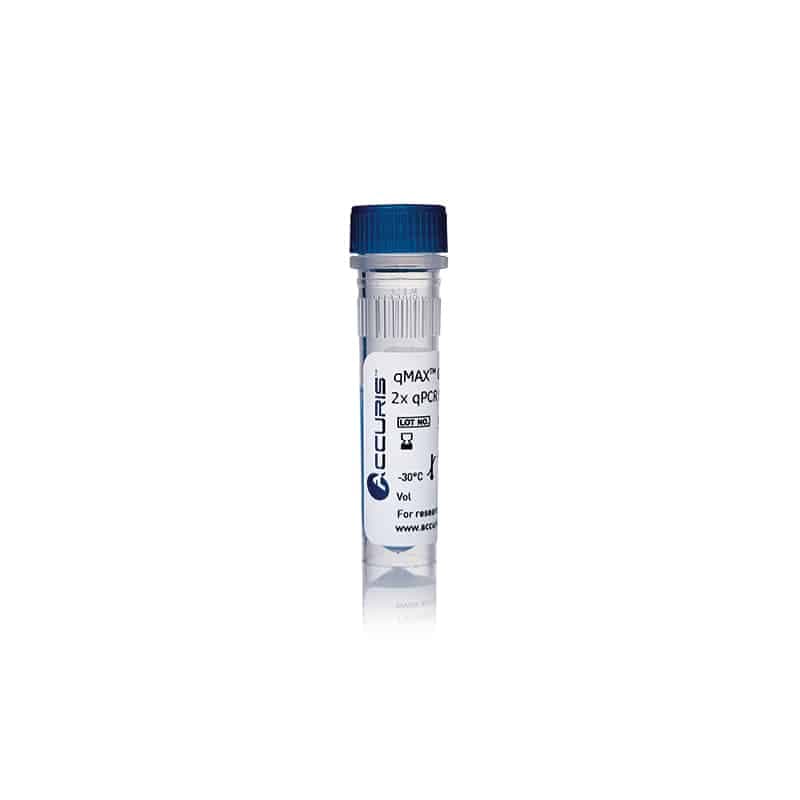
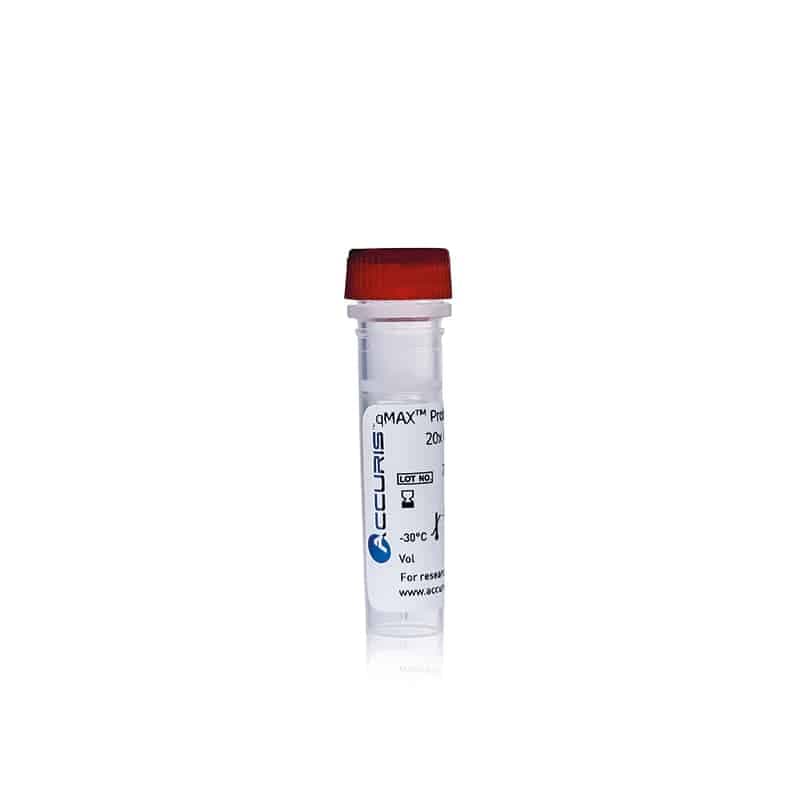
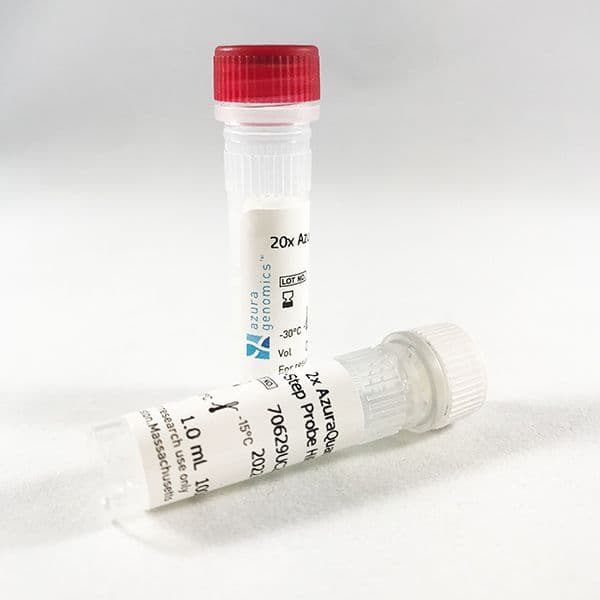
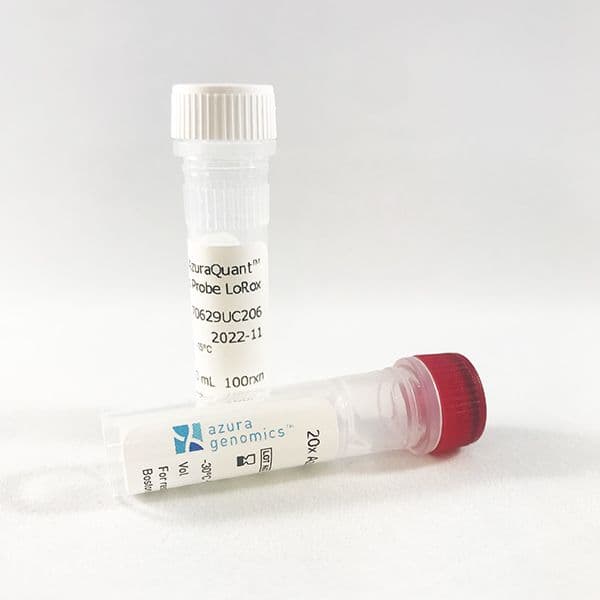
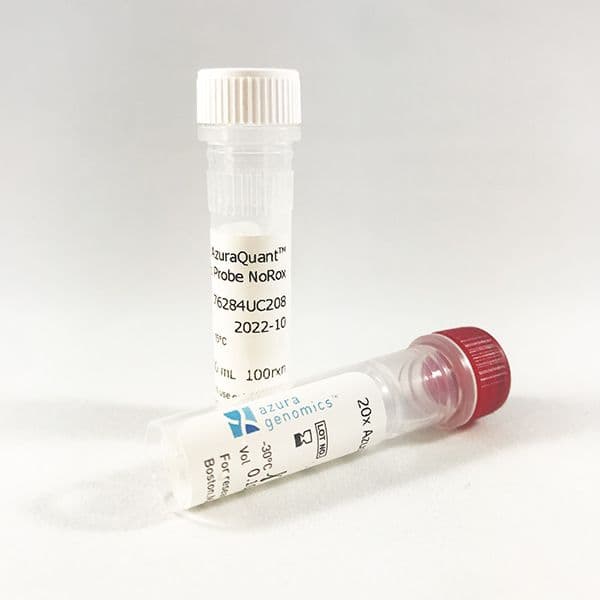

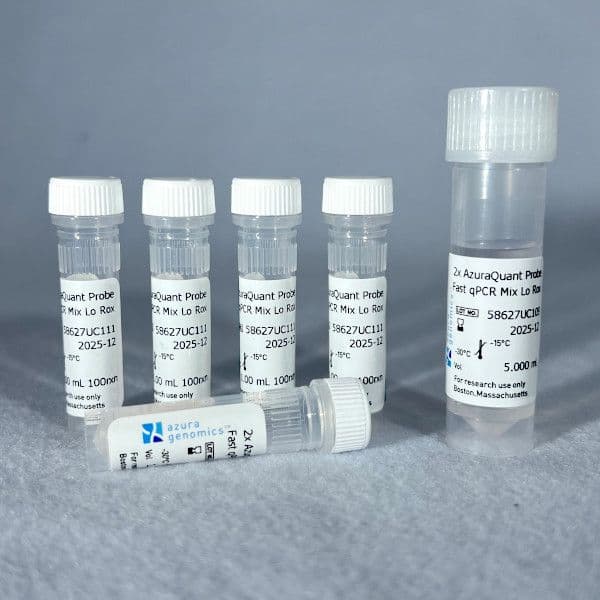
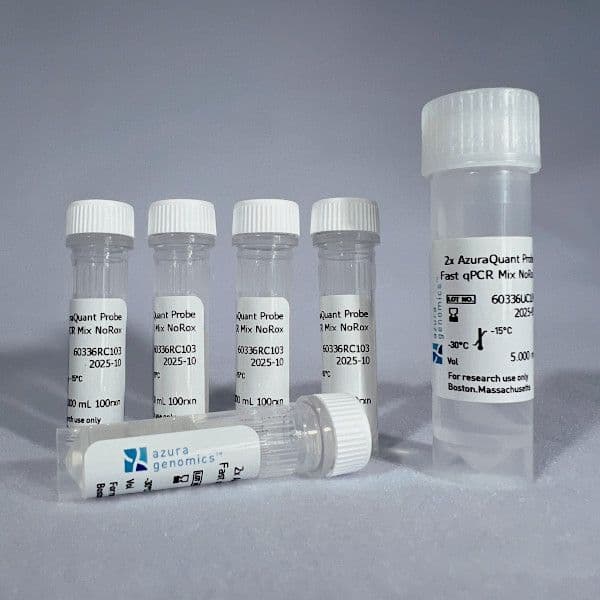
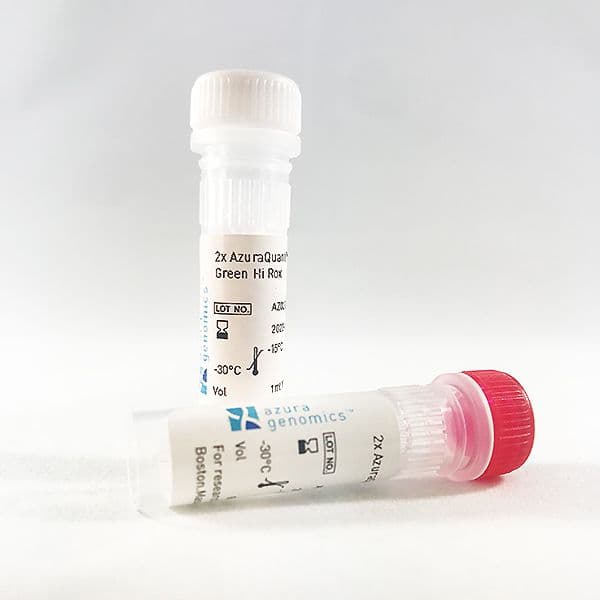
Showing 1 to 12 of 22 results
What Are Real-Time PCR Master Mixes?
A real-time PCR master mix is a 2x concentrated, pre-formulated solution containing a hot-start Taq DNA polymerase, dNTPs, MgCl2, and an optimised reaction buffer, designed for quantitative amplification of DNA targets -- including cDNA and genomic DNA -- by real-time PCR. Dye-based (SYBR Green) master mixes include a fluorescent DNA-binding dye and rely on primer design for specificity, while primer-probe master mixes are formulated for use with sequence-specific hydrolysis probes such as TaqMan, offering higher specificity and multiplexing. TL;DR: Choose a SYBR Green dye-based master mix for flexible, cost-effective quantification across many targets without per-assay probe design; choose a primer-probe master mix when higher specificity, multiplexing, or compatibility with an existing probe-based assay is required.
What you will find:
-
SYBR/Dye-Based qPCR master mixes: deliver discrete melting curve analysis and high signal brightness utilizing high-affinity intercalating dyes
-
SYBR/Primer-Probe formulations: flexible target detection by integrating versatile dye chemistry along with sequence-specific hybridization
-
Primer-Probe: use dual-labeled fluorogenic probes for multi-target multiplexing and maximum specificity
How to Choose a Real-Time PCR Master Mix
Chemistry Family
Dye-based (SYBR Green) master mixes bind any double-stranded DNA formed during amplification and are compatible with any primer pair, making them broadly applicable across targets without designing a probe. Primer-probe master mixes are formulated for hydrolysis-probe chemistries (TaqMan-style), where a fluorescently labelled, sequence-specific probe provides the detection signal alongside the primers.
Reference Dye Compatibility
Many real-time PCR instruments require a passive reference dye, commonly ROX, for well-to-well signal normalisation. SYBR Green master mixes are often available with or without ROX, and primer-probe master mixes may include ROX as standard -- confirm compatibility with your specific instrument before ordering.
Primer Melting Temperature Range
Master mix buffer formulations are typically validated across a defined primer melting temperature (Tm) range -- commonly in the 55-65 °C range for SYBR Green master mixes -- providing flexibility when working with primers designed to different Tm targets without extensive re-optimisation.
Carryover Contamination Control
Some dye-based master mixes incorporate uracil-DNA glycosylase (UDG) and dUTP, which help prevent re-amplification of carryover product from previous reactions -- a useful feature for high-throughput labs running the same assay repeatedly.
Hot-Start Polymerase Technology
Many real-time PCR master mixes incorporate hot-start polymerase technology to reduce non-specific amplification and improve assay specificity during reaction setup. Product-specific activation requirements and workflow features vary by formulation and should be reviewed before assay development.
Specifications Context
SYBR Green dye-based master mixes are 2x concentrated and contain dNTPs, MgCl2, and DNA polymerase alongside the fluorescent dye; because SYBR Green binds any double-stranded DNA non-specifically, these mixes are compatible with any combination of primers and template, in contrast to most probe systems, which require a different probe for each target sequence. This lack of a sequence-specific probe requirement generally results in shorter assay development time and lower per-target cost for SYBR-based workflows. Primer-probe master mixes, by contrast, are formulated to support the additional probe component and often include ROX as standard for instrument compatibility. Real-time PCR master mixes are typically stored at −20 °C to −30 °C and protected from light; lot-specific CoAs documenting performance are available on request.
Contact the expert team at MBP today to source high-performance real-time PCR master mixes tailored to your research workflow.
FAQ