Primer-Probe Master Mixes for TaqMan-Style Real-Time PCR
Primer-probe master mixes are 2x formulations designed for hydrolysis-probe chemistries such as TaqMan, where a fluorescently labelled, sequence-specific probe is cleaved during amplification to generate a signal proportional to target abundance. Available in HiROX, LoROX, and ROX-free configurations, these mixes support highly specific target detection and multiplex assay design compared with dye-based qPCR formats.
Academic researchers running pathogen detection, genotyping, or multiplex gene expression studies benefit from the specificity and flexibility these formulations provide. Request a quote today by contacting customerservice@mbpinc.net
Primer-Probe

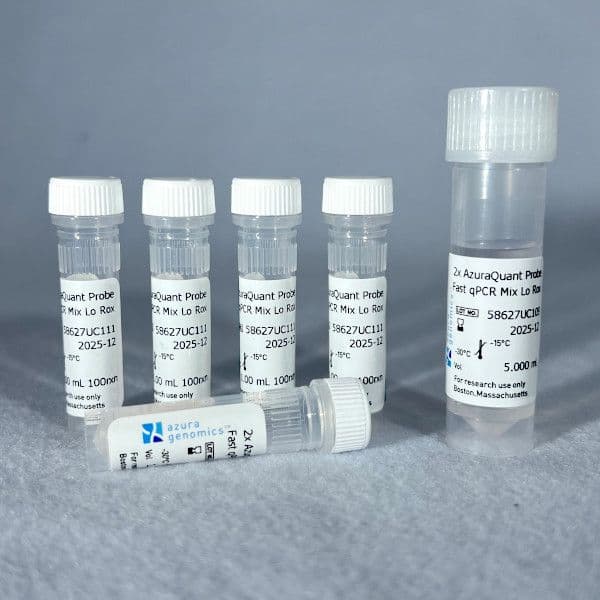
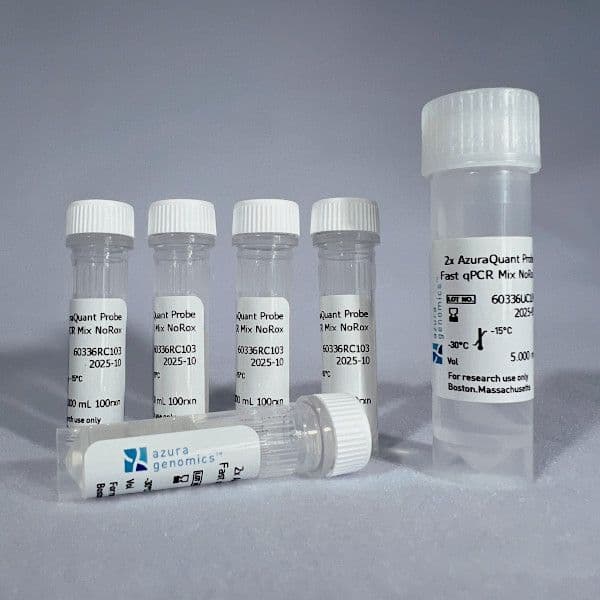
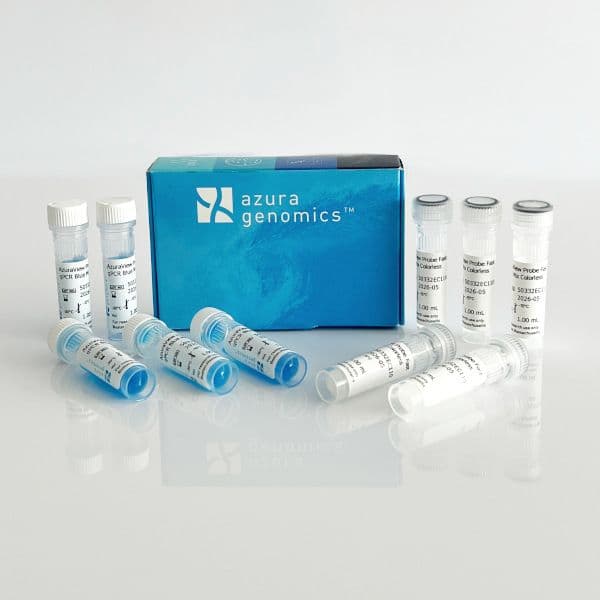
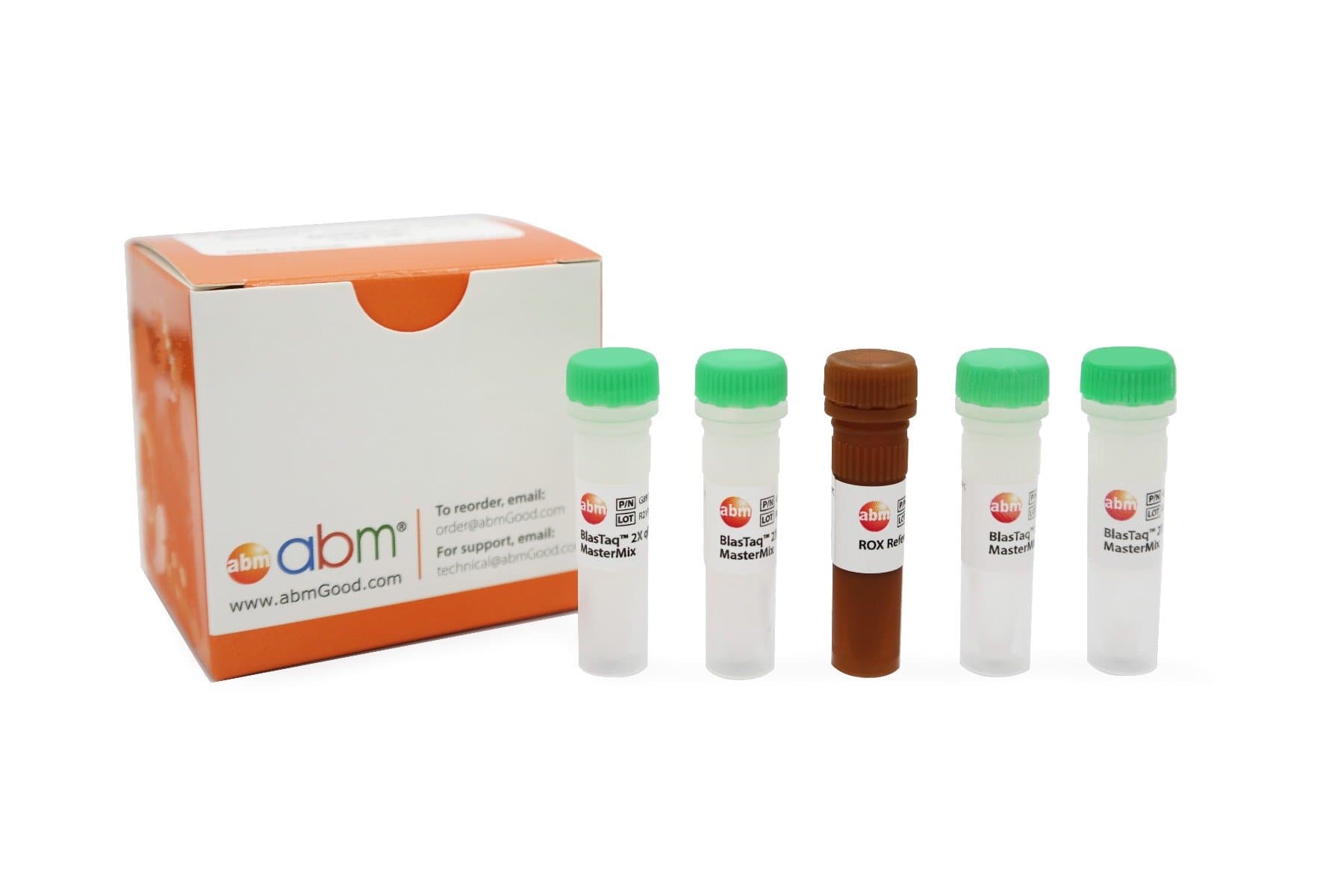
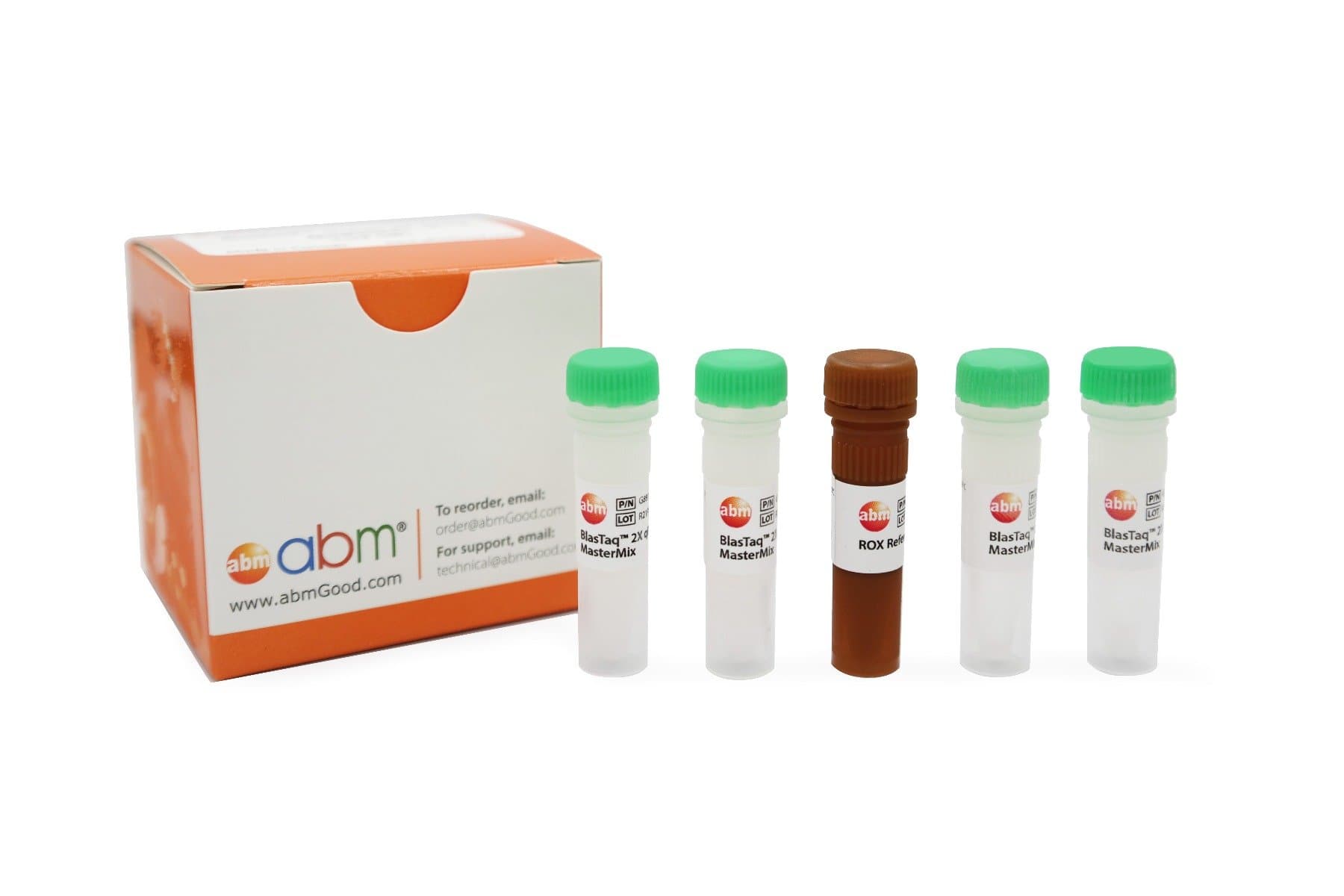
Showing 1 to 8 of 8 results
What Is a Primer-Probe Master Mix?
A primer-probe master mix is a 2x concentrated formulation built around a hot-start Taq DNA polymerase, dNTPs, MgCl2, and optimised buffer, designed for use with hydrolysis-probe detection chemistries such as TaqMan. Unlike SYBR Green dye-based mixes, primer-probe formulations rely on a separately added, fluorescently labelled, sequence-specific probe combined with target-specific primers to generate the detection signal, with specificity coming from both primer and probe sequence matching. Choose a primer-probe master mix when assay specificity is critical, when multiplexing several targets in one well is needed, or when working with an established probe-based assay design.
What you will find:
- Probe-based qPCR master mixes with HiROX, LoROX, and ROX-free options for compatibility across a range of real-time PCR instruments.
- Hot-start polymerase formulations designed to support specific target detection in hydrolysis probe (TaqMan-style) qPCR assays.
- Blue tracking dye probe master mixes for easier reaction setup and visual pipetting confirmation.
- 2X ready-to-use probe qPCR master mixes containing optimized buffers, dNTPs, and polymerase components.
- One-step probe RT-qPCR formats that combine reverse transcription and real-time PCR amplification in a single tube for RNA analysis.
How to Choose a Primer-Probe Master Mix
Reference Dye Inclusion
Primer-probe master mixes commonly include ROX as a passive reference dye for signal normalisation across wells on instruments that require it -- confirm whether your real-time PCR instrument needs ROX and whether the chosen master mix includes it or requires separate addition.
Multiplexing Capability
A core advantage of probe-based chemistry is multiplexing -- detecting multiple targets in a single well using probes labelled with spectrally distinct fluorophores. Confirm the master mix is validated for the number of multiplexed targets your assay requires.
Probe Chemistry Compatibility
While TaqMan-style hydrolysis probes are the most common, other probe chemistries such as Scorpion primers, exist; confirm the master mix is formulated for compatibility with your specific probe chemistry.
Primer and Probe Concentration Guidelines
Standard setups commonly use primer pairs at a final concentration around 0.5 µM and probes at 0.25-0.5 µM -- confirm the master mix manufacturer's recommended ranges, since probe concentration affects both signal intensity and background.
One-Step vs. Two-Step Application
Primer-probe master mixes are used in both two-step workflows (with a separately generated cDNA template) and as the chemistry component within one-step RT-qPCR kits -- confirm which configuration matches your workflow when selecting a product.
Specifications Context
In probe-based qPCR, the 5'-3' exonuclease activity of the Taq DNA polymerase cleaves the dual-labelled probe annealed to the target sequence during amplification, separating a fluorescent reporter from its quencher and generating signal proportional to target abundance -- the mechanism underlying the widely used TaqMan probe system. Because both primer and probe sequence must match the target for signal generation, probe-based assays generally offer higher specificity than dye-based detection, and because probes can be labelled with spectrally distinct fluorophores, multiple targets can be detected in a single well. Standard reaction setup adds primer pairs at approximately 0.5 µM and probes at 0.25-0.5 µM to the 2x master mix. Primer-probe master mixes are typically stored at −20 °C to −30 °C and protected from light; lot-specific CoAs are available on request.
Contact the expert team at MBP today and get optimized Primer-Probe real-time master mixes for your lab.
FAQ