Nucleic Acid Extraction Kits for DNA, RNA, and Plasmid
Nucleic acid extraction kits provide the lysis buffers, binding columns or magnetic beads, wash buffers, and elution reagents needed to purify DNA, RNA, or plasmid DNA from a wide range of starting materials, including blood, tissue, cells, bacteria, plants, and viral samples. Silica spin-column and magnetic bead-based formats dominate the category, each offering different throughput and automation profiles.
Academic researchers across molecular biology applications benefit from MBP's range, covering genomic DNA, RNA, plasmid DNA, and co-extraction workflows. Request a quote today by contacting customerservice@mbpinc.net.
Nucleic Acid Extraction Kits
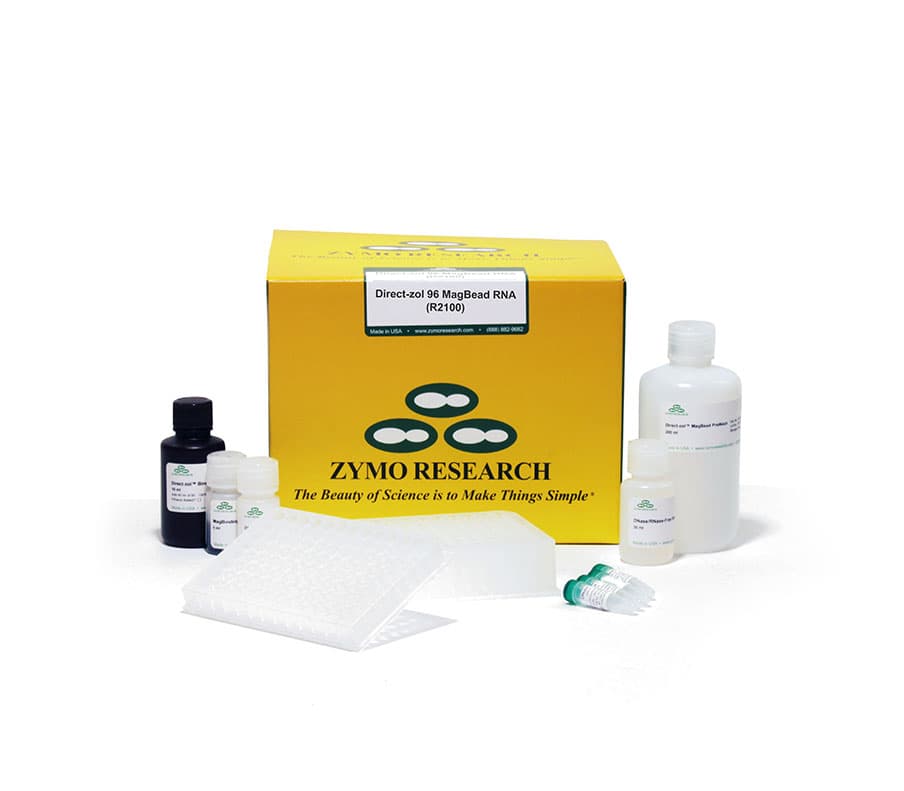
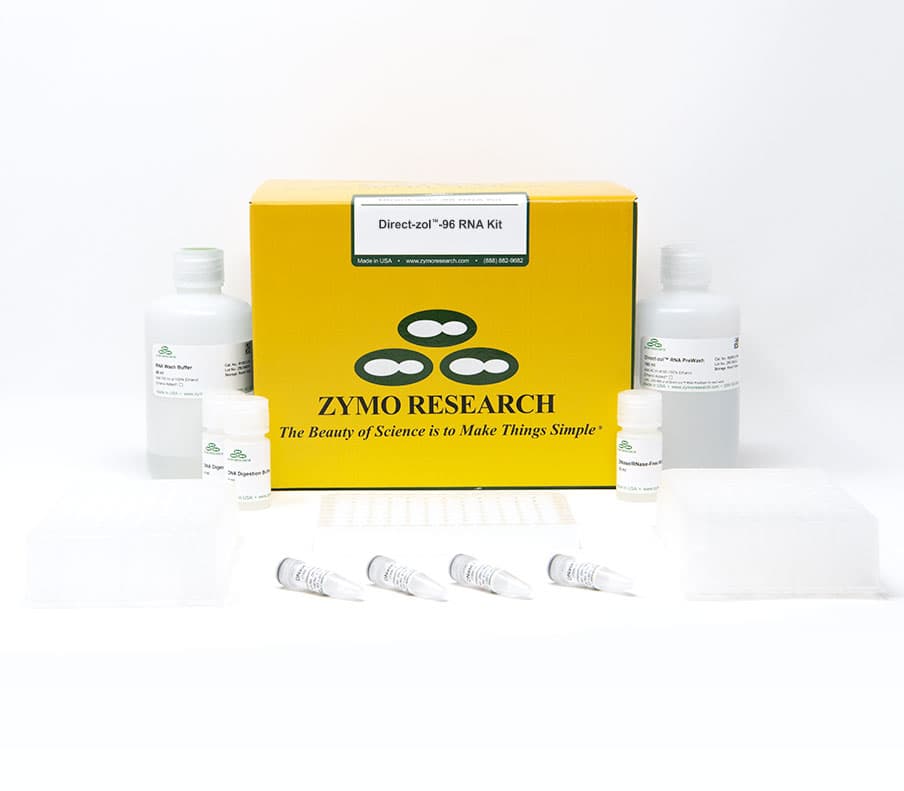
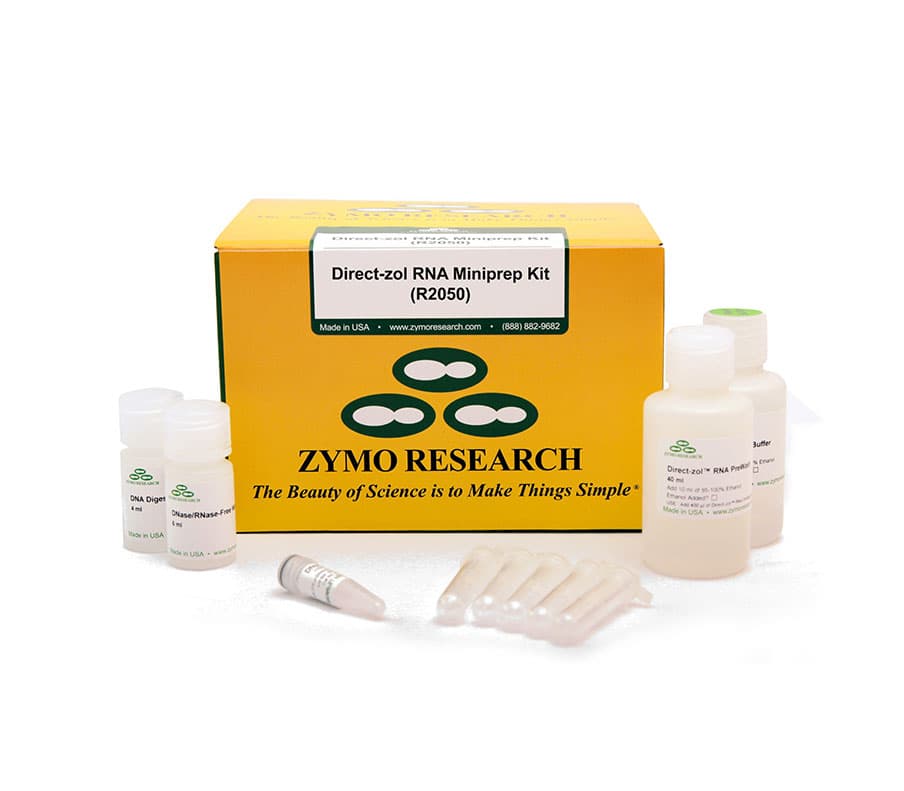
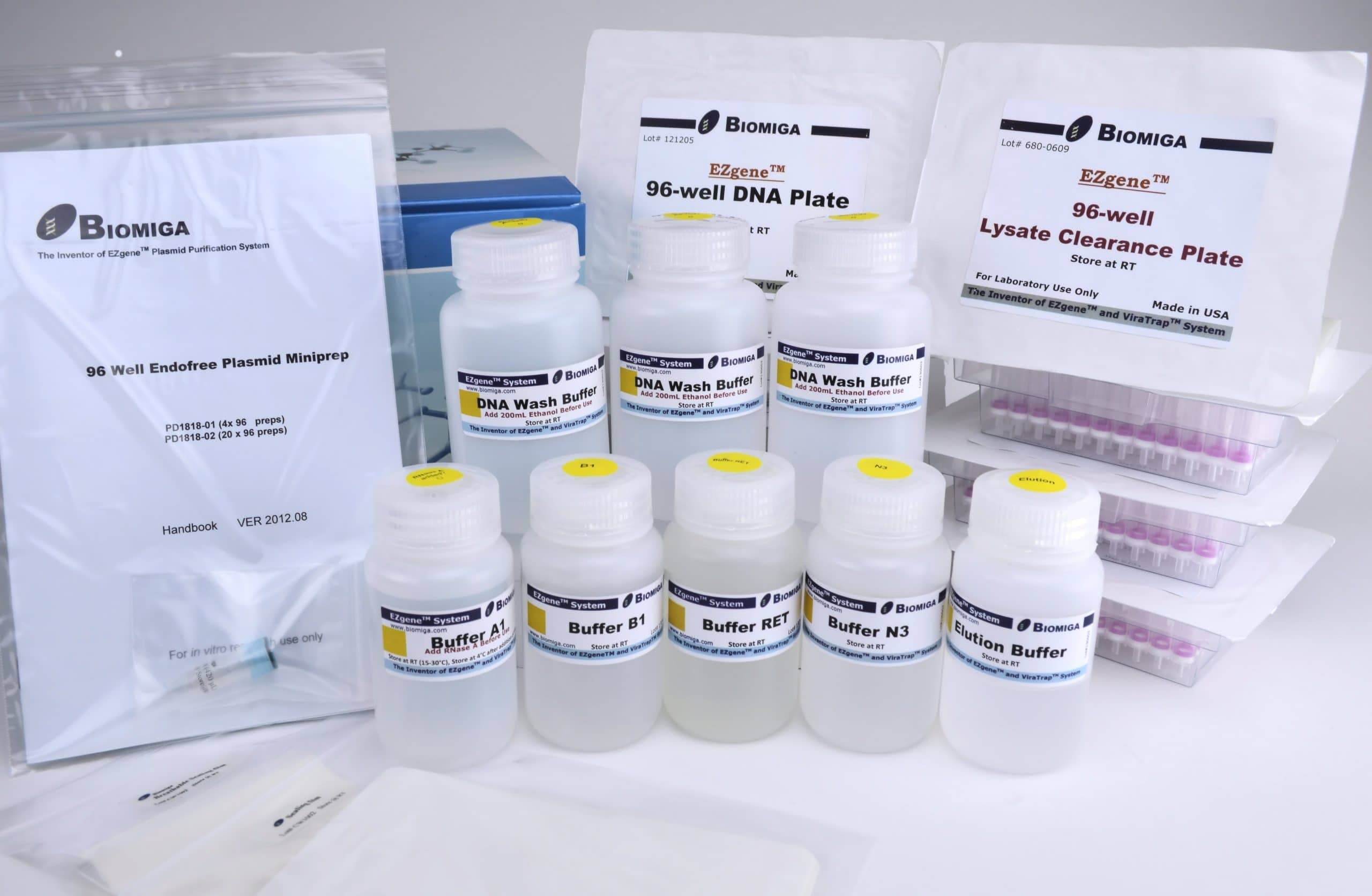


Showing 25 to 36 of 172 results
What Are Nucleic Acid Extraction Kits?
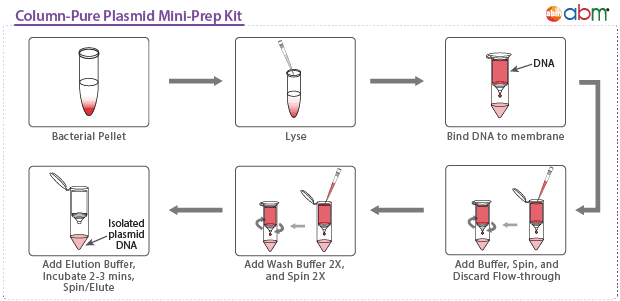
Nucleic acid extraction kits purify DNA, RNA, or plasmid DNA from biological starting material through a sequence of lysis, binding, washing, and elution steps. The two dominant purification chemistries are silica membrane spin columns, where nucleic acids bind to a silica matrix under chaotropic salt conditions and are washed free of contaminants before elution, and magnetic bead-based methods, where nucleic acids bind to paramagnetic particles that are captured and washed using a magnetic field. Choose silica spin-column kits for straightforward, low-to-moderate throughput extraction with simple centrifuge-based equipment; choose magnetic bead-based kits for high-throughput or automated workflows compatible with liquid handlers.
What You Will Find
-
Plasmid DNA Extraction Kits: for the contamination-free separation of plasmid DNA from fungal and bacterial culture systems
-
DNA Extraction Kits: for genomic and cell-free DNA purification from biologically diverse samples
-
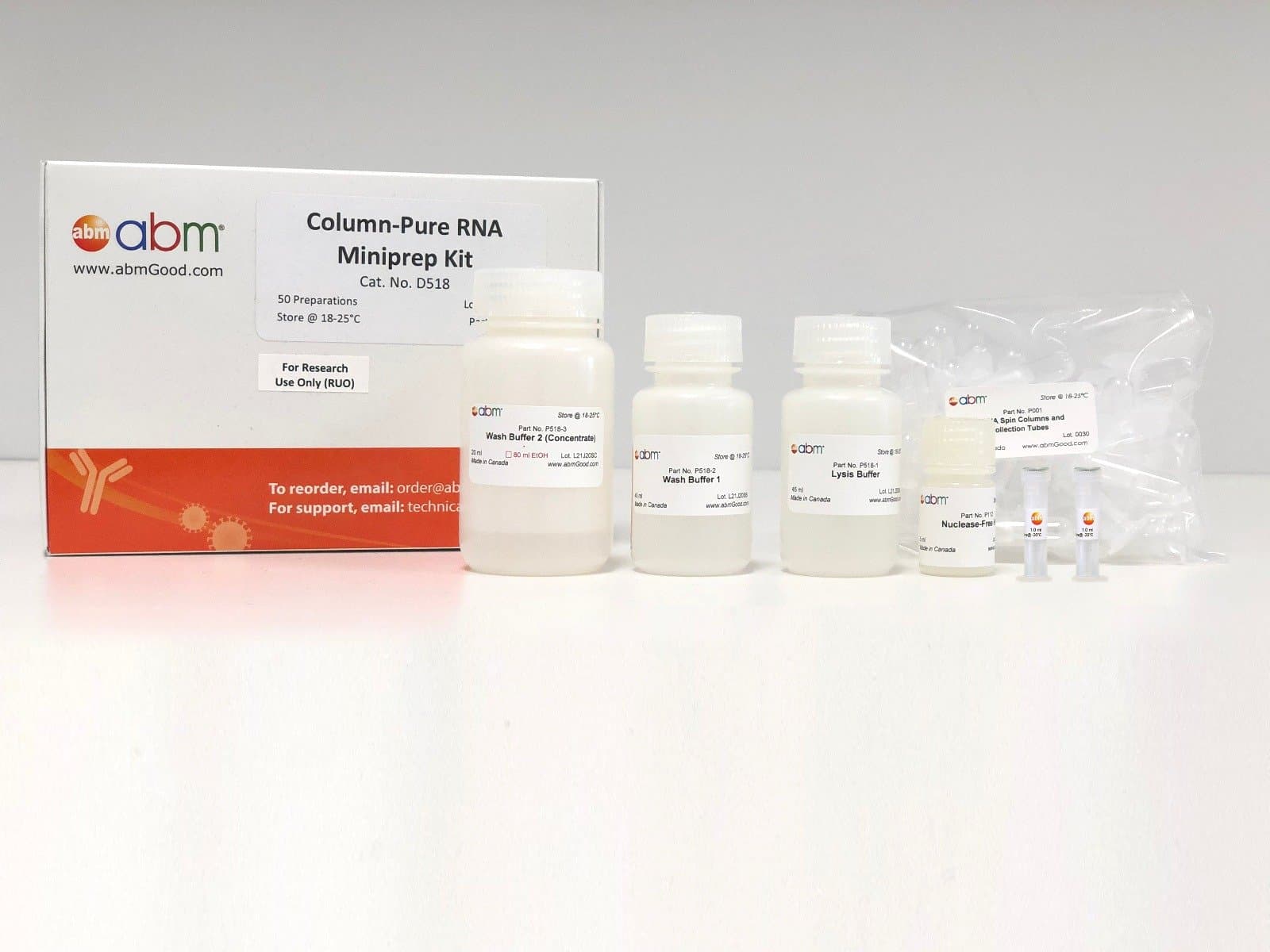
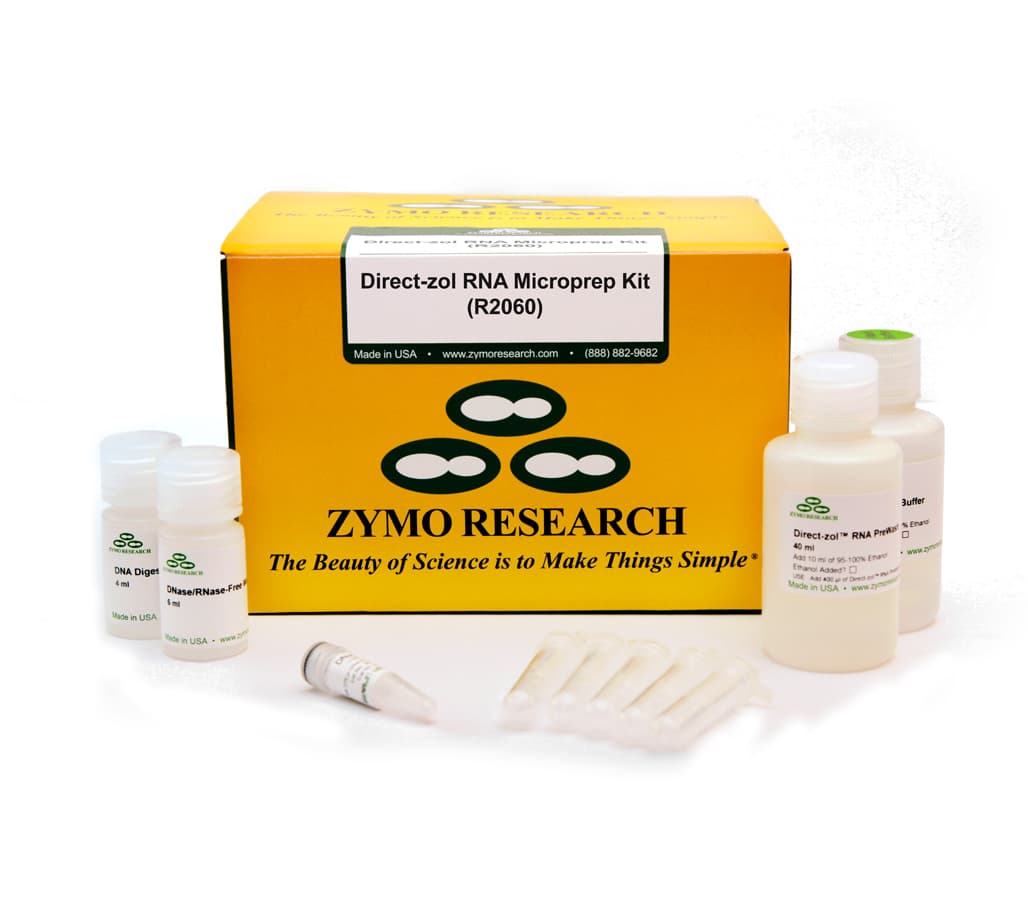
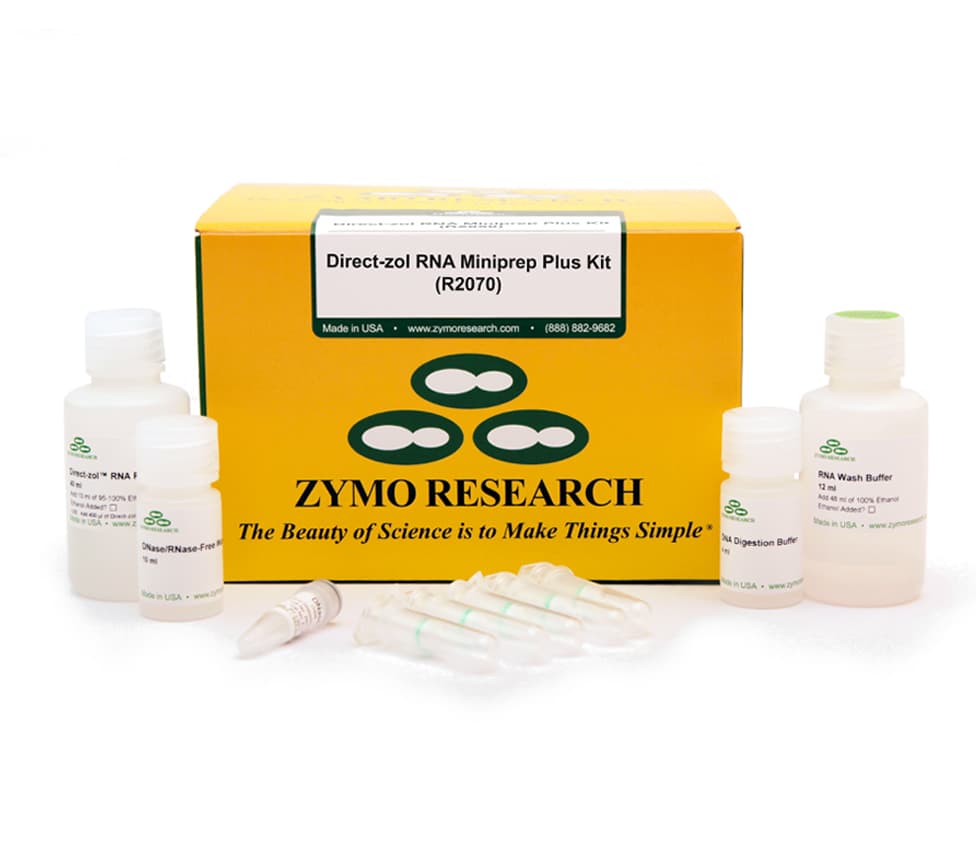
RNA Extraction Kits: provide analytically pure RNA isolation for sequencing and gene expression analysis
- DNA/RNA Co-Extraction Kits: for simultaneous separation of high-quality DNA/RNA from a single sample for streamlined molecular analysis
- Miscellaneous:for specialized purification and sample preparation of nucleic acid applications.
How to Choose a Nucleic Acid Extraction Kit
Target Molecule Type
Genomic DNA, total RNA, plasmid DNA, and viral nucleic acids each have dedicated kit formats optimized for their specific binding chemistry and contaminant profile. Selecting a kit designed for your target molecule generally yields better purity and downstream performance than a generic extraction approach.
Starting Material
Different starting materials, including whole blood, cultured cells, solid tissue, bacteria, yeast, plants, and viral transport medium, require different lysis conditions. Tissue often requires more aggressive lysis with Proteinase K, while plant material typically requires additional steps to remove polysaccharides and polyphenols.
Purification Chemistry: Silica Column vs. Magnetic Beads
Silica spin-column kits use simple centrifugation and are well suited to bench-scale, low-to-moderate throughput extraction. Magnetic bead-based kits eliminate the need for centrifugation, are compatible with automated liquid handlers and 96-well formats, and are the standard choice for high-throughput or automated extraction pipelines.
Yield, Purity, and Integrity Requirements
Downstream applications determine acceptable yield and purity thresholds. Routine PCR genotyping may tolerate moderate purity, while long-read sequencing applications require high-molecular-weight DNA with minimal fragmentation, often necessitating specialized extraction kits rather than standard spin-column formats.
Throughput and Automation
Spin-column kits in individual tube or 96-well plate formats suit manual or semi-automated workflows, while magnetic bead kits scale more readily to fully automated, high-throughput extraction using robotic liquid-handling platforms.
Specifications Context
In silica membrane extraction, nucleic acids adsorb to the silica matrix in the presence of high concentrations of chaotropic salts, which disrupt hydration shells and facilitate binding. Subsequent wash steps remove contaminants and inhibitors while nucleic acid remains bound, and a final low-salt buffer or water elution releases purified nucleic acid from the membrane. Magnetic bead-based kits use the same chaotropic-salt binding principle but capture nucleic acid-bound paramagnetic particles with a magnetic field rather than a silica membrane. This allows supernatant removal by aspiration without centrifugation and serves as a key enabler of automated, high-throughput workflows. Both chemistries are designed to eliminate the need for traditional phenol-chloroform extraction and alcohol precipitation. Extraction kits are typically stored at room temperature for buffer components, while enzymes such as Proteinase K or RNase A may require refrigeration or freezing. Lot-specific Certificates of Analysis (CoAs) are available on request.
Contact the MBP team today to discuss your DNA, RNA, plasmid, or co-extraction requirements and receive expert guidance on selecting the most suitable nucleic acid extraction kit for your workflow.
FAQ