DNA Extraction Kits for Genomic, Plasmid, and cfDNA Use
DNA extraction kits purify genomic DNA, cell-free DNA (cfDNA), or high-molecular weight-DNA from blood, tissue, cells, bacterial cultures, or plasma using silica spin-column or magnetic bead-based chemistries. Genomic DNA kits target high-quality DNA from cells and tissues for PCR, sequencing, and genotyping; plasmid DNA kits purify bacterial plasmid DNA for cloning and transfection; and cfDNA kits isolate short, fragmented circulating DNA from plasma.
Academic researchers benefit from MBP's range, covering genomic, plasmid, cell-free, and specialized DNA extraction workflows. Request a quote today for DNA extraction kits optimized for genomic DNA, plasmid DNA, cell-free DNA, and advanced sequencing applications by contacting customerservice@mbpinc.net.
DNA Extraction Kits
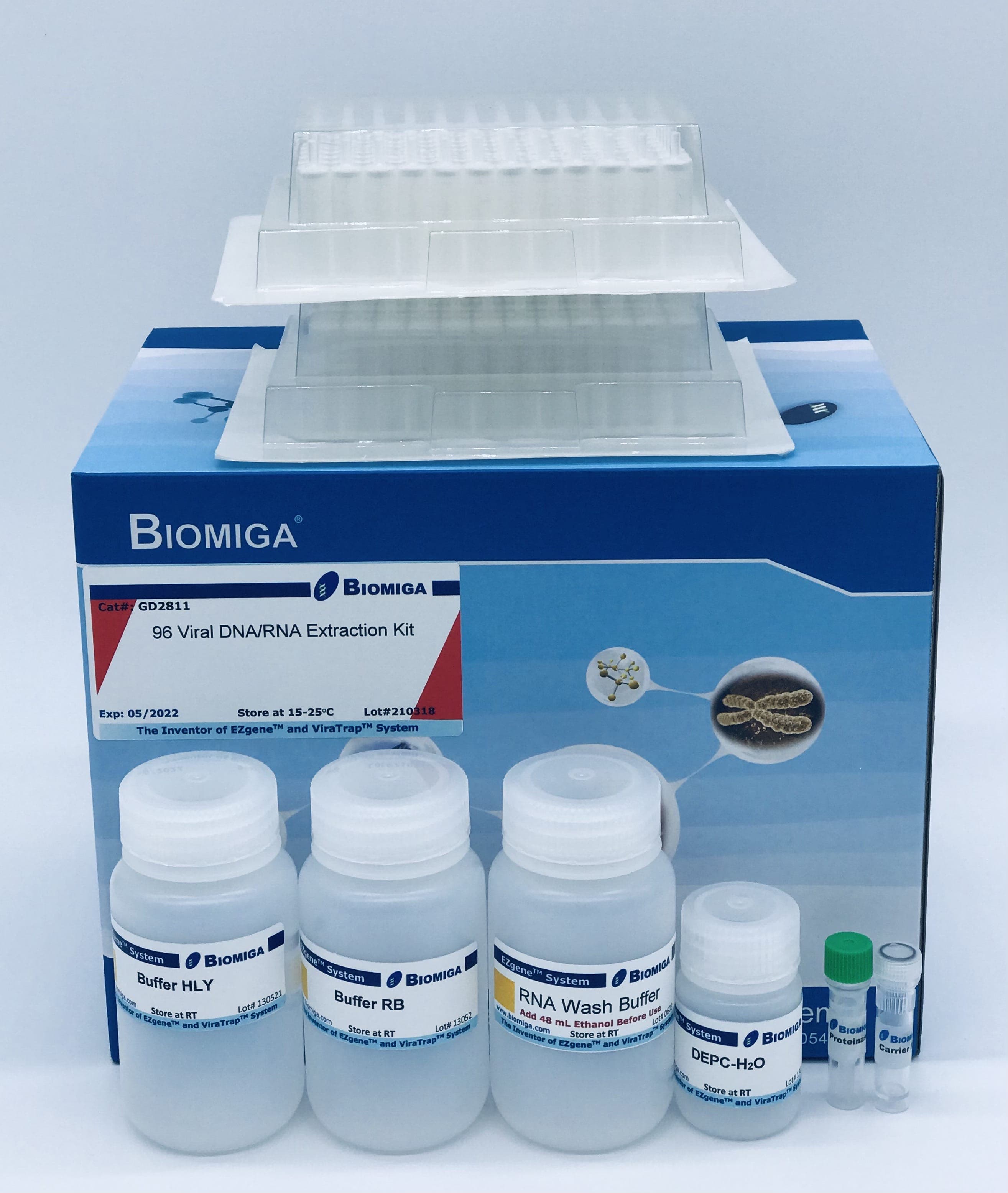
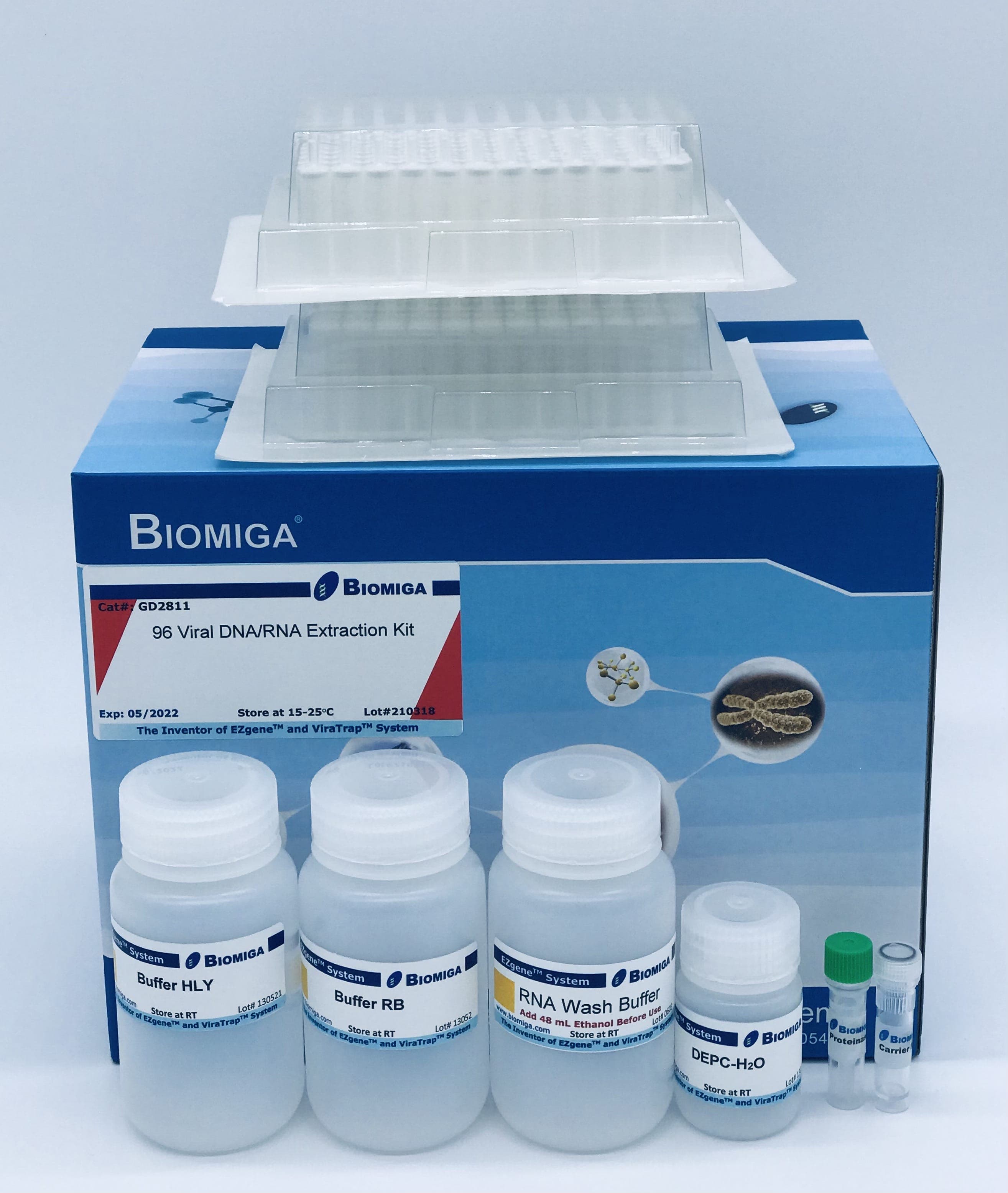

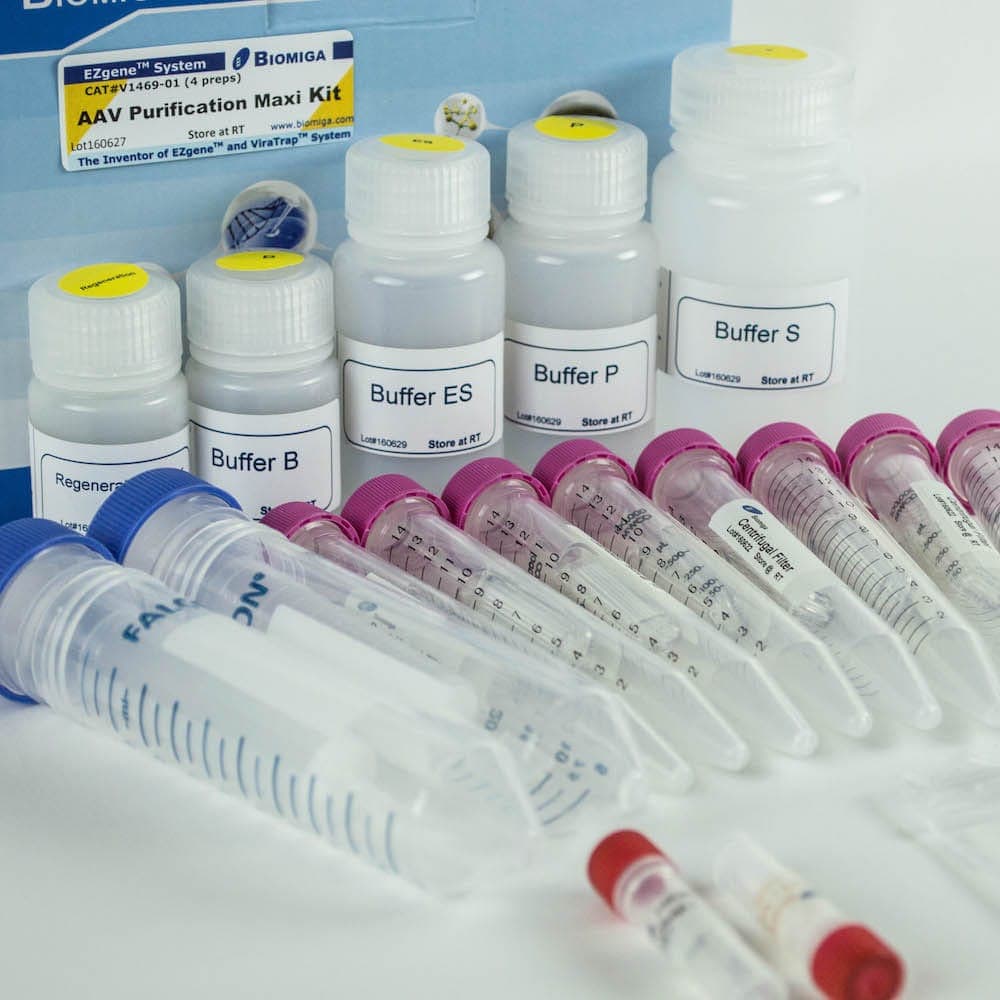
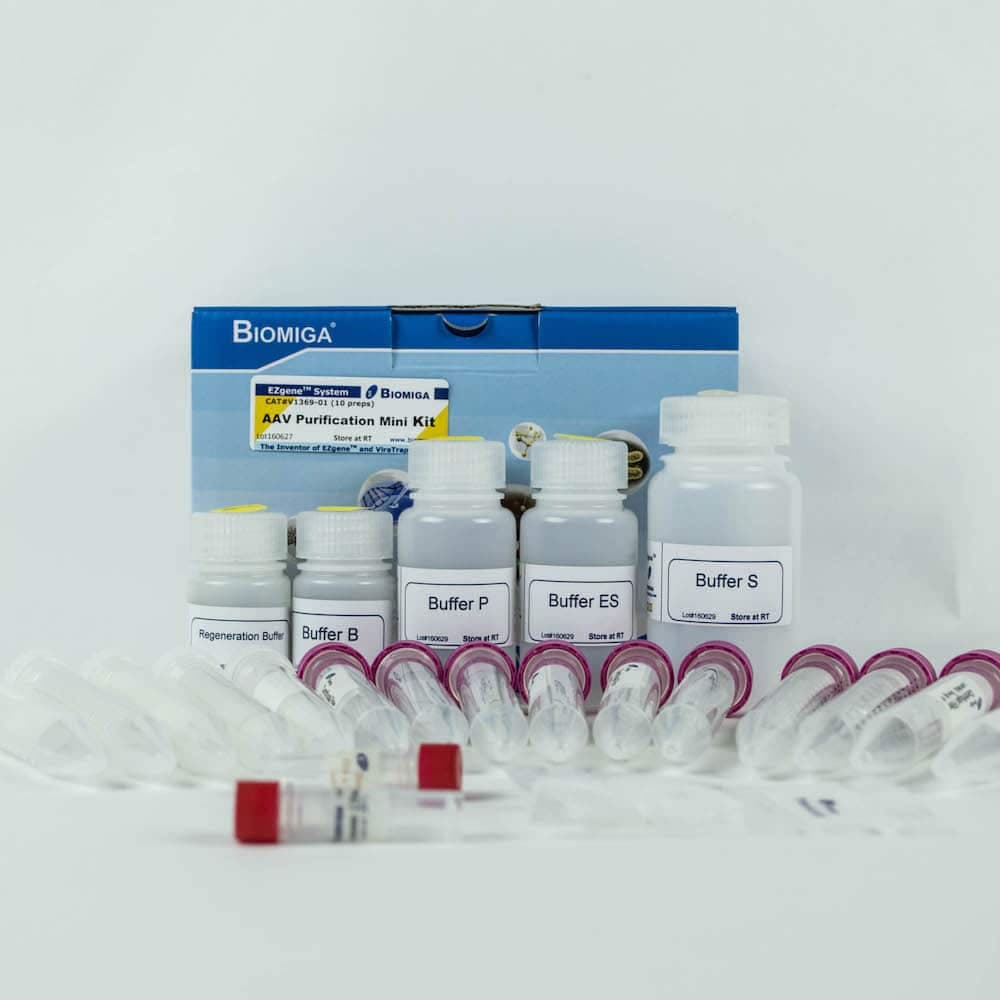
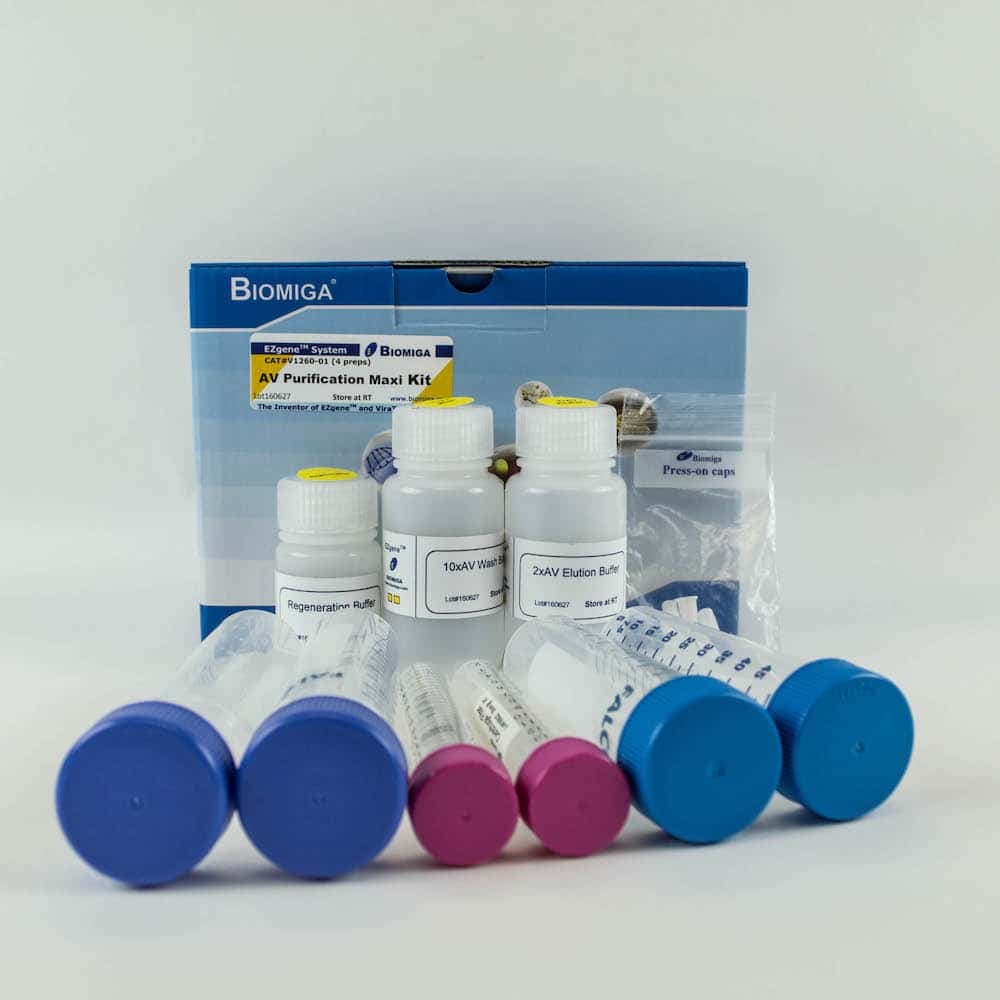
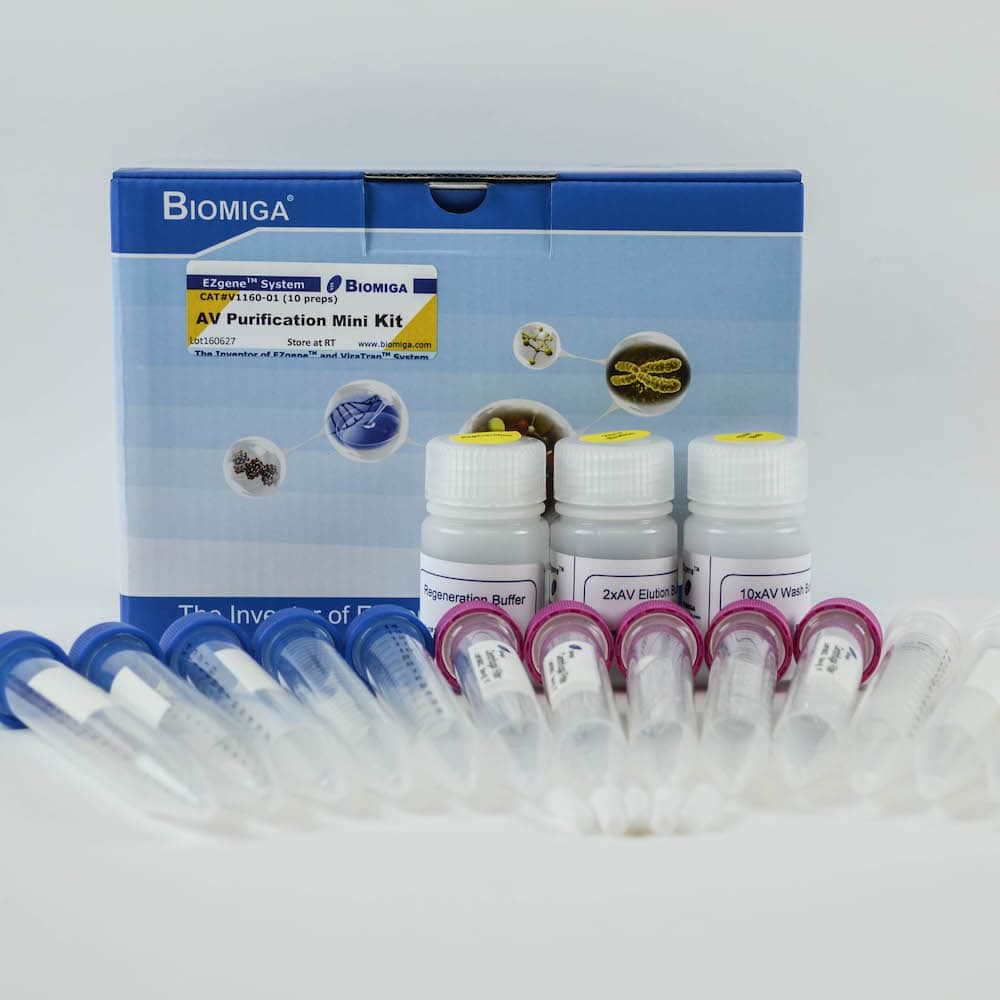


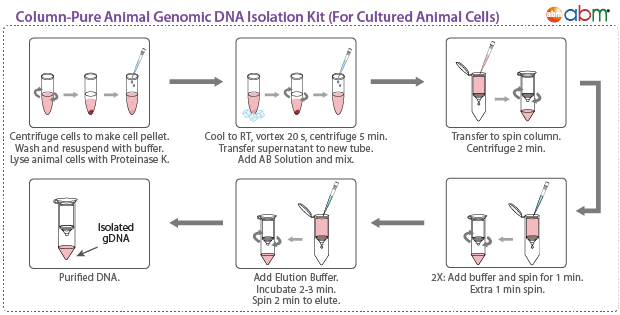
Showing 1 to 12 of 67 results
What Are DNA Extraction Kits?
DNA extraction kits isolate and purify DNA from a starting material, with the specific kit format determined by the type of DNA being targeted and its intended downstream use. Genomic DNA kits purify chromosomal DNA from cells, blood, or tissue for applications including PCR, qPCR, sequencing, and genotyping. Plasmid DNA kits purify circular bacterial plasmid DNA from culture for cloning, transfection, and sequencing. Cell-free DNA (cfDNA) kits isolate short, fragmented DNA circulating in plasma, supporting liquid biopsy and non-invasive prenatal testing research applications. Match the kit to both your DNA type (genomic, plasmid, or cfDNA) and starting material. A kit optimized for one combination may underperform on another even when the underlying purification chemistry is similar.
What You Will Find
- Microbial & Environmental DNA Isolation Kits: Inhibitor-free nucleic acid recovery from heterogeneous biological sources, including fungal, fecal, soil, yeast, water, and bacterial samples.
- Genomic DNA: for maximized recovery of DNA from blood, tissue, FFPE, viral, plant, and urine-derived samples
- Cell-free DNA: to extract the circulating DNA from serum and plasma samples for high-sensitivity downstream applications
- High Molecular Weight DNA: for long-fragment and intact DNA. It is used in advanced sequencing applications.
How to Choose a DNA Extraction Kit
Genomic vs. Plasmid vs. cfDNA
Genomic DNA kits are designed to lyse cells and tissues while recovering large chromosomal DNA fragments. Plasmid DNA kits use bacterial alkaline lysis chemistry and selective binding conditions to recover circular plasmid DNA while minimizing genomic DNA and RNA carryover. cfDNA kits are optimized for the recovery of short DNA fragments, typically under 200 bp, from plasma and other liquid biopsy sample types.
Starting Material Lysis Requirements
Different sample types require different lysis strategies. Blood cells lyse readily with standard buffers, while solid tissue often requires Proteinase K digestion at elevated temperatures. Bacterial cultures intended for plasmid purification rely on alkaline lysis workflows distinct from those used for genomic DNA extraction.
Yield and Fragment Size Requirements
Standard genomic DNA kits typically produce DNA fragments suitable for PCR, qPCR, genotyping, and most sequencing applications. Specialized high-molecular-weight DNA extraction kits prioritize recovery of long, intact fragments, often exceeding 50 kb, for long-read sequencing workflows where DNA integrity is critical.
RNA and Protein Contamination Removal
Many genomic DNA extraction kits incorporate RNase A treatment to remove RNA contamination and Proteinase K to digest proteins. Confirm these reagents are included or available separately when working with samples containing high levels of RNA or protein contaminants.
Plasmid Purity Grade
Plasmid DNA purification kits are available in standard, endotoxin-free, and transfection-grade formats. Higher-purity preparations incorporate additional endotoxin-removal steps that can improve transfection efficiency and reduce cellular stress in sensitive mammalian cell systems.
Specifications Context
Genomic DNA extraction kits typically use silica spin columns or magnetic beads following cell or tissue lysis, often combined with Proteinase K digestion and RNase A treatment to remove contaminants. These workflows generate DNA suitable for PCR, restriction digestion, genotyping, and standard sequencing applications. Specialized high-molecular-weight DNA extraction kits use gentler lysis and binding chemistries, including glass bead-based and advanced magnetic bead workflows, to minimize DNA shearing and preserve long fragments required for long-read sequencing technologies. Plasmid DNA purification kits rely on alkaline lysis chemistry, where bacterial cells are resuspended, lysed, and neutralized before plasmid DNA binds to a purification matrix. Genomic DNA and RNA are largely excluded through selective binding and wash conditions. Transfection-grade plasmid kits incorporate additional endotoxin-removal steps for downstream mammalian cell applications. DNA extraction kit buffers are typically stable at room temperature, while enzyme components may require refrigeration or freezing. Lot-specific Certificates of Analysis (CoAs) are available on request.
Contact the MBP team today to discuss your genomic DNA, plasmid DNA, cell-free DNA, or high-molecular-weight DNA extraction requirements and receive expert guidance on selecting the most appropriate DNA extraction kit for your research workflow.
FAQ