Microbial and Environmental DNA Isolation Kits
Microbial and environmental DNA isolation kits purify DNA from soil, sediment, water, feces, and other complex matrices for 16S/18S rRNA amplicon sequencing and shotgun metagenomics, with chemistry designed to remove humic acids, metal compounds, and other PCR inhibitors that commonly co-extract from environmental samples. No single kit performs best across all matrices - benchmarking studies show different kits excel for sediment, water, soil, or host-associated samples.
Researchers running metagenomic surveys can choose a kit matched to their primary sample matrix and sequencing platform (short-read vs. long-read), and MBP's specialist team can help compare kit options for your specific sample types. Request a quote today by contacting customerservice@mbpinc.net
Microbial & Environmental DNA Isolation



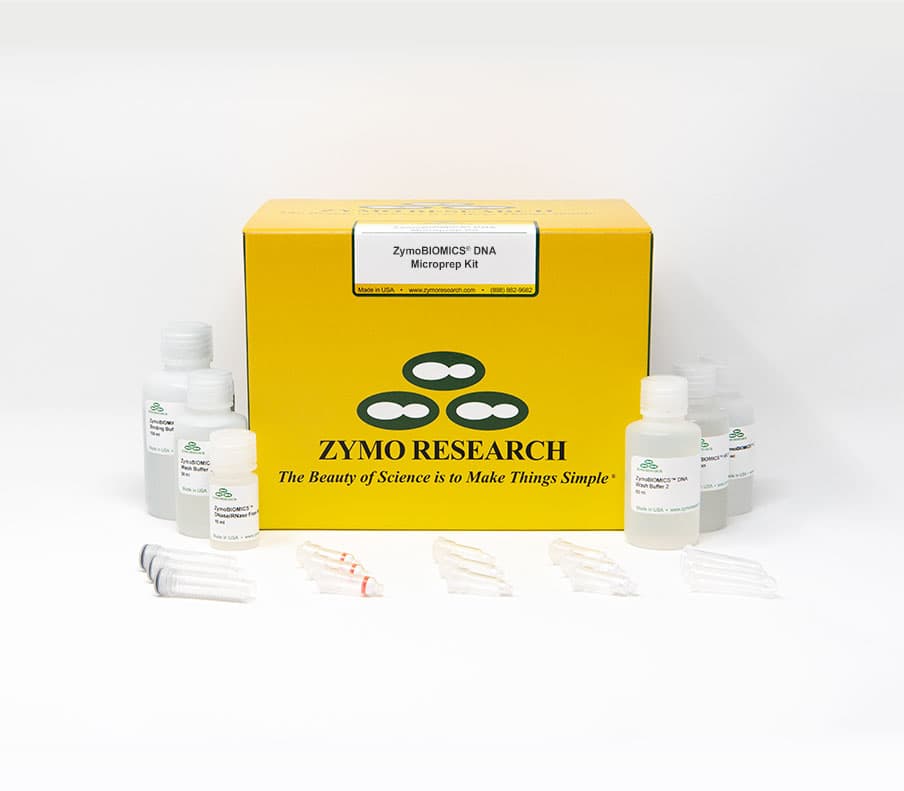
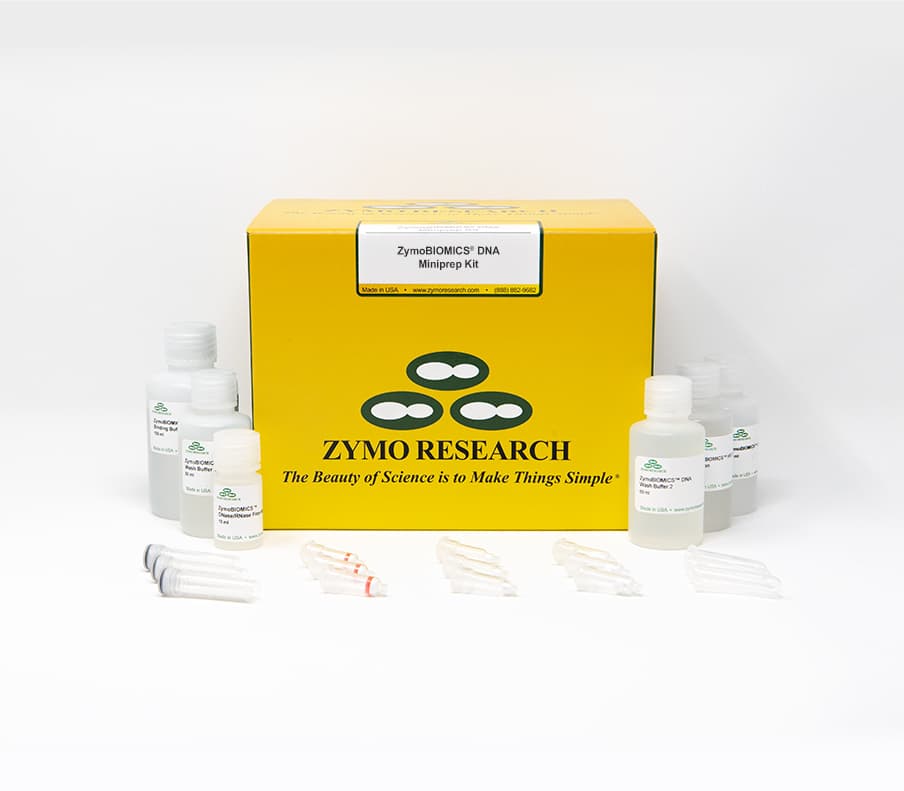
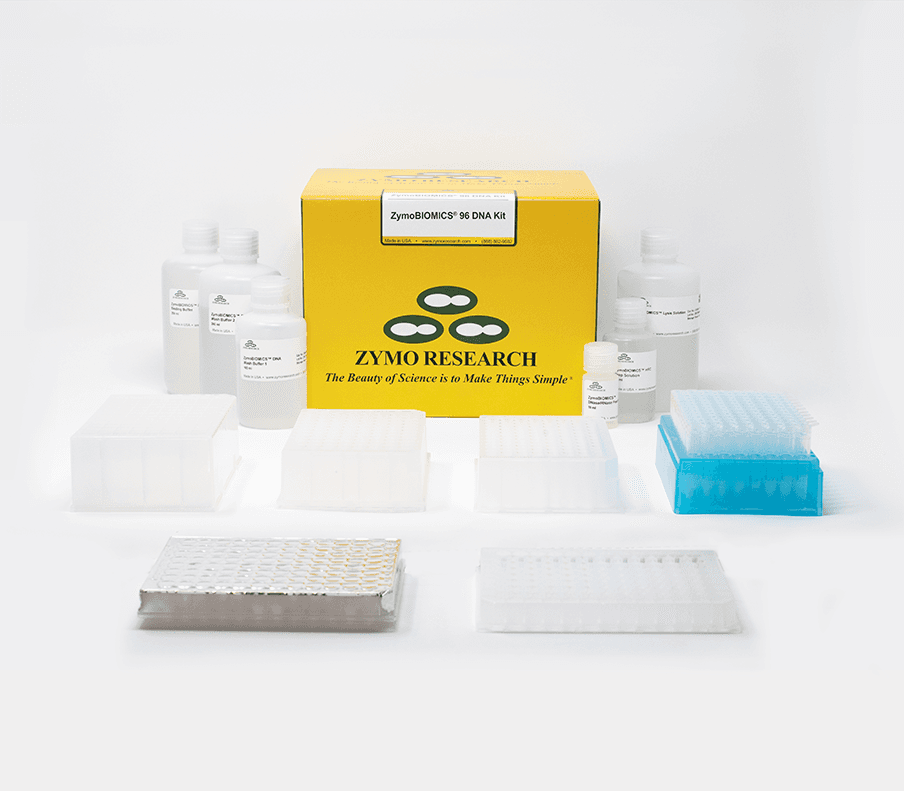
Showing 13 to 22 of 22 results
What are microbial and environmental DNA isolation kits?
Microbial and environmental DNA isolation kits purify DNA from soil, sediment, freshwater, marine water, feces, and other complex environmental matrices using lysis and purification chemistry designed to remove humic acids, metal compounds, and other inhibitors that interfere with PCR and sequencing, supporting 16S/18S rRNA amplicon profiling and shotgun metagenomic sequencing. Related entities include "kitome" and "splashome" contamination controls, alpha diversity and microbial community composition analysis, and compatibility with both short-read (Illumina) and long-read (Oxford Nanopore) sequencing platforms. Choose a kit validated for your specific sample matrix (soil, sediment, water, or feces), since benchmarking studies consistently show kit performance varies by matrix rather than one kit being universally best.
What you will find:
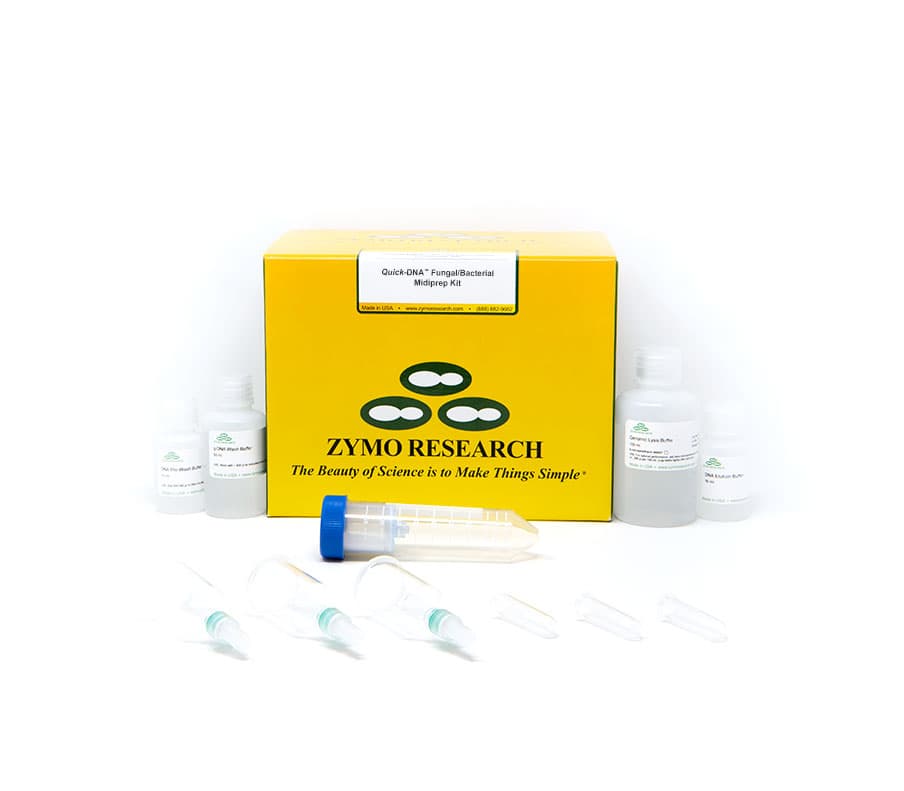
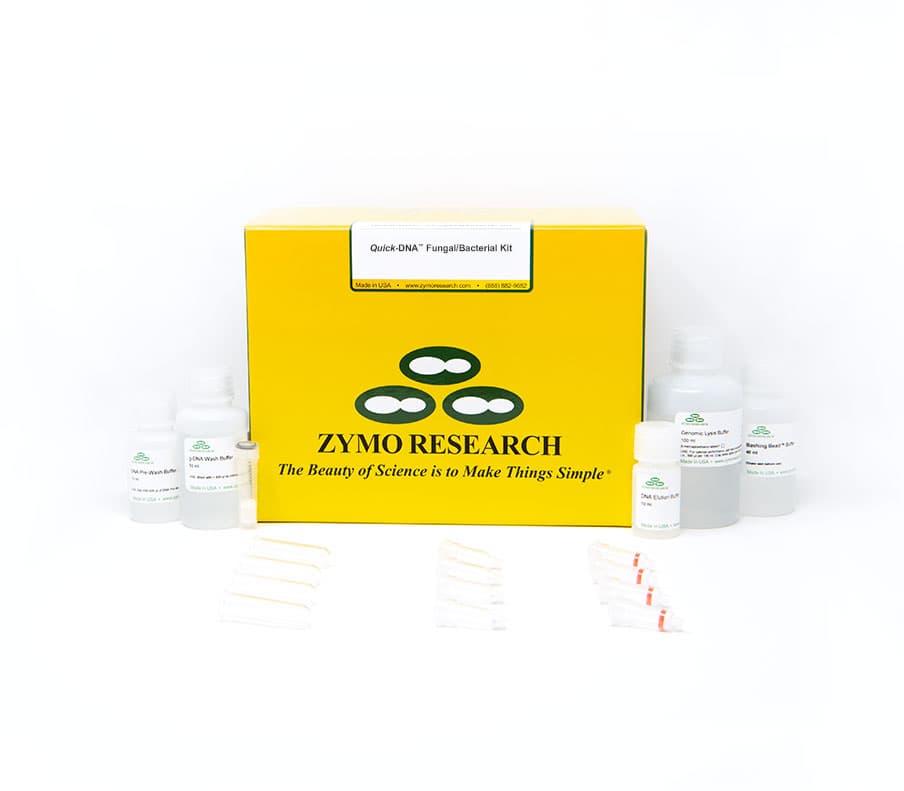
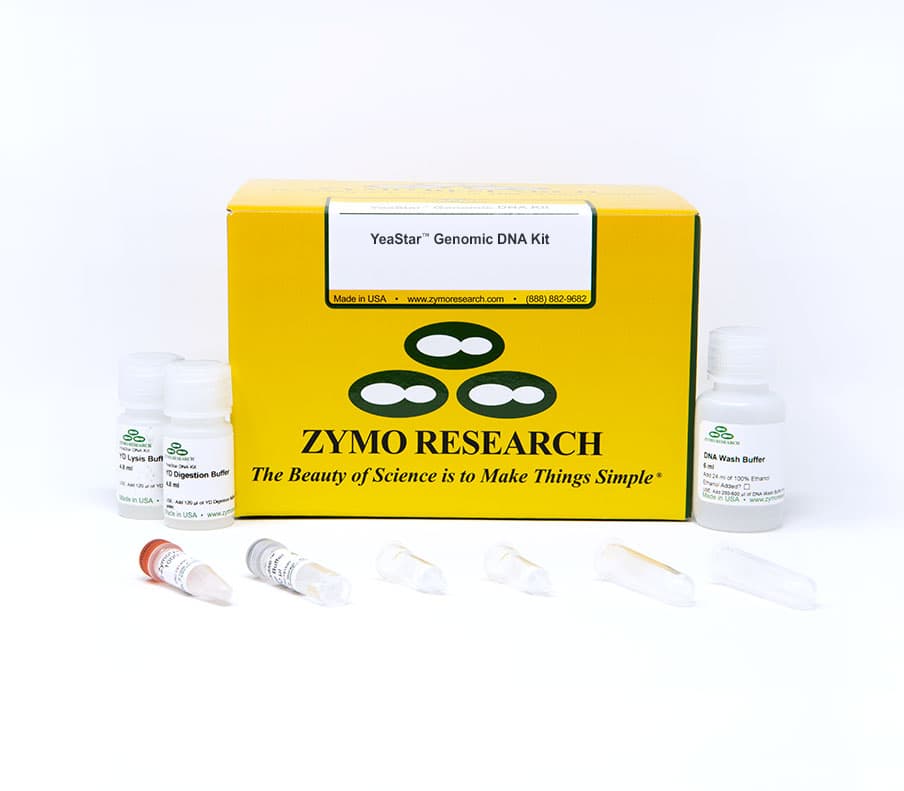
- Spin-column fungal and bacterial kits for rapid DNA purification using rapid silica-membrane technology
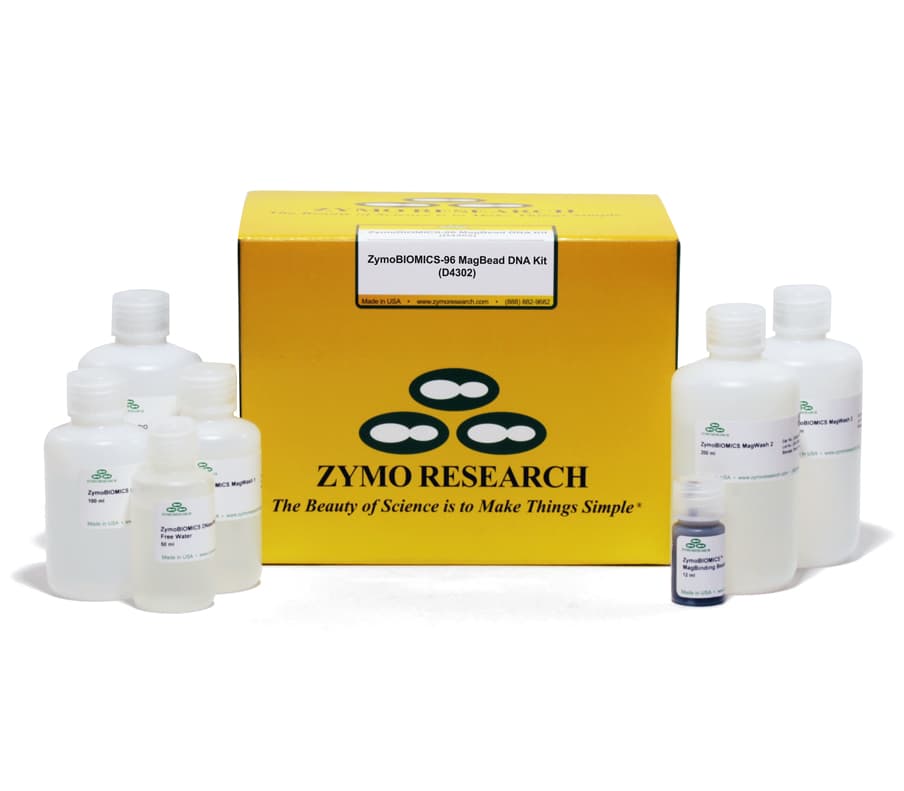
- Parallel extraction of soil, fecal, and environmental samples using high-throughput 96-well microplates
- Automated purification of complex microbial and environmental specimens using Magnetic bead isolation systems
- Scalable microprep and midiprep columns tailored for concentrated low-volume elution demands and diverse sample inputs
How to choose a microbial and environmental DNA isolation kit
Matrix-specific kit performance
Benchmarking studies comparing multiple commercial kits across sediment, water, soil, oyster gut microbiome, and mammalian feces have found that the best-performing kit varies by matrix - kits ranked highly for sediment did not necessarily perform best for water or host-associated samples. Rather than assuming a single "universal" kit, match your kit choice to published benchmarking results for your primary sample type where available.
Inhibitor removal for downstream PCR and sequencing
Environmental samples, especially sediments and soils, contain organic and metal compounds that inhibit PCR amplification if not removed during extraction; kits designed for these matrices integrate inhibitor-removal steps as part of the standard protocol. If your samples have historically produced low PCR amplification efficiency with general-purpose kits, an environmental-matrix-specific kit with built-in inhibitor removal is the first thing to evaluate.
Short-read vs. long-read sequencing compatibility
For long-read metagenomic sequencing, DNA fragment length and integrity from the extraction kit directly affect achievable read lengths, though longer extracted fragments don't always translate consistently into longer sequencing reads - kit choice affects both fragment length and downstream classification rate and reproducibility. If long-read metagenomics is your goal, prioritize kits with published long-read benchmarking data over kits validated only for short-read amplicon work.
Contamination control (kitome/splashome)
Kit-derived contamination ("kitome") and cross-sample contamination during processing ("splashome") can affect microbial community composition results, particularly for low-biomass samples; benchmarking studies evaluate kits specifically for these contamination sources alongside yield and diversity metrics. For low-biomass environmental samples, prioritize kits with documented low kitome contamination in published comparisons.
Specifications context
The key specs for microbial and environmental DNA isolation are matrix-specific validation (soil vs. sediment vs. water vs. feces), built-in inhibitor removal for PCR-ready output, and fragment length/integrity for long-read sequencing compatibility where relevant. Since benchmarking studies repeatedly show no single kit performs best across all matrices, identifying your primary sample type before selecting a kit is the most impactful decision. Labs running metagenomic surveys across multiple matrices (e.g., soil and water from the same field site) often need separate matrix-optimized kits rather than a single universal kit. The parent genomic DNA extraction kits hub links to related sample-type categories, including insect genomic DNA kits and plant genomic DNA kits for organism-associated environmental work, and high molecular weight DNA kits for long-read metagenomics requiring larger fragment sizes. For cell-free DNA in environmental water samples (eDNA detection), see cell-free DNA kits.
MBP's specialist team can help match kit chemistry, format, and throughput to your sample type and downstream application. Contact the MBP team for personalized guidance.
FAQ