Genomic DNA Extraction Kits for Blood, Tissue, and Cells
Genomic DNA extraction kits purify chromosomal DNA from blood, cultured cells, tissue, bacteria, yeast, and other sample types using silica spin-column or magnetic bead-based chemistries. Standard kits yield DNA suitable for PCR, qPCR, restriction digestion, and routine sequencing workflows, typically producing fragment sizes in the 20-50 kb range.
Academic researchers running genotyping, PCR, qPCR, and sequencing workflows benefit from MBP's range of genomic DNA extraction kits optimized for common sample types. Request a quote today for genomic DNA extraction kits designed for PCR, sequencing, genotyping, and long-read sequencing applications by contacting customerservice@mbpinc.net.
Genomic DNA
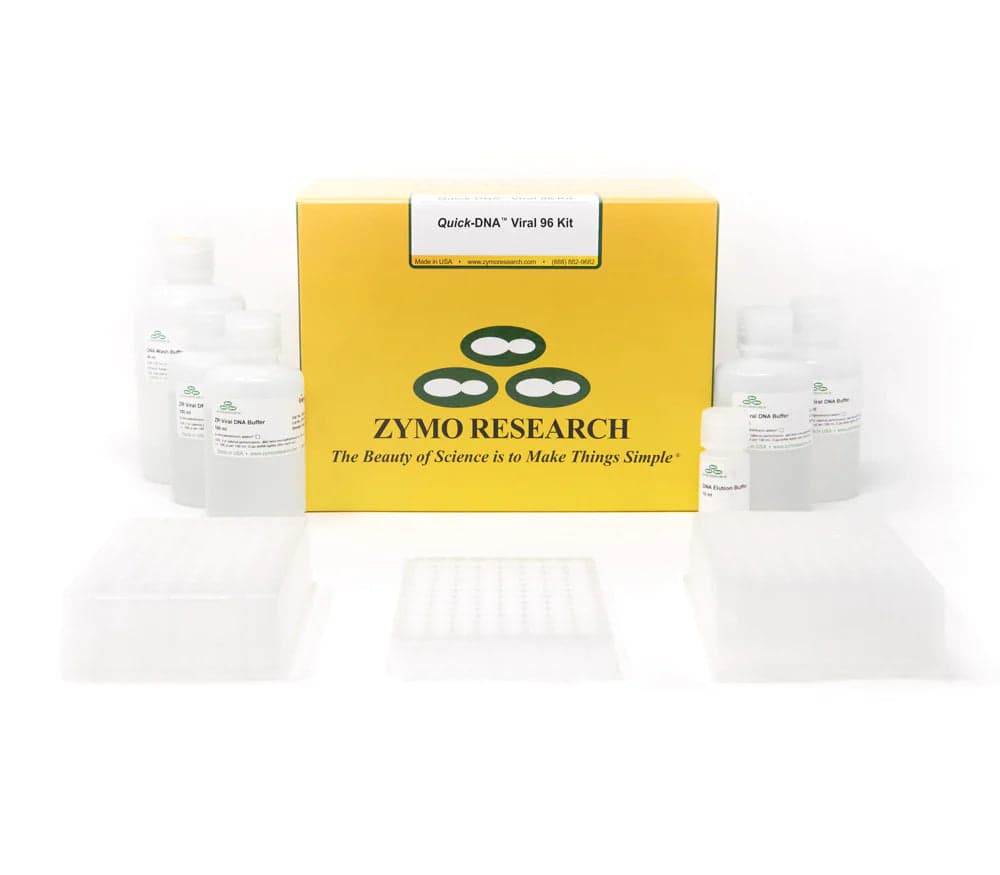
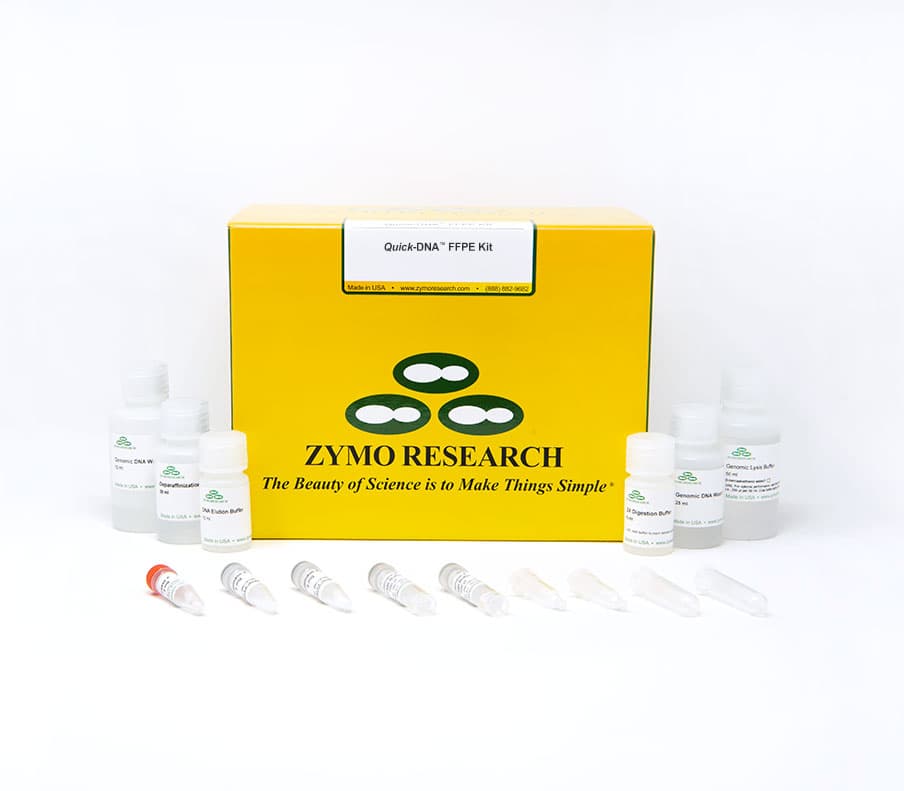
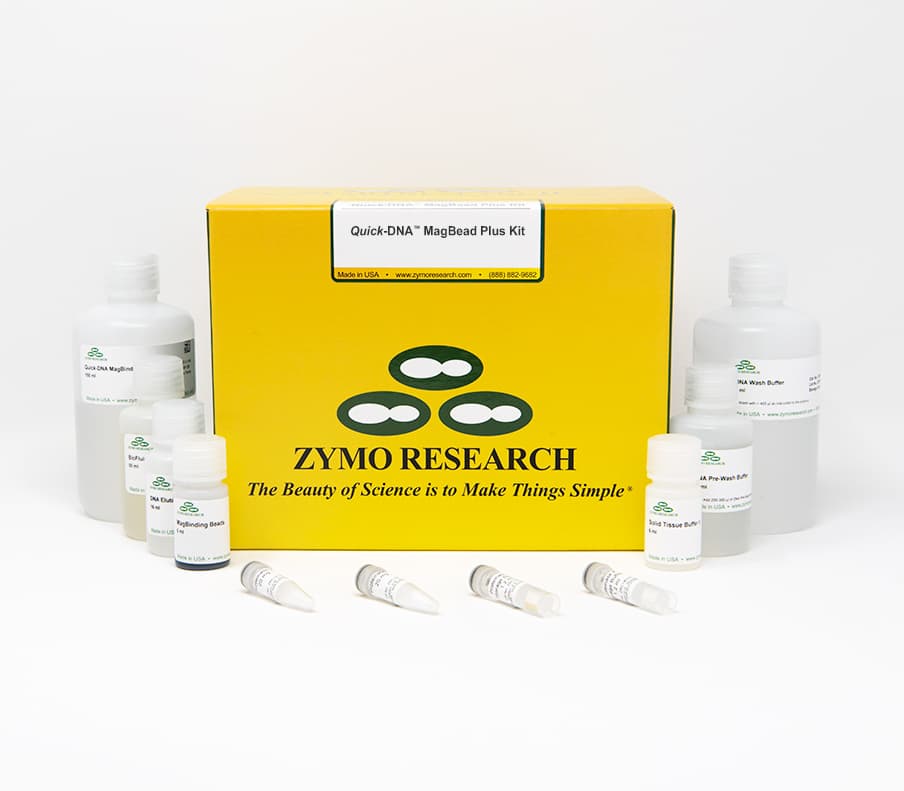
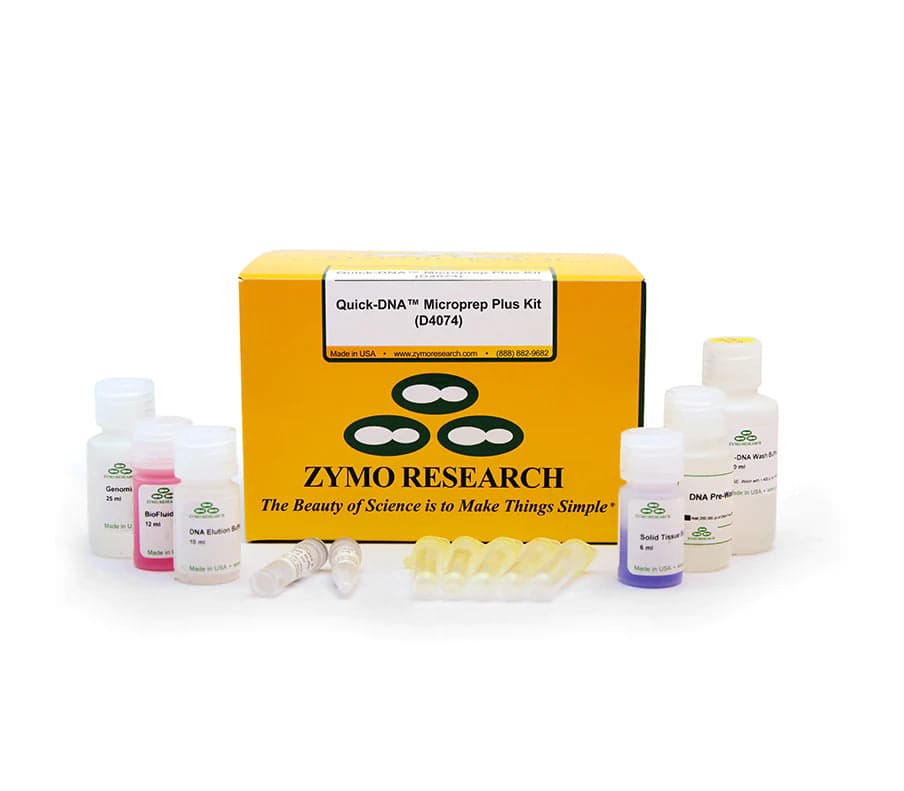



Showing 25 to 36 of 41 results
What Are Genomic DNA Extraction Kits?
Genomic DNA extraction kits isolate chromosomal DNA from a wide range of starting materials, including whole blood, cultured cells, solid tissue, bacteria, and yeast, through lysis, binding to a silica membrane or magnetic beads under chaotropic salt conditions, washing, and elution. Standard kits typically yield DNA suitable for PCR, qPCR, restriction enzyme digestion, and routine sequencing applications, while specialized high-molecular-weight (HMW) kits target larger, less fragmented DNA for long-read sequencing workflows. A standard silica spin-column genomic DNA kit covers most PCR, qPCR, genotyping, and routine sequencing applications. Consider a high-molecular-weight DNA extraction kit when your workflow requires minimally fragmented DNA for long-read sequencing or structural variation analysis.
What You Will Find
- Viral Genomic DNA: For sensitive monitoring of viral load, pathogen profiling, and molecular surveillance assays using optimized viral formulations.
- Blood/Tissue Genomic DNA: High-molecular-weight genomic DNA extraction from mammalian blood and tissue samples for downstream sequencing applications.
- Plant Genomic DNA: High-purity DNA extraction from plant samples with effective removal of common contaminants.
- FFPE Genomic DNA: Rapid isolation of high-quality genomic DNA from formalin-fixed, paraffin-embedded tissue samples.
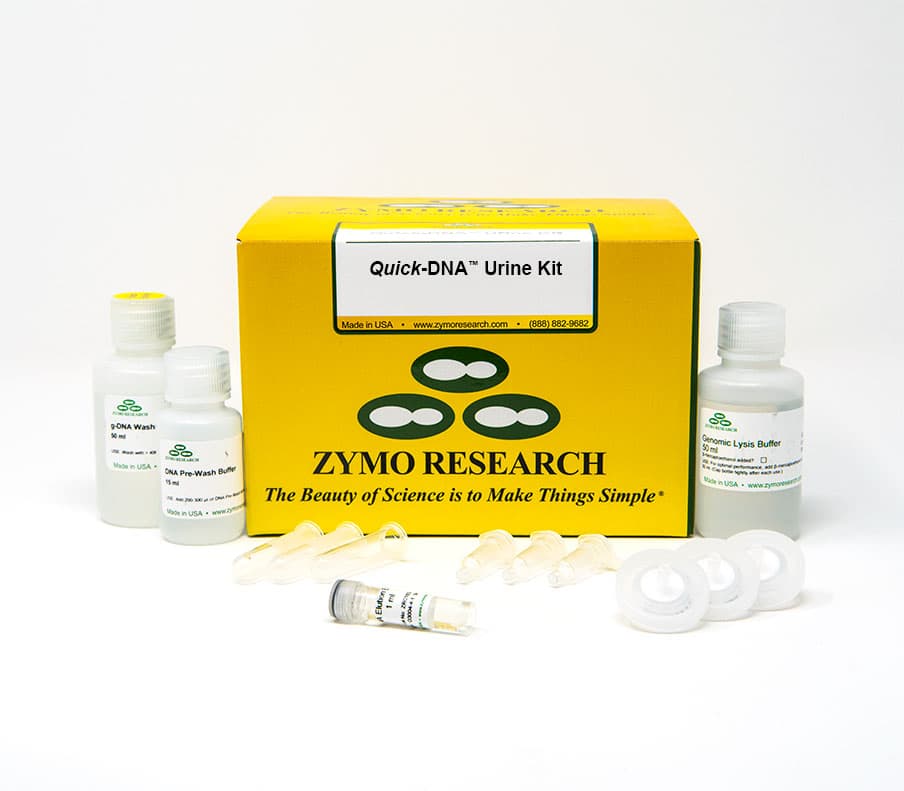
- Urine Genomic DNA: Purification of cell-free and cellular DNA from urine samples for oncology, biomarker, and clinical research applications.
- Insect Genomic DNA: High-yield genomic DNA extraction from entomological samples.
How to Choose a Genomic DNA Extraction Kit
Starting Material Lysis
Different sample types require different lysis approaches. Blood cells generally lyse readily, while solid tissue often benefits from Proteinase K digestion to ensure complete cellular disruption. Bacteria and yeast may require enzymatic or mechanical cell-wall disruption before standard lysis buffers can effectively release genomic DNA.
Sample Volume and Yield Expectations
DNA yield is closely linked to starting material quantity and quality. Small volumes of fresh whole blood commonly produce several micrograms of genomic DNA using standard silica spin-column workflows, although exact yields vary by kit design, sample condition, and extraction method.
Fragment Size and DNA Integrity
Standard genomic DNA extraction kits are optimized for PCR, qPCR, and routine sequencing applications and typically recover DNA fragments under 30-50 kb. High-molecular-weight extraction kits use gentler lysis and purification chemistries to preserve longer DNA fragments, often exceeding 50 kb, making them well-suited to long-read sequencing technologies.
RNA Removal and Purity
Many genomic DNA extraction kits incorporate RNase A treatment to remove RNA contamination. This helps improve nucleic acid purity and can be particularly important for downstream applications that are sensitive to RNA carryover, including certain sequencing and library preparation workflows.
Sample Age and Storage History
DNA yield and integrity may be influenced by sample storage conditions and age. Fresh samples generally provide the highest-quality DNA, while archived or shipped specimens may exhibit some degree of DNA degradation or reduced yield that should be considered during experimental planning.
Specifications Context
Standard genomic DNA extraction kits rely on silica spin-column or magnetic bead-based purification workflows. Following cell or tissue lysis, genomic DNA binds to the purification matrix under chaotropic salt conditions while proteins, inhibitors, and other contaminants are removed during wash steps before final elution in water or low-salt buffer. These workflows generate DNA suitable for PCR, qPCR, restriction digestion, genotyping, and routine sequencing applications. RNase A treatment is commonly included to minimize residual RNA contamination and improve overall nucleic acid purity. High-molecular-weight genomic DNA extraction kits use gentler lysis and purification methods, including specialized magnetic bead or glass bead-based workflows, to minimize DNA shearing. These approaches can preserve DNA fragments exceeding 50-70 kb and are commonly selected for long-read sequencing platforms where fragment length directly influences read length and assembly quality. Genomic DNA extraction kit buffers are typically stable at room temperature, while enzyme components may require refrigeration or freezing. Lot-specific Certificates of Analysis (CoAs) are available on request.
Need a bulk quote? Use MBP's Quick Order or Contact Us for volume pricing.
FAQ