96-Well Plate Insect Genomic DNA Extraction Kits
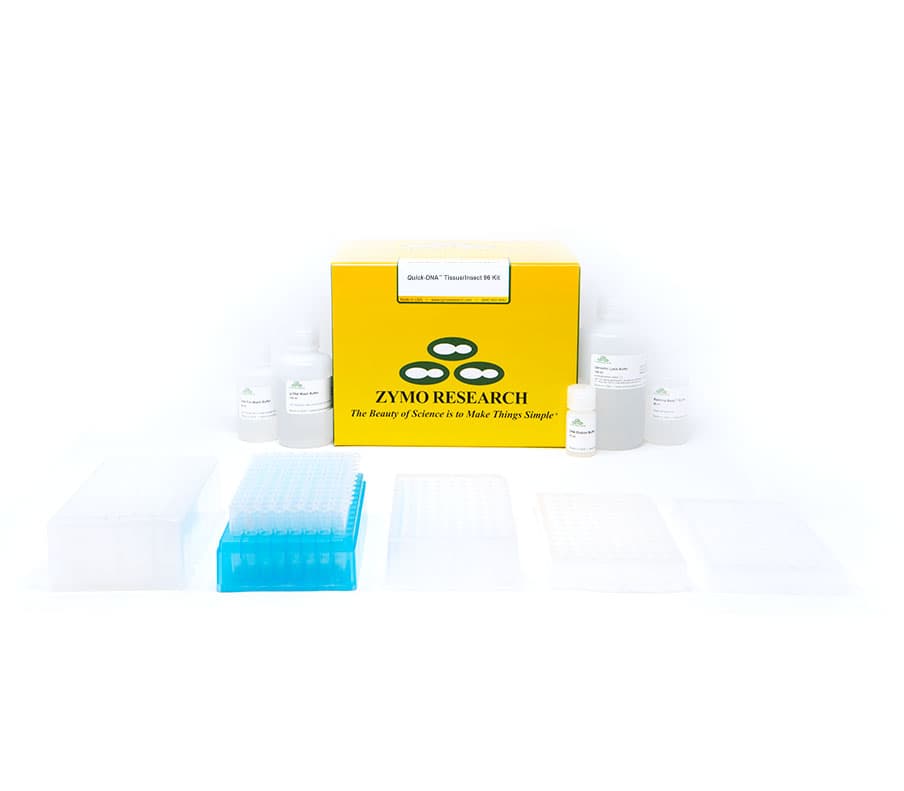
96-well plate insect genomic DNA kits combine bead-beating lysis with silica spin technology in a 96-well format to purify genomic, viral, or mitochondrial DNA from up to 96 fresh, frozen, or stored insect specimens per run, including mosquitoes, flies, bees, ticks, and lice. The procedure is designed to be completed in minutes once samples are loaded, producing DNA suitable for PCR, arrays, and genotyping without manual mechanical disruption per sample.
Entomology and population genetics laboratories processing large specimen collections can scale weekly throughput without dissecting individual insects, and MBP's specialist team can confirm bead-beating equipment compatibility before you order. Request a quote today by contacting customerservice@mbpinc.net
96-well plate
Showing 1 to 1 of 1 results
What are 96-well plate insect genomic DNA kits?
A 96-well plate insect genomic DNA kit combines bead-beating lysis using ultra-high-density bashing beads with silica-membrane spin plate technology to purify genomic, viral, or mitochondrial DNA from up to 96 fresh, frozen, or stored insect specimens per run, with the lysis-to-elution procedure designed to complete in minutes once plates are loaded. Related entities include high-density zirconium/ceramic bashing beads for mechanical disruption, compatibility with mammalian tissue, whole blood, and cultured cells in the same kit, and downstream PCR, array, and genotyping workflows. Choose the 96-well plate format for insect genomic DNA when processing large specimen batches (mosquitoes, flies, bees, ticks, lice) without dissecting each insect individually.
What you will find:
- Rapid vacuum manifold processing using silica-membrane 96-well insect DNA plates
- Automated extraction systems using magnetic bead 96-well insect genomic DNA plates
- Optimized extraction chemistry using 96-well insect and invertebrate purification kits
- Contamination-free insect sample centrifugation using siliconized plate sealing mats
How to choose a 96-well plate insect genomic DNA kit
Bead-beating lysis built into the workflow
Unlike single-specimen protocols that may need a separate homogenization step, 96-well insect plate kits typically integrate bead beating with high-density bashing beads directly into the plate workflow, lysing whole specimens, including chitin-rich exoskeletons, without a separate disruption device beyond a plate shaker or bead mill. Confirm your lab has access to a plate-compatible bead mill or shaker if the kit specifies this step.
Specimen size and whole-body processing
96-well insect plate kits are documented for small to medium specimens such as mosquitoes, D. melanogaster, lice, ticks, and bees processed whole, without dissection. For larger insects, per-well specimen mass may need to be limited to fit standard well volumes; check the kit's specimen size guidance before loading a full plate of larger-bodied insects.
Throughput and processing time
A full 96-well insect DNA extraction can be completed in a matter of minutes for the bead-beating and binding steps combined, compared to hours for some CTAB-style batch protocols, making this format suitable for museum or field-collection-scale specimen processing. Plan plate loading and bead-mill cycling time into your overall throughput estimate, since the chemistry itself is fast, but specimen handling adds time.
Cost considerations at scale
Commercial 96-well silica plate kits for insects and tissue can run several dollars per sample at typical case pricing, while silica membrane filtration plates used in lower-cost protocols can bring per-sample reagent cost down significantly, though usually with added hands-on steps. For large-scale museomics or population genetics projects processing thousands of specimens, per-sample cost differences compound quickly and are worth comparing against insect mag bead kits as an alternative.
Specifications context
The defining specs for a 96-well plate insect genomic DNA kit are whether bead-beating lysis is integrated into the plate workflow, specimen size compatibility for whole-body processing, and per-sample cost at scale for large specimen collections. A kit that lyses whole mosquitoes, flies, or ticks via bead beating and purifies via silica plate technology in minutes addresses both the chitin-lysis challenge and batch throughput in one workflow. Labs processing large specimen collections often compare this format against insect mag bead kits, which avoid centrifugation entirely and may suit automated leg/wing-based sampling, while labs validating protocols on a new taxon typically start with insect spin-column kits. The parent insect genomic DNA extraction kits category and broader genomic DNA extraction kits hub link to related formats, including 96-well plate plant kits for pest-research labs working across both sample types.
MBP's specialist team can help match kit chemistry, format, and throughput to your sample type and downstream application. Contact the MBP team for personalized guidance.
FAQ