Sequencing Cleanup and Size Selection Reagents for NGS
Sequencing cleanup and size selection reagents purify NGS library intermediates and select fragments within defined size windows at every stage of library preparation—removing adapter dimers, enzymes, primers, and unincorporated nucleotides using SPRI bead technology.
MBP supplies these reagents to registered vendors at Howard Hughes Medical Institute, Vanderbilt University, and MD Anderson Cancer Center. Request a quote for sequencing cleanup and size selection reagents supporting NGS library preparation, fragment size selection, adapter dimer removal, and next-generation sequencing workflows by contacting customerservice@mbpinc.net.
Sequencing Clean up and Size Selection
Showing 1 to 5 of 5 results
What are Sequencing Cleanup and Size Selection Reagents?
Sequencing cleanup and size selection reagents purify nucleic acid libraries and reaction intermediates throughout next-generation sequencing (NGS) workflows by removing enzymes, buffer salts, primers, adapter dimers, and unincorporated nucleotides. These reagents are used after enzymatic steps such as end repair, adapter ligation, PCR amplification, cDNA synthesis, and other library preparation procedures to improve library quality and sequencing performance. Size selection workflows can also enrich fragments within a desired size range for downstream sequencing applications.
What you will find:
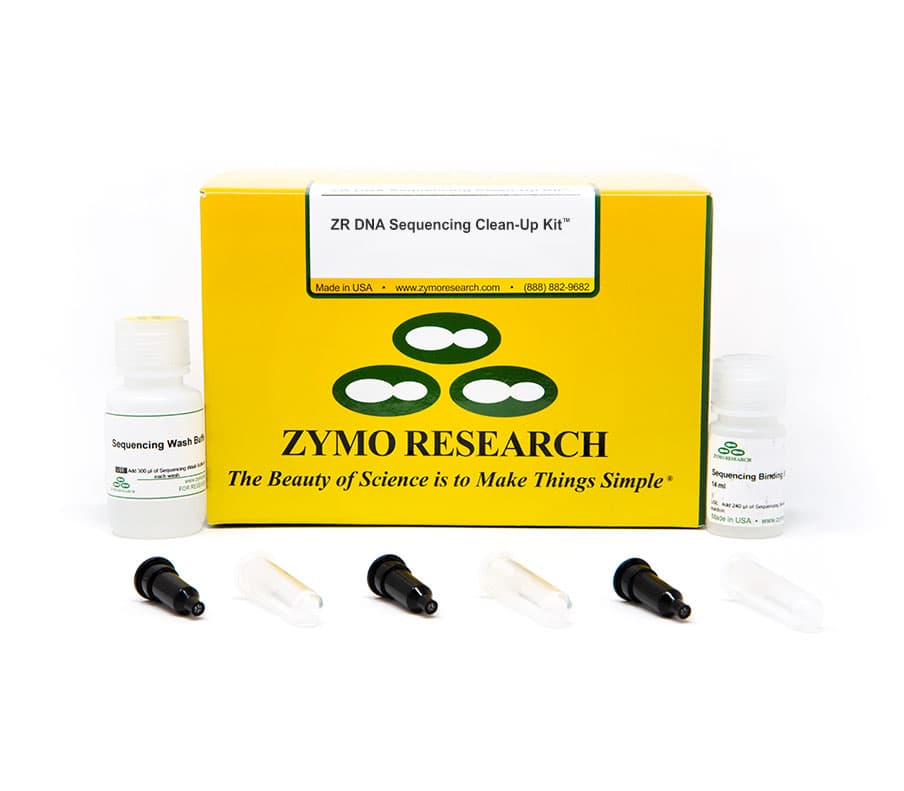
- DNA Cleanup: Specialized kits like the ZR DNA Sequencing Clean-up Kit™ are designed to remove fluorescent terminators and salts for extended read lengths.
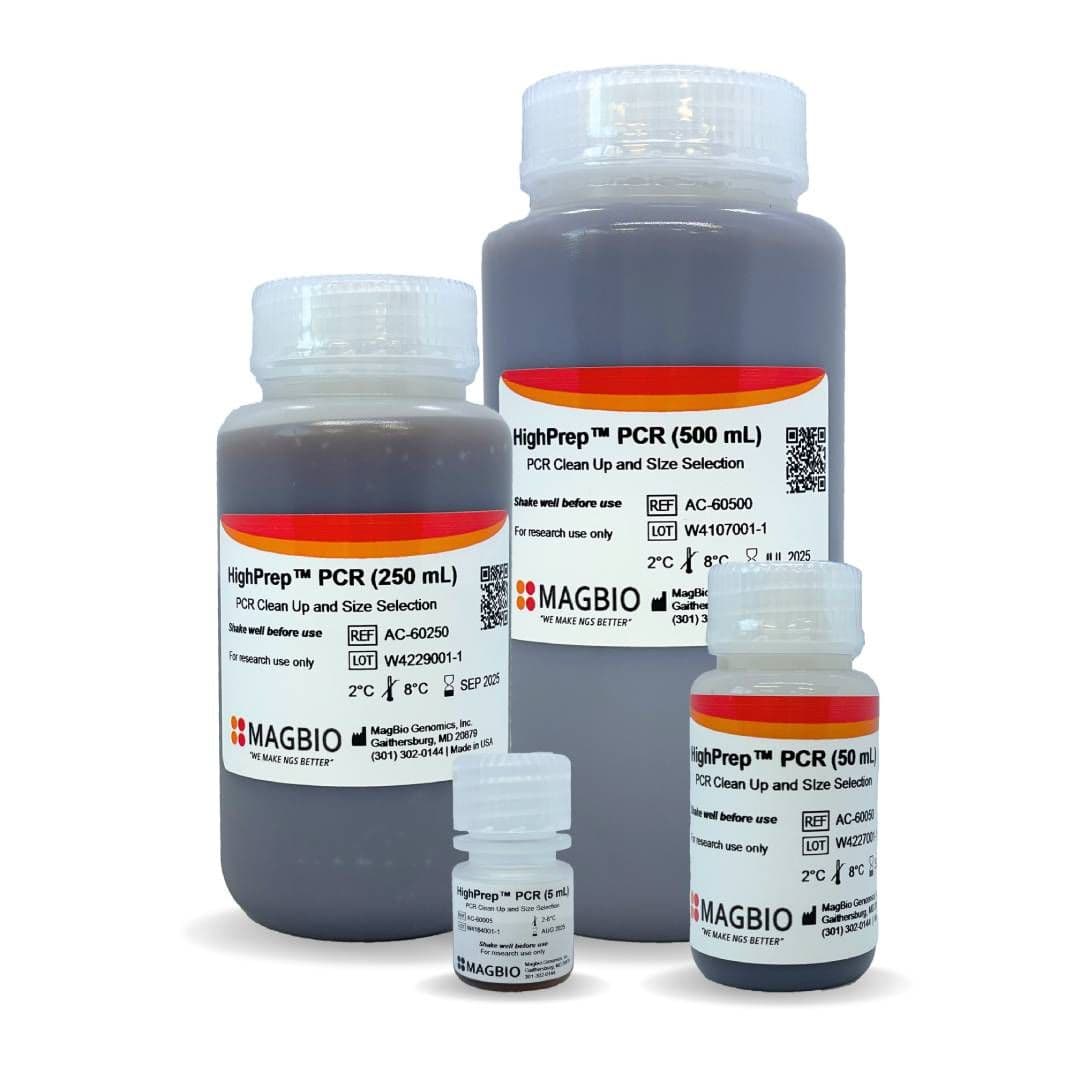
- DNA/PCR Size Selection: HighPrep™ PCR systems offering tunable paramagnetic bead ratios for precise fragment selection and consistent cluster generation.
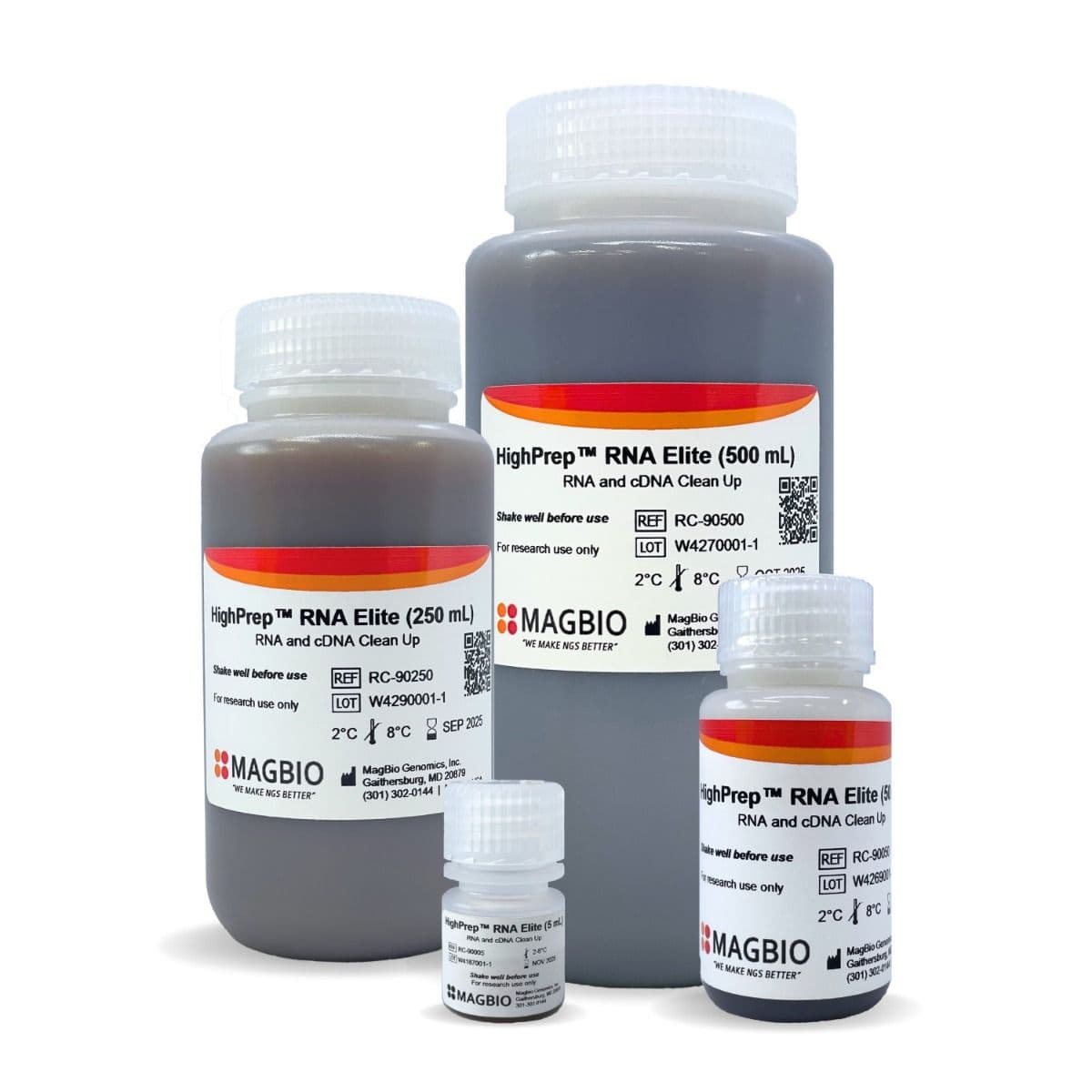
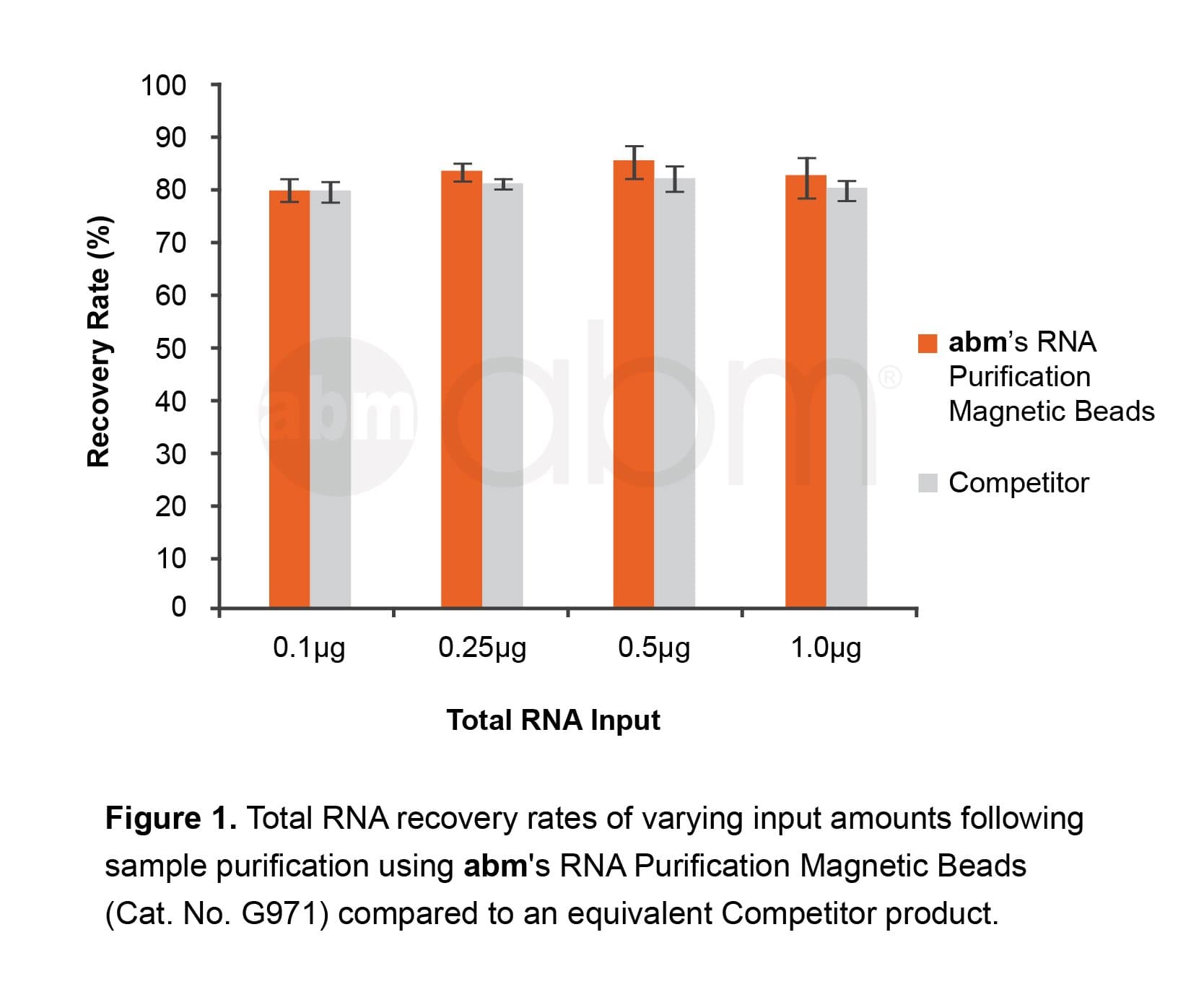
- RNA/c-DNA Purification: Advanced magnetic bead solutions, including HighPrep™ RNA Elite, engineered for rapid recovery while maintaining isoform specificity for transcriptome profiling.
- Sanger DTR: A laboratory cleanup technique used to remove unincorporated dye terminators and impurities from DNA samples before sequencing.
How to Choose a Sequencing Cleanup and Size Selection Reagent
Nucleic Acid Type: DNA vs. RNA/cDNA
Select cleanup reagents based on the nucleic acid being processed. DNA-focused cleanup reagents are commonly used for genomic DNA libraries, PCR products, and sequencing reactions, while RNA-specific magnetic bead systems are designed for purification and recovery of RNA and cDNA products generated during transcriptomics and RNA-seq workflows.
Cleanup vs. Size Selection
Cleanup workflows remove reaction contaminants such as enzymes, primers, salts, and unincorporated nucleotides, whereas size selection workflows enrich DNA or RNA fragments within a desired size range. Magnetic bead-based reagents can be used for both cleanup and size-selection applications, depending on the protocol and bead-to-sample ratio employed.
Throughput Requirements
Spin-column formats are well-suited for low- to moderate-throughput workflows, while 96-well plate and magnetic bead formats support higher-throughput processing and integration into automated laboratory workflows.
Automation Compatibility
Magnetic bead-based cleanup reagents are commonly used in automated sequencing library preparation workflows because they eliminate centrifugation steps and can be integrated with liquid handling platforms and magnetic separation devices.
Library Quality Assessment
Following cleanup or size selection, library quality is commonly evaluated using capillary electrophoresis systems such as Agilent Bioanalyzer, Agilent TapeStation, or similar fragment analysis platforms to confirm fragment size distribution and detect residual adapter dimers or other unwanted products.
Specifications Context
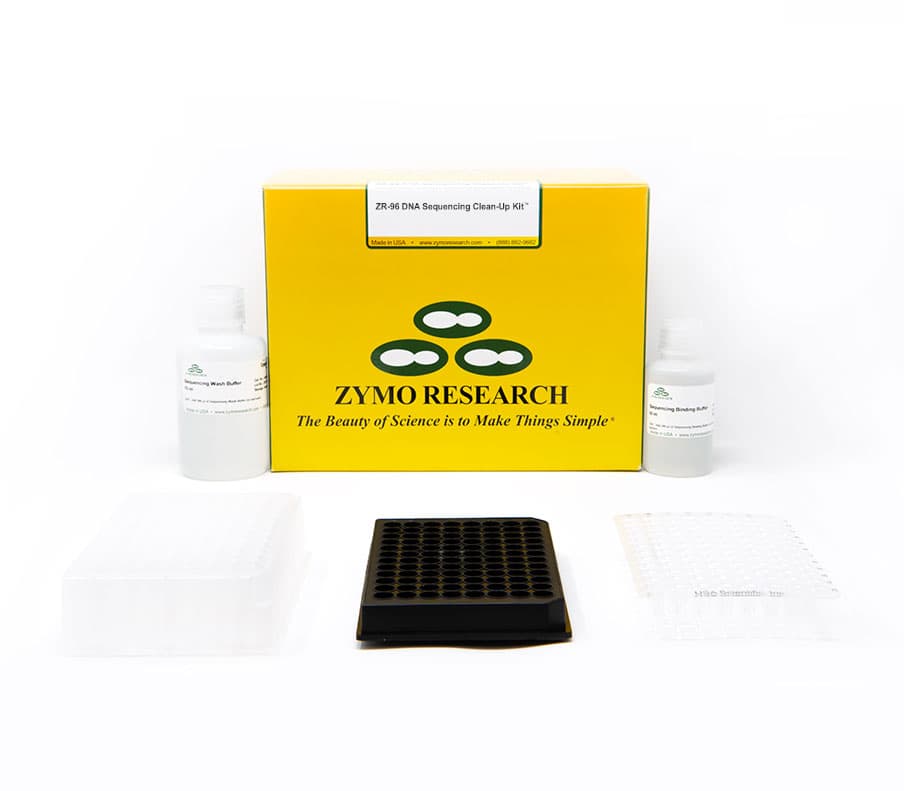
Sequencing cleanup and size selection reagents remove enzymes, primers, adapter dimers, unincorporated nucleotides, salts, and other contaminants from DNA, RNA, cDNA, PCR amplicons, and NGS library intermediates. Available formats include silica-membrane spin columns, 96-well plates, and magnetic bead-based purification systems for both manual and automated workflows. Zymo Research ZR DNA Sequencing Clean-up Kits and ZR-96 DNA Sequencing Clean-up Kits provide purification of DNA sequencing reactions and library intermediates, while MagBio HighPrep PCR and HighPrep RNA Elite reagents support cleanup, concentration, and size selection of DNA, RNA, cDNA, and PCR products. RNA Purification Magnetic Beads provide recovery and purification of RNA products for transcriptomics and RNA sequencing workflows. These reagents are widely used in NGS, amplicon sequencing, metagenomics, transcriptomics, and gene expression studies where contaminant removal, reproducible recovery, and workflow scalability are important for library quality and sequencing performance. MBP supplies sequencing cleanup and size selection reagents to registered vendors at Howard Hughes Medical Institute, Vanderbilt University, and MD Anderson Cancer Center.
Optimize library quality and sequencing workflow performance—request a quote by contacting customerservice@mbpinc.net.
FAQ