CRISPR/Cas9 Reagents, Kits, and Components for Labs
MBP Inc. provides a complete selection of CRISPR/Cas9 reagents — Cas9 proteins, sgRNAs, crRNA/tracrRNA components, and ready-to-use kits — for researchers performing gene knockout, knock-in, and base-editing experiments.
Our CRISPR portfolio covers every workflow stage, from guide RNA design through post-edit validation. Available in plasmid, RNP, and viral delivery formats for labs across the USA and Canada. Procurement teams can request a quote by contacting customerservice@mbpinc.net
CRISPR/Cas9

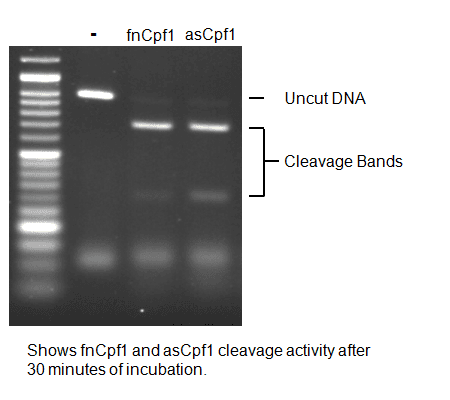
Showing 13 to 24 of 112 results
What Is CRISPR/Cas9?
CRISPR/Cas9 reagents are the guide RNAs, Cas9 proteins, and delivery components that enable precise, targeted edits to genomic DNA. They support knockout, knock-in, base editing, and gene regulation across cell lines, organoids, and model organisms. The quality directly affects editing efficiency, off-target activity, and experimental reproducibility. If your workflow involves genome engineering at a defined locus, there is a CRISPR/Cas9 reagent that applies.
What you will discover:
-
Mutation Detection Kits: Specialized enzyme-driven kits intended to measure the frequency of indel formation and confirm editing efficiency through T7E1 or Surveyor nuclease-mediated mismatch identification.
-
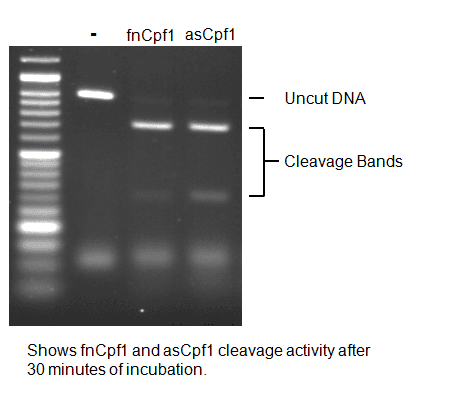
Cas9 Enzymes: Nuclease-free Cas9, saCas9, and Cas12a (Cpf1) proteins of high purity equipped with NLS tags for swift translocation and precise double-strand break (DSB) induction.
-
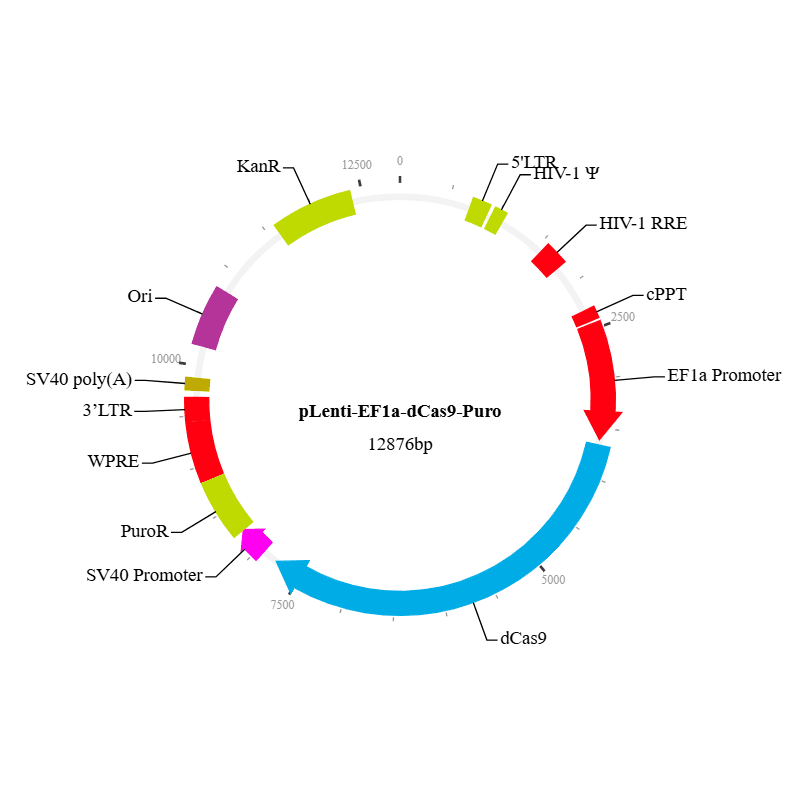
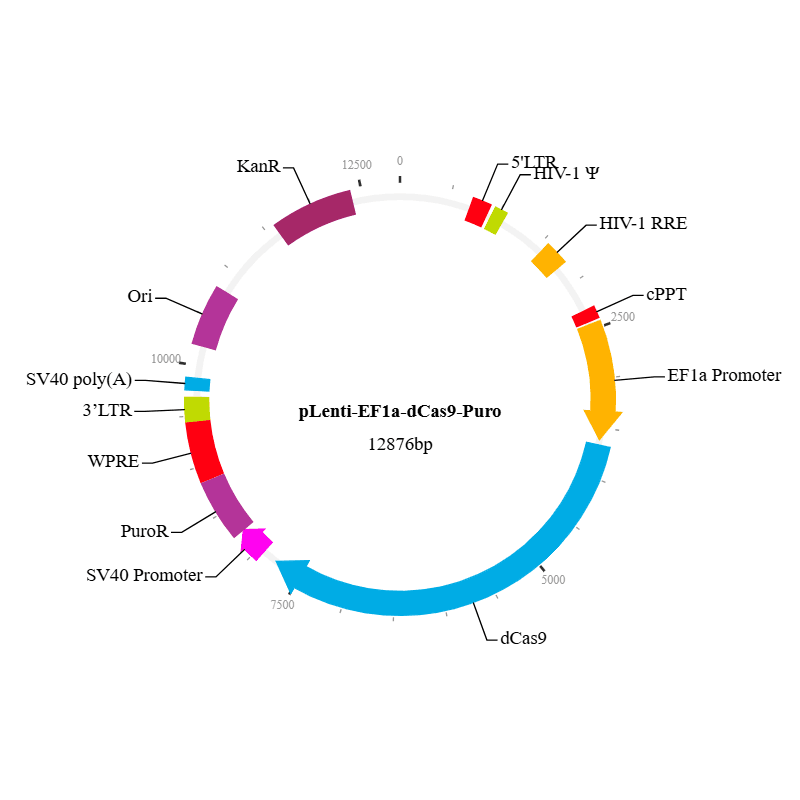
Vector and Lentivirus Systems: Enhanced transfection-quality dCas9 lentiviral systems fine-tuned for specific transcriptional activation (CRISPRa) or repression (CRISPRi) and enduring multi-omics integration.
-
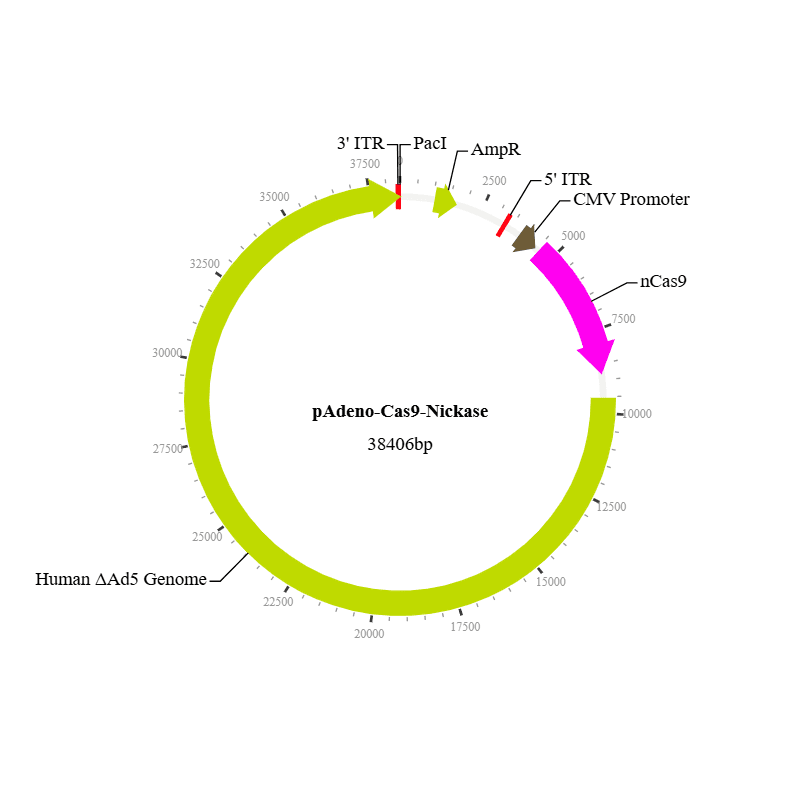
AAV/Adenovirus Systems: Optimized high-titer expression systems designed for effective AAV generation and temporary viral delivery, enabling tissue-targeted genomic alterations with components safe from endotoxins.
How to Choose CRISPR/Cas9 Reagents
Cas9 Protein Variant
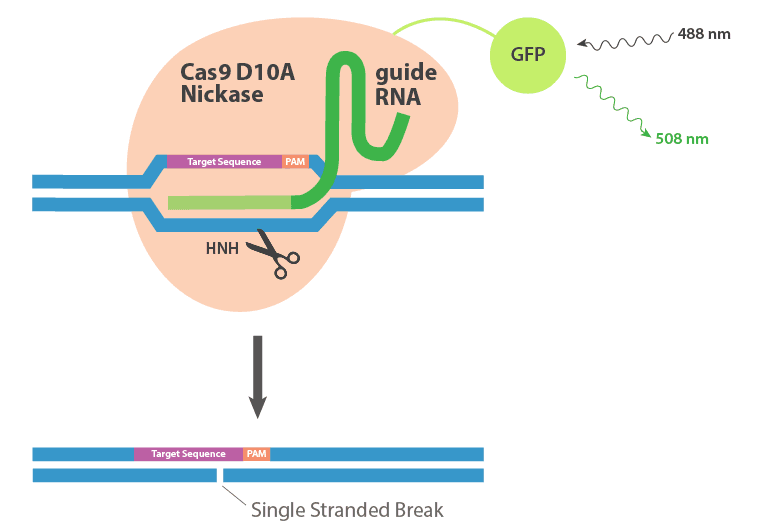
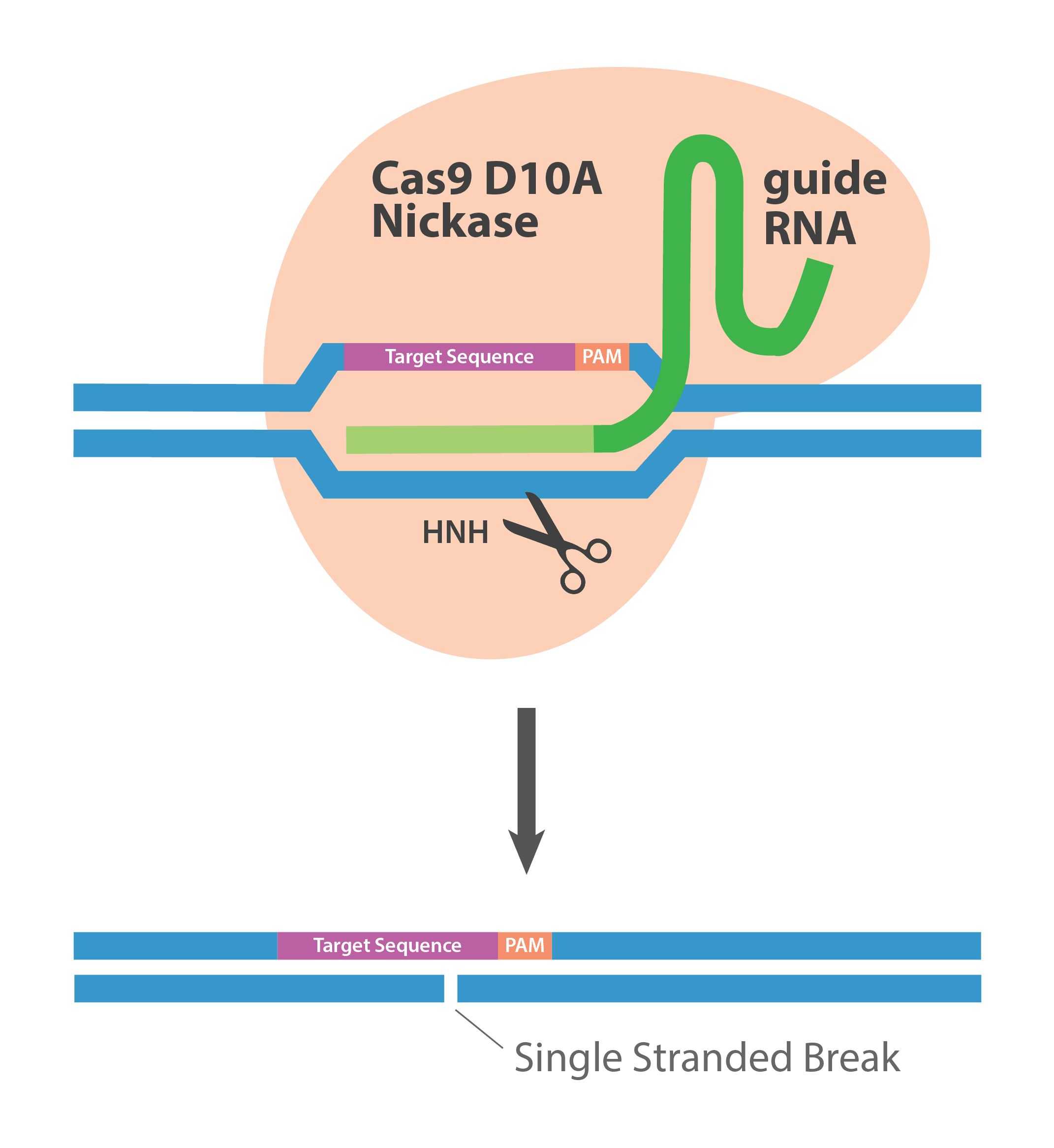
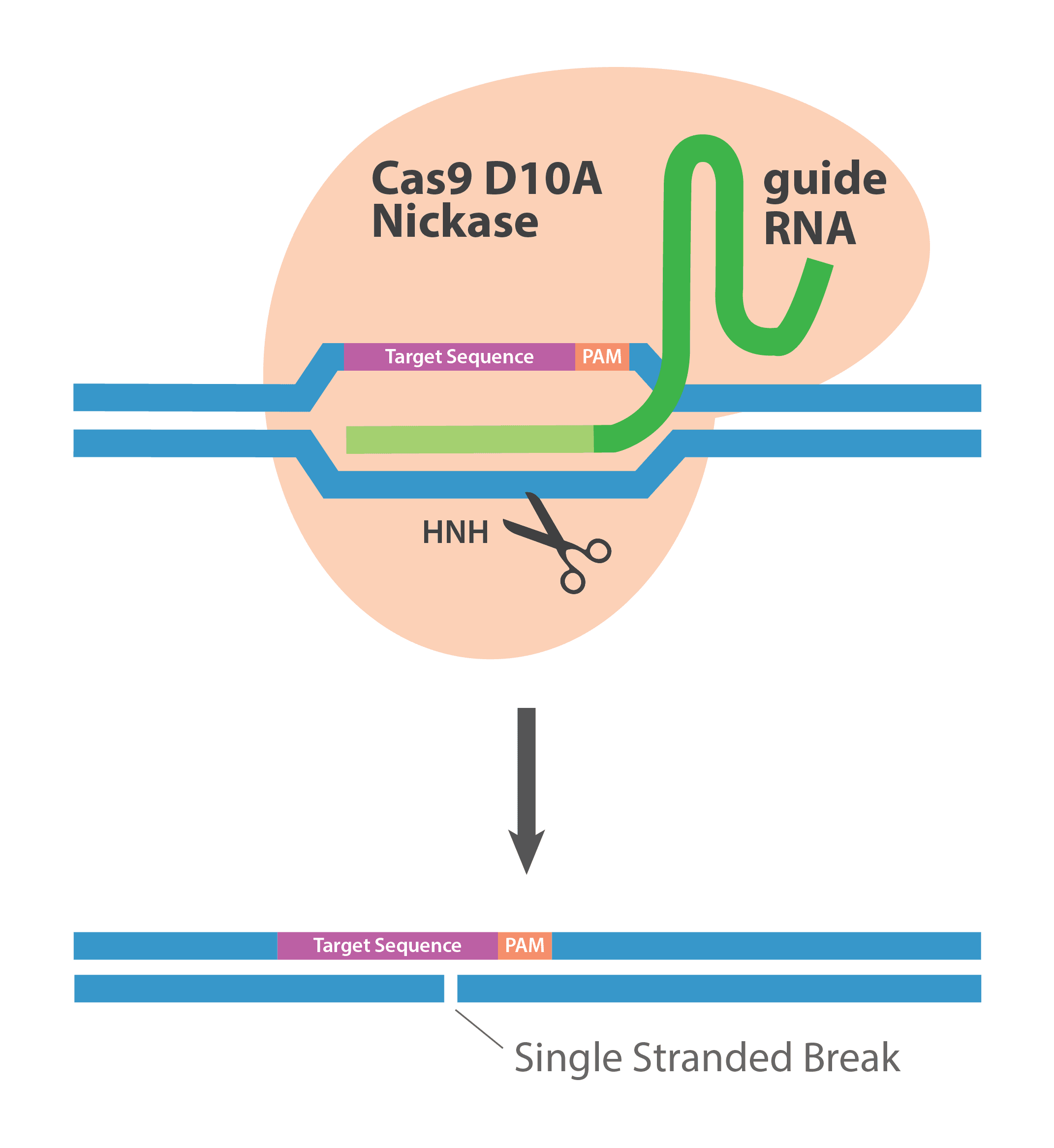
Wild-type SpCas9 delivers high activity for standard knockout/knock-in. High-fidelity Cas9 reduces off-target editing. Nickase (Cas9n) supports paired-nick HDR strategies, dCas9 enables CRISPRa/CRISPRi gene regulation, and electroporation-ready RNP formats suit hard-to-transfect cells.
Guide RNA Configuration
Synthetic sgRNAs combine the target-specific spacer and scaffold in one molecule for convenience. Separate crRNA and tracrRNA components allow modular assembly and on-demand guide preparation for researchers needing flexibility.
Delivery Format
Plasmid delivery suits stable integration; RNP electroporation provides transient high-efficiency editing with a reduced genomic footprint; AAV and adenoviral vectors extend access to difficult-to-transfect primary cells and in vivo models.
Post-Edit Validation
T7 endonuclease I (T7E1)-based assays and alternative enzymatic mismatch cleavage kits detect insertions and deletions in edited cell populations. NGS-compatible workflows provide higher-resolution indel analysis where required.
Application Scope
CRISPR/Cas9 reagents support gene knockout and knock-in in mammalian cell lines, genome-modified animal model generation, functional genomics screens, and AAV/adenovirus-mediated in vivo delivery for gene therapy research.
Specifications Context
Key CRISPR/Cas9 specifications vary by reagent format and application. For nuclease proteins, researchers typically compare nuclease type (Cas9, saCas9, Cas12a/Cpf1), nuclear localization signal (NLS) configuration, protein format (liquid or lyophilized), and delivery compatibility. For viral delivery systems, vector type, viral titer, cargo capacity, and target cell compatibility are important considerations. Mutation detection kits are commonly evaluated based on assay sensitivity, workflow complexity, and compatibility with downstream analysis methods. Because genome editing workflows often combine nucleases, delivery systems, and validation reagents, researchers should confirm reagent compatibility, storage requirements, and experimental objectives before ordering.
Reach out to the MBP Inc. expert team now to obtain a quote for the appropriate CRISPR/Cas9 reagents for your laboratory.
FAQ



