AAV and Adenovirus CRISPR/Cas9 Delivery Systems for Labs
MBP Inc. supplies AAV (adeno-associated virus) and adenovirus-based delivery systems for CRISPR/Cas9 gene editing in hard-to-transfect primary cells, organoids, and in vivo models.
These viral vector reagents provide high transduction efficiency with low immunogenicity (AAV) or broad cell tropism (adenovirus), making them the preferred delivery route for pre-clinical gene therapy research in labs across the USA and Canada. For purchasing assistance or quotations, reach out to customerservice@mbpinc.net
AAV/Adenovirus Systems
Showing 1 to 12 of 14 results
What Are AAV and Adenovirus CRISPR Delivery Systems?
AAV and adenovirus-based delivery systems exploit the natural cell-entry machinery of these viruses to deliver Cas9 and guide RNA cargo into cells that resist conventional transfection — including primary cells, stem cells, neurons, and in vivo tissues. AAV is the most widely used viral vector for CRISPR-based gene editing, valued for high transduction efficiency, low immunogenicity, and an established safety profile in human gene therapy. The right viral delivery system influences transduction efficiency, expression profile, and genome-editing outcomes. AAV and adenoviral vectors offer distinct advantages depending on your research goals.
What you will find:
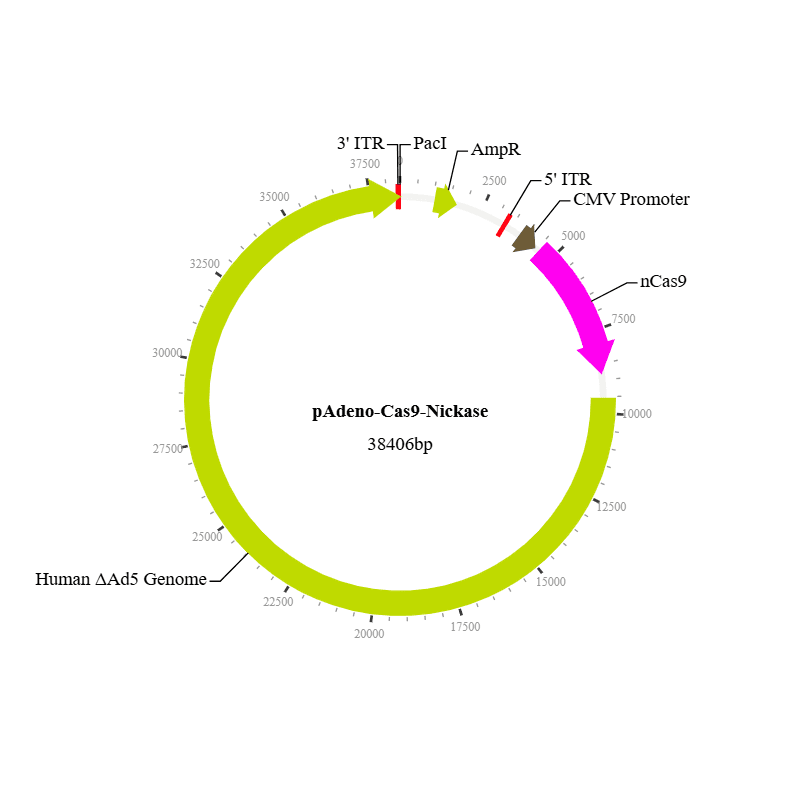
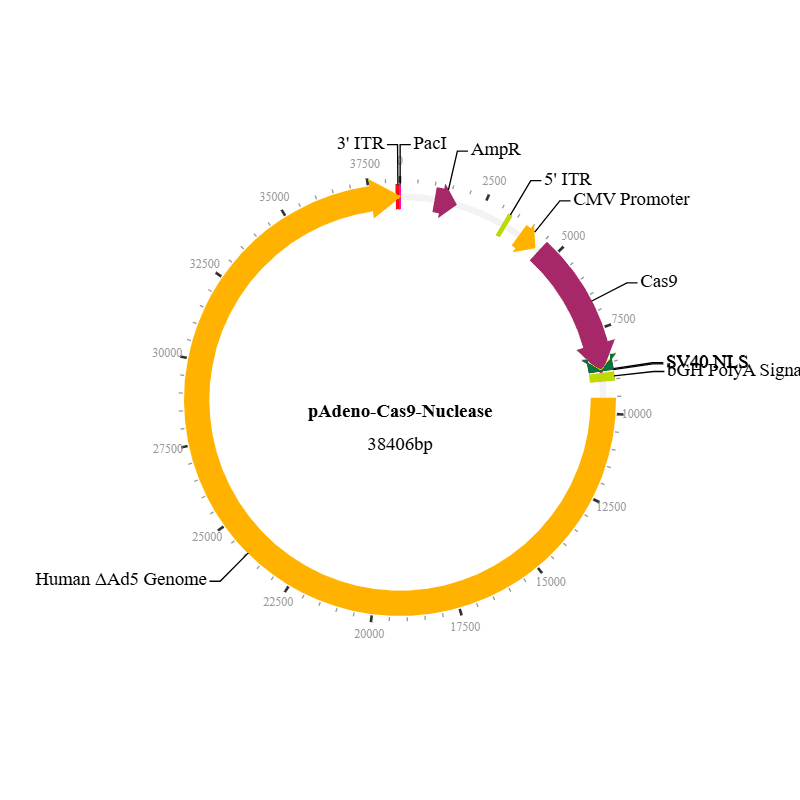
- Adenoviral Cas9 & Nickase Nucleases: Viral delivery systems for rapid, transient Cas9 or nickase expression without genomic integration.
- AAV6 & AAV8 Viral Vectors: Serotype-specific AAV vectors optimized for transduction of hematopoietic stem cells and liver tissues.
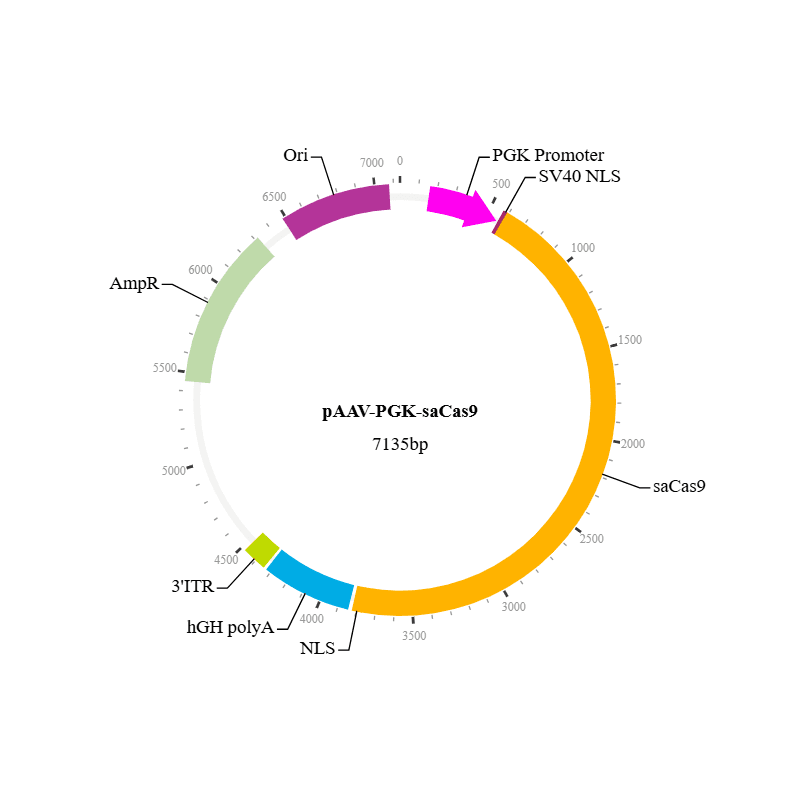
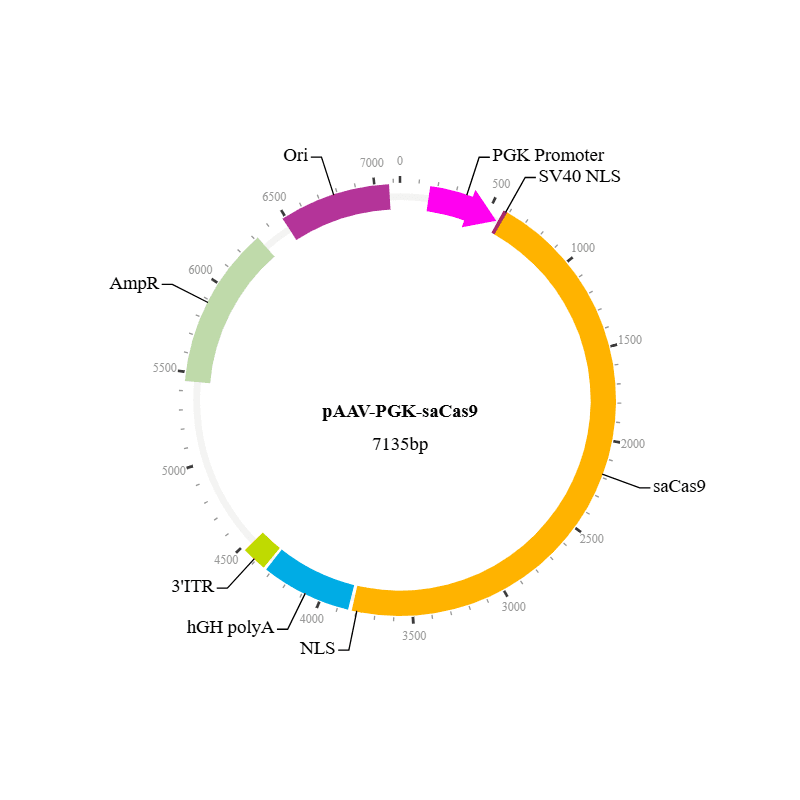
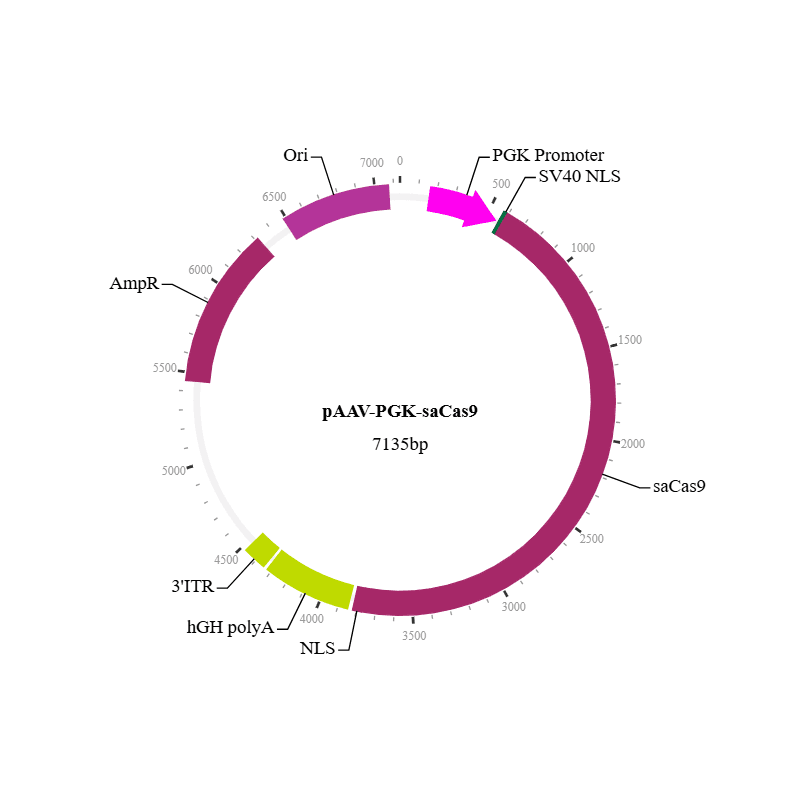
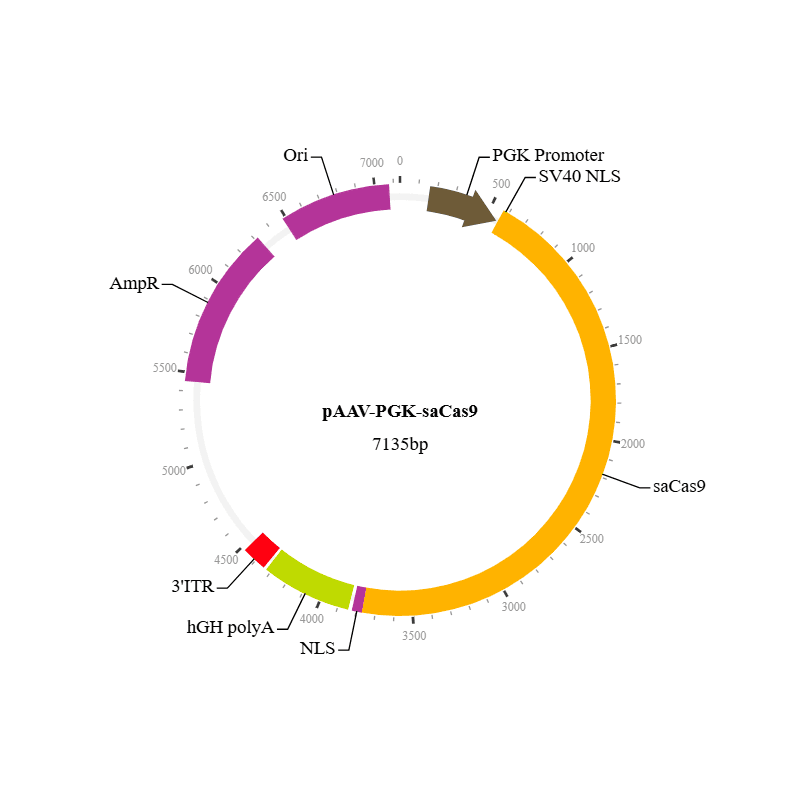
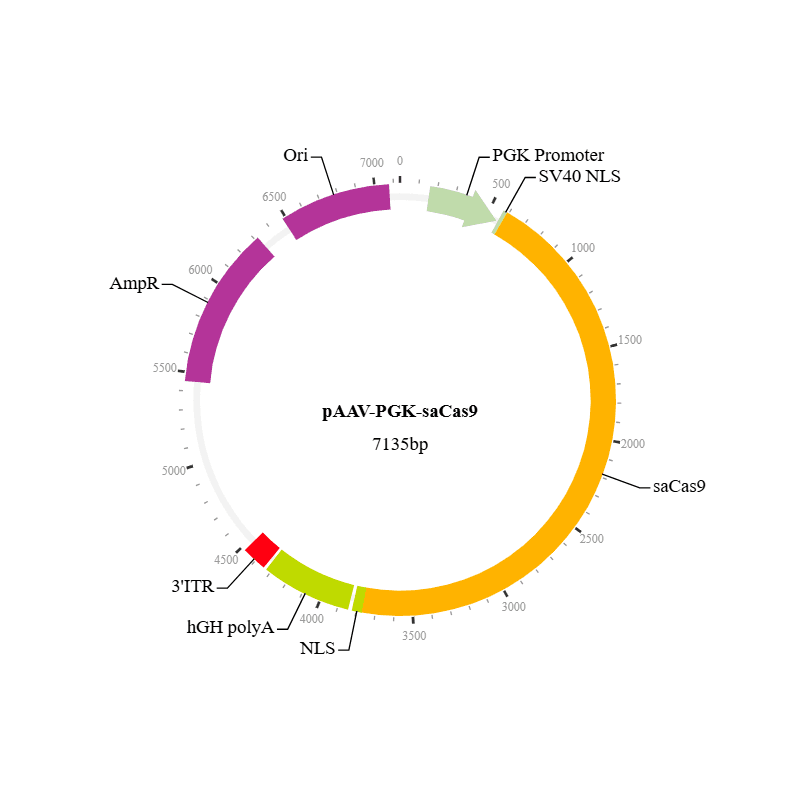
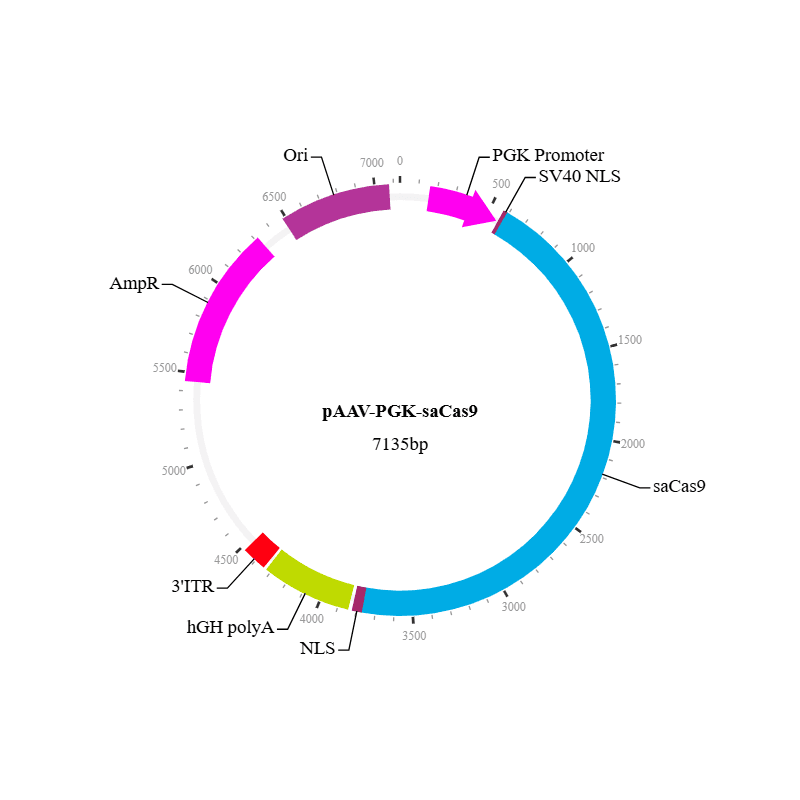
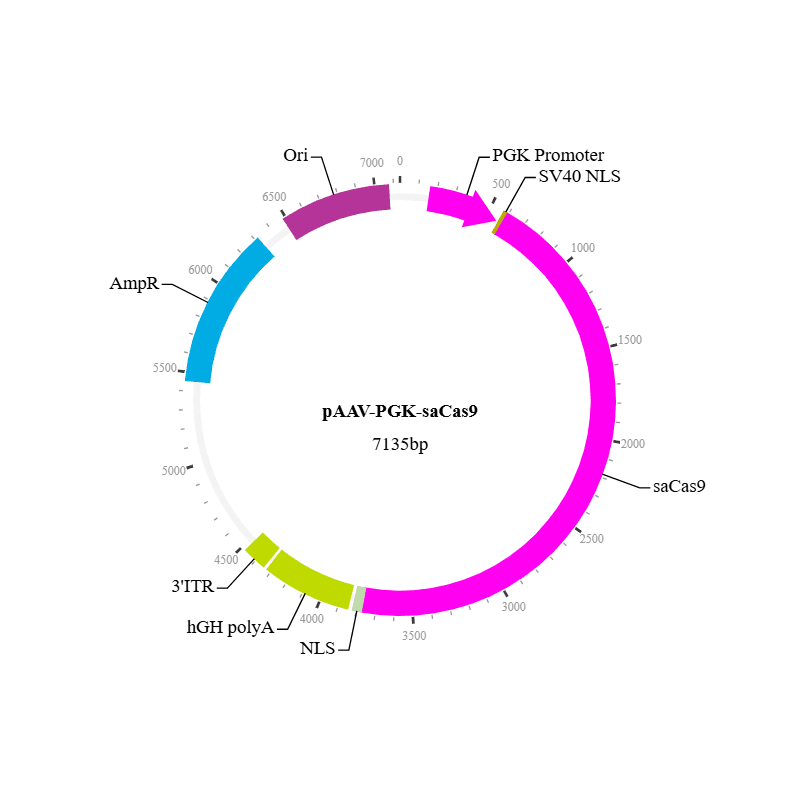
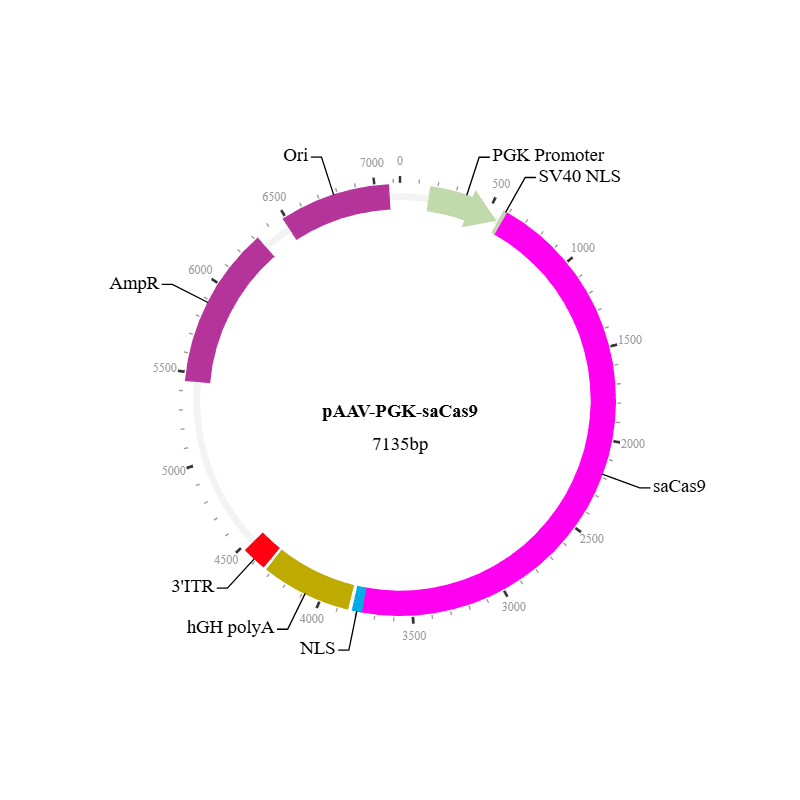
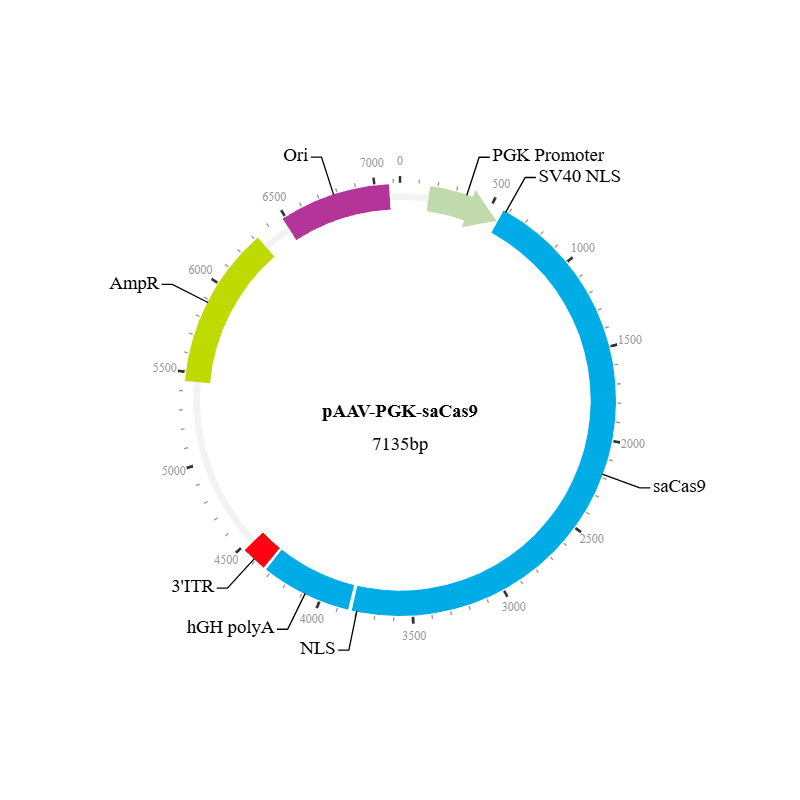
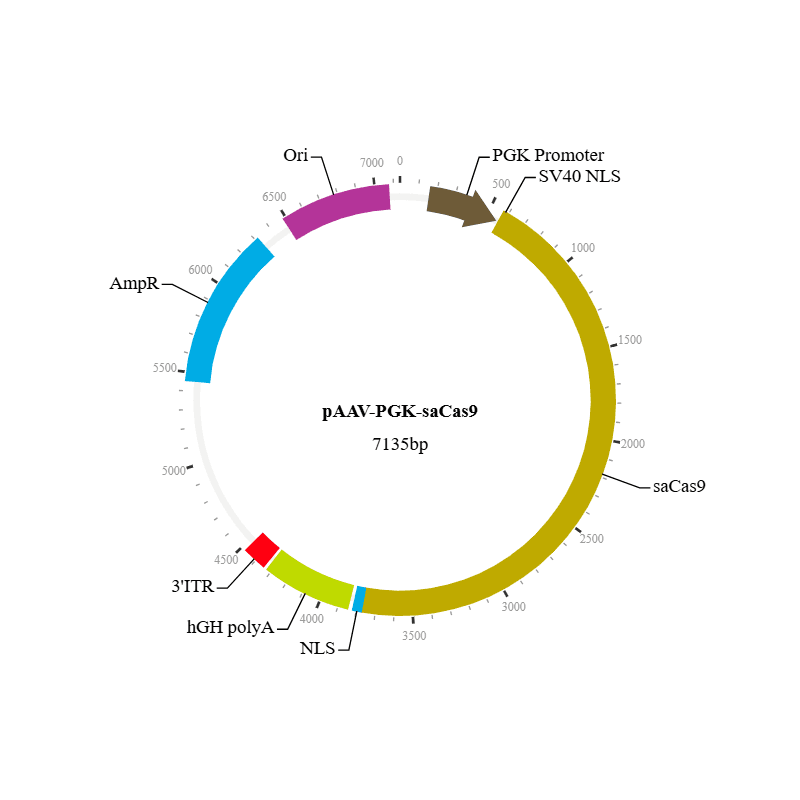
- saCas9 AAV Serotypes (1–10): Diverse AAV serotypes designed to support targeted cellular tropism across CRISPR applications.
- Ampicillin-Selected AAV Vectors: AAV vector backbones containing ampicillin resistance markers for cloning and transformant selection.
- High-Titer Viral Particles: Purified viral preparations optimized to maintain genomic integrity and minimize endotoxin-related effects.
How to Choose AAV/Adenovirus CRISPR Delivery
Genome Capacity Requirements
AAV's ~4.7 kb packaging capacity is too small for full-length SpCas9 (~4.2 kb) plus a promoter and guide RNA. Split-vector systems (Cas9 across two AAV particles) or compact Cas9 orthologs such as SaCas9 (~3.2 kb) address this limit. Adenovirus offers 34–43 kb capacity for larger cargo.
Serotype and Tissue Tropism
AAV serotypes differ in their ability to transduce specific cell types and tissues, making serotype selection an important part of CRISPR delivery design. The optimal serotype depends on the target tissue, model system, administration route, and experimental goals. MBP offers saCas9 AAV viruses in multiple serotypes (AAV1–AAV11) to support a range of research applications.
Cell Division Status
Both AAV and adenovirus transduce dividing and non-dividing cells, making them suitable for primary neurons, hepatocytes, and other post-mitotic populations that resist standard transfection.
Immunogenicity Considerations
AAV has low immunogenicity and minimal integration risk, supporting widespread pre-clinical and clinical in vivo use. Adenovirus offers higher initial transduction efficiency and larger cargo capacity but generates a stronger immune response, which can limit in vivo utility.
Packaging System
Helper-free packaging systems eliminate the need for replication-competent helper virus, designed for BSL-2 containment — though institutional biosafety committee (IBC) approval is required before starting viral vector work.
Specifications Context
AAV and adenoviral CRISPR delivery systems support retinal gene therapy models, CNS editing studies, liver-targeted in vivo CRISPR, muscle cell engineering, primary immune cell editing, iPSC-derived cell modification, and genome-modified animal model generation. Capsid engineering through directed-evolution platforms continues to expand AAV tropism options, including enhanced CNS penetration following systemic delivery, an active area of pre-clinical research relevant to labs planning long-term in vivo programs. All recombinant AAV production and adenoviral vector work requires IBC approval at BSL-2 containment in most jurisdictions; MBP can provide biosafety classification documentation. Product availability reflects MBP's catalogue as of mid-2026.
Reach out to the professional team at MBP Inc. now to ask for a quote for a suitable AAV or Adenovirus system for your lab.
FAQ



