Lentiviral & Vector Systems for CRISPR/Cas9 Delivery
MBP Inc. supplies lentiviral and plasmid vector systems for CRISPR/Cas9 delivery — enabling stable, long-term gene expression across dividing and non-dividing mammalian cell types.
From ready-to-transfect Cas9 plasmids to doxycycline-inducible lentiviral systems, our vector portfolio supports gene knockout, knock-in, and functional screening workflows in research labs across the USA and Canada. Request a quote by contacting customerservice@mbpinc.net for pricing and availability.
Vector & Lentivirus Systems
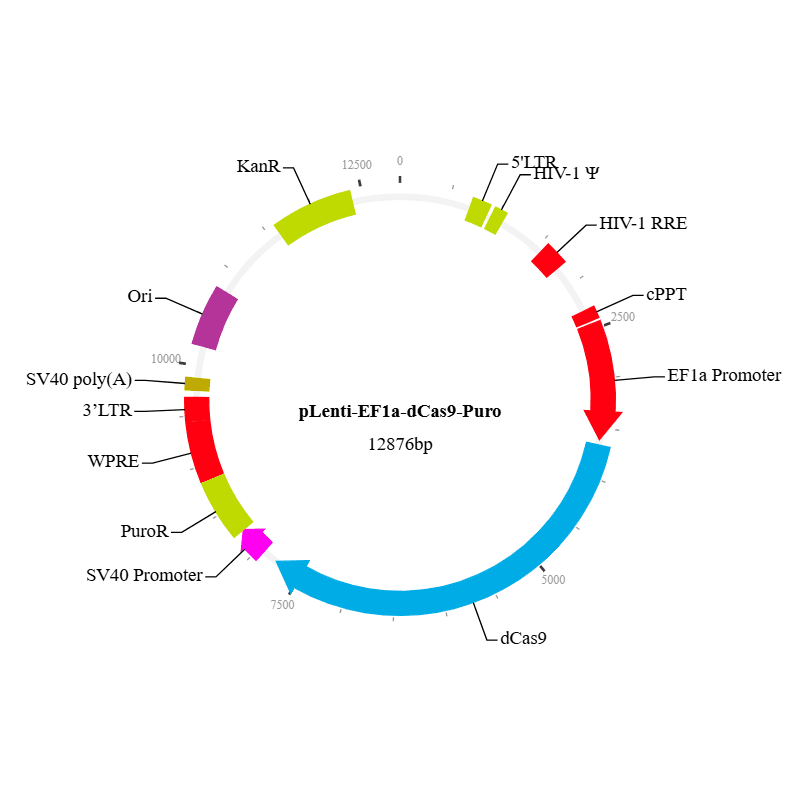
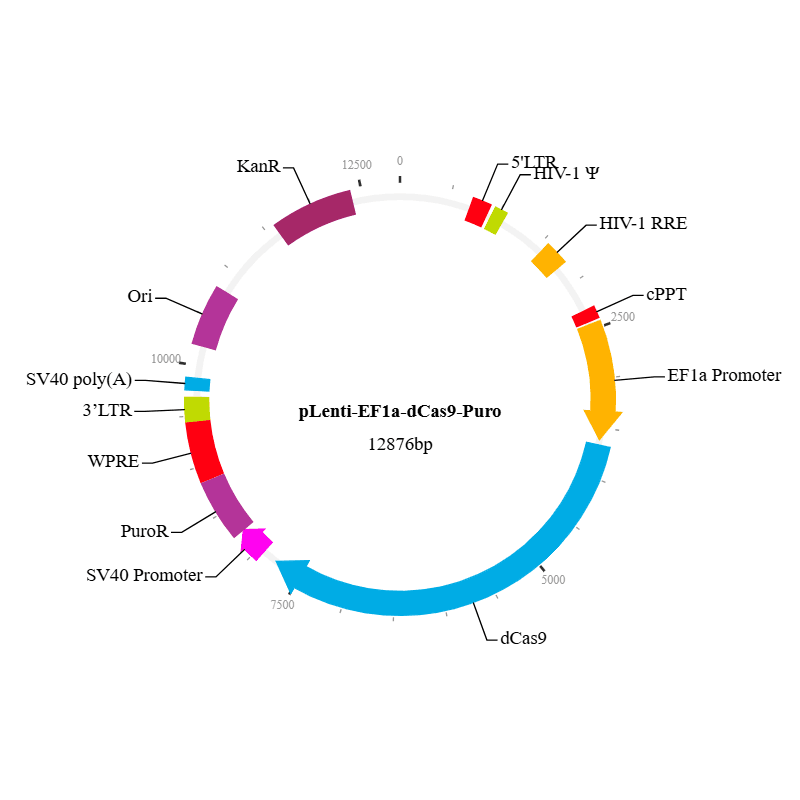
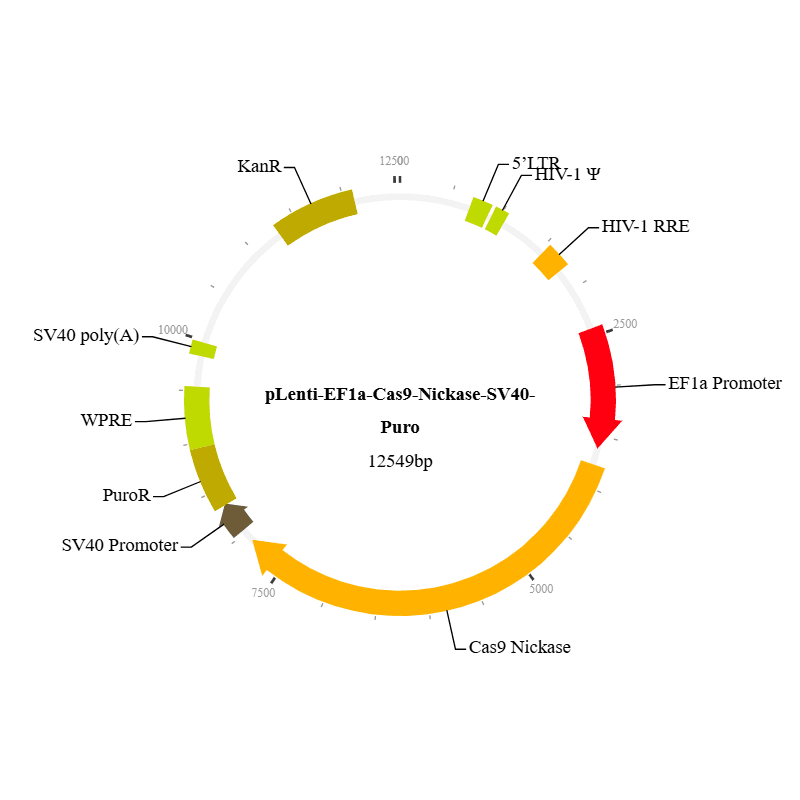
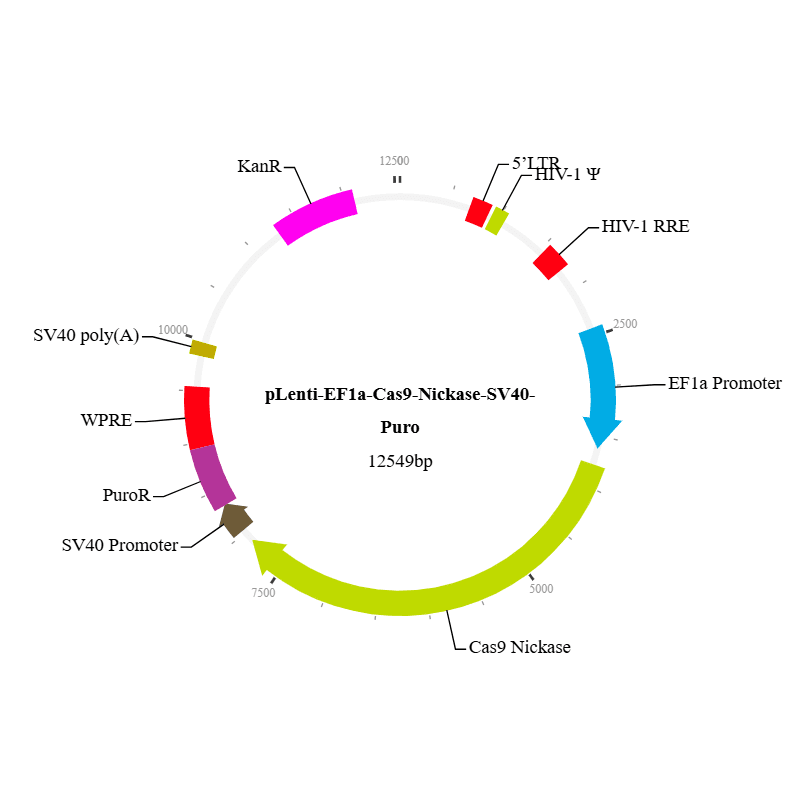
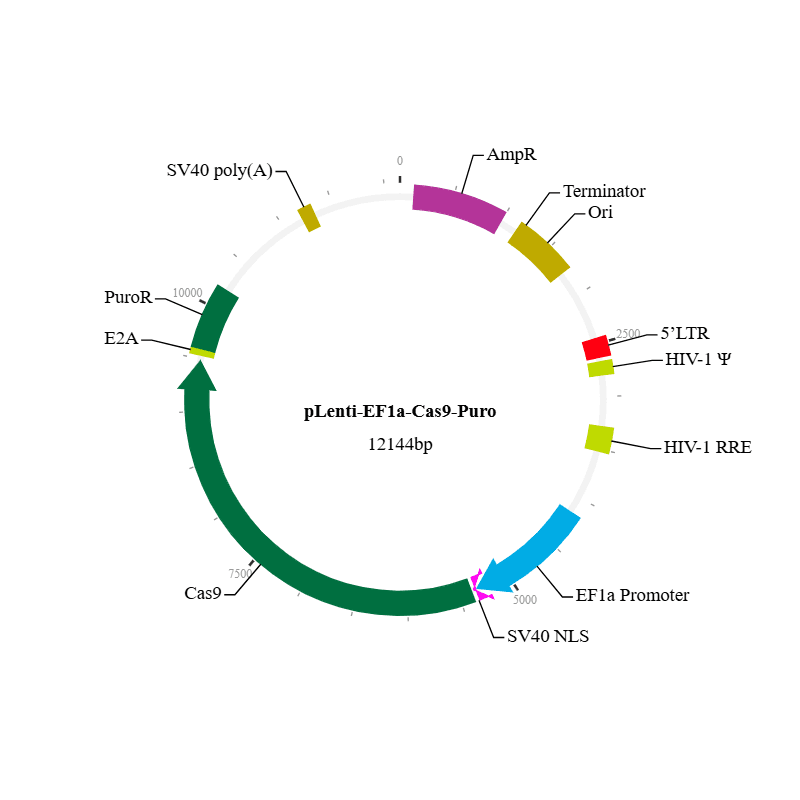
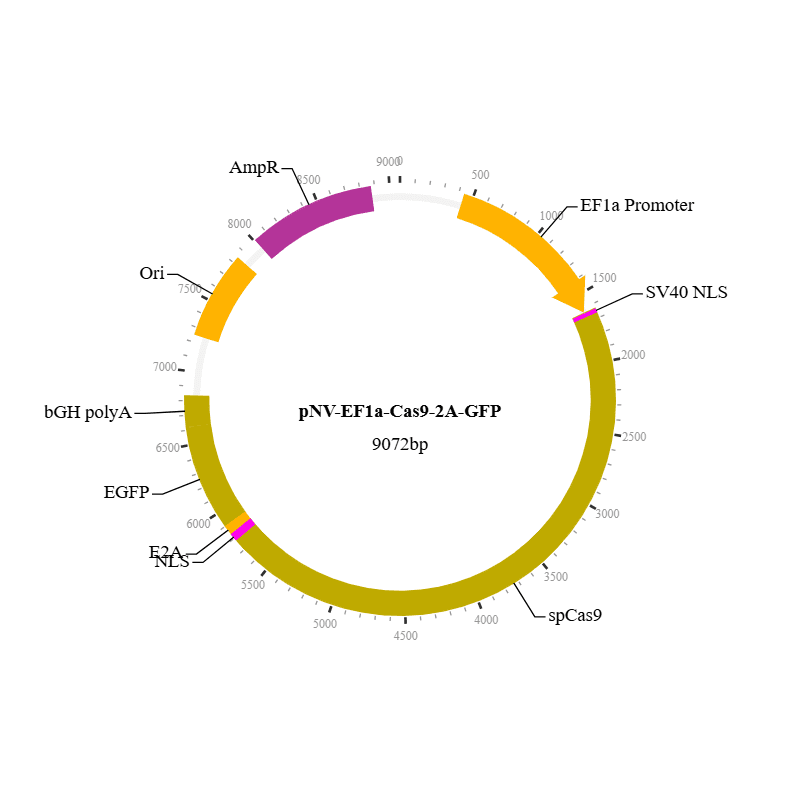
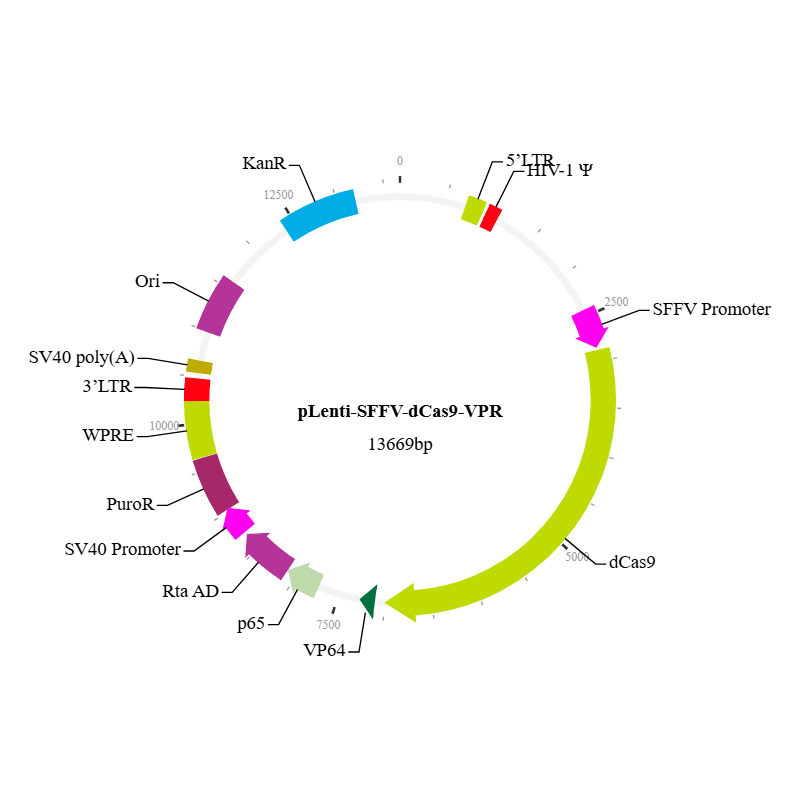
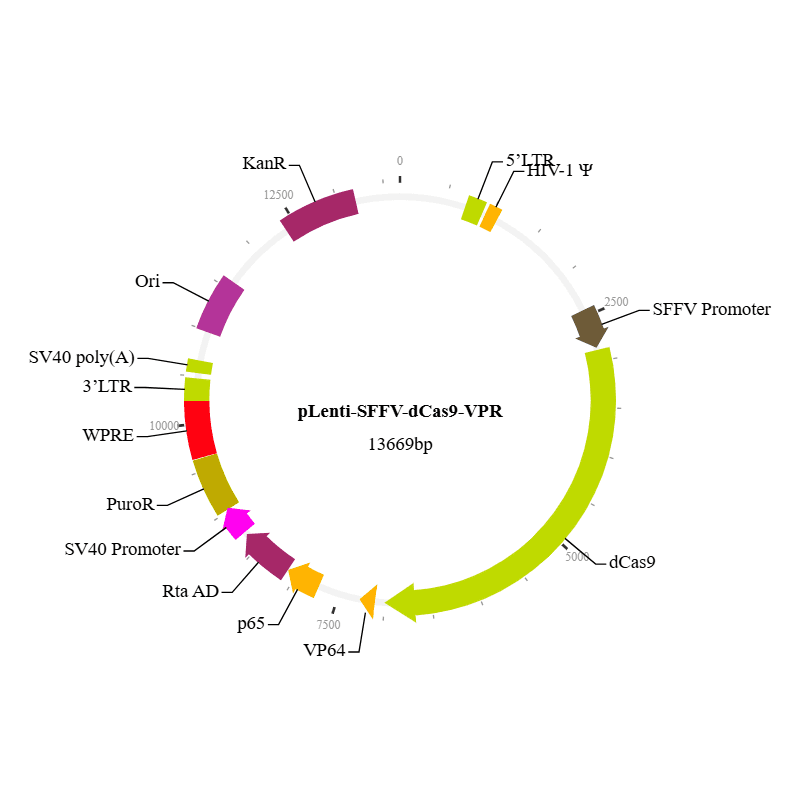
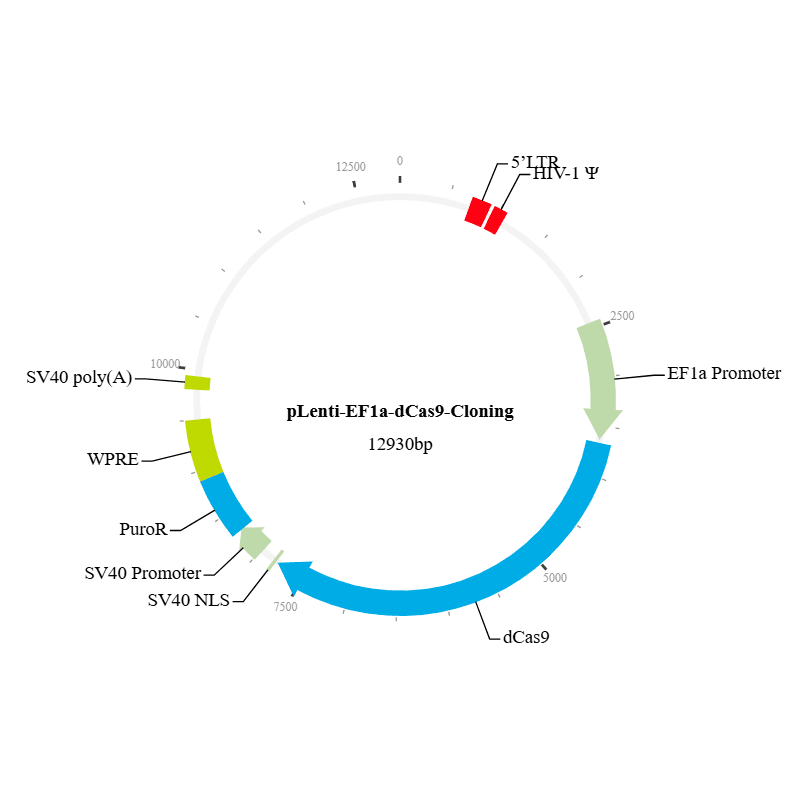
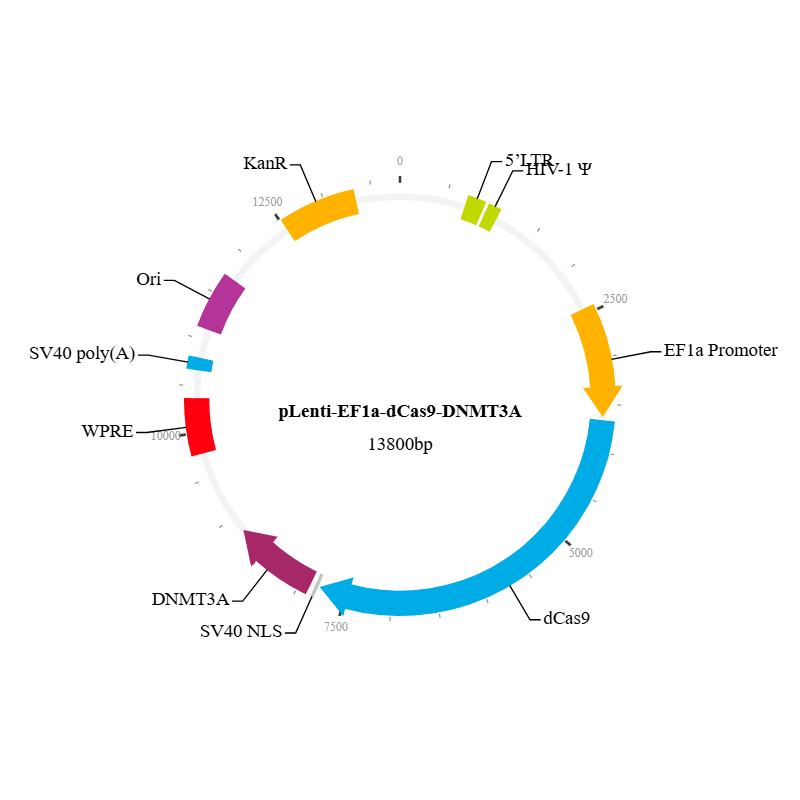
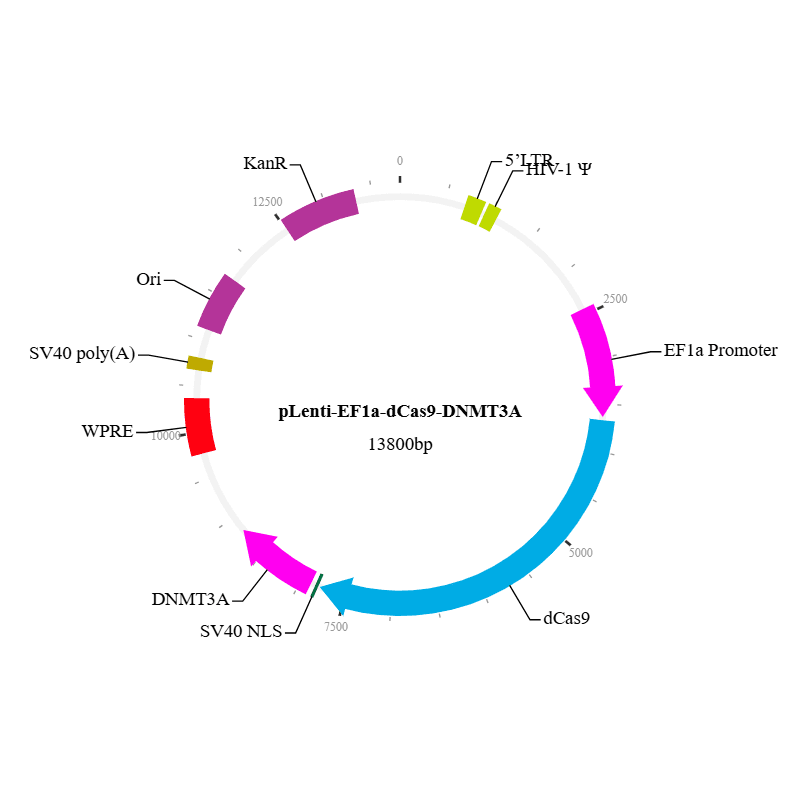
Showing 1 to 12 of 16 results
What Are Lentiviral & Vector Systems for CRISPR?
Lentiviral vector (LV) systems deliver CRISPR/Cas9 components with the capacity to carry complex transgenes and sustain robust, long-term expression across dividing and non-dividing cell types. Unlike transient transfection, lentiviral transduction integrates the transgene into the host genome, making it the method of choice for generating stable Cas9-expressing cell lines and pooled sgRNA library screens. The right vector system influences gene delivery efficiency, expression control, and experimental success. Select the platform that best fits your research objectives.
What you will find:
-
Epigenetic Modulator Lentivirus (TET1CD/DNMT3A): Tailored viral platforms created for precise DNA methylation or demethylation to investigate gene control and epigenetic changes at particular sites.
-
CRISPRa & CRISPRi Delivery Mechanisms (VPR/KRAB): Advanced dCas9 lentiviral vectors designed for strong transcriptional enhancement or repression while preserving the original DNA sequence.
-
Cas9 Nuclease & Nickase Lentiviruses: Immediately usable viral particles that ensure effective transport of double-strand break or single-strand nicking enzymes for lasting site-directed mutagenesis.
-
Lentiviral Cloning & Expression Vectors: Adaptable transfection-ready genetic frameworks equipped with C-terminal tags and enhanced promoters for the creation of tailored guide RNA and effector proteins.
-
Non-Viral Cas9 Vector Options: High-quality plasmid-based systems intended for temporary expression in scenarios where viral incorporation is not needed.
-
High-Titer Packaging Solutions: Viral preparations safe from endotoxins, enhanced for optimal transduction efficiency in delicate therapeutic candidate evaluation and disease modeling.
How to Choose Lentiviral/Vector CRISPR Systems
Packaging Generation
Second- and third-generation packaging designs progressively remove viral accessory genes (nef, vif, vpr, vpu) for enhanced biosafety. Third-generation systems split packaging components across two plasmids and eliminate the Tat transactivator, producing replication-incompetent particles suitable for BSL-2 settings.
CRISPR-Specific Format
Cas9 lentiviral plasmids provide stable Cas9 integration; pre-linearised sgRNA lentiviral plasmids are ready for guide sequence insertion; dox-inducible (Tet-On) Cas9 systems allow temporally controlled editing. Paired Cas9 and sgRNA vectors generate inducible stable editing cell lines.
Transient vs. Stable Needs
For experiments requiring transient editing without permanent genomic modification, all-in-one or dual-plasmid Cas9/sgRNA transfection systems (lipid-based or electroporation) are appropriate. For stable, heritable expression, lentiviral integration is required.
Cell Type
Lentiviral vectors transduce both dividing and non-dividing cells, including post-mitotic neurons and macrophages — applications that gamma-retroviral vectors cannot support.
Screening Scale
Pooled sgRNA libraries transduced at low MOI enable genome-wide functional screens; stable lentiviral Cas9 cell lines, generated once and banked, provide a consistent starting point for multiple guide RNA screen iterations.
Specifications Context
Lentiviral and vector systems support pooled genome-wide CRISPR knockout screens, stable Cas9 cell line generation, inducible gene editing models, hard-to-transfect primary cell engineering, and CAR-T cell development workflows. Lentiviral plasmids contain LTRs prone to recombination in standard E. coli strains — recombination-resistant strains such as Stbl3 are recommended for plasmid propagation. Integrase-deficient lentiviral vectors (IDLVs) or RNP electroporation are preferred where insertional mutagenesis risk must be minimised, such as therapeutic cell engineering. For research-scale work where stable integration is the goal, third-generation lentiviral systems remain the standard choice given their established safety record and broad cell-type compatibility across academic and industry labs. Labs new to lentiviral work often start with a well-characterised packaging system and a small pilot transduction before scaling to a full screen or stable line generation campaign.
Reach out to the professional team at MBP Inc. now to obtain a quote for the perfect Lentivirus system tailored to your research needs.
FAQ



