DNA Ladders/Markers for Accurate DNA Fragment Sizing
DNA Ladders/Markers covers multi-fragment DNA size standards loaded alongside samples in gel electrophoresis to enable fragment sizing by migration comparison, including 100 bp, 1 kb, and extended-range ladders from 50 bp to 48 kb. Most modern ladders come ready-to-load, pre-mixed with loading dye and glycerol, eliminating the separate dye-addition step. Choosing the right ladder means matching its fragment range to your expected sample sizes and confirming its format and tracking dye are compatible with your visualization method. Academic and core laboratories can benefit from guidance when selecting DNA ladders appropriate for their fragment size range, gel conditions, and detection workflow.
Explore available DNA ladders and markers or request a quotation by contacting customerservice@mbpinc.net. Our team can help identify the appropriate size standard for your DNA electrophoresis applications.
DNA Ladders/Markers
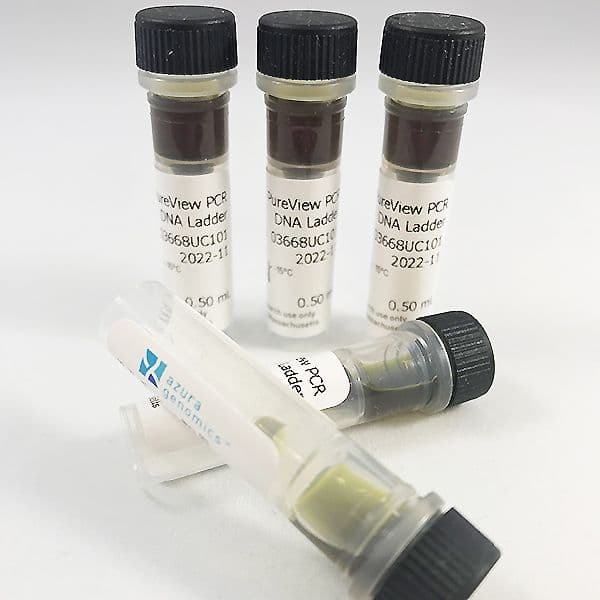
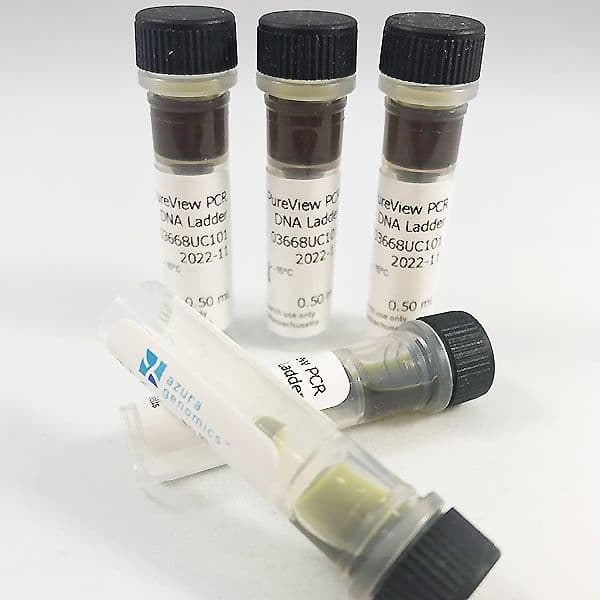
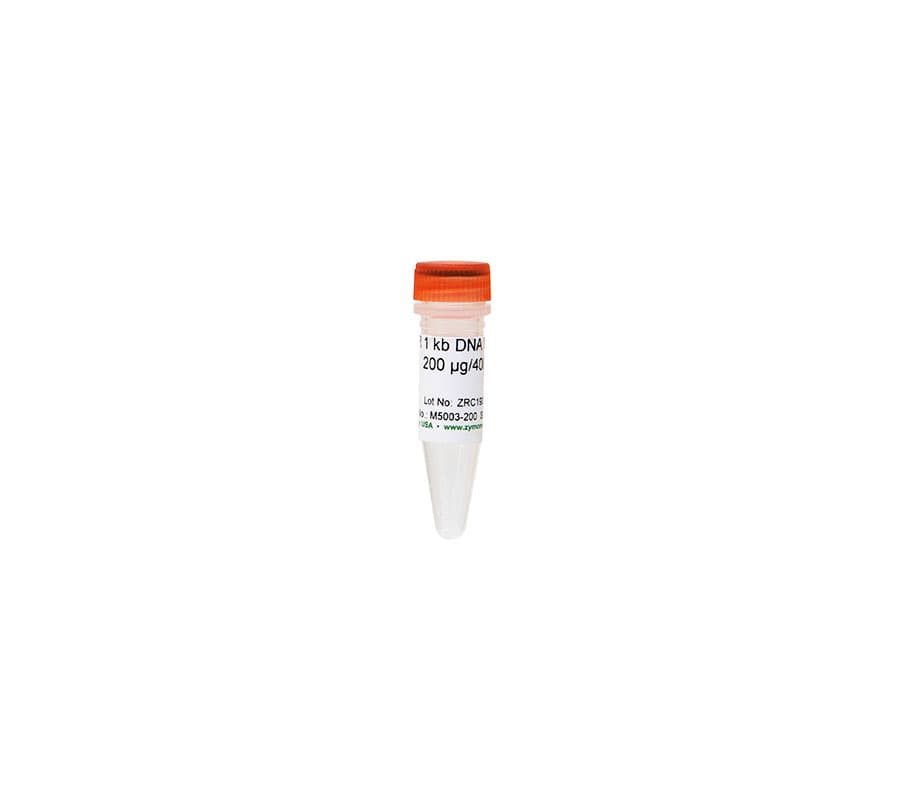
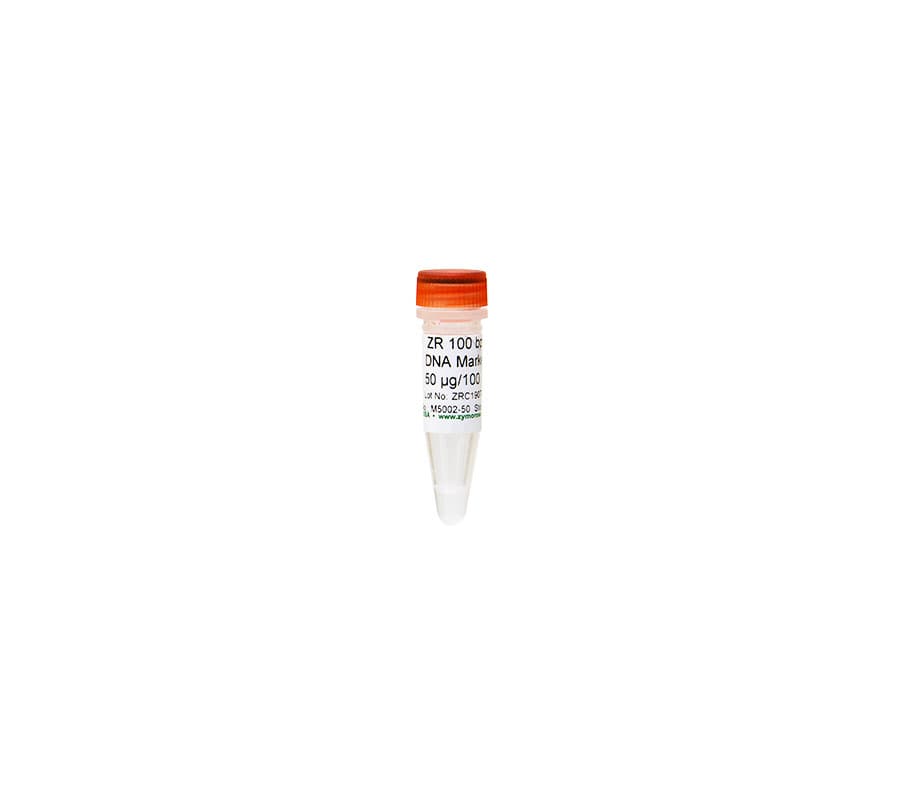
Showing 13 to 17 of 17 results
What are DNA ladders and size markers?
DNA ladders and size markers are mixtures of double-stranded DNA fragments of precisely known lengths, run in a dedicated lane alongside experimental samples to provide a fragment size scale. Each band represents a DNA fragment of a specific, labeled size, and sample band migration distance is compared against the ladder's reference bands to estimate fragment length. Most ladders also provide approximate mass information per band based on total DNA loaded, allowing a rough estimate of sample mass by intensity comparison.
What you will find:
-
1Kb DNA ladders: for medium to large-sized DNA fragments. Applications include plasmid analysis, cloning, and routine molecular biology applications
-
2Kb DNA ladders: for wider-range analysis of DNA fragments and common electrophoresis uses
-
100bp DNA ladders: for accurate sizing and high-resolution separation of small DNA fragments in sequencing and PCR workflows
-
50bp DNA ladders: for superfine resolution of DNA fragments with low molecular weight in precise genetic analysis
How to choose DNA ladders and markers
Match your ladder's size range to your expected sample fragment sizes
If your samples are expected to be in the 200 bp to 5 kb range, a 1 kb ladder covering approximately 0.5 to 10 kb is a suitable choice. For smaller PCR amplicons, a 100 bp ladder provides more useful reference points. Select a ladder whose defined fragments span the full expected sample size range.
Choose a ready-to-load format for convenience in routine work
Ready-to-load ladders are supplied pre-mixed with loading dye and density agents, allowing direct loading into gel wells without additional preparation and reducing handling steps during routine electrophoresis workflows.
Look for a reference band at a convenient size for quick orientation
Many ladders contain one or more enhanced-intensity reference bands at commonly used sizes such as 1 kb or 3 kb, making it easier to identify ladder positions and estimate sample fragment sizes at a glance.
Confirm your staining method is compatible with the ladder's tracking dye
Certain tracking dyes can interfere with visualization of nearby DNA bands under some staining conditions, while alternative dye formulations help reduce shadowing effects and improve band visibility near the migration front.
Check whether your ladder provides mass information for DNA quantification
Some ladders include estimated DNA mass values for individual bands, allowing approximate comparison of sample band intensity against a known reference. Precise quantification, however, generally requires dedicated fluorometric or spectrophotometric measurement.
Specifications context
DNA ladders are generated from defined DNA templates and designed to produce fragments of known sizes, often with one or more higher-intensity bands that serve as visual reference points for rapid orientation during gel analysis.
Ready-to-load premixed ladder formats remain the most widely used option for routine electrophoresis workflows, while extended-range ladders continue to gain popularity by covering both small and large fragment sizes within a single product.
Contact the expert team to get high-performance and ultra-resolution DNA ladders for your lab.
FAQ