Retroviral Over-Expression Vectors for Stable Gene Delivery
MBP Inc. supplies ABM's retroviral over-expression vectors and ready-to-use retrovirus products for stable gene expression studies in dividing mammalian cells. Available in blank-control, GFP, RFP, HA-tagged, and IRES-based formats, these retroviral systems support gene expression, reporter-based analysis, and molecular biology research workflows in laboratories across the USA and Canada.
Whether you require a retroviral vector for construct development or a pre-packaged retrovirus for transduction studies, MBP provides reliable solutions to support your research objectives. Contact customerservice@mbpinc.net today to request a quote.
Over-Expression Vectors
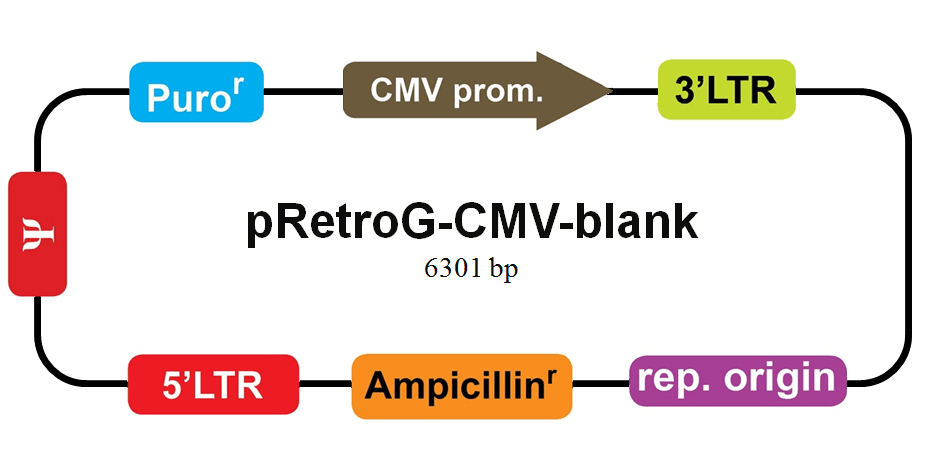
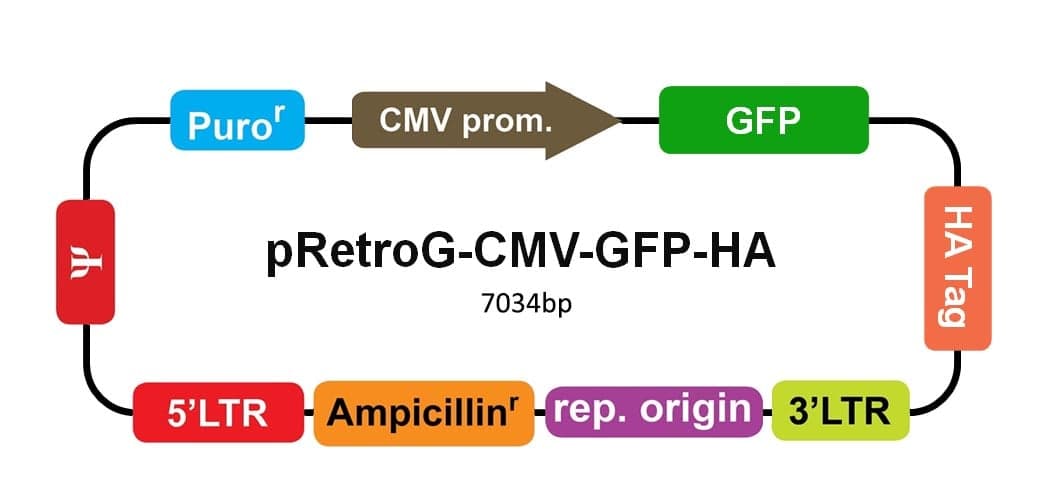
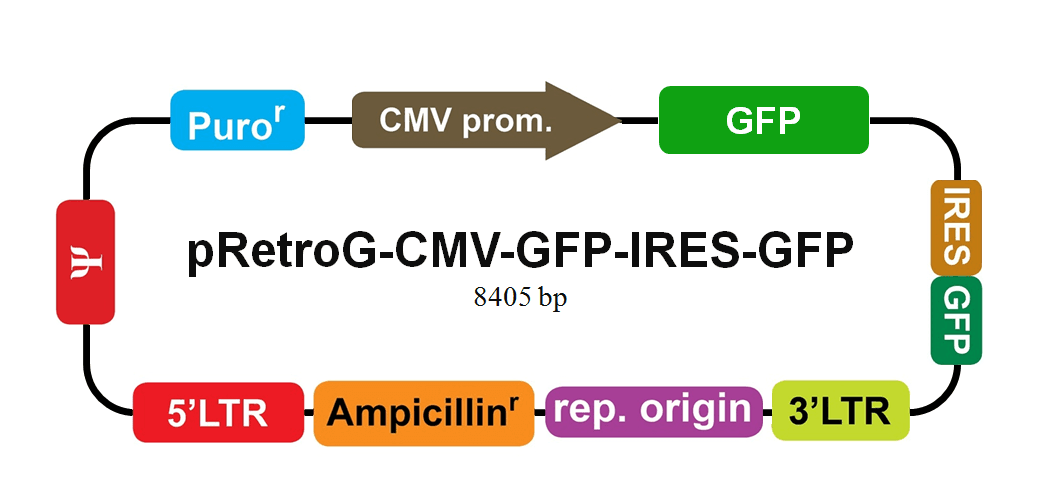

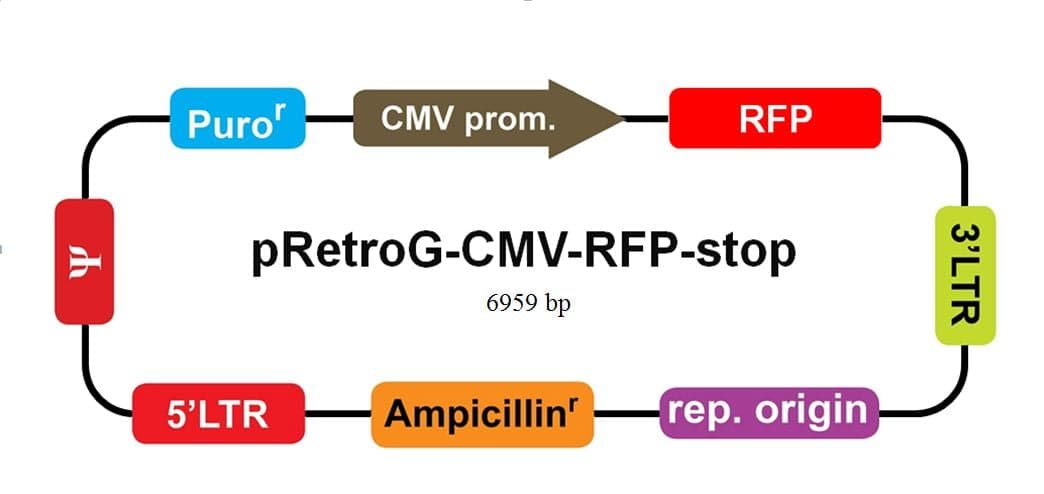
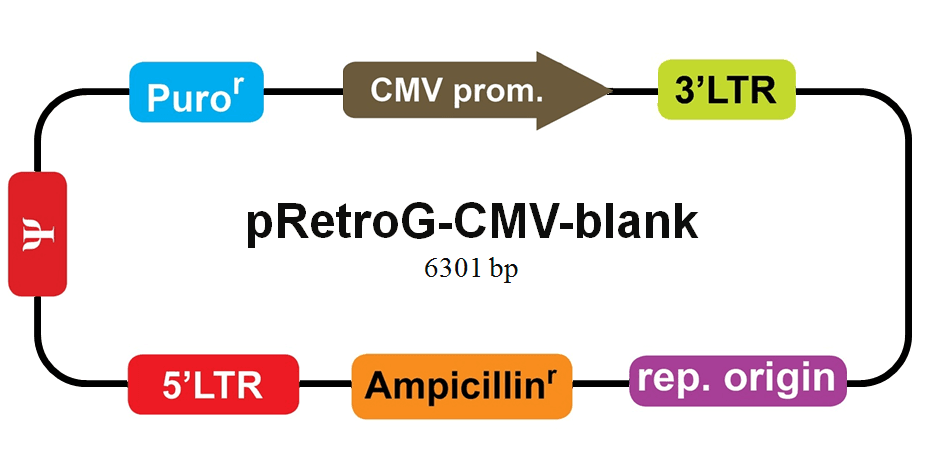
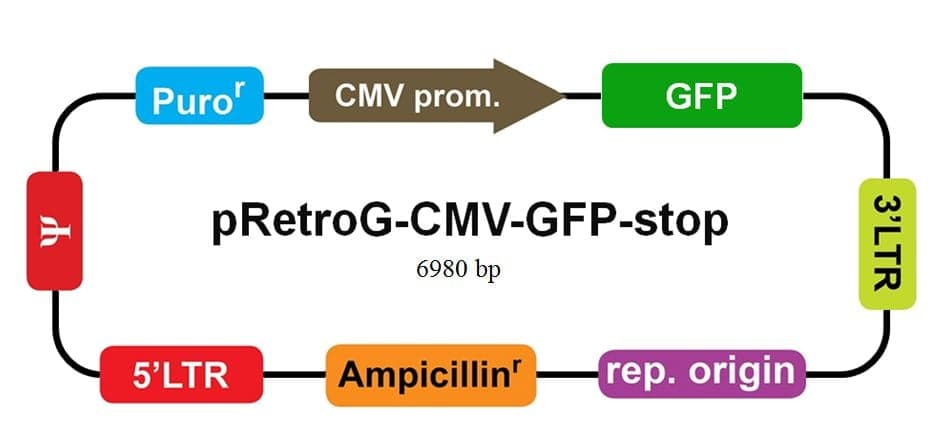
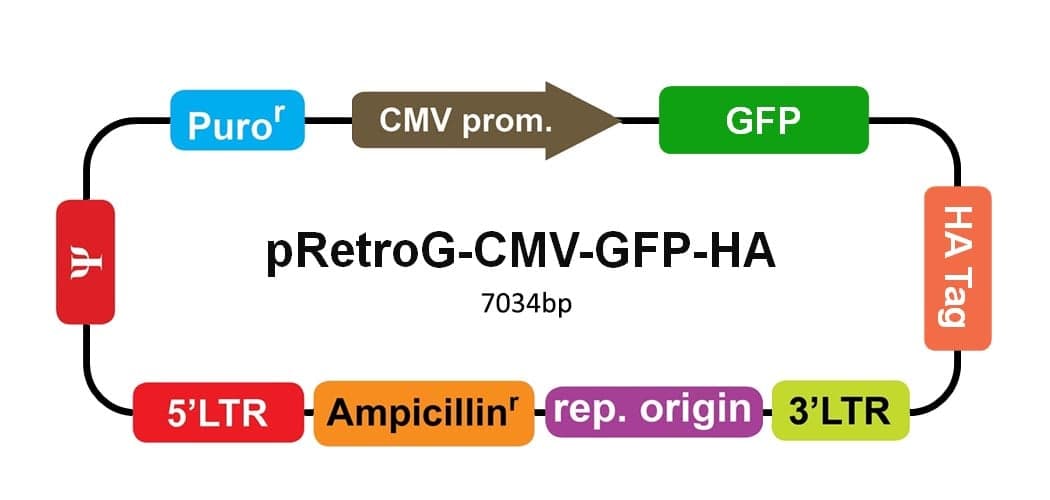
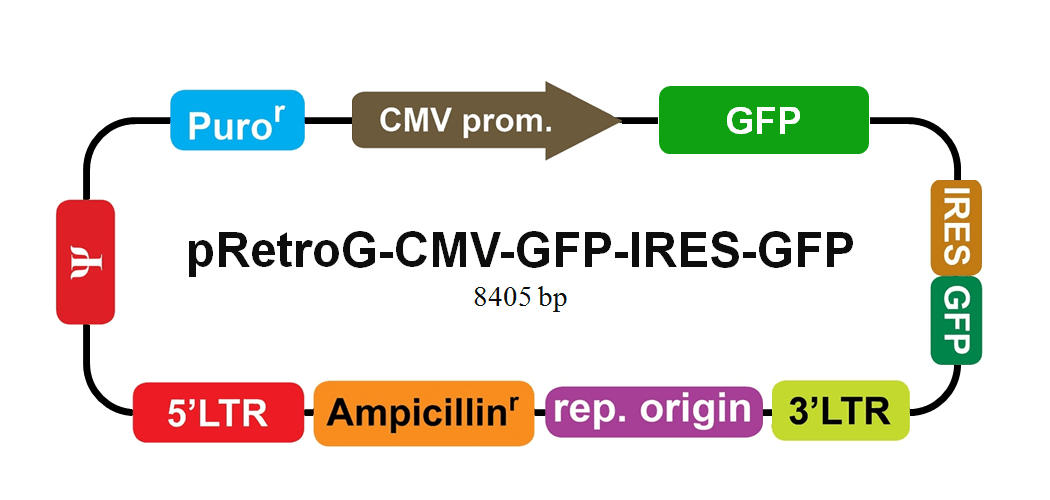
Showing 1 to 10 of 10 results
What Are Retroviral Over-Expression Vectors?
Retroviral over-expression systems are widely used for stable gain-of-function studies in dividing mammalian cells. By integrating a transgene into the host genome, retroviral vectors enable long-term expression of genes involved in signalling pathways, cell-cycle regulation, differentiation, and disease research. These systems remain valuable tools for generating stable cell lines and investigating gene function in molecular and cellular biology applications. Long-term gene expression requires a suitable delivery platform. Choose a retroviral over-expression system aligned with your objectives.
What you will find:
-
Control/Reporters: including GFP-, RFP-, HA-tagged, IRES-based, and blank-control retroviral vectors and particles for monitoring transduction performance, reporter expression, and stable gene expression studies in mammalian cells.
How to Choose a Retroviral Over-Expression Vector
Vector and Promoter Combination
pBABE drives transgene expression from the 5′ LTR with puromycin selection, showing minimal off-target effects on cell growth. pLNCX2 uses an internal CMV promoter with G418/neomycin selection — CMV-driven expression can be stronger in some cell types, while LTR-driven expression provides more predictable integration-dependent levels.
Cell Type Specialisation
MSCV-based vectors (pMSCVpuro, pMSCVneo) should be used for embryonic stem cells, embryonal carcinoma cells, and haematopoietic stem/progenitor cells, where standard MMLV LTR vectors undergo methylation-based silencing.
Pseudotyping for Tropism
Co-transfection with a pVSV-G envelope plasmid produces VSV-G pseudotyped particles with broad mammalian tropism. Without VSV-G, ecotropic (Phoenix-E) particles infect only mouse/rat cells; amphotropic (Phoenix-A) particles offer broader but not universal coverage.
Inducible Expression Needs
Tet-On and Tet-Off inducible retroviral vectors (pRevTet-On, pRevTet-Off) provide doxycycline-regulated, dose-responsive, reversible transgene expression for cases where constitutive over-expression would be toxic.
Selection Marker Availability
Selectable markers enable enrichment of successfully transduced cells and facilitate the generation of stable cell populations. Common approaches include antibiotic resistance markers and fluorescent reporter genes, which support clone selection, transduction monitoring, and downstream functional analysis.
Specifications Context
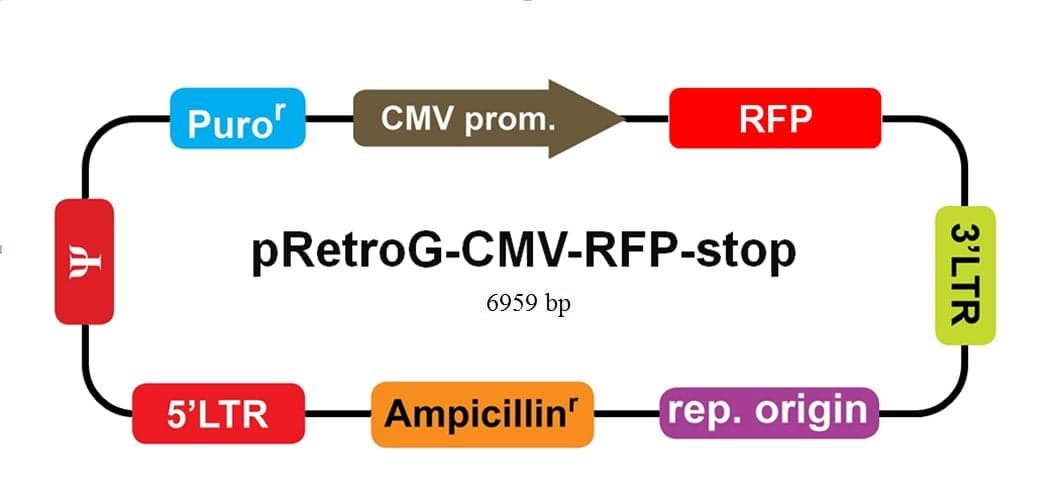
Retroviral over-expression workflows using Retro-CMV and pRetroG-CMV vector systems involve delivery of transfer plasmids encoding the gene of interest into packaging systems to generate replication-incompetent retroviral particles for transduction of actively dividing mammalian cells. Following integration into the host genome, these systems enable stable and sustained transgene expression across cell generations. The available vector formats include CMV-driven GFP and RFP reporters, HA-tagged expression constructs, bicistronic IRES-based systems for co-expression studies, and blank-control vectors for baseline comparison.
For product availability, technical guidance, or institutional pricing, request a quote from the MBP team today.
FAQ



