Product Filters

Cell Culture Media for Mammalian Cell Maintenance and Growth


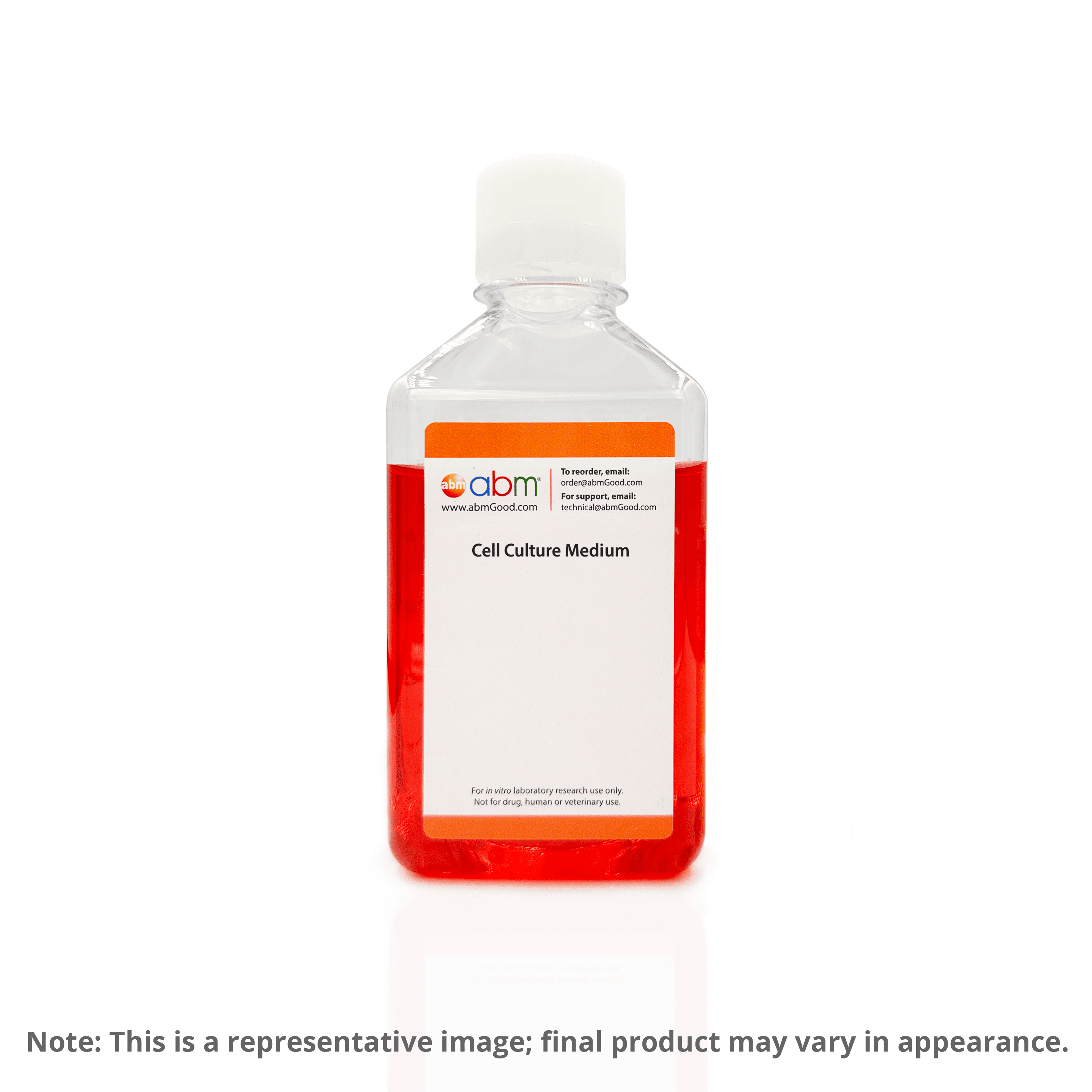
Cell Culture Media covers the basal and complete mammalian cell culture media formulations used to maintain and expand cell lines and primary cells in vitro: standard formulations including DMEM, RPMI 1640, MEM, IMDM, Ham's F-12, and DMEM/F-12, as well as specialty media optimized for specific cell types including the PriGrow series. Choosing the correct basal medium is the first step in any mammalian cell culture setup. Academic and core laboratories establishing or sourcing routine cell culture media can benefit from guidance when selecting formulations and supplements based on cell type requirements and experimental conditions.

Looking for a specific cell culture medium? Contact customerservice@mbpinc.net for a quotation and expert guidance on selecting the right formulation and supplementation strategy for your cell culture system.

Cell Culture Media
Per Page:
Sort By:
no products Image
No Products Found
Back to home

What Are Cell Culture Media?


Cell culture media are chemically formulated nutrient solutions that sustain mammalian cells outside the body by supplying the amino acids, glucose, inorganic salts, vitamins, and pH buffers cells require for survival and proliferation in vitro. The three principal media classes are basal media (such as DMEM, RPMI 1640, MEM, DMEM/F-12, and IMDM—requiring supplementation with fetal bovine serum or defined growth factors), reduced-serum or serum-free media (partially or fully replacing FBS with defined growth factor supplements, insulin, transferrin, and selenium for greater batch consistency), and xeno-free and chemically defined media (containing no animal-derived components, required for GMP cell therapy manufacturing and clinical bioproduction). Every basal medium formulation differs in its buffer system, glucose concentration, amino acid content, and whether it includes L-glutamine or the stable dipeptide substitute GlutaMAX.


What you will find:


  • PriGrow Media: optimized tissue-specific primary culture formulations, such as PriGrow II and PriGrow V Medium, designed to support non-transformed cells' growth and phenotypic preservation.
  • Classic Media: Standard formulations including DMEM High Glucose, RPMI 1640, and IMDM for maintenance of established continuous mammalian cell lines.


How to Choose Cell Culture Media


Cell Line and Culture Format (Adherent vs. Suspension)

Adherent mammalian cell lines (fibroblasts, HeLa, HEK 293, Vero, HUVECs, primary neurons) typically grow in DMEM with high glucose (4.5 g/L) and 10% FBS. Suspension cultures of hematopoietic, lymphoid, and hybridoma cells (Jurkat, K562, peripheral blood lymphocytes) are typically maintained in RPMI 1640 supplemented with 10% FBS. Stem cells (hES, iPS) require DMEM/F-12-based defined media formulations. When no validated protocol exists, MEM is the simplest starting point for adherent primary cells.

Glucose Concentration

High-glucose DMEM (4.5 g/L) supports rapidly dividing transformed cell lines that rely on aerobic glycolysis. Low-glucose DMEM (1 g/L) reduces metabolic stress and lactic acid accumulation in primary and normal diploid cells. Glucose-free formulations are reserved for metabolic research where glucose must be replaced by alternative substrates.

L-Glutamine vs. GlutaMAX

Free L-glutamine degrades at 4°C with a half-life of approximately 3–4 weeks, releasing ammonia that can become cytotoxic at elevated concentrations. GlutaMAX (L-alanyl-L-glutamine dipeptide) is more stable and is recommended for long-term cultures and media stored for extended periods after supplementation.

Phenol Red Status

Phenol red is used for routine pH monitoring in culture media (pink at pH ~7.4, yellow when acidic, purple when alkaline). Phenol-red-free media are preferred for fluorescence imaging, cytotoxicity assays, steroid hormone studies, and experiments where optical or biological interference must be avoided.

Serum-Free or Defined Formulation

Standard FBS-supplemented media can introduce batch-to-batch variability. Serum-free and chemically defined media improve reproducibility for bioproduction of recombinant proteins, monoclonal antibodies, and viral vectors, and are required for GMP-compliant cell therapy manufacturing.


Specifications Context


Mammalian cell culture pH is typically maintained at 7.2–7.4. Sodium bicarbonate–buffered media (DMEM, RPMI 1640, MEM) require a 5% CO₂ atmosphere. HEPES-buffered or CO₂-independent formulations are used when CO₂ control is unavailable or for short-term handling outside incubators. Typical osmolality ranges from 270–330 mOsm/kg. Media should be stored at 2–8°C and protected from light. As of 2026, serum-free and GlutaMAX-supplemented formulations are increasingly used in research and GMP-adjacent workflows.

Connect with the expert team at MBP to request a quote for optimized cell culture media reagents for your lab.

FAQ

Cell culture media are liquid or powdered nutrient solutions that maintain the growth, viability, and function of mammalian cells outside the body in an artificial in vitro environment. Basal media formulations contain amino acids (including L-glutamine or a stable substitute such as GlutaMAX), glucose as a carbon and energy source, inorganic salts for osmolarity, vitamins, and a pH-buffering system—either sodium bicarbonate (requiring 5% CO₂ atmosphere) or HEPES (for ambient-air incubators). Most basal media must be supplemented with fetal bovine serum (FBS) at 5–10% to supply growth factors, hormones, and attachment proteins not present in the basal formulation.
DMEM (Dulbecco's Modified Eagle's Medium) is the most widely used basal medium for adherent mammalian cells—fibroblasts, HeLa, HEK 293, HUVECs, and primary mouse cells—and is available in low-glucose (1 g/L) and high-glucose (4.5 g/L) formulations, typically supplemented with 5–10% FBS. RPMI 1640 was developed at Roswell Park Memorial Institute for suspension cultures of hematopoietic and lymphoid cells, including peripheral blood lymphocytes and hybridomas, and differs from DMEM in its bicarbonate buffering at near-pH 8 and higher phosphate content. MEM (Minimal Essential Medium) is the simplest formulation and a standard starting point for adherent primary cells where DMEM would supply excessive nutrients.
Serum-free cell culture media are specified for three situations: bioproduction of recombinant proteins or monoclonal antibodies, where serum proteins complicate downstream purification; clinical and cell therapy manufacturing, where animal-derived components introduce safety and regulatory risk; and fluorescence or cytotoxicity assays where FBS components would interfere with signal quantification. GMP-grade serum-free and xeno-free formulations eliminate batch-to-batch variability from animal sera, improve reproducibility, and simplify regulatory documentation for therapeutic applications.
Phenol red is a pH indicator dye added to most cell culture media at 5–10 mg/L, producing a salmon-pink color at the physiological pH of 7.4; yellow indicates acidic conditions and metabolic waste accumulation, while magenta or purple indicates alkalinity. Phenol-red-free media are preferred in four situations: fluorescence assays (phenol red quenches visible-wavelength fluorescent dyes and elevates background), steroid hormone or estrogen-receptor studies (phenol red has weak estrogenic activity), cytotoxicity assays where its intrinsic absorbance interferes with colorimetric readout, and imaging applications requiring a clean background.
GlutaMAX (L-alanyl-L-glutamine dipeptide) is a stable dipeptide substitute for L-glutamine in cell culture media. Free L-glutamine in solution degrades spontaneously to pyroglutamate and ammonia at 4°C with a half-life of approximately 3–4 weeks; ammonia is cytotoxic and inhibits cell growth at concentrations above 2 mM. GlutaMAX is stable for the shelf life of the medium, eliminating ammonia accumulation. It is recommended for slow-growing cell lines, long-term cultures, and any protocol where media is stored more than 2–4 weeks after L-glutamine supplementation.
DMEM high glucose (4.5 g/L) supports energy-intensive, rapidly dividing cell lines including HeLa, HEK 293, and most cancer cell lines that rely on aerobic glycolysis (the Warburg effect). DMEM low glucose (1 g/L) is preferred for primary cells and normal diploid cells that metabolize glucose oxidatively; excess glucose in these cultures leads to lactic acid accumulation, pH drop, and metabolic stress. For metabolic studies or cells cultured with galactose or pyruvate as alternative energy sources, glucose-free DMEM formulations are available.
Liquid cell culture media should be stored at 2–8°C (refrigerated, not frozen) in the dark, as light and temperature degrade vitamins, growth factors, and labile amino acids. Powdered basal media formulations—which lack sodium bicarbonate to prevent gassing off in the dry state—should be stored at 2–8°C and reconstituted per the manufacturer's protocol by adding the specified amount of NaHCO₃ (typically 3.7 g/L for DMEM powder) before filter sterilization. Opened liquid media bottles are typically stable for 2–4 weeks at 4°C after L-glutamine supplementation; GlutaMAX-supplemented media remain stable for the full labeled shelf life.
DMEM/F-12 is a 1:1 mixture of DMEM and Ham's F-12 Nutrient Mixture, combining the high nutrient and amino acid content of DMEM with the richer vitamin and mineral formulation of Ham's F-12. The combination supports human embryonic stem (hES) cells, induced pluripotent stem (iPS) cells, MDCK epithelial cells, glial cells, and human endothelial cells—cell types that outgrow the nutrient capacity of DMEM alone. DMEM/F-12 is the standard basal medium for stem cell maintenance protocols including mTeSR1, StemMACS, and E8 formulations.
We provide the highest quality of products and anytime customer service.
Featured Categories
    online payment
    online payment
    fast delivery
    fast delivery
    technical support
    technical support
    24/7 support
    24/7 support
    copy right
    2026 All Right Reserved