Classic Cell Culture Media for Mammalian Cell Growth and Research Applications
Classic cell culture media are the original, established basal formulations — DMEM, MEM, RPMI 1640, Ham's F-10/F-12, IMDM, and DMEM/F-12 — manufactured to their originally published formulas with only stability-related modifications. Each is suited to specific cell types: DMEM and MEM for adherent monolayers, RPMI 1640 for suspension/hematopoietic cells, Ham's F-12 for CHO and hepatocyte culture, and IMDM for high-density rapidly proliferating cultures. Available in liquid and powder formats. MBP ships to labs across the United States, Canada, and internationally with PO and Quick Order at mbpinc.net.
Explore available classic cell culture media or request a quotation by contacting customerservice@mbpinc.net. Our team can help identify the optimal media formulation for your cell type and culture application.
Classic Media
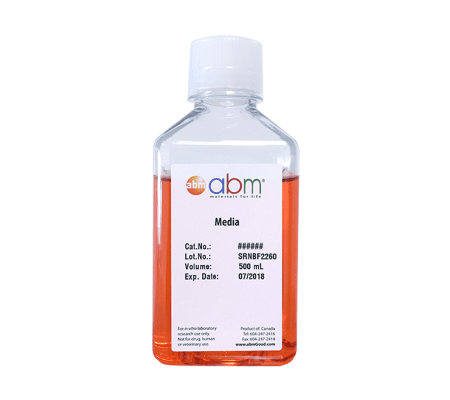
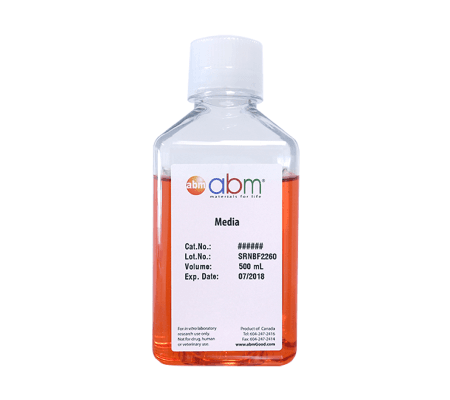
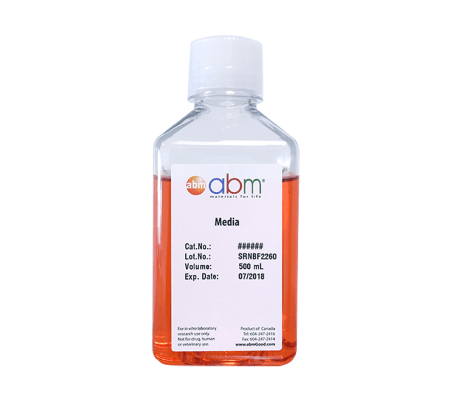
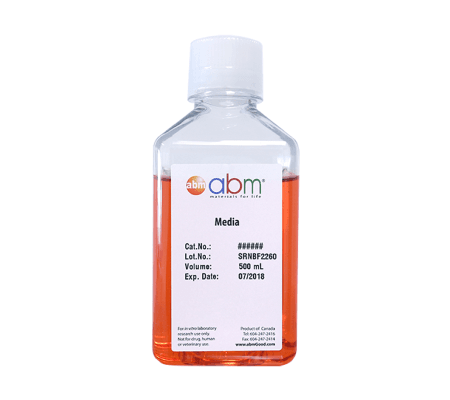
Showing 1 to 12 of 13 results
What is classic cell culture media?
Classic cell culture media refers to the foundational basal medium formulations that have underpinned mammalian cell culture for decades, including DMEM (Dulbecco's Modified Eagle Medium), MEM (Minimum Essential Medium), RPMI 1640, Ham's F-10, Ham's F-12, IMDM (Iscove's Modified Dulbecco's Medium), and DMEM/F-12. These media provide the amino acids, vitamins, glucose, salts, buffering agents, and other nutrients required to support cell survival and growth in vitro. They form the basis of many modern specialized, serum-free, and advanced media formulations used in academic research, biotechnology, pharmaceutical development, and biomanufacturing.
What you will find:
-
Availability of both low and high carbohydrate levels of balanced basal formulations for the distinct metabolic requirements of diverse mammalian cell lines.
-
Maintenance of precise physiological pH during long-term incubation cycles using optimized buffering configurations with integrated chemical stabilizers
-
Nutrient-dense cell media supplemented with vitamins and essential amino acids to support hybridomas and rapidly proliferating continuous cultures
-
Optimized serum reduction along with enhanced cell attachment using Multi-purpose 1:1 formulation hybrids
-
Salt solutions supplemented with essential minerals to facilitate enzyme preparation, cell washing, and reliable short-term osmotic maintenance.
How to choose a classic medium
DMEM vs MEM
DMEM contains up to four times the amino acids and vitamins found in MEM, along with higher glucose concentrations, making it suitable for cell types with elevated nutrient demands. It is widely used for primary cells, stem cells, and many transformed mammalian cell lines. MEM, based on the original Eagle's formulation, remains a common choice for standard monolayer culture and is available with different salt formulations to support various applications.
RPMI 1640 for suspension and hematopoietic culture
RPMI 1640 was originally developed for culturing human leukemic cells and remains the preferred medium for lymphocytes, hybridomas, and other hematopoietic cell types. Its formulation includes glutathione and elevated levels of biotin, vitamin B12, and PABA. Although designed for suspension cultures, RPMI 1640 also supports a wide range of adherent cell lines when appropriately supplemented.
Ham's F-10/F-12 for CHO and specialized applications
Ham's nutrient mixtures were developed for CHO cells and other specialized cell types. Their formulations include additional nutrients such as zinc, putrescine, hypoxanthine, and thymidine, making them useful for hepatocyte culture, toxicity testing, viral fusion studies, and other specialized applications. These media can be used with or without serum depending on the experimental requirements.
DMEM/F-12 for complex, rich-medium applications
DMEM/F-12 combines the nutrient-rich composition of DMEM with the specialized components found in Ham's F-12. The resulting formulation supports demanding cell types including MDCK cells, glial cells, fibroblasts, and endothelial cells. It is also widely used as the foundation for many serum-free and advanced culture systems.
IMDM for high-density rapid proliferation
IMDM is an enriched derivative of DMEM that contains additional amino acids, vitamins, HEPES buffer, sodium pyruvate, and potassium nitrate. Its enhanced nutrient profile makes it particularly suitable for rapidly proliferating and high-density cultures such as Jurkat cells, COS-7 cells, and macrophages.
Liquid vs powder format
Liquid classic media are supplied ready for use after the addition of serum and required supplements. Powdered media offer lower shipping costs and greater flexibility for high-volume laboratories but require reconstitution, sodium bicarbonate addition, and sterile filtration before use.
Specifications context
Classic media are manufactured according to their original published formulations, with only stability-related modifications where necessary. Most liquid formulations contain sodium bicarbonate as the primary buffering system and require incubation in a 5–10% CO₂ atmosphere to maintain physiological pH. Powdered formulations require reconstitution, sodium bicarbonate supplementation, and sterile filtration before use.
As of 2026, DMEM, DMEM/F-12, and RPMI 1640 remain the most widely used classic cell culture media across academic, biotechnology, pharmaceutical, and biomanufacturing laboratories. IMDM continues to gain popularity for high-density culture and bioprocessing applications.
For recombinant growth factors and cytokines used alongside classic media, see Recombinant Proteins. For supplementation reagents such as GlutaMAX, NEAA, sodium pyruvate, and HEPES, see Cell Culture Supplements & Additives. Browse Mammalian Cell Culture for the broader category.
Contact the expert team at MBP today and get optimized classic media for your lab.
FAQ