Laboratory Furnaces for Ashing, Sintering, and High-Temperature Research
Laboratory furnaces are electrically heated, thermally insulated instruments designed to process solid samples at temperatures from 200 to over 1,700 degrees C - with muffle furnaces providing front-loading, open-air box-format heating for ashing, loss-on-ignition (LOI) analysis, ceramic sintering, and metal heat treatment, and tube furnaces providing cylindrical-bore, atmosphere-controlled heating for chemical vapor deposition (CVD), crystal growth, annealing of oxidation-sensitive materials, and nanomaterial synthesis.
MBP supplies laboratory furnaces for research institutions across the United States, Canada, and internationally, with US order processing in Houston, Texas, and responsive specialist support. Request a quote for laboratory furnaces for ashing, sintering, and high-temperature research applications by contacting customerservice@mbpinc.net.
Furnaces

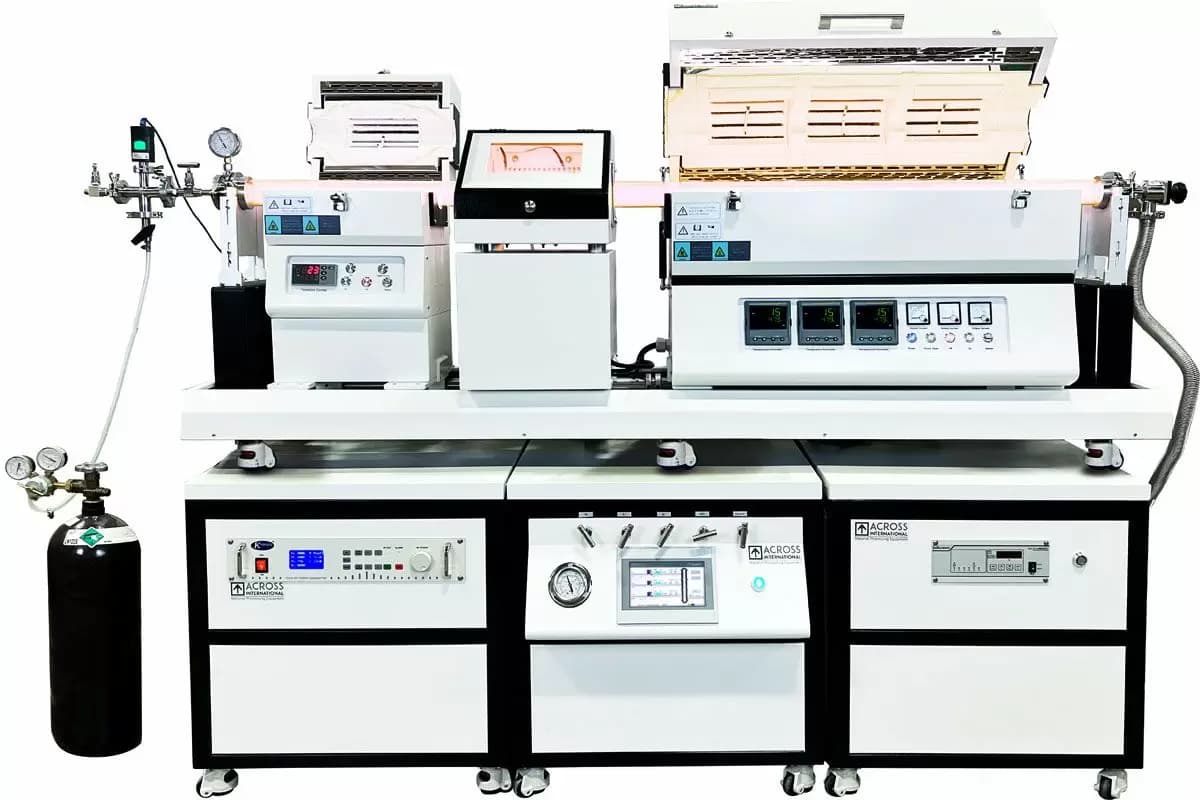

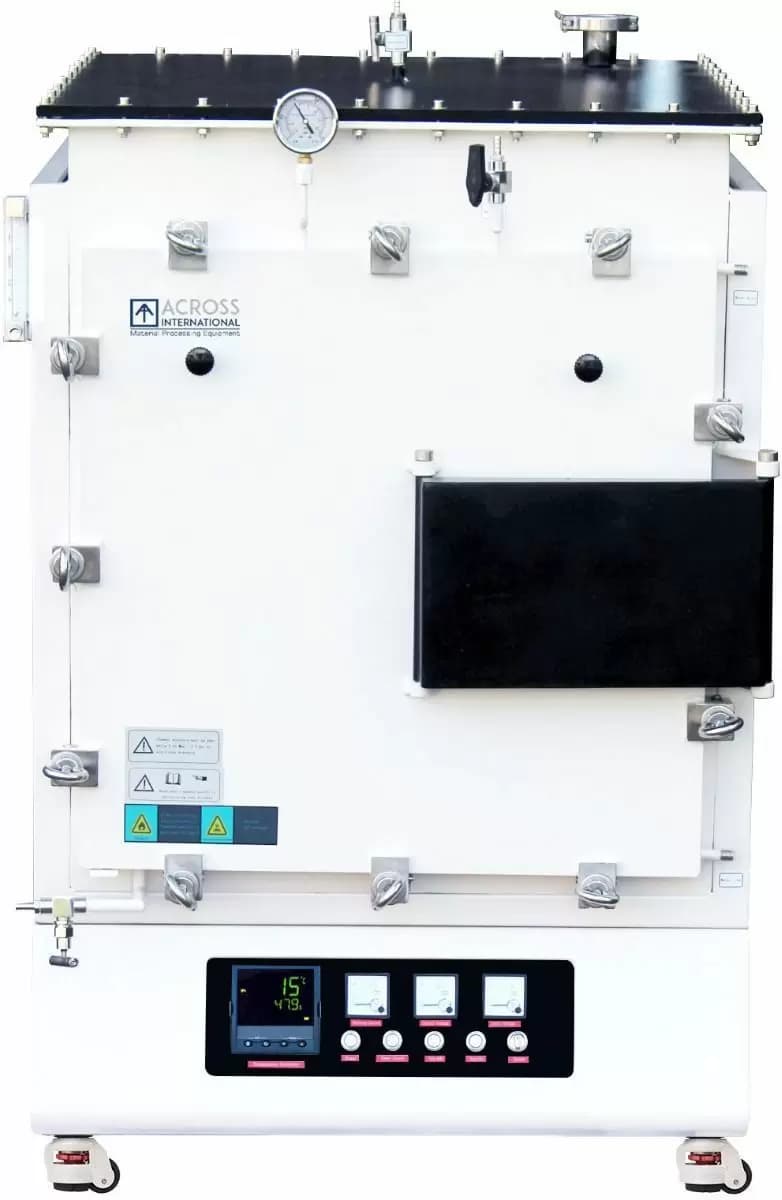

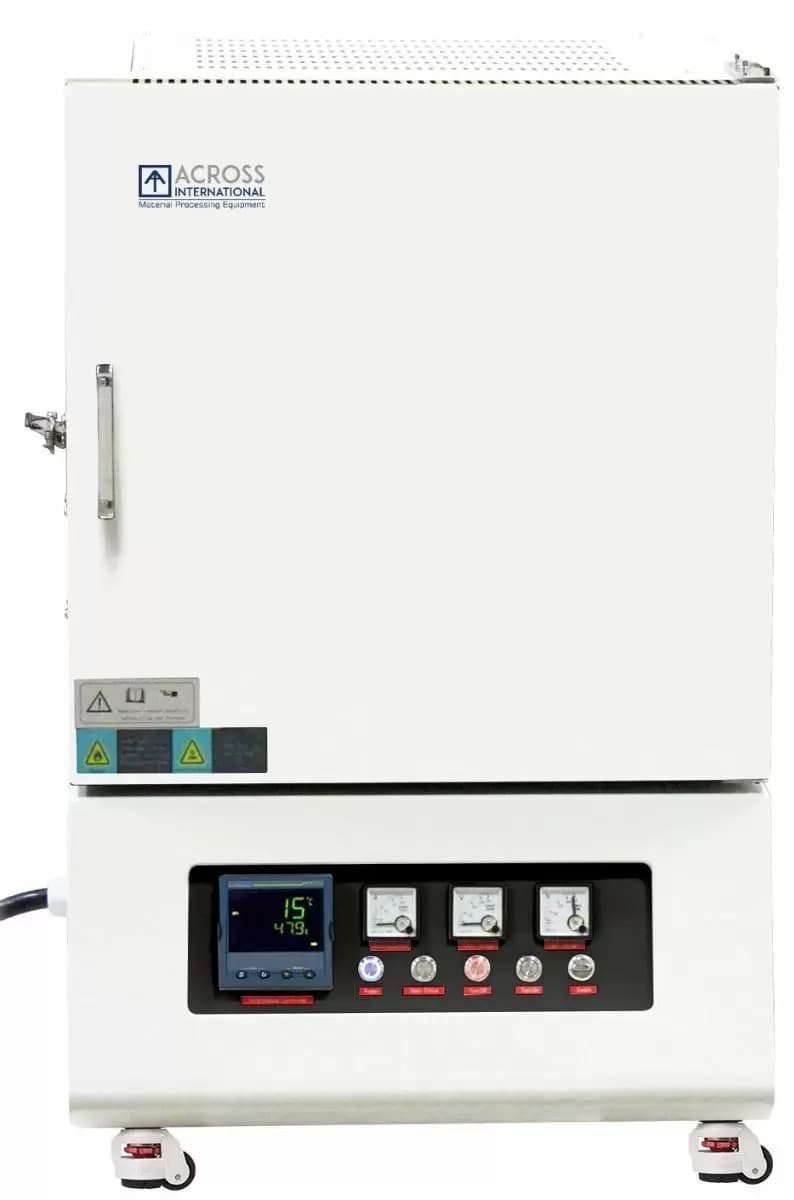
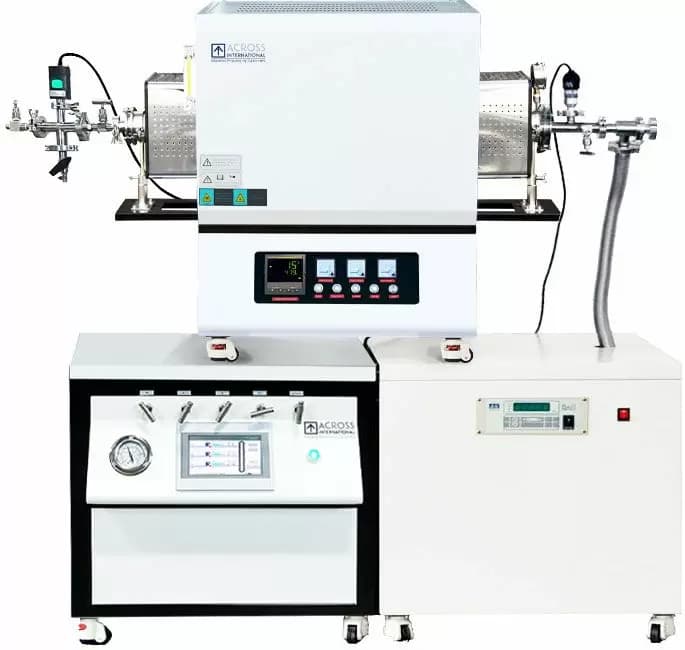
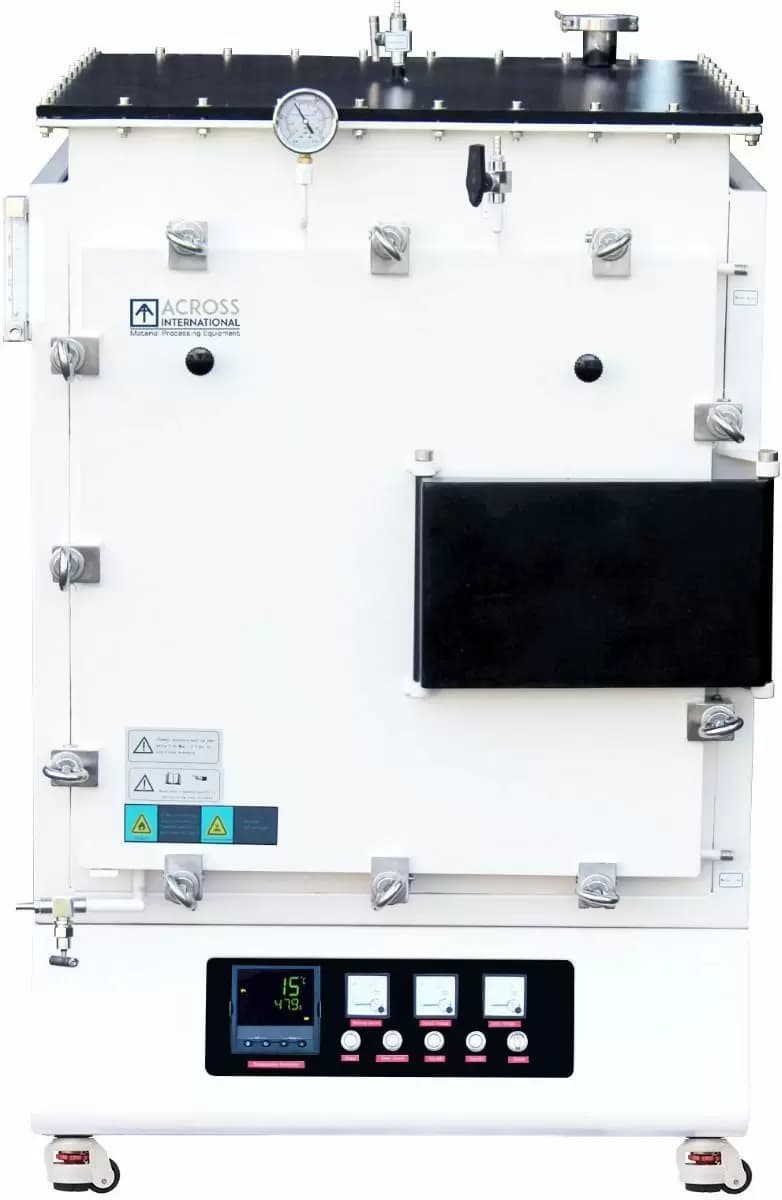
Showing 1 to 12 of 17 results
What Are Laboratory Furnaces?
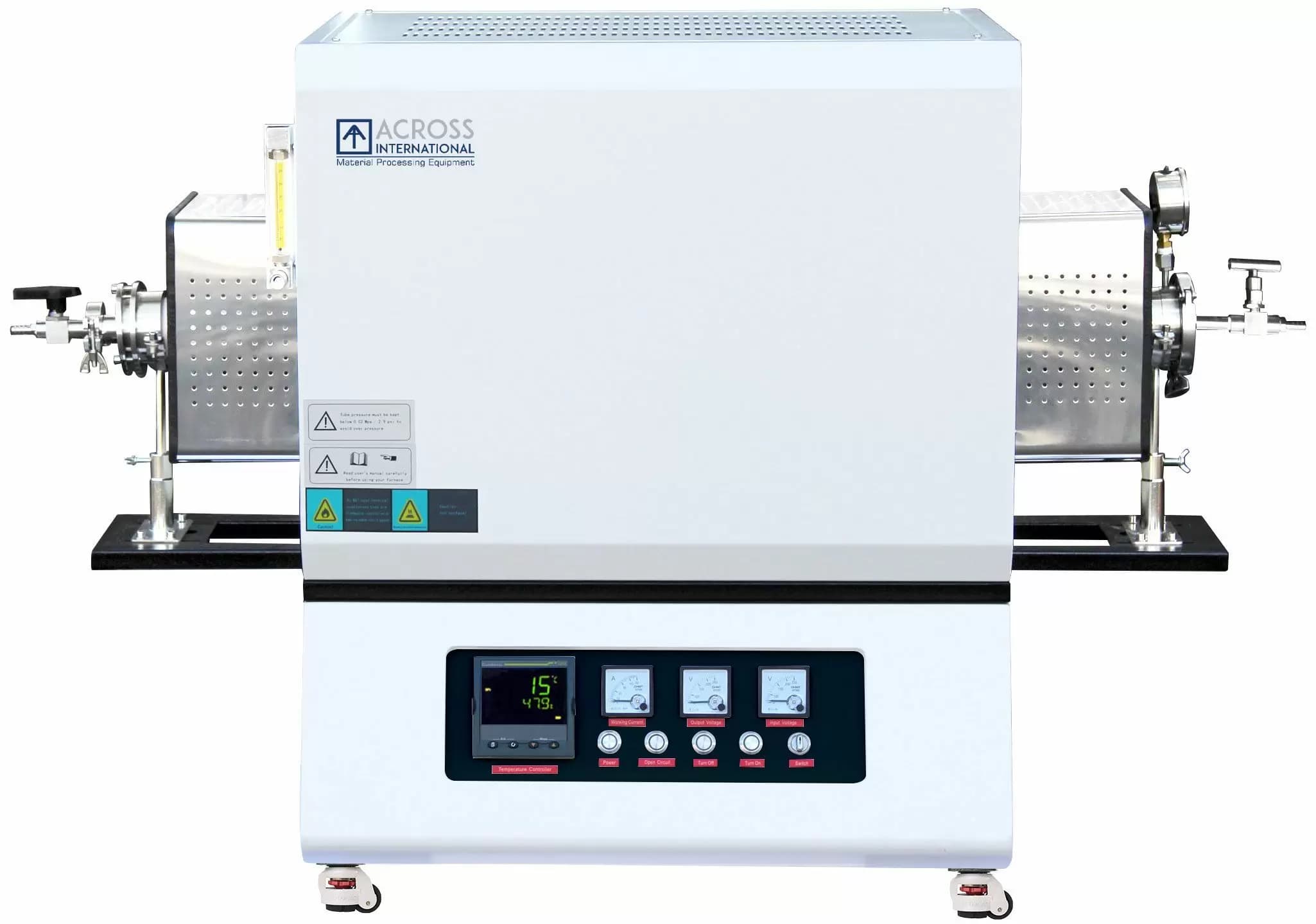
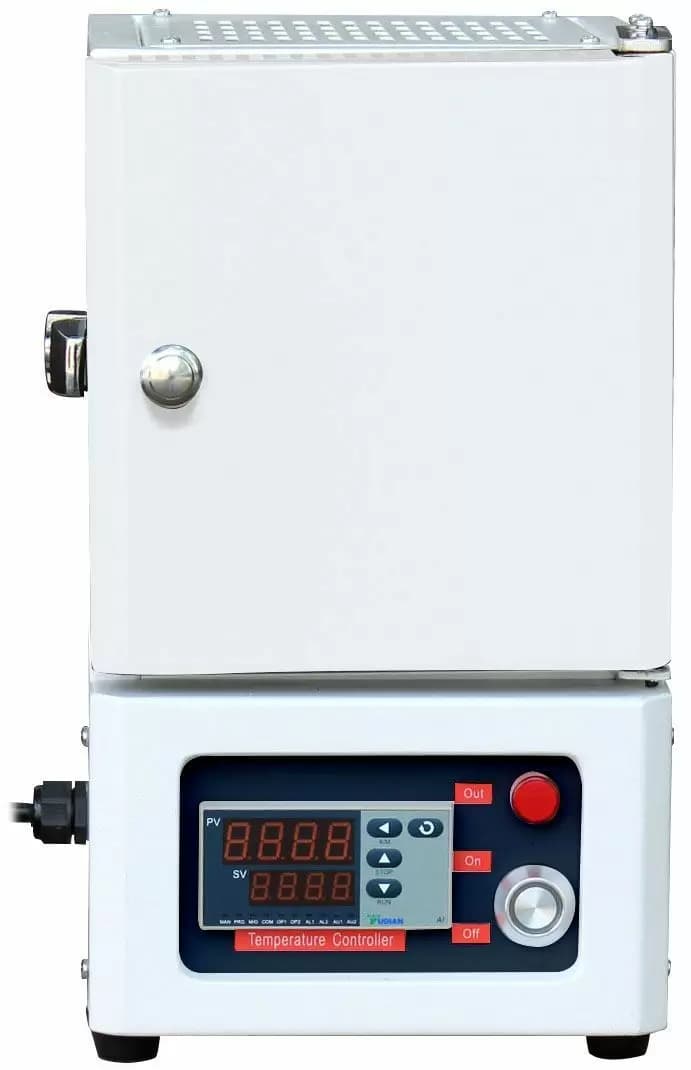
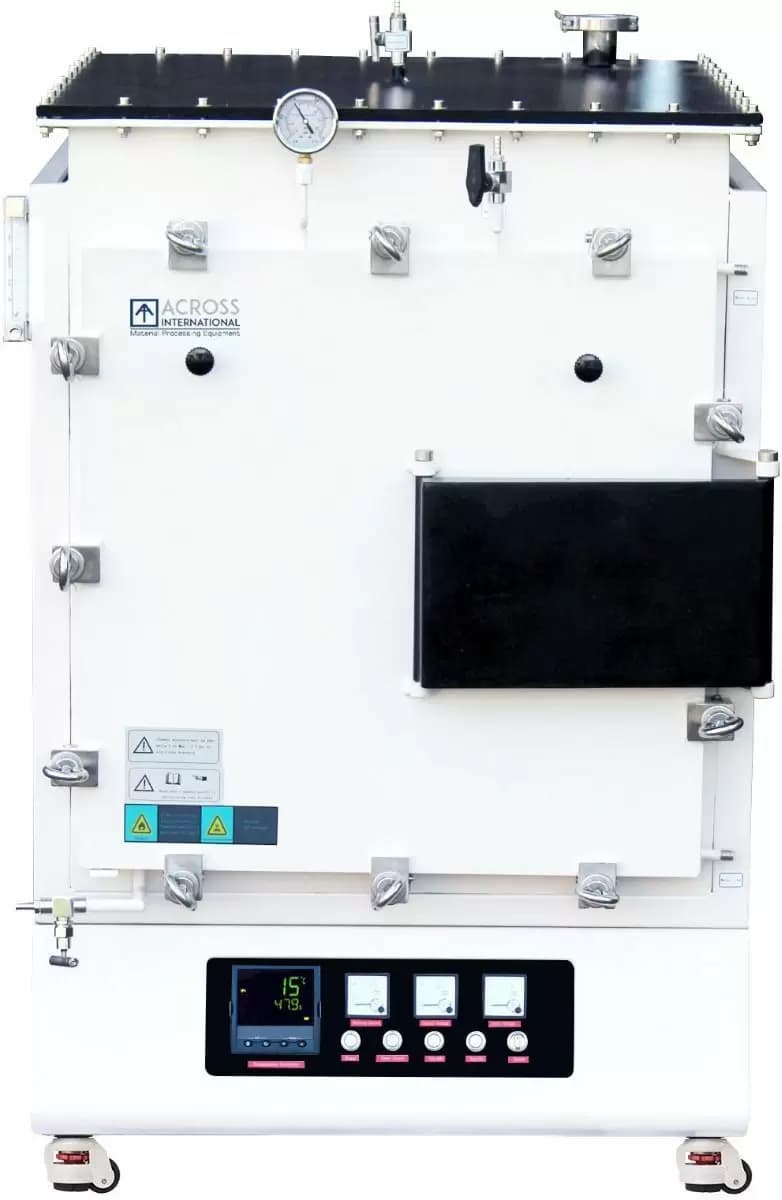
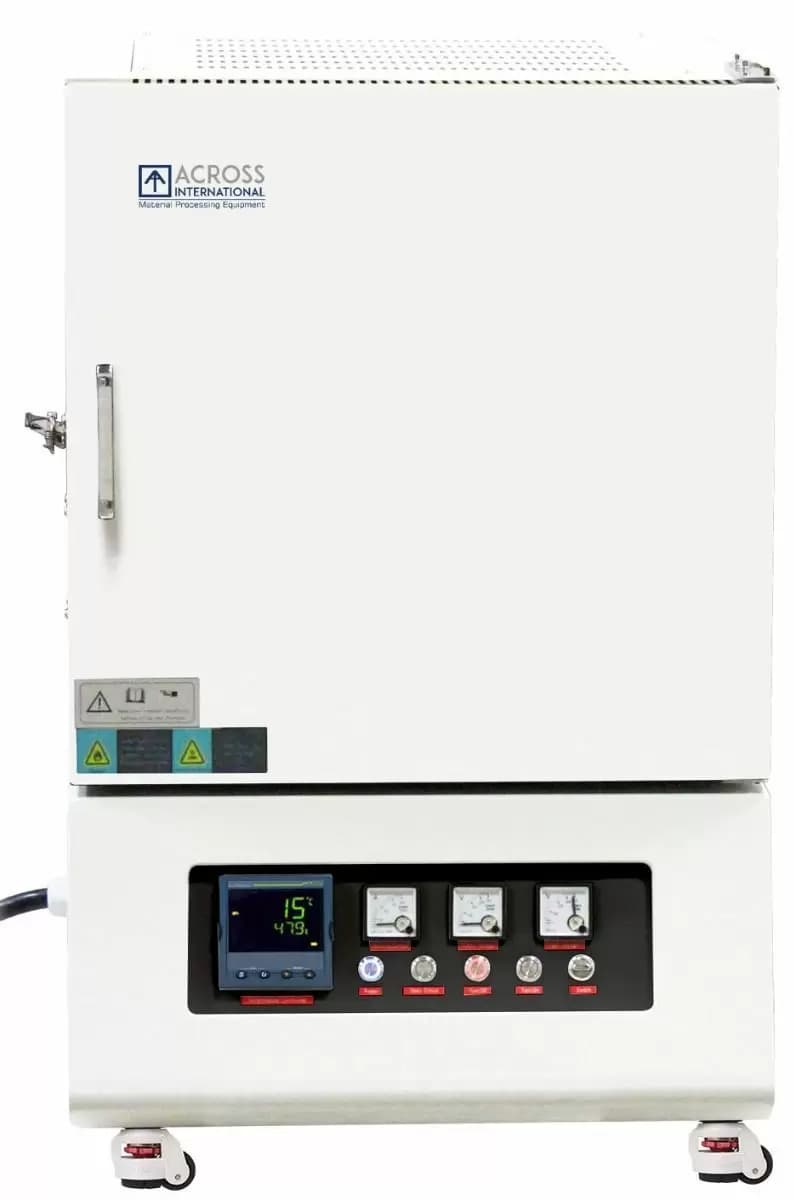
Laboratory furnaces are electrically powered, thermally insulated heating chambers that achieve and sustain precise temperatures from 200 to over 1,700 degrees C for processing solid samples, powders, thin films, or ceramics. Muffle furnaces are front-loading box-format furnaces that heat an enclosed chamber in ambient air; the term 'muffle' refers to the ceramic chamber that isolates the sample from heating elements, preventing direct contact with combustion products. Tube furnaces heat a cylindrical work tube (quartz to 1,200 degrees C; alumina to 1,700 degrees C) surrounded by resistive elements, with gas inlet and outlet fittings enabling controlled atmosphere processing. Additional types include box or ash furnaces (optimized for bulk organic ashing with larger chambers) and split-hinge (clam-shell) tube furnaces (hinged body for easy tube and sample access). Choose a muffle furnace for open-air processes (ashing, LOI, ceramic firing); choose a tube furnace when the gas atmosphere around the sample must be controlled.
What You Will Find:
- Induction Furnaces use advanced electromagnetic fields to provide rapid, localized heating for metal melting and specialized material science applications.
-
Muffle Furnaces feature insulated chambers that prevent direct flame contact, making them perfect for precise ashing and heat-treating sensitive laboratory samples.
-
Tube Furnaces offer a streamlined cylindrical design ideal for heating small samples under controlled atmospheres or vacuum conditions within a sealed work tube.
How to Choose a Laboratory Furnace
Muffle furnace vs. tube furnace
Muffle furnaces heat samples in ambient air -- suitable for ashing organic material, calcination of carbonates, ceramic firing, and metal heat treatment where oxidation is acceptable or irrelevant to the outcome. Tube furnaces introduce controlled gas flows (inert, reducing, or oxidizing) or pull a vacuum through a sealed cylindrical tube -- required for CVD thin film deposition, annealing of reactive metals (titanium, silicon), crystal growth, and synthesis of materials whose properties depend on the gas environment during processing.
Maximum temperature and heating element
Kanthal (FeCrAl) wire elements are cost-effective for up to 1,200-1,300 degrees C and are standard in entry- to mid-range muffle furnaces. Silicon carbide (SiC) rod elements operate to 1,450-1,600 degrees C and resist thermal shock well. Molybdenum disilicide (MoSi2) U-bend elements reach 1,700-1,800 degrees C but require specific operating atmosphere and humidity conditions. Standard ashing and sintering below 1,200 degrees C is covered by Kanthal; advanced ceramics and refractories above 1,400 degrees C require SiC or MoSi2.
Chamber dimensions and volume
Muffle furnace chambers are specified in liters (1-30 L for benchtop models) and centimeter dimensions (H x W x D), determining how many crucibles or samples fit per run. Standard research models have 1-5 L chambers. Tube furnace bore diameter (25, 50, 80, or 100 mm inner diameter) and heated zone length (10-60 cm) determine maximum sample size and throughput. Confirm that the intended crucible or sample holder fits within the chamber dimensions before specifying.
Temperature controller
Single-setpoint PID controllers maintain a fixed target temperature and are standard for routine ashing and sintering. Multi-segment programmable controllers (20-30 segments) allow precise ramp-hold-cool sequences for protocols requiring controlled heating rates -- critical for ceramic sintering profiles where rapid temperature changes cause cracking or unintended phase transitions. Confirm controller type, segment count, and RS-232/USB connectivity for research documentation requirements.
Power supply requirements
Standard benchtop muffle furnaces (1-3 L, up to 1,200 degrees C) require 1,000-3,000 W at 120 V or 240 V single-phase AC. High-temperature models above 1,400 degrees C or large-chamber units (5-30 L) may require 240 V single-phase at 3,000-6,000 W or 240 V three-phase. Tube furnaces with multiple heating zones typically require 240 V single-phase or three-phase. Confirm supply requirements before installation to avoid electrical work delays.
Specifications Context
Muffle furnace temperature uniformity is typically plus or minus 5-15 degrees C across the chamber at maximum temperature; tube furnace uniform zone temperature is specified at plus or minus 1-5 degrees C within the rated hot zone length. Ceramic fiber insulation (alumina-silica fiber blanket) in modern furnaces reduces heat-up time by 30-50% versus brick-insulated predecessors and keeps outer surface temperatures below 50 degrees C during operation. Standard furnace heating rate is 5-20 degrees C per minute to the maximum temperature from a cold start; actual ramp rate decreases as temperature approaches maximum. Touchscreen PID controllers, USB/Ethernet connectivity for remote monitoring, and automatic over-temperature shutdown are standard safety features on research-grade laboratory furnaces.
To discuss product availability or get selection guidance, contact the MBP team.
FAQ