Muffle Furnaces for Ashing, Sintering, and High-Temperature Research
Muffle furnaces are front-loading, box-format electric heating instruments in which a thermally insulated ceramic chamber - the muffle - isolates the sample from the heating elements, enabling precise high-temperature processing at 200 to 1,800 degrees C for ashing, loss-on-ignition (LOI) analysis, calcination, ceramic sintering, metal annealing, and thermogravimetric analysis in research, quality control, and industrial laboratories.
MBP supplies muffle furnaces with Kanthal heating elements and offers shipping throughout the United States, Canada, and worldwide. Request a quote for muffle furnaces for ashing, sintering, calcination, and high-temperature research applications by contacting customerservice@mbpinc.net.
Muffle Furnaces
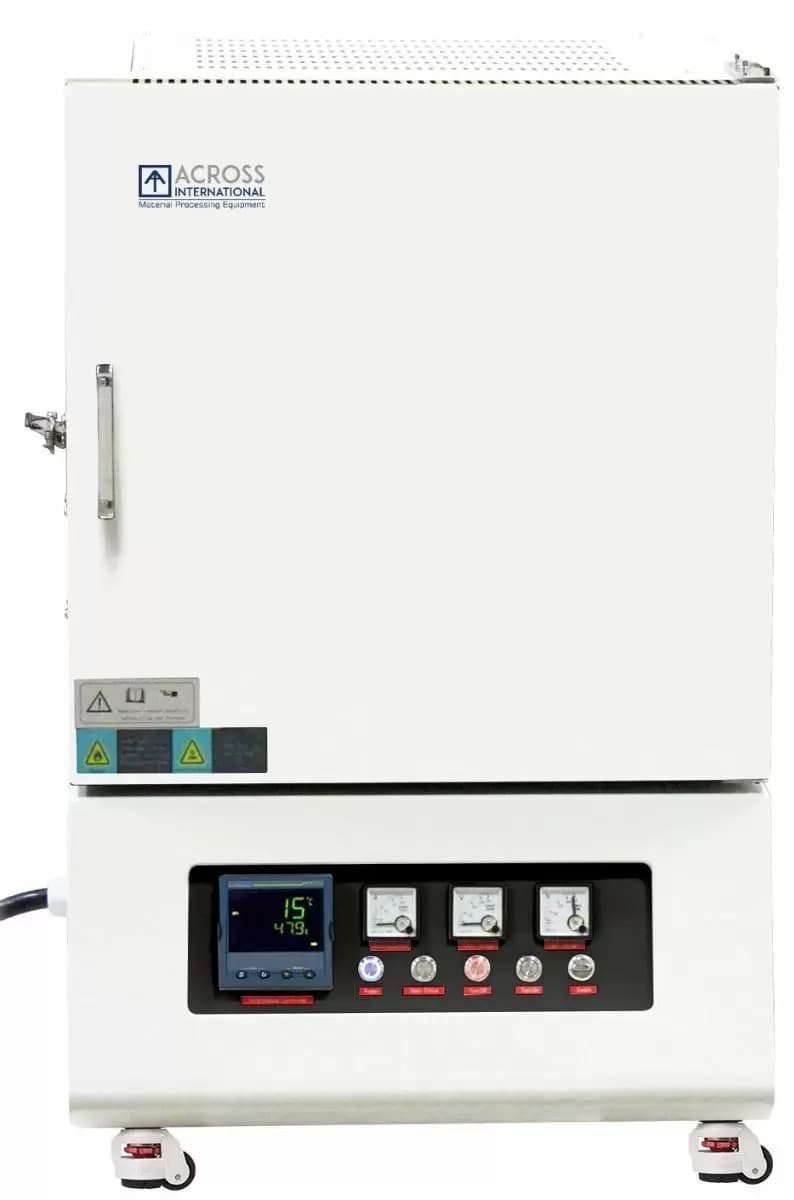
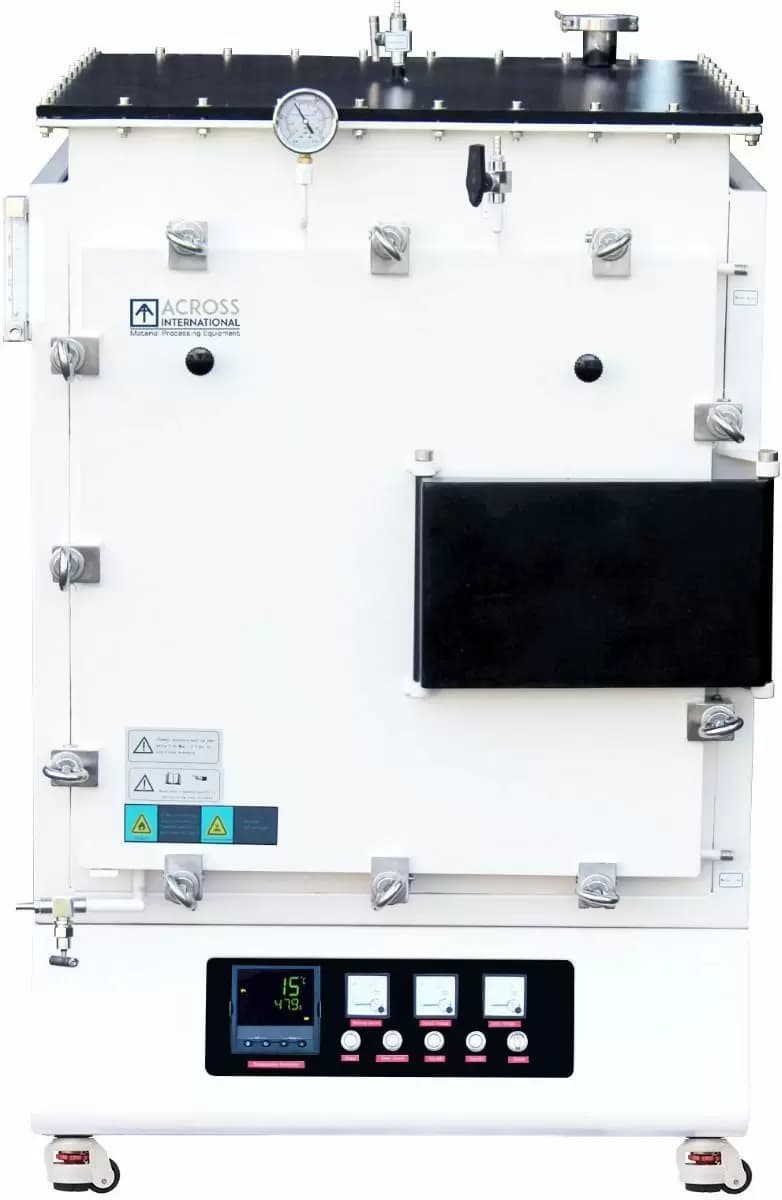
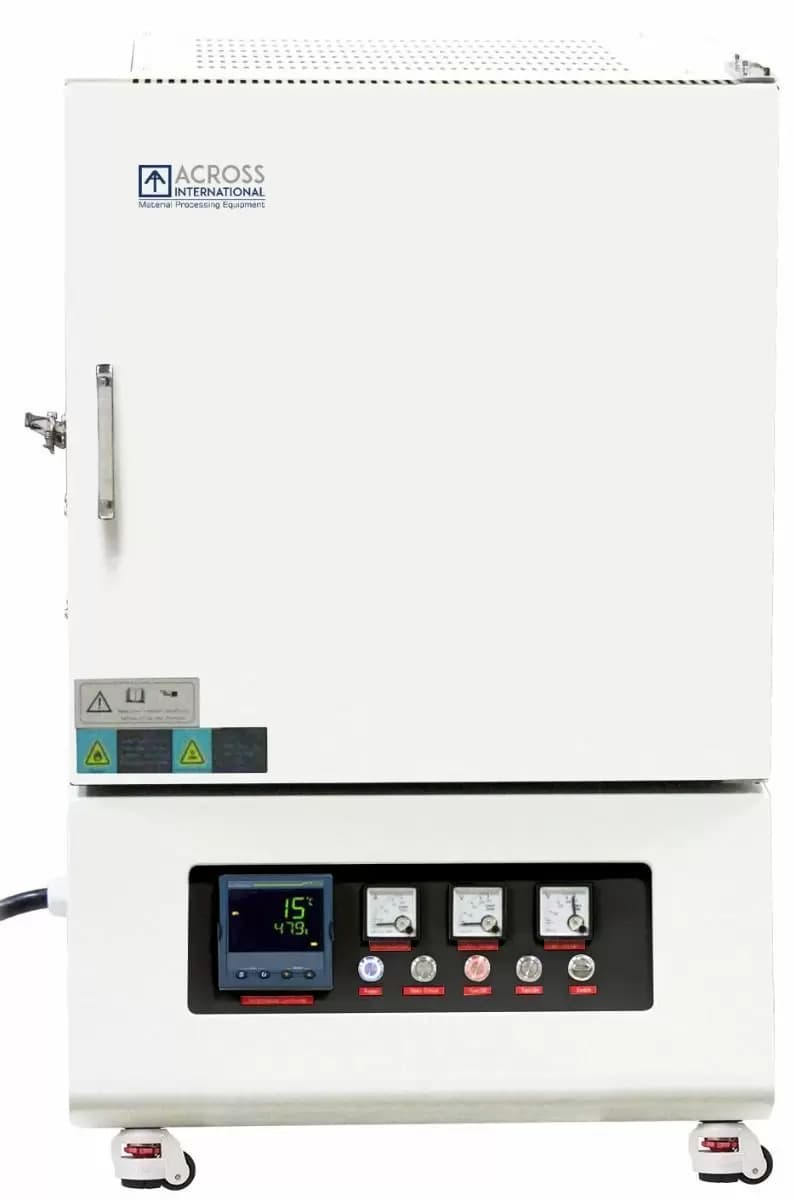
Showing 1 to 8 of 8 results
What Are Muffle Furnaces?
A muffle furnace is a sealed, electrically heated box furnace in which the ceramic muffle chamber isolates the sample entirely from the heating elements, preventing direct contact with resistive wires and ensuring that any combustion by-products from the sample are vented away from the heating system. Modern muffle furnaces use electric resistance heating rather than combustion fuels, but the muffle design continues to provide contamination-free heating by radiating and convecting heat uniformly from all chamber walls. Standard muffle furnaces with Kanthal (FeCrAl) metallic wire elements reach 1,000-1,200 degrees C continuous working temperature; high-temperature models with silicon carbide (SiC) elements reach 1,400-1,600 degrees C; and ultra-high-temperature models with molybdenum disilicide (MoSi2) elements reach 1,700-1,800 degrees C. The continuous working temperature is typically 100 degrees C below the stated maximum temperature and is the more operationally relevant specification. Choose the muffle furnace type based on the continuous working temperature your process requires, not the maximum temperature rating.
What You Will Find:
-
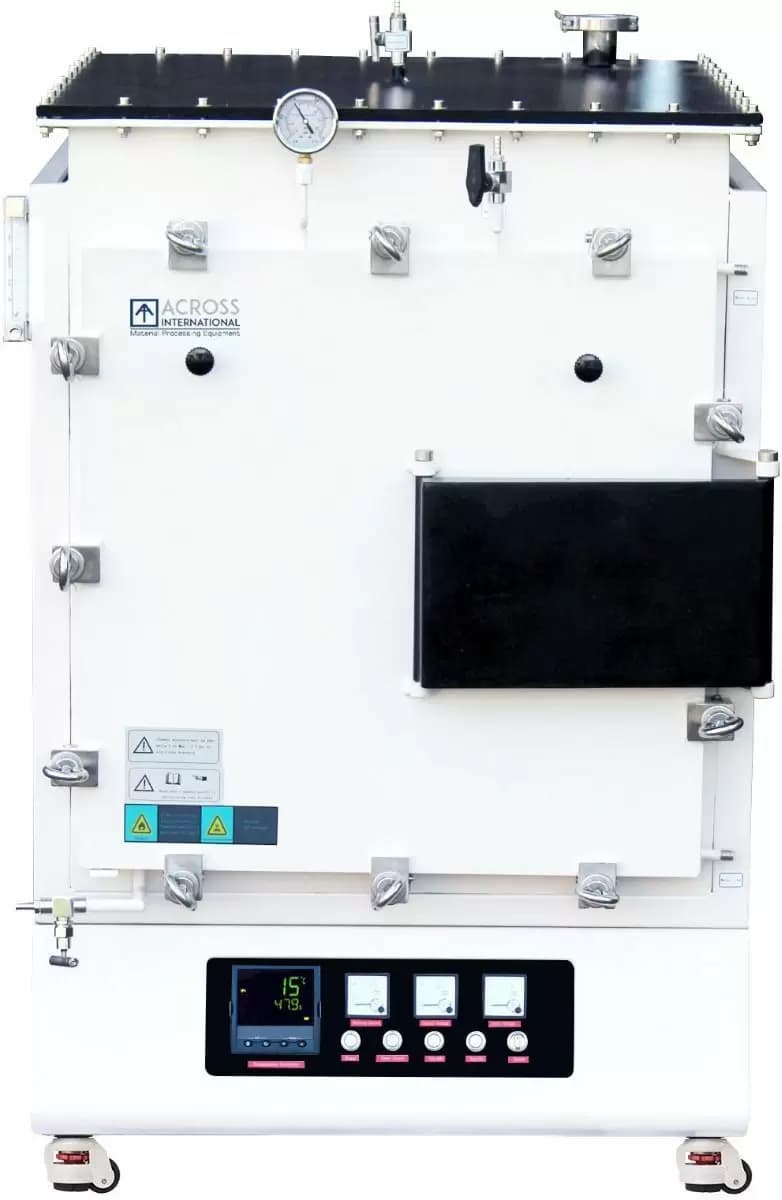
Controlled atmosphere muffle furnaces allow you to run experiments under specific gas conditions or vacuum, featuring ETL/CE certification for total peace of mind.
-
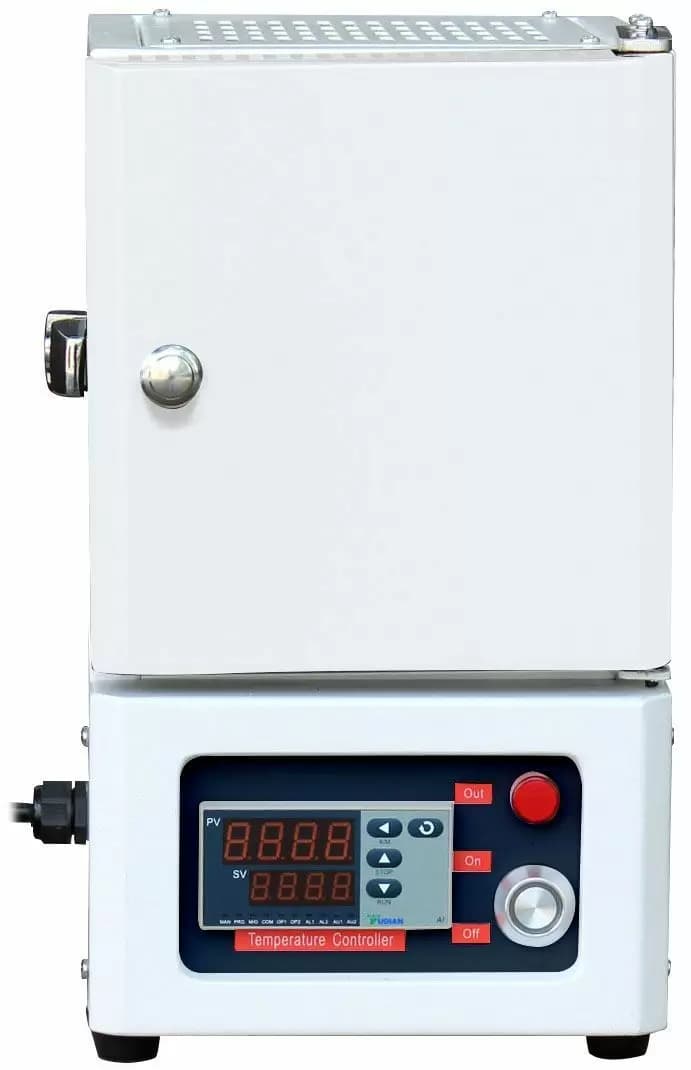
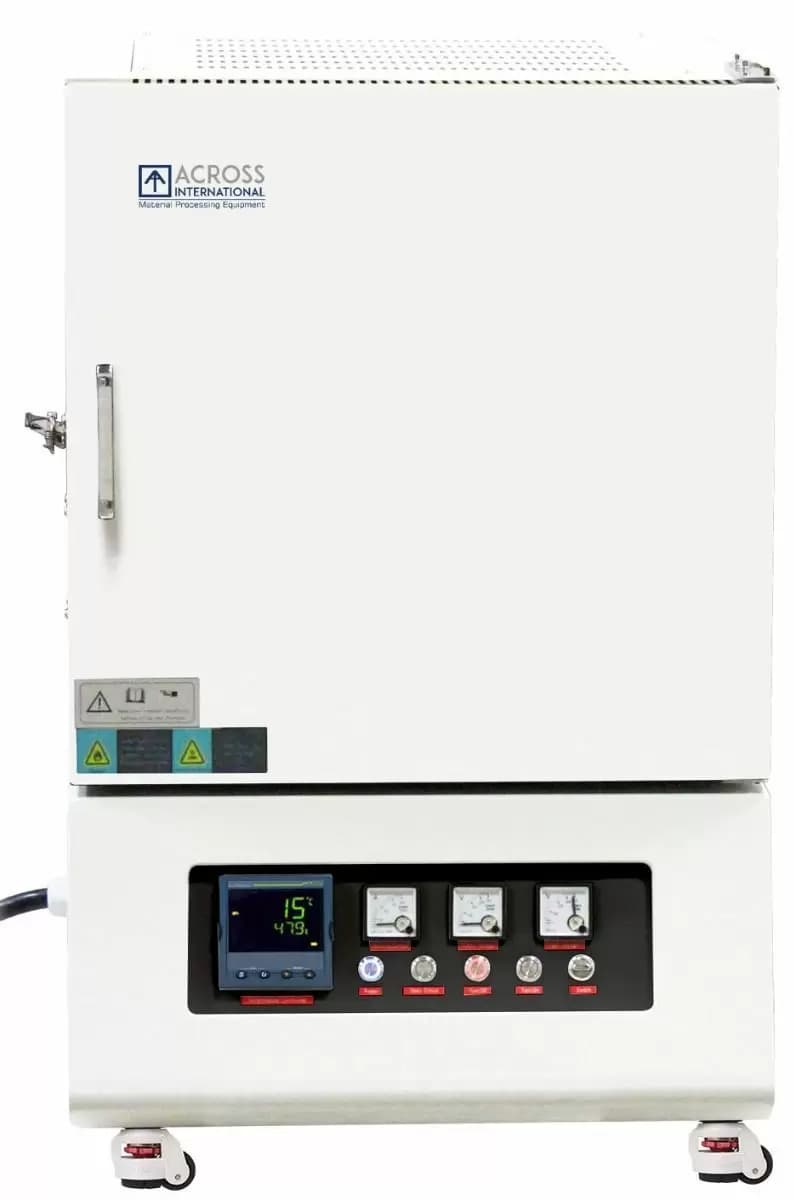
Multi-segment PID controllers give you incredible precision over your heating cycles, letting you program complex temperature ramps with up to 30 segments.
-
Benchtop muffle furnaces utilize high-quality Kanthal heating elements to deliver rapid and even heat distribution in a compact, space-saving design.
-
PC interface furnace systems make data logging and remote monitoring a breeze, so you can track your thermal runs directly from your computer.
-
High-temperature muffle units reach extreme thresholds up to 1750°C, perfect for demanding industrial applications and specialized material science research.
How to Choose a Muffle Furnace
Heating element and maximum temperature
Kanthal (FeCrAl alloy) wire elements are the most affordable and suitable for continuous use to 1,100-1,200 degrees C for standard ashing, LOI, calcination, and low-temperature ceramic work. Silicon carbide rod elements withstand continuous use to 1,450-1,550 degrees C with good thermal shock resistance, appropriate for advanced ceramic sintering and glass melting. Molybdenum disilicide (MoSi2) U-bend elements extend continuous use to 1,600-1,700 degrees C, covering high-temperature ceramics, refractories, and demanding materials research; they require specific operating humidity and atmosphere conditions to prevent element degradation.
Chamber volume and dimensions
Chamber volume (in liters) and internal dimensions (H x W x D in centimeters) determine how many crucibles or sample boats fit per run. Compact benchtop models with 1-4 L chambers suit single-sample analytical ashing and small-batch research. Mid-size models of 5-15 L accommodate multiple crucibles for batch ceramic sintering or parallel LOI measurements. Large-chamber units above 15 L are designed for industrial or pilot-scale heat treatment. Confirm that your largest crucible and sample holder fit within the internal dimensions before specifying.
Programmable controller vs. single setpoint
Single-setpoint PID controllers maintain a fixed temperature and are appropriate for routine ashing at a defined temperature (e.g., 550 degrees C for organic matter, 900 degrees C for carbonates). Programmable multi-segment controllers (typically 20-30 segments) enable automated ramp-hold-cool sequences, which are critical for ceramic sintering profiles where controlled heating rates prevent thermal shock and cracking, for annealing protocols requiring slow controlled cooling, and for glass melting with defined viscosity transitions. RS-232 or USB connectivity allows protocol logging for audit and reproducibility.
Vent port and exhaust management
Muffle furnaces designed for organic ashing and combustion applications include a vent port in the door or top panel to exhaust volatile combustion gases, preventing pressure build-up and protecting the heating element from reactive vapors. Ashing in a poorly vented furnace accelerates element degradation. When ashing sulfur-bearing, halogen-containing, or heavy-metal samples, operate the furnace in a fume hood or ventilated enclosure and confirm that vent gases are safely handled.
Safety features
Research-grade muffle furnaces include over-temperature protection that automatically cuts furnace power when chamber temperature exceeds a preset safety threshold (typically 50-100 degrees C above the setpoint). Door safety switches cut power or trigger an alarm on accidental door opening at high temperatures. Ceramic fiber insulation ensures that outer surface temperatures remain below 50 degrees C during rated operation, reducing burn hazard.
Specifications Context
The continuous working temperature of a muffle furnace is typically 100 degrees C below the published maximum, and is the specification that governs whether the furnace will complete overnight sintering runs without element degradation. Heating rate from ambient to maximum temperature is typically 5-30 degrees C per minute; a 4.5 L benchtop muffle furnace with ceramic fiber insulation typically reaches 1,000 degrees C in approximately 30-40 minutes at maximum ramp rate. Temperature uniformity across the muffle chamber is specified as plus or minus 5-15 degrees C at maximum temperature; better uniformity requires larger clearance around samples and slower heating rates. Programmable controllers with 30-segment ramp-and-dwell capability, over-temperature protection, and USB data export are standard specifications on research-grade muffle furnaces.
Ready to bring some high-precision heat to your lab? Browse our muffle furnace collection and reach out to the MBP team for a quote today.
FAQ