Laboratory Autoclaves for 121°C and 134°C Steam Sterilization
Laboratory autoclaves use saturated steam at 121°C (gravity cycle) or 134°C (pre-vacuum cycle) to achieve validated sterilization of glassware, culture media, instruments, and biohazardous waste at a sterility assurance level (SAL) of 10⁻⁶. Benchtop models (16–50 L) suit individual research labs; floor-standing units (80–150 L) serve core facilities and waste processing. MBP is a registered vendor to Howard Hughes Medical Institute, MD Anderson Cancer Center, and Vanderbilt University.
Contact customerservice@mbpinc.net to compare autoclave models and request pricing or availability information.
Autoclave
Showing 1 to 3 of 3 results
What Are Laboratory Autoclaves?
Laboratory autoclaves (steam sterilizers) use pressurized saturated steam at 121°C or 134°C to destroy all microbial life—bacteria, viruses, fungi, and heat-resistant bacterial spores—achieving a validated sterility assurance level (SAL) of 10⁻⁶. At 15 psi above atmospheric pressure, steam reaches 121°C; at 30 psi, it reaches 134°C. Autoclaves are the most widely used sterilization method in research, clinical, and pharmaceutical laboratories for sterilizing glassware, culture media, biohazardous waste, instruments, and porous loads. Two main cycle types are used: gravity-displacement (steam displaces air downward via gravity, suited to liquids and solid instruments) and pre-vacuum (a vacuum pump removes air before steam injection, required for porous, wrapped, and hollow loads).
What you will find:
-
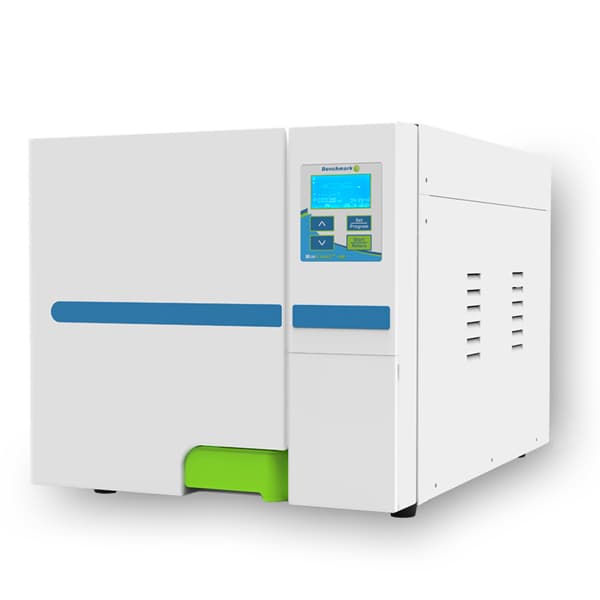
BioClave™ Autoclaves: Reliable benchtop autoclaves for routine laboratory sterilization
-
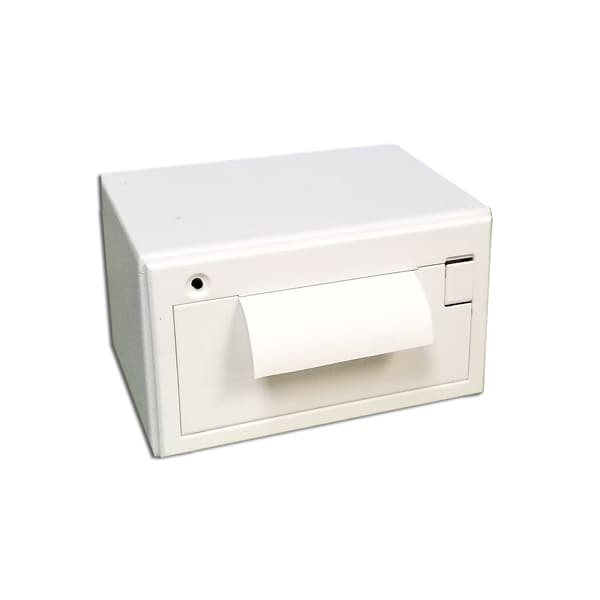
Autoclave Printer (115V): Built-in or external printer for cycle data recording and compliance
-
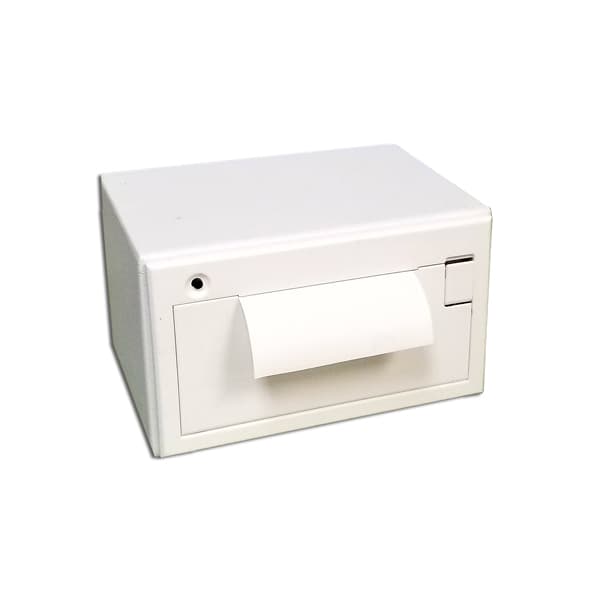
Autoclave Printer Paper (2.25" x 50 ft): Thermal paper rolls for printing sterilization cycle reports
How to Choose a Laboratory Autoclave
Chamber Volume and Format
A 16–28 L benchtop autoclave handles a single researcher's daily glassware and media loads. A 50 L benchtop unit or a 80–150 L floor-standing model is appropriate for core facilities, BSL-3 labs, or any setting processing biohazardous waste in volume. Allow 25–30% headspace above the load for adequate steam circulation.
Cycle Type: Gravity vs. Pre-Vacuum
Gravity cycles are standard for liquids, unwrapped solid instruments, and glassware. Pre-vacuum cycles are required for wrapped instruments in peel pouches, porous loads (cloth, gauze, textiles), and hollow instruments with lumens where air must be removed for steam to penetrate. If your lab runs both load types, specify a unit with both cycle programs.
Temperature Programs
Standard units run 121°C gravity and 134°C prevac cycles. Labs processing a broad mix of materials benefit from models with additional preset programs: liquid sterilization with slow exhaust, prion deactivation cycles (134°C extended hold), biohazardous waste cycles, and drying cycles for instruments.
Water Quality Requirement
Distilled or deionized water with a conductivity below 5 µS/cm is required for steam generation in all laboratory autoclaves. Hard tap water causes mineral scale on heating elements, chamber walls, and sensors, reducing sterilization efficiency and cutting autoclave service life significantly.
Monitoring and Documentation
For GLP, GMP, or IACUC-regulated labs, specify a model with an integrated temperature/pressure data logger and printer output. This documents each cycle's sterilization conditions for audit purposes. Combine with biological indicator (spore) testing at minimum every 6 months—the only verification method that directly confirms microbial kill.
Specifications Context
The two standard steam sterilization conditions are 121°C for a minimum hold of 15 minutes (gravity cycle) and 134°C for a minimum hold of 3 minutes (prevac cycle). Actual load-specific validated times typically exceed these minimums. Biological indicator testing using Geobacillus stearothermophilus spore strips at 55–60°C incubation is the only method that directly verifies sterilization efficacy at 121–135°C. Chemical indicators (autoclave tape, integrators) provide visual confirmation that surface conditions were met but do not verify inner-load temperatures. Poor-quality feed water deposits scale on chamber walls and heating elements, reducing heat transfer efficiency, degrading sensors, and shortening autoclave lifespan—distilled or deionized water below 5 µS/cm is required.
Contact the expert team at Molecular Biology Products Inc. now to find the right autoclave for your lab.
FAQ