Product Filters

Autoclave Accessories: Pouches, Biological Indicators, Trays & Maintenance


Autoclave accessories include sterilization peel pouches and bags, chemical indicator tape and Class 5/6 integrators for every-load verification, biological indicator spore tests (Geobacillus stearothermophilus) for periodic microbial-kill validation, stainless steel loading trays and baskets, and autoclave-specific chamber cleaners and descalers. A complete monitoring program using all three indicator types is required by IACUC, GLP, and GMP frameworks. MBP stocks autoclave accessories for labs across the United States and Canada.

Contact customerservice@mbpinc.net to source compatible autoclave accessories and request current pricing or product information.

Autoclave Accessories
Per Page:
Sort By:
Paper 2.25"x50 feet, pk. of 3 rolls
List Price:
USD91.44
Online Price:
USD65.31
Your Price:
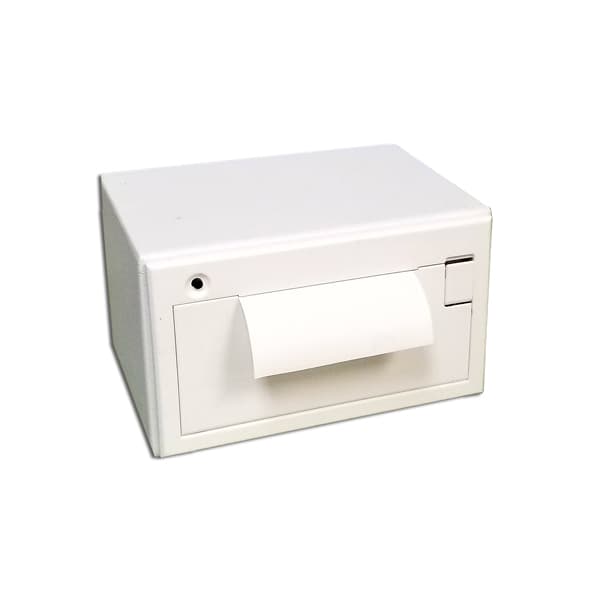
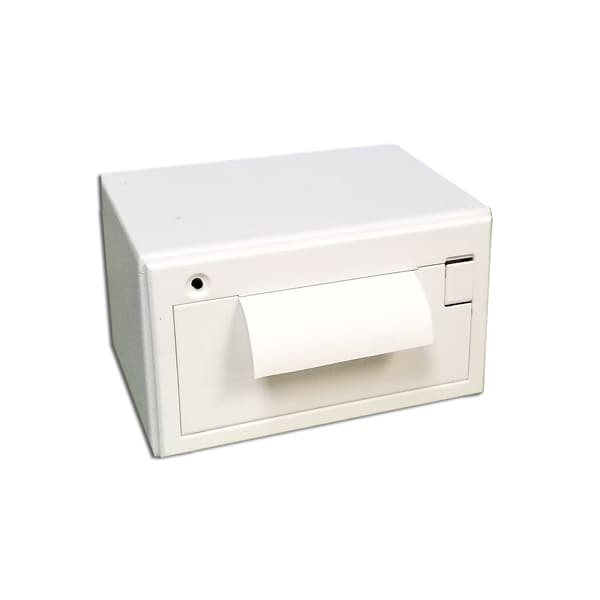
Printer, 115V
List Price:
USD514.64
Online Price:
USD367.60
Your Price:

Showing 1 to 2 of 2 results

What Are Autoclave Accessories?


Autoclave accessories are the consumable and hardware components that enable safe, documented, and compliant steam sterilization: sterilization packaging (peel pouches, autoclave bags, and wrapping materials that allow steam penetration while preserving post-cycle sterility), monitoring consumables (chemical indicator tape and integrators for every-load verification, biological indicator spore tests for periodic microbial-kill validation), loading hardware (stainless steel trays, baskets, and racks that organize instruments and maintain spacing for steam circulation), and maintenance consumables (autoclave cleaners and descalers for chamber and drain upkeep). A complete accessory program is not optional—regulatory bodies, IACUC protocols, and GLP/GMP frameworks all require chemical monitoring every cycle and biological indicator testing at defined intervals.


What you will find:


  • Autoclave Printer (115V): Printer for recording sterilization cycle data and ensuring compliance

  • Autoclave Printer Paper (2.25" x 50 ft): Thermal paper rolls for printing autoclave cycle reports


How to Choose Autoclave Accessories


Sterilization Packaging

Peel pouches are available in paper-plastic laminate with built-in external chemical indicator strips—select the pouch size that fits the instrument without folding, allowing at least 1 cm clearance on all sides for steam penetration. Autoclave bags for bulk loads or waste come in polypropylene (PP), rated to 121°C; confirm the material spec before purchasing. Wrapping paper (non-woven or crepe) is required for instrument set wraps processed in prevac cycles.

Chemical Indicator Class Selection

Chemical indicators are classified Class 1–6. Class 1 (process indicators/tape) are external markers only, confirming the item entered the autoclave. Class 5 integrators and Class 6 emulating indicators respond to all three sterilization parameters (time, temperature, and steam) and are the recommended internal indicators for wrapped packs. Place an internal indicator inside every pouch or wrapped instrument set to verify that conditions were met at the instrument surface.

Biological Indicators

Spore vials containing G. stearothermophilus (ATCC #7953) are the standard BI for steam autoclaves at 121–135°C; incubate at 55–60°C for 24–48 hours after exposure. Self-contained vials (crush-and-incubate format) reduce handling complexity versus loose spore strips. Rapid-readout BIs (e.g., 3M Attest, Mesa Labs rapid spore tests) return results in as few as 1–3 hours, reducing quarantine time for critical loads.

Loading Hardware

Stainless steel perforated trays and baskets are the standard load support hardware. Confirm the outer dimensions fit your autoclave chamber with the door closure system intact, and that the perforated base allows condensate to drain rather than pool under the load.

Maintenance

Use an autoclave-specific chamber cleaner monthly or per manufacturer schedule. Descale quarterly or more frequently if hard water is used, even with a distilled/DI water supply—incoming water quality can vary. Inspect and replace door gaskets when any leak or incomplete seal is observed.


Specifications Context


Class 5 integrators (e.g., 3M Comply SteriGage) are the most informative internal chemical indicator available without biological testing—they confirm exposure to all three critical sterilization parameters simultaneously. Biological indicators using G. stearothermophilus spores are the accepted standard per ISO 11138-3 for steam sterilization monitoring; alternative rapid-readout formats can return results in as few as 60 minutes, enabling same-day release of critical loads. As of 2026, self-contained biological indicator systems with digital incubator readers eliminate the manual color-interpretation step and provide a timestamped electronic pass/fail result suitable for GLP audit records.

Contact now with the expert team at Molecular Biology Products Inc. to find the right autoclave accessories for your lab.

FAQ

Essential laboratory autoclave accessories fall into four categories: sterilization packaging (peel pouches, autoclave bags, and wrapping paper that allow steam penetration while maintaining sterility post-cycle), monitoring consumables (chemical indicator tape for external load identification, internal integrators, and biological indicator spore tests using Geobacillus stearothermophilus), loading hardware (stainless steel trays, baskets, and racks that organize instruments and allow steam circulation), and maintenance consumables (autoclave cleaners and descalers for chamber and drain maintenance).
Chemical indicators (autoclave tape, integrators, and Class 5 or Class 6 strips placed inside pouches) change color when exposed to the combination of temperature, steam, and time required for sterilization, providing immediate visual feedback that surface conditions were met—but they do not confirm microbial kill. Biological indicators (spore vials or strips containing Geobacillus stearothermophilus) directly verify that the autoclave's conditions are sufficient to destroy the most heat-resistant bacterial spores; a negative result after incubation at 55–60°C is the only direct evidence that sterilization has occurred.
Research institutions and IACUC protocols typically require biological indicator spore testing at a minimum of every 6 months for routine lab autoclaves, and weekly for autoclaves used in survival surgery or BSL-3 waste processing. Autoclaves used for implant sterilization in surgical settings require a biological indicator in every implant load, with the implant quarantined until the spore test result is confirmed negative. A failed spore test requires quarantining all loads since the last passed test and running three consecutive empty-chamber cycles with passing BI results before returning the autoclave to service.
Autoclave packaging includes self-sealing peel pouches (paper-plastic laminate, for individual instrument sterilization with built-in chemical indicator; available in sizes for most standard instruments), autoclave bags (polypropylene bags in 1.5–19 liter sizes, for waste, media bottles, and bulk loads), and non-woven or crepe wrapping paper (for wrapping instrument sets and porous loads requiring steam penetration). All packaging must be permeable to steam and confirmed autoclavable; foil and sealed plastic containers block steam penetration and must not be used.
Stainless steel autoclave trays, baskets, and racks hold and organize instruments inside the chamber, preventing direct contact between items and autoclave walls (which can cause steam shadowing), maintaining spacing for steam circulation between items, and protecting glassware from breakage during cycles. Perforated or mesh-bottom trays allow condensate drainage during the cycle. Select tray dimensions that fit inside your specific autoclave chamber without restricting the door closure or air/steam flow paths.
Autoclave chamber cleaners remove protein deposits, blood residue, and biological debris from stainless steel chamber walls after processing contaminated loads. Descalers (typically citric acid-based or proprietary formulations) dissolve mineral scale (calcium and magnesium carbonate) that accumulates from steam generation with hard water. Use only autoclave-specific products; general household descalers can damage stainless steel chamber walls, seals, and sensors. Follow the manufacturer's recommended cleaning frequency—typically monthly or after every 50 cycles, whichever comes first.
Standard polyethylene (PE) or polyvinyl chloride (PVC) bags cannot be autoclaved—they melt or deform at 121°C. Autoclave-compatible bags are made from polypropylene (PP) or purpose-made autoclavable materials rated for at least 121°C at 15 psi. Always confirm the bag material specification before autoclaving; most commercial autoclave bags display the temperature rating and the autoclave-compatible symbol. Biohazardous waste must be placed in marked autoclavable biohazard bags and processed in waste cycles per local regulatory requirements.
MBP (mbpinc.net) stocks a range of autoclave accessories including sterilization pouches, biological and chemical indicators, autoclave bags, stainless steel trays, and chamber maintenance products for research and clinical labs across the United States and Canada. Contact MBP with your autoclave model and volume requirements for pricing and availability; MBP is a registered vendor to Howard Hughes Medical Institute, MD Anderson Cancer Center, and Vanderbilt University and supports institutional purchase orders.
We provide the highest quality of products and anytime customer service.
Featured Categories
    online payment
    online payment
    fast delivery
    fast delivery
    technical support
    technical support
    24/7 support
    24/7 support
    copy right
    2026 All Right Reserved