Product Filters

Rockers for Gentle Agitation, Blot Processing, and Sample Incubation


Rockers covers laboratory rocking platforms that apply rhythmic tilting motion to flat containers and trays: 2D rockers tilting back and forth on one axis for western blot membrane incubation, gel staining, and wash steps, and 3D rockers that combine tilting with lateral or orbital motion for more uniform liquid coverage. Both types provide gentler agitation than orbital shakers, making them standard when liquid must sweep evenly over a flat surface. Academic and core labs get motion-type guidance plus competitive pricing.

Contact customerservice@mbpinc.net to compare 2D and 3D rocker models and find the right platform for your staining, washing, or incubation workflow.

Rockers
Per Page:
Sort By:
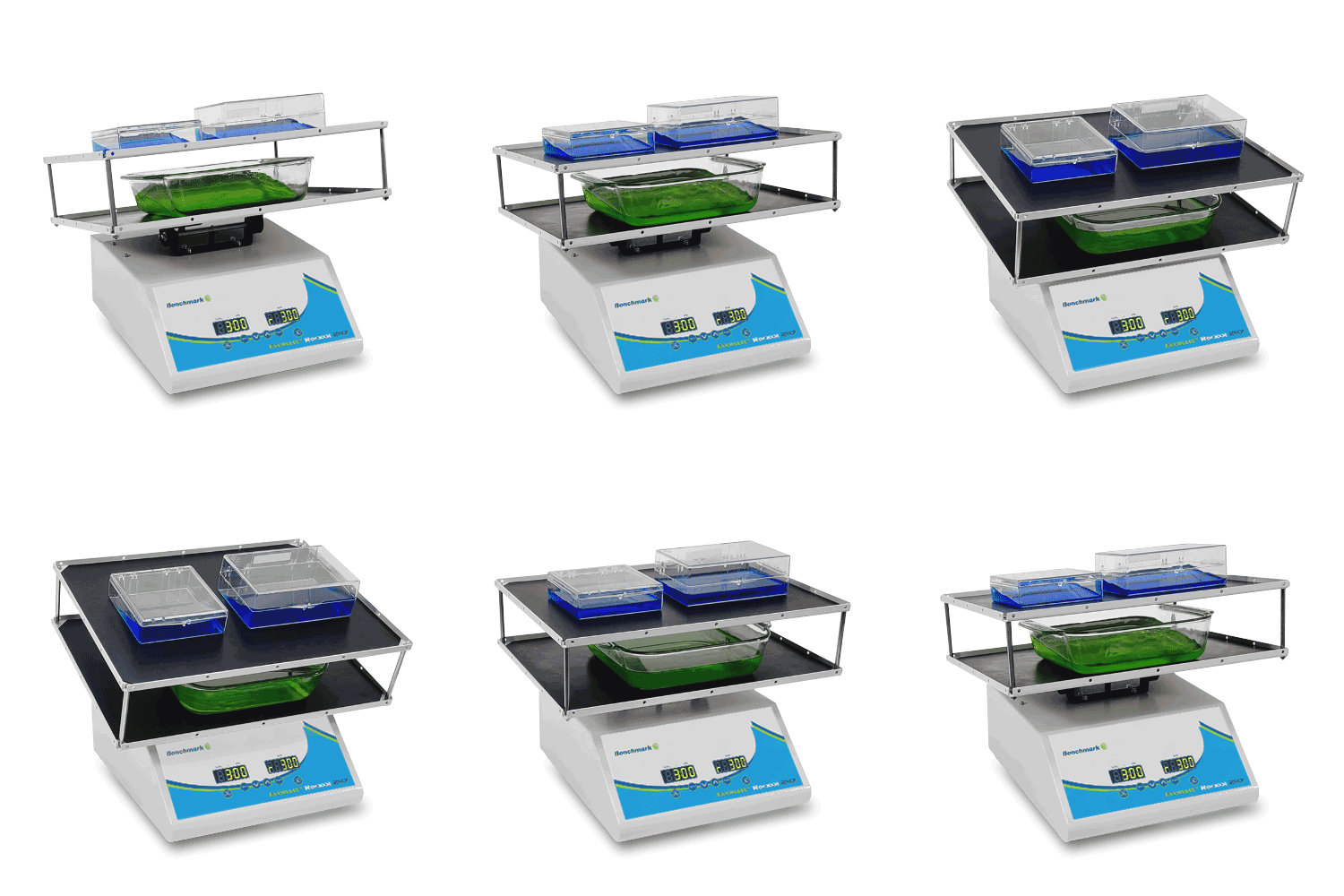
2D Everlast™ 247 Rocker
List Price:
USD1,816.55 - USD1,816.55
Online Price:
USD1,297.53 - USD1,297.53
Your Price:
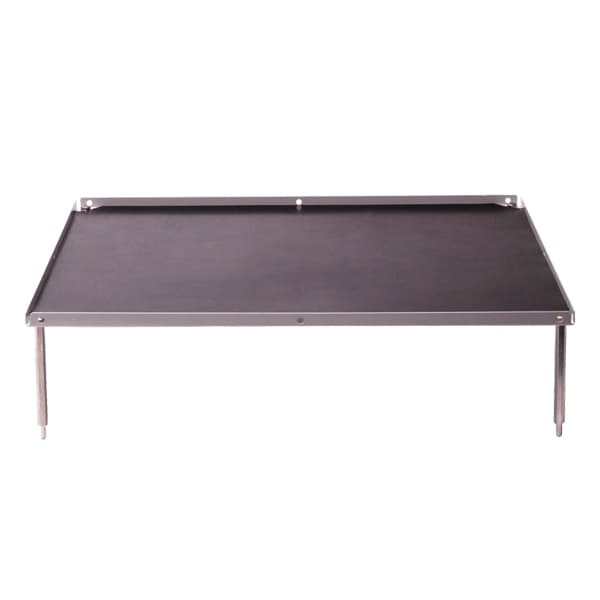
Additional platform separators (4 ea.). Adds 1.25" to platform separation
List Price:
USD99.68
Online Price:
USD71.20
Your Price:
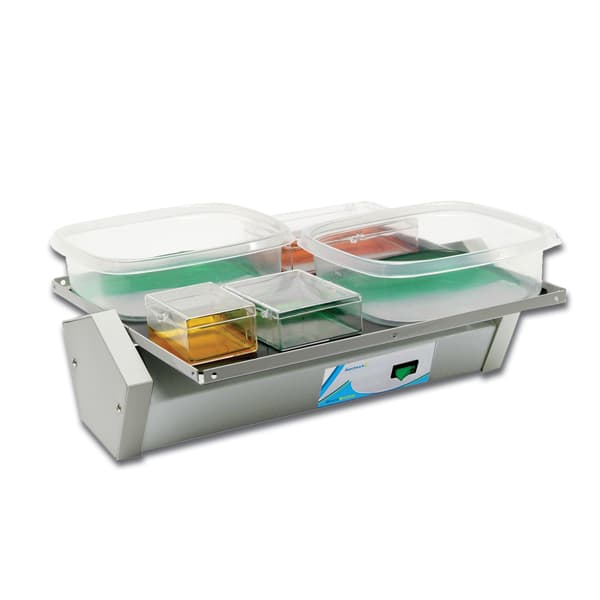
BenchBlotter™ Platform Rocker, fixed speed
List Price:
USD779.24 - USD779.24
Online Price:
USD556.60 - USD556.60
Your Price:
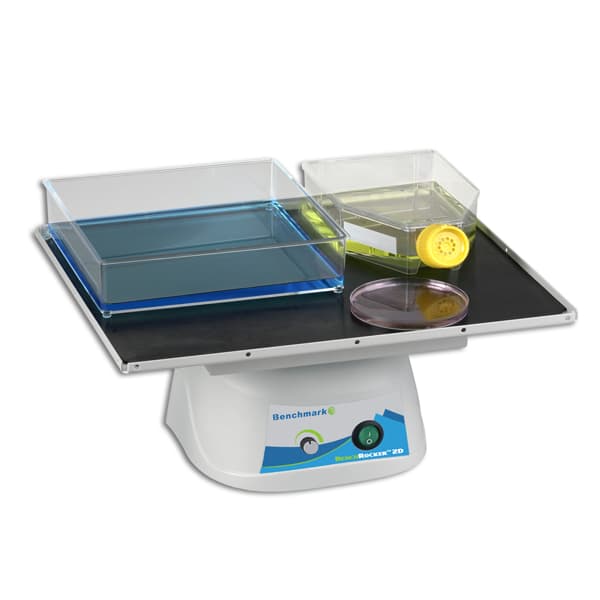
BenchRocker™ 2D Rocker, variable speed, 14"x12" platform
List Price:
USD1,217.12 - USD1,217.12
Online Price:
USD869.37 - USD869.37
Your Price:
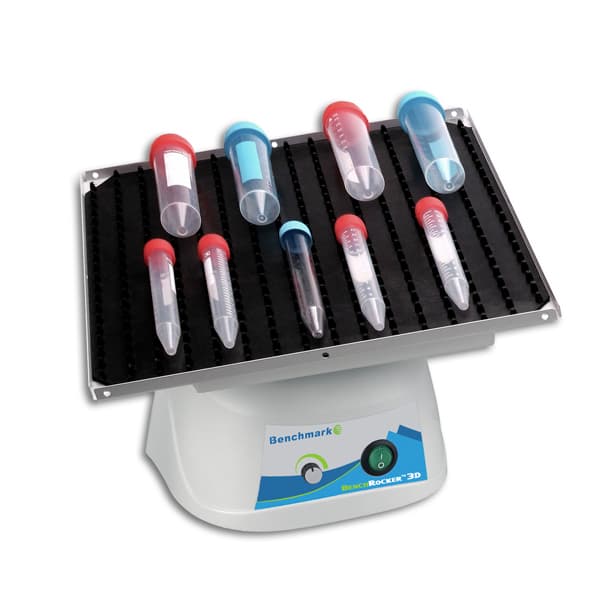
BenchRocker™ 3D Nutating Shaker, variable speed, 12"x12" platform
List Price:
USD1,528.18 - USD1,528.18
Online Price:
USD1,091.55 - USD1,091.55
Your Price:
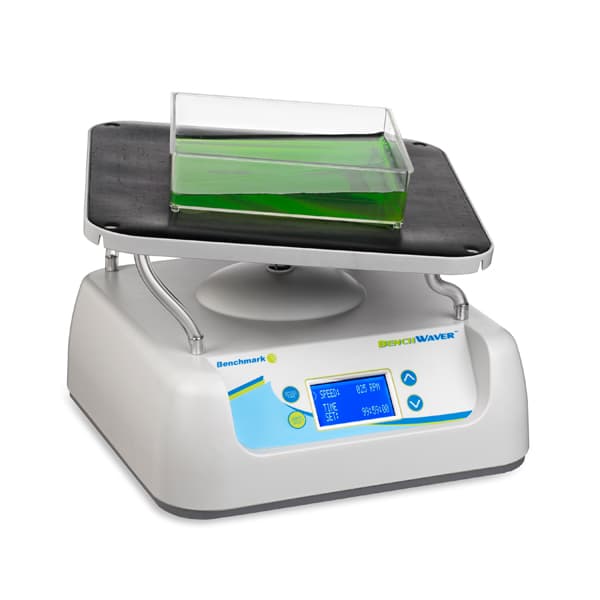
BenchWaver™ 3D Rocker with flat mat, 13.5x13" platform
List Price:
USD2,111.64 - USD2,111.64
Online Price:
USD1,508.31 - USD1,508.31
Your Price:
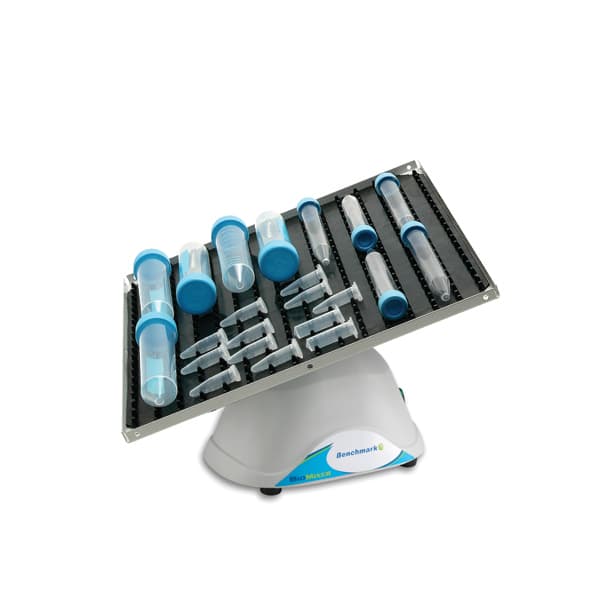
BioMixer™ 3D Nutating Shaker, fixed speed
List Price:
USD800.77 - USD800.77
Online Price:
USD571.98 - USD571.98
Your Price:
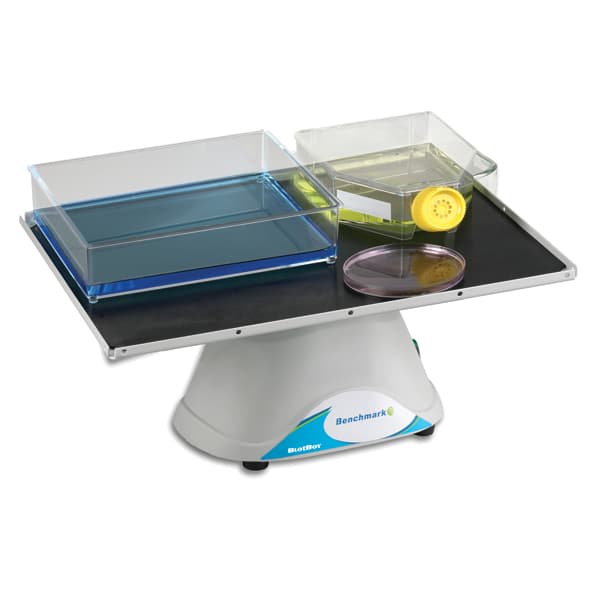
BlotBoy™ 3D Rocker, fixed speed, 12"x12" platform
List Price:
USD800.77 - USD800.77
Online Price:
USD571.98 - USD571.98
Your Price:
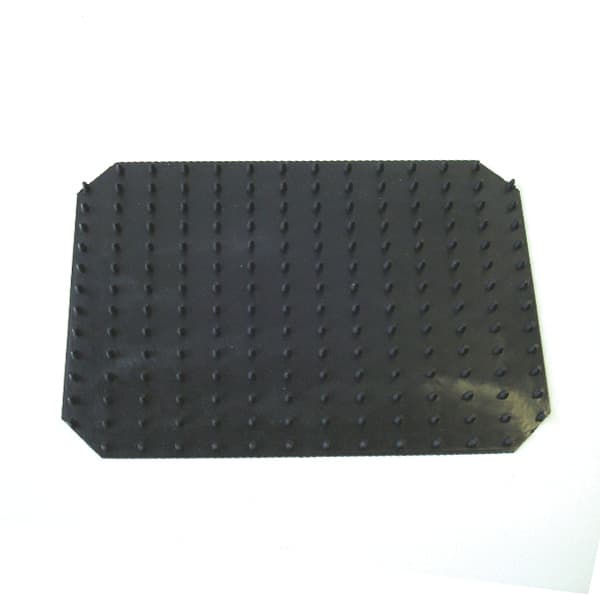
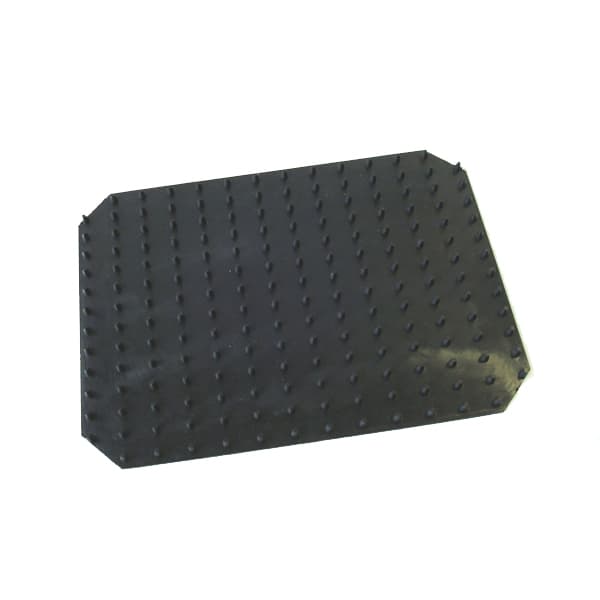
Dimpled Mat, large 12" x 12"
List Price:
USD90.71
Online Price:
USD64.79
Your Price:
Dimpled Mat, small 10.5" x 7.5"
List Price:
USD83.88
Online Price:
USD59.91
Your Price:
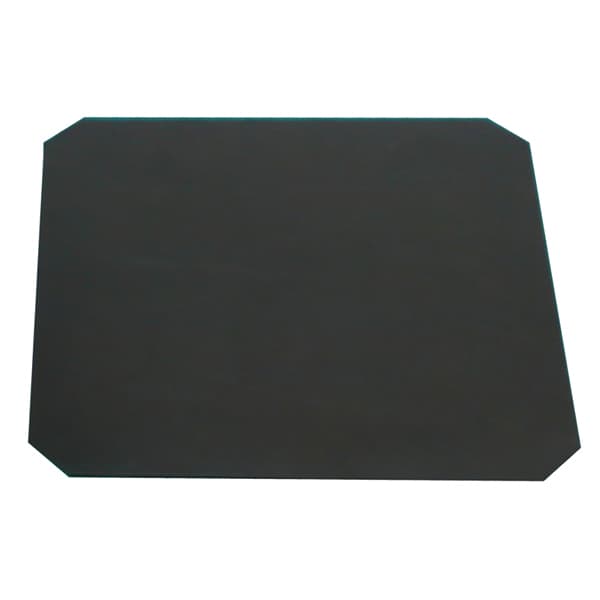
Flat Mat, extra large 14" x 12"
List Price:
USD95.07
Online Price:
USD67.91
Your Price:
Flat Mat, large 12" x 12"
List Price:
USD87.53
Online Price:
USD62.52
Your Price:

Showing 1 to 12 of 27 results

What are laboratory rockers?


Laboratory rockers are low-speed mixing platforms that tilt back and forth rhythmically, causing liquid on the platform to flow across the surface from side to side. Unlike orbital shakers that move the platform in a circle, rockers apply a tilting motion that sweeps liquid in a controlled linear direction, ideal for ensuring even coverage of a membrane surface with antibody or staining solution, washing gel slabs, and incubating flat containers where circular mixing could cause liquid to pool at the edges. 2D rockers tilt on a single axis; 3D rockers add a second axis of motion for more complex liquid flow.


What you will find:


  • 2D Rockers: for gentle two-way mixing of samples during the process of staining, blotting, and hybridization workflows.
  • 3D Rockers: for multi-directional mixing of blood tubes, cell cultures, and immunoassay samples requiring thorough agitation.


How to navigate Rockers equipment


Choose a 2D rocker for western blot membrane incubations and gel staining

2D rockers are the most widely used format for western blotting workflows — primary and secondary antibody incubations, blocking steps, and wash steps — and for gel staining and destaining procedures. The simple back-and-forth tilting motion sweeps liquid evenly across the membrane or gel surface and is gentle enough to avoid disturbing bound proteins or gel structure.

Choose a 3D rocker for more complex or multi-directional agitation needs

3D rockers combine tilting motion on two axes or add a lateral wave component to the rocking motion, creating a more complex flow pattern across the platform surface. This is useful when a flat container needs more thorough liquid mixing than single-axis rocking provides, or for tube and vessel incubations in a holder that benefits from multi-directional agitation.

Consider speed range for your application

Rocking speed for western blot and gel applications is typically 10–25 rpm; gentle incubations like cell culture on a rocking platform may use lower speeds of 5–15 rpm. Confirm the rocker's speed range covers the applications you intend to run.

Check platform dimensions against your largest container

Platform dimensions vary from small (approximately 20 × 20 cm) to large (30 × 30 cm or more), and the platform must accommodate the largest gel box, blot container, or tray you intend to use. Containers extending beyond the platform edge receive uneven agitation.

Verify incubator or cold room compatibility if temperature control is needed

Some rocking protocols, including certain antibody incubations, are performed at 4°C or 37°C. Compact rockers designed for incubator or cold room use have appropriate form factors and materials for these environments.


Specifications context


Rocking platforms used for western blot membrane incubations must produce consistent agitation across the entire membrane surface to ensure uniform antibody binding and washing, and a rocker whose platform speed or tilt angle is inconsistent produces bands of uneven signal intensity on the developed blot. As of 2026, compact 2D rocking platforms remain the most common mixer in molecular biology labs for blot work, while 3D multi-motion rockers have expanded in adoption for tube-based incubations where the complex motion replaces a dedicated tube rotator.

Your hunt for a high-quality, reliable rocker is over. Contact the MBP team today and find the right rocker for your application.

FAQ

A rocker's gentle tilting motion sweeps antibody solution evenly back and forth across the membrane in a linear pattern, while an orbital shaker's circular motion tends to push liquid toward container edges and can fold or curl a loosely placed membrane. The rocker's more uniform sweeping ensures consistent antibody coverage without the mechanical disturbance that higher-speed orbital shaking could produce.
A 2D rocker tilts on a single axis, producing a simple back-and-forth rocking motion that sweeps liquid linearly across the platform. A 3D rocker combines tilting on two axes or adds a lateral wave motion to the basic rocking, creating a more complex, multi-directional liquid flow across the surface. The 3D motion is more thorough for mixing and for applications where a single-axis sweep leaves unmixed regions at the sides or corners of a container.
Western blot antibody incubation is typically performed at 10–20 rpm on a rocker, which sweeps the antibody solution across the membrane surface regularly without generating the mechanical stress or foam that faster speeds would produce. Blocking steps and wash steps can use slightly faster speeds of 15–25 rpm to accelerate complete membrane coverage in each sweep cycle during washes.
Yes, a 2D rocking platform is the standard instrument for polyacrylamide and agarose gel staining and destaining, where the back-and-forth sweeping motion ensures the staining or destaining solution moves evenly over the gel surface, promoting uniform staining and efficient dye removal. The gentle motion avoids physically disrupting the gel during the process.
Compact rockers designed for incubator or cold room interior use are available with appropriate form factors, low-profile dimensions to fit on cold room shelves, and materials that tolerate cold-room temperature and humidity without condensation damage. Standard bench-format rockers may not be rated for cold room operation; checking that the instrument is specified for the operating temperature range before placing it in a cold room prevents motor damage from condensation.
A platform of approximately 25 × 25 cm accommodates most standard western blot containers for membrane sizes up to approximately 20 × 20 cm, which covers the majority of standard gel formats. If you regularly work with large-format blots, multiple blot trays simultaneously, or large gel staining dishes, a larger platform of 30 × 35 cm or more provides the needed space for all containers without extending beyond the platform edge.
A dedicated end-over-end tube rotator is generally preferred over a 3D rocker for antibody-bead incubations because full 360° inversion ensures complete bead resuspension at each cycle, while even a 3D rocker does not invert tubes completely and may allow beads to settle partially between agitation cycles. 3D rockers are better suited to flat-surface applications or to tube mixing where complete inversion is not required.
Yes, MBP offers competitive pricing for 2D and 3D rocking platforms across a range of platform sizes and speed specifications, with specialist support for matching the rocker type to your application. Contact MBP's US office in Houston, Texas, for pricing in both USD and CAD.
We provide the highest quality of products and anytime customer service.
Featured Categories
    online payment
    online payment
    fast delivery
    fast delivery
    technical support
    technical support
    24/7 support
    24/7 support
    copy right
    2026 All Right Reserved