2D Rockers for Western Blotting, Staining, and Gentle Sample Agitation
2D Rockers covers single-axis rocking platforms that tilt back and forth on one axis, sweeping liquid linearly across the surface. The 2D rocking platform is the most widely used mixer for western blot workflows — primary and secondary antibody incubation, blocking, and wash steps — and for gel staining and destaining. The simplicity and gentle motion make it the default instrument for flat-surface biological protocols. Academic and core labs get specification and platform-size guidance plus competitive pricing.
Contact customerservice@mbpinc.net to compare 2D rocker sizes and configurations for blotting, staining, and routine laboratory workflows.
2D Rockers
Showing 1 to 7 of 7 results
What are 2D rockers?
2D rocking platforms produce a simple, rhythmic back-and-forth tilting motion on a single axis, causing liquid to flow alternately from one end of the platform to the other with each tilt cycle. The simplicity of this motion is its strength: a consistent linear sweep of liquid across the platform surface ensures even exposure of the membrane or gel to the incubation solution on every cycle, with no rotational bias that could cause uneven staining or antibody distribution. 2D rockers are the universal standard for western blotting workflows and gel processing because their motion is gentle, predictable, and highly effective at sweeping liquid uniformly across flat surfaces.
What you will find:
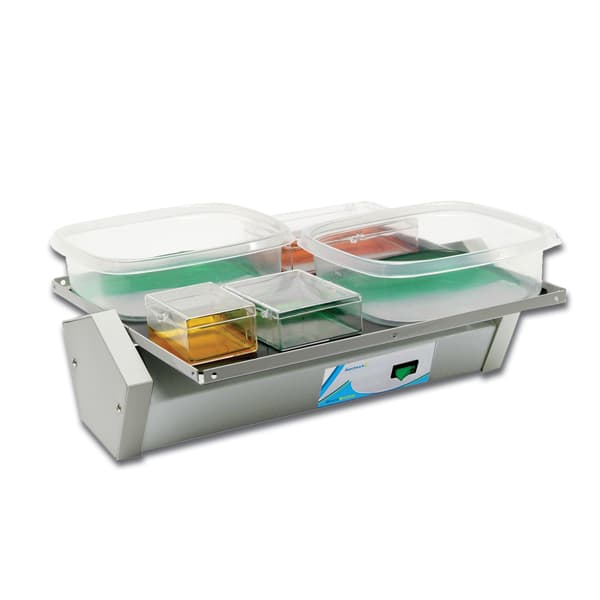
- BenchBlotter Platform Rocker (Fixed Speed): Simple, reliable rocking for blotting, staining, and destaining.
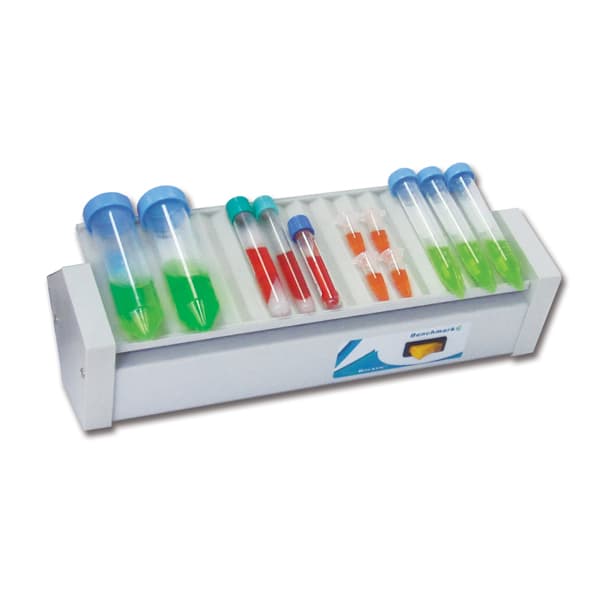
- TubeRocker Compact Rocker (Grooved Mat): Secure mixing of 1.5–50 mL tubes with fixed speed and tilt.
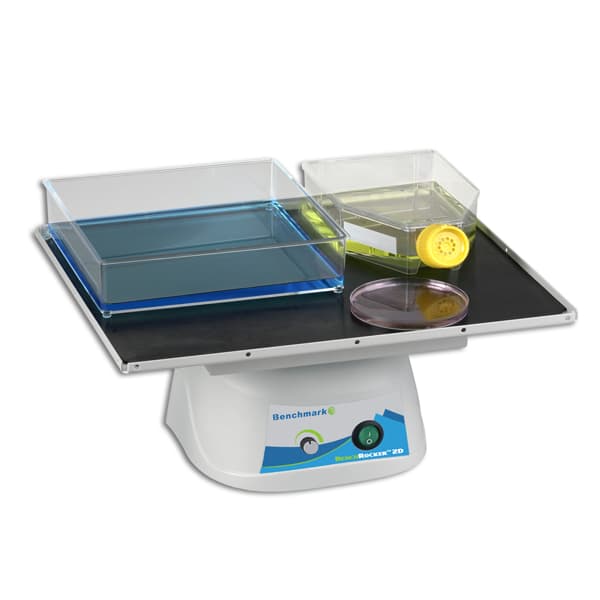
- BenchRocker 2D Rocker (Variable Speed): Adjustable speed and tilt for flexible lab mixing applications.
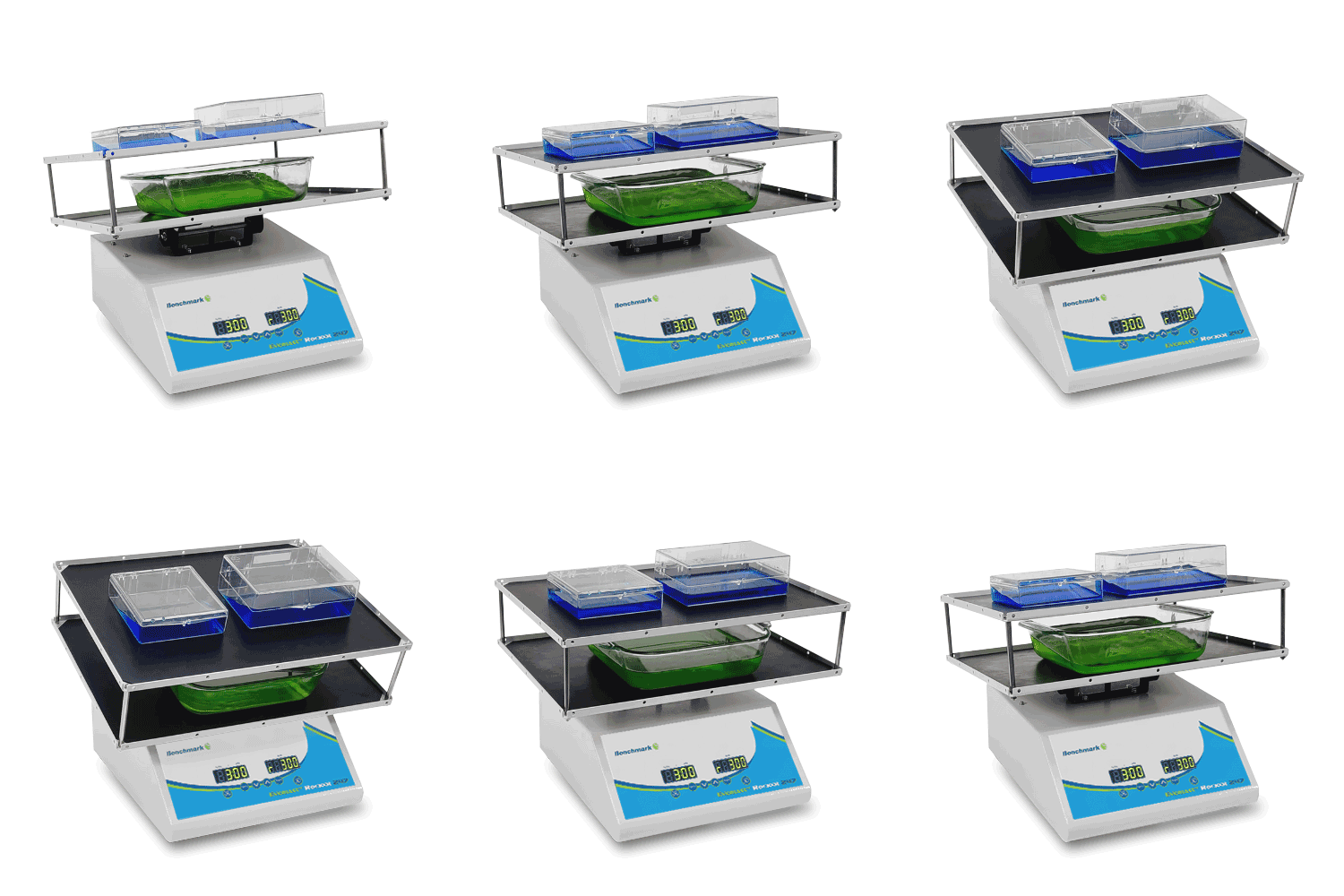
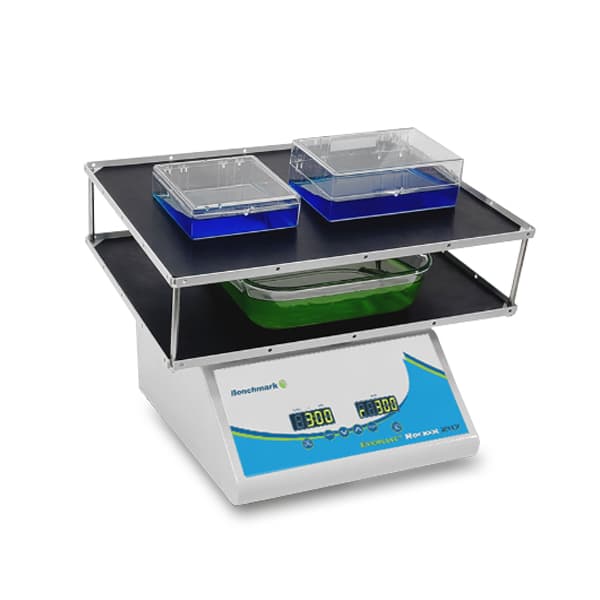
- 2D Everlast 247 Rocker: Continuous-duty operation, ideal for use in incubators and cold rooms.
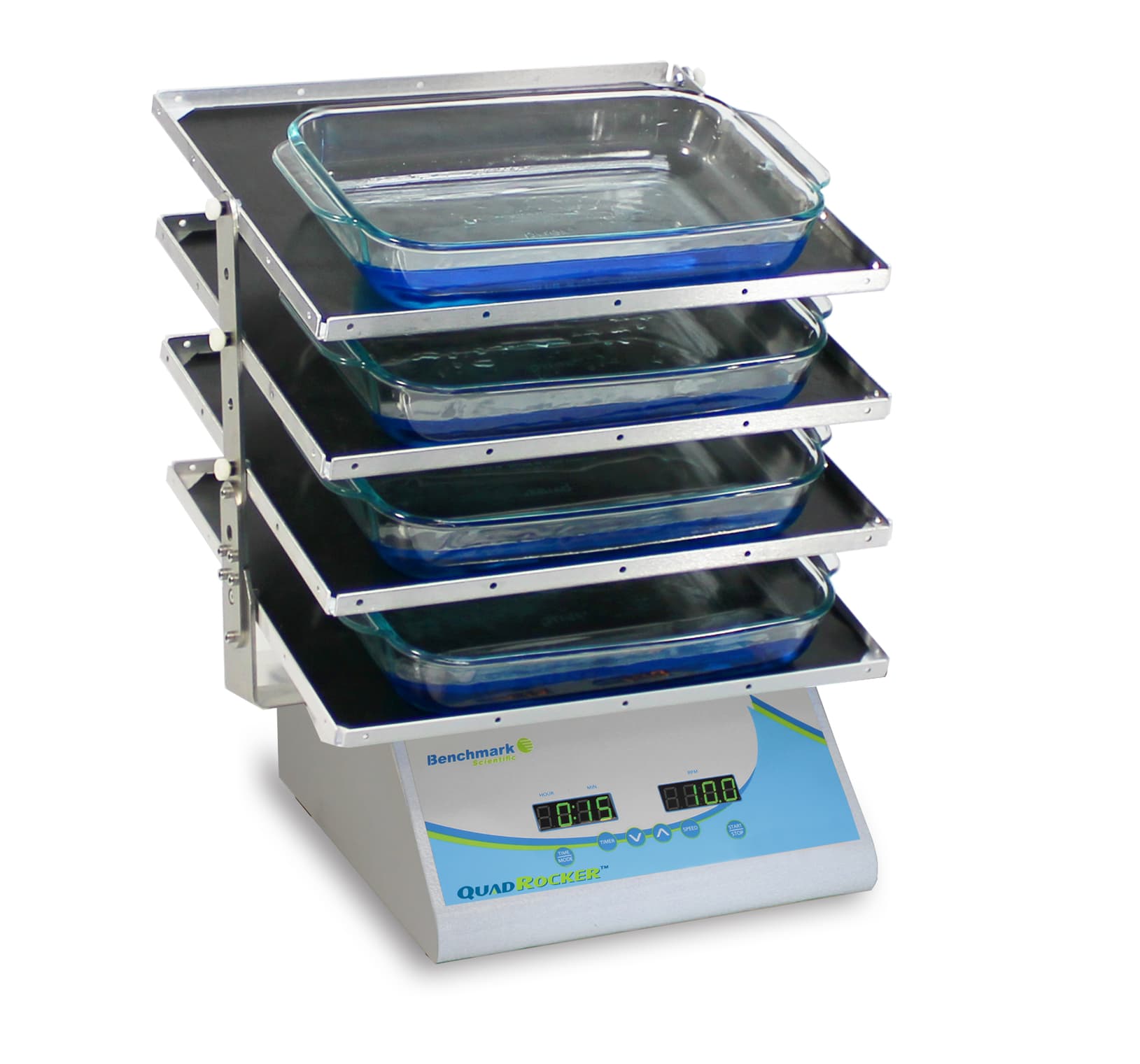
- QuadRocker Tiered Rocker: A multi-level rocking system with over 750 sq. in. of usable surface area.
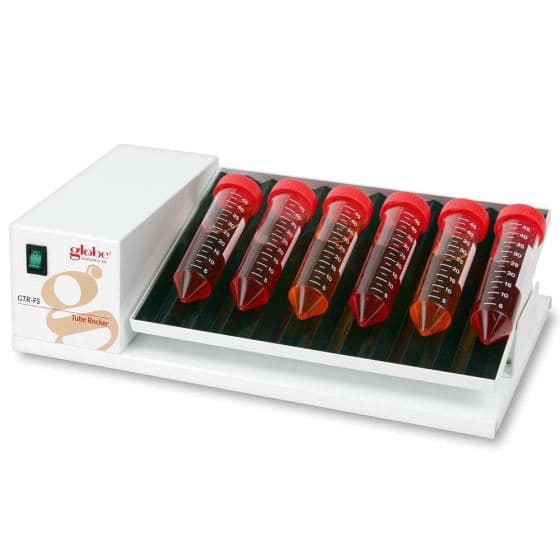
- Globe Scientific Fixed Speed Tube Rocker: Consistent fixed-speed mixing for 1.5–50 mL tubes.
How to choose a 2D rocker
Confirm the speed range covers your applications
2D rockers typically operate from 5 to 40 rpm, with most blotting applications running at 10–25 rpm. Some rockers are fixed-speed at a single rpm; variable-speed models provide flexibility to use slower speeds for gentle antibody incubation and faster speeds for wash steps. Confirm that the rocker's speed range accommodates all your planned protocols.
Select a platform size that fits your largest container
Platform size determines the maximum container dimensions: a 25 × 30 cm platform accommodates most standard blot boxes and gel staining dishes for common gel formats. For larger gel formats or when running multiple smaller containers simultaneously, a larger platform of 30 × 40 cm or more provides the necessary space.
Check the tilt angle adjustment if the rocker offers it
Some 2D rockers allow adjustment of the tilt angle as well as speed, which affects the aggressiveness of the liquid sweep. A larger tilt angle at the same speed produces a stronger sweep but may cause liquid to slosh more vigorously, risking splashing and membrane disturbance at higher angles. For standard antibody incubation, a moderate tilt angle of 10–20° is typical.
Consider timer and programmable functions for unattended incubations
Some 2D rockers include a built-in timer that switches the rocker off after a set incubation time, preventing over-incubation when the user cannot monitor the step in real time. This is useful for overnight antibody incubations set to run at low speed inside a cold room or refrigerator.
Verify suitability for cold room or incubator use if needed
For overnight antibody incubations at 4°C or hybridization at 37°C or 65°C, a rocker rated for the relevant temperature environment and humidity is required. Standard bench rockers are not always rated for cold room humidity or elevated incubator temperature.
Specifications context
The 2D rocking platform's single-axis tilt produces a consistent, repeatable sweep pattern that has been validated in western blotting protocols across decades of use, making it the most protocol-tested agitation format in molecular biology. As of 2026, variable-speed 2D rockers with a digital display and built-in timer remain the standard configuration in most molecular biology labs where western blotting is performed routinely.
Contact the MBP team today to request a quote and find the right laboratory rocker for your application.
FAQ