Product Filters

Laboratory Storage Supplies for Specimen and Reagent Management


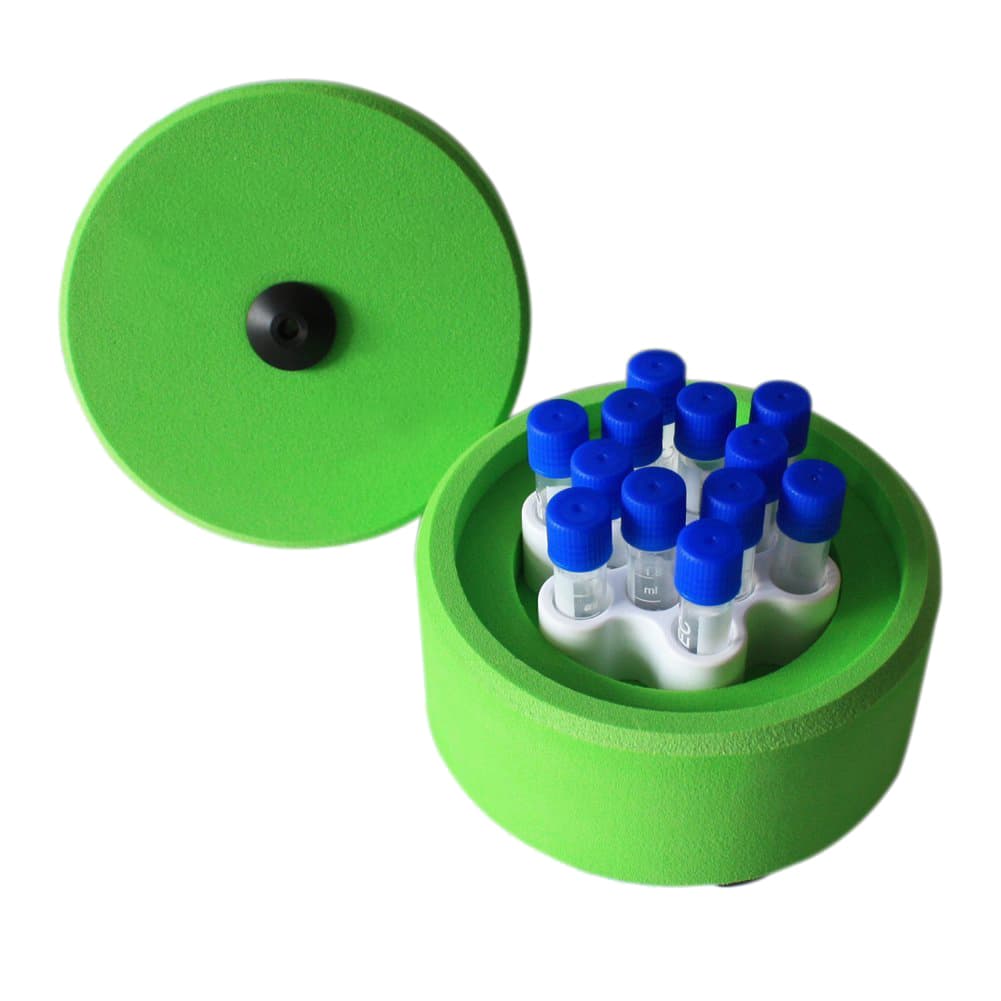
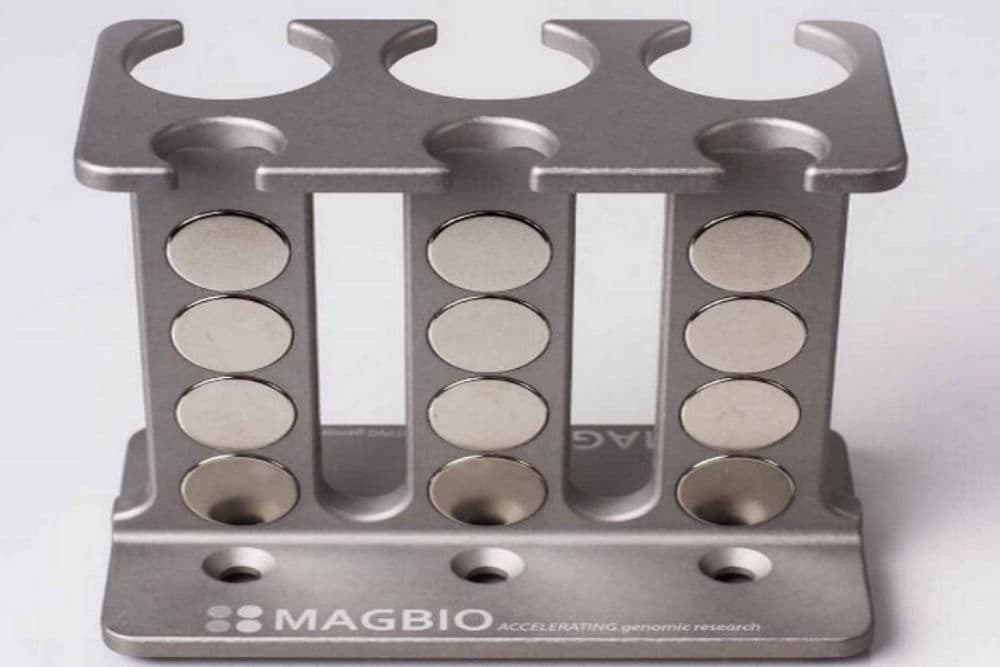
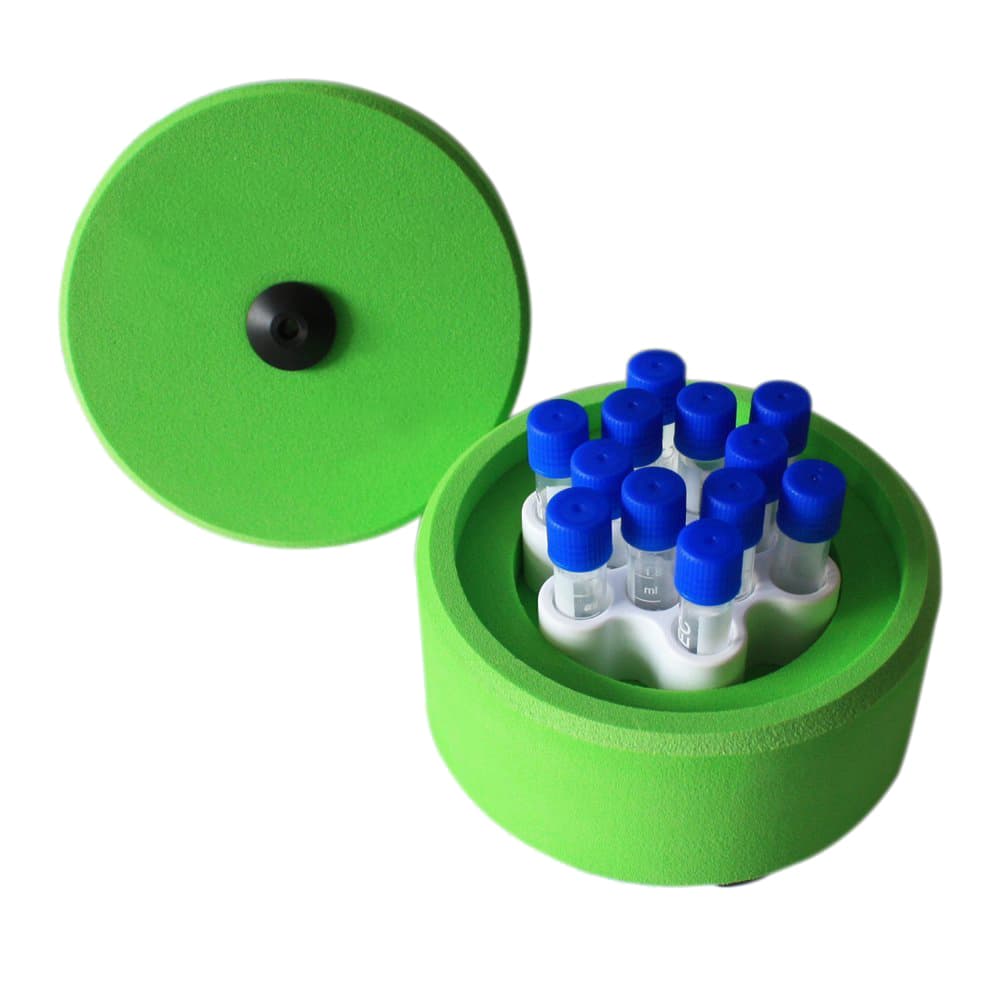
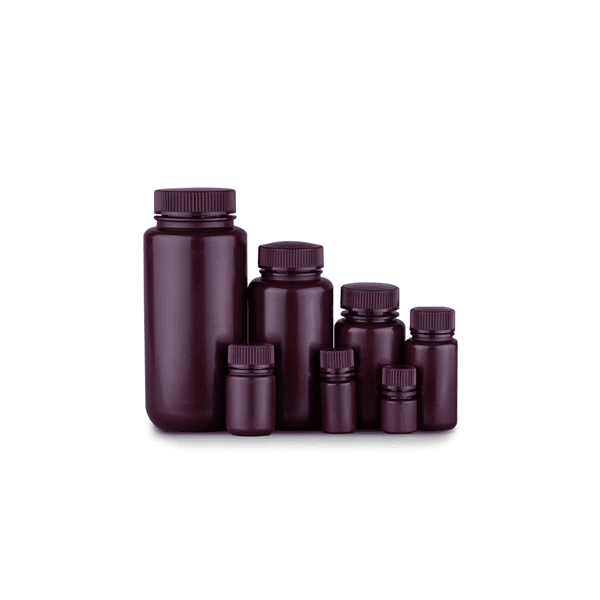
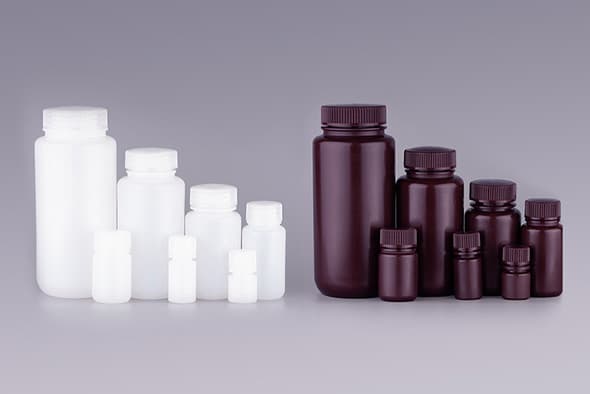
Laboratory storage supplies are the containers, boxes, racks, and vessels used to hold, organize, protect, and transport specimens, reagents, buffers, and bulk liquids across all stages of the laboratory workflow. The category spans PP graduated specimen containers (30–120 mL), HDPE multi-purpose containers (240 mL–2500 mL), polypropylene and cardboard storage boxes (25–100 well), tube racks (micro to 50 mL), and HDPE jerricans (5–20 L). MBP carries Globe Scientific's storage container range (ISO 9001:2015) and ships to labs across the US, Canada, and internationally. MBP is a registered vendor for Howard Hughes Medical Institute, Vanderbilt University, and MD Anderson Cancer Center.

Need help selecting the right laboratory storage supplies for your workflow? — Contact our team at customerservice@mbpinc.net for product recommendations, bulk pricing, and purchasing assistance.

Storage Supplies

productListingPage:PER_PAGE:
productListingPage:SORT_BY:

What Are Laboratory Storage Supplies?


Laboratory storage supplies encompass the containers, boxes, racks, and vessels used to organize, hold, protect, and transport specimens, reagents, buffers, and bulk liquids throughout the research and clinical laboratory workflow. The category spans small sample containers (PP specimen cups, 30–120 mL), ambient and cold-storage boxes and racks (polypropylene and cardboard, for microcentrifuge tubes and cryovials), multi-purpose HDPE containers (240 mL–2500 mL for reagent and buffer storage), and jerricans (HDPE, 5–20 L for bulk liquid handling and waste collection). Selecting the correct storage format requires matching material chemistry to the stored substance, temperature range to the storage environment, and container closure type to the handling frequency. HDPE is the go-to material for chemical storage; PP is the correct choice when autoclave sterilization is required; PS is suitable for short-term ambient use only.


What you will find:


How to Choose Laboratory Storage Supplies


Material: HDPE vs. PP vs. PS vs. PC

HDPE offers the broadest chemical resistance and very low leachables—correct for bulk reagent storage, waste collection, and jerricans. PP is autoclavable at 121°C and resistant to most organic solvents and reagents—the standard for reusable sample containers and tube racks. PS is optically clear and economical for ambient-temperature, short-term sample storage. PC is transparent, impact-resistant, and autoclavable, making it the standard for cryo box lids and storage boxes requiring direct inventory visibility.


Temperature Range

Ambient and +4°C (refrigerator): all four materials are suitable. −20°C: HDPE, PP, and PC; avoid PS. −80°C: HDPE (rated to −100°C), PP, and PC (confirm product rating). LN2 (−196°C): use only PP or PC cryogenic vials and cryo boxes specifically rated for LN2.


Closure Type

Quarter-turn snap caps provide fast access for high-throughput specimen collection. Full-thread screw caps with integral seal rings are needed for transport and long-term liquid storage. Snap lids on HDPE multi-purpose containers suit bench-accessible storage; sealed screw caps are used when transport or inversion is likely.


Container Size

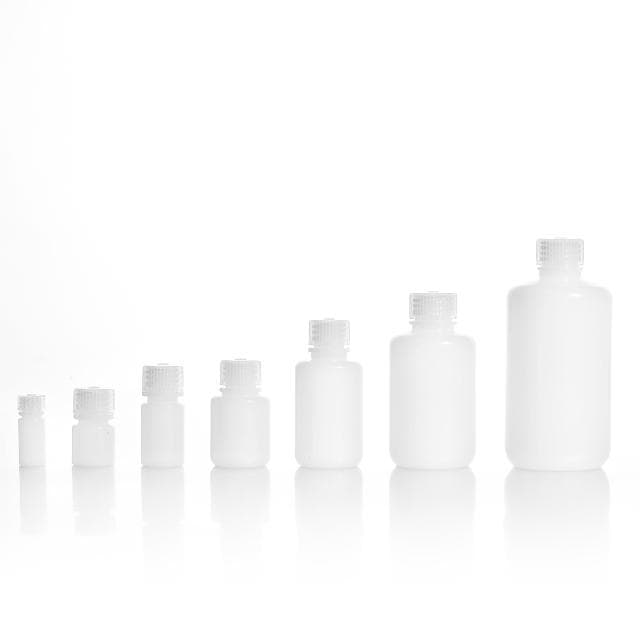
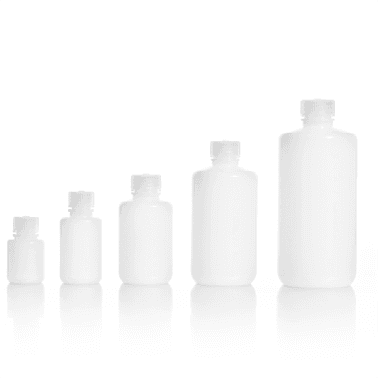
Match container volume to the sample volume plus a 20% headspace allowance for thermal expansion. Use 30–90 mL specimen cups for clinical specimens; 240–500 mL containers for reagent aliquots; 1–2.5 L for bulk reagent lots; and 5–20 L jerricans for buffer preparation, DI water holding, and waste collection.


Compare Laboratory Storage Container Formats

PP specimen containers (30–120 mL) are used for clinical specimens such as urine and tissue samples and are autoclavable and suitable for −20°C to +121°C conditions. HDPE multi-purpose containers (240 mL–2500 mL) are used for reagent storage, buffers, and waste handling due to strong chemical resistance and wide temperature tolerance. PP storage boxes (81-well) are designed to hold 81 × 2 mL cryovials for organized freezer storage and are autoclavable for reuse. Cardboard freezer boxes provide a cost-effective option for archival cryovial storage at −80°C or LN2 vapor-phase environments but are not autoclavable. HDPE jerricans (5–20 L) are used for bulk liquids such as buffers, DI water, and laboratory waste due to their durability and chemical resistance.


Specifications Context


Globe Scientific HDPE jerricans and multi-purpose containers are manufactured from virgin resin materials to ensure uniform wall thickness and low leachables, supporting reagent purity in sensitive workflows. PP storage products are ISO 9001:2015 certified and widely used across clinical and research laboratories. As of 2026, the most commonly used storage formats include 90 mL PP specimen containers, 81-well polypropylene cryovial storage boxes, and 10–20 L HDPE jerricans due to their versatility across routine lab operations. Explore sample storage containers, storage boxes and racks, multi-purpose containers, and jerricans for full category coverage.

Connect with the MBP team today to explore our full catalog of racks, boxes, and vials, and let us help you design a storage system tailored to your specific workflow.

FAQ

Research labs typically need sample storage containers (polypropylene or HDPE screw-cap containers in 30 mL–2500 mL for specimens, reagents, and buffers), storage boxes and racks (polypropylene tube racks and freezer boxes for organizing microcentrifuge tubes and cryovials), jerricans (HDPE 5–20 L for bulk liquid handling and waste collection), and general labeling supplies. The right format depends on sample volume, storage temperature (ambient, +4°C, −20°C, or −80°C), and whether chemical resistance is required.
The four most common materials for laboratory storage containers are HDPE (high-density polyethylene), polypropylene (PP), polystyrene (PS), and polycarbonate (PC). HDPE offers broad chemical resistance, low leachables, and a −100°C to +120°C range—the standard for bulk liquid storage and jerricans. PP is autoclavable at 121°C and resistant to most reagents, making it the default for reusable sample containers and tube racks. PS is optically clear and cost-effective for short-term ambient storage. PC is transparent, impact-resistant, and autoclavable for demanding cryogenic box applications.
Polypropylene (PP) storage containers, tube racks, and freezer boxes are autoclavable at 121°C for 20 minutes in a standard gravity cycle. Polycarbonate (PC) freezer boxes are also autoclavable at 121°C. HDPE containers and jerricans tolerate temperatures up to 120°C but may soften slightly above 100°C under autoclave pressure—confirm the specific product's rated temperature before autoclaving HDPE. Polystyrene (PS) containers are not autoclavable; they deform at 55–80°C.
HDPE is the standard choice for bulk liquid storage of water, buffers, acids, bases, and many reagents—it has broad chemical resistance, low water vapor permeability, and very low leachables at ambient and cold temperatures. Polypropylene is the better choice when autoclave sterilization is required (PP withstands 121°C; HDPE may soften) or when the container will be repeatedly autoclaved between uses. For solvents, especially chlorinated solvents and aromatic hydrocarbons, consult chemical compatibility charts for both materials before selecting.
Laboratory-grade HDPE containers are rated from −100°C to +120°C, making them compatible with freezer storage at −20°C or −80°C, ambient laboratory conditions, and short-term hot liquid filling up to 80–90°C. Globe Scientific Diamond RealSeal HDPE jerricans are explicitly rated to −100°C, covering dry-ice shipment conditions. Do not autoclave HDPE containers not explicitly rated for 121°C steam sterilization; use polypropylene containers for autoclave applications.
MBP carries Globe Scientific's storage container and jerrican range, including HDPE multi-purpose containers, specimen containers (PP, graduated), and Diamond RealSeal HDPE jerricans in 5 L, 10 L, and 20 L capacities. Globe Scientific is ISO 9001:2015 certified. MBP ships to research, academic, and clinical labs across the US, Canada, and internationally and is a registered vendor for Howard Hughes Medical Institute, Vanderbilt University, and MD Anderson Cancer Center.
A storage box is a lidded container with a grid of wells used to organize, store, and transport tubes and vials in freezers, incubators, and refrigerators—protecting samples from contamination and physical damage. A tube rack is an open-frame support used on the bench for active work, holding tubes upright during pipetting, vortexing, and reaction setup. Most labs use racks at the bench for workflow and boxes for sample storage in cold environments; polypropylene racks and boxes in both categories are autoclavable.
MBP ships storage supplies—including sample storage containers, storage boxes, tube racks, multi-purpose containers, and jerricans—to labs in the United States, Canada, and internationally. MBP is a registered vendor for Howard Hughes Medical Institute, Vanderbilt University, and MD Anderson Cancer Center. Contact the MBP team directly for quote requests, purchase orders, or assistance matching container specifications to your storage requirements.
We provide the highest quality of products and anytime customer service.
LinkedIn
Featured Categories
online payment
online payment
fast delivery
fast delivery
technical support
technical support
24/7 support
24/7 support
copy right
2026 All Right Reserved