Laboratory Storage Boxes and Racks for Sample Organization
Laboratory storage boxes and racks are polycarbonate, polypropylene, and fiberboard containers designed to organize and protect cryogenic vials, microtubes, centrifuge tubes, and microscope slides in freezers, refrigerators, and on the bench. Cryogenic boxes are rated from –196 °C to +121 °C; tube racks accommodate 1.5/2.0 mL, 15 mL, and 50 mL formats. MBP carries Globe Scientific storage box lines and ships to labs across the United States, Canada, and internationally, with PO procurement at mbpinc.net.
Need help selecting the right laboratory storage boxes and racks? Contact customerservice@mbpinc.net for product guidance, pricing, and procurement support.
Storage Boxes & Racks


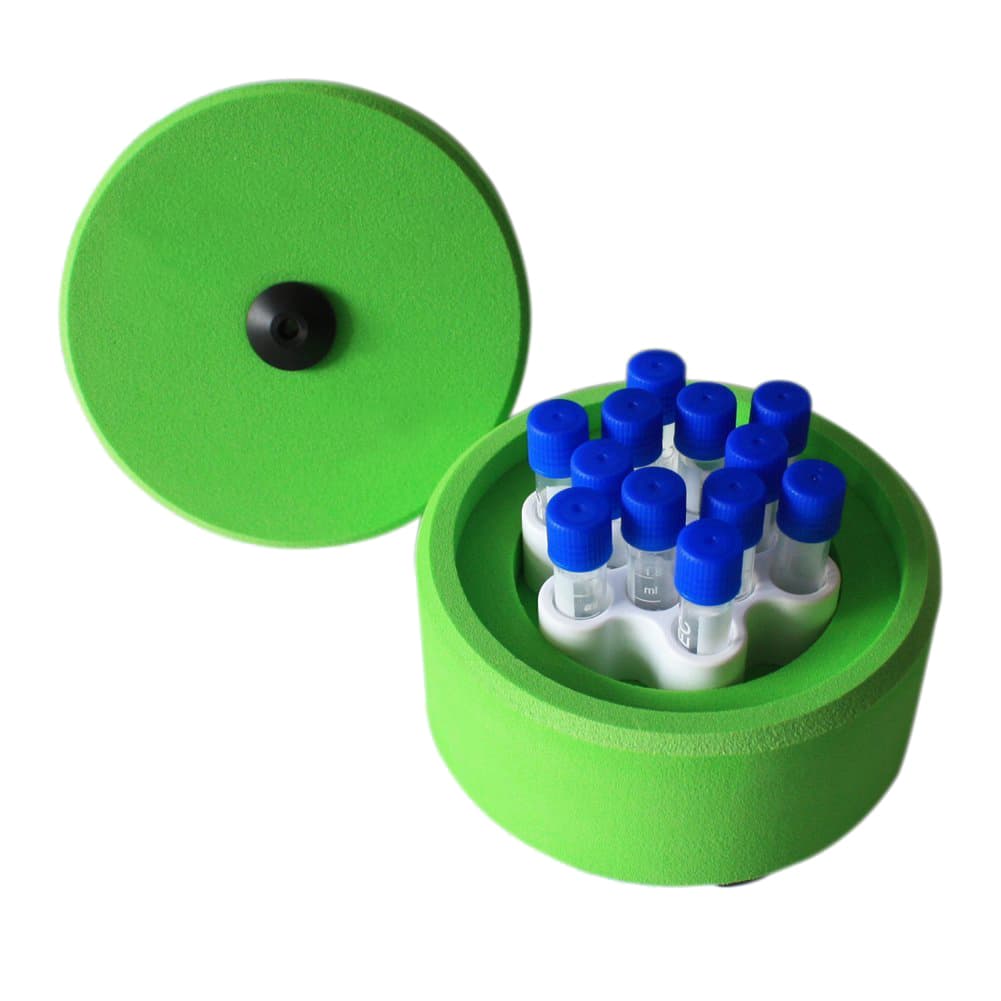
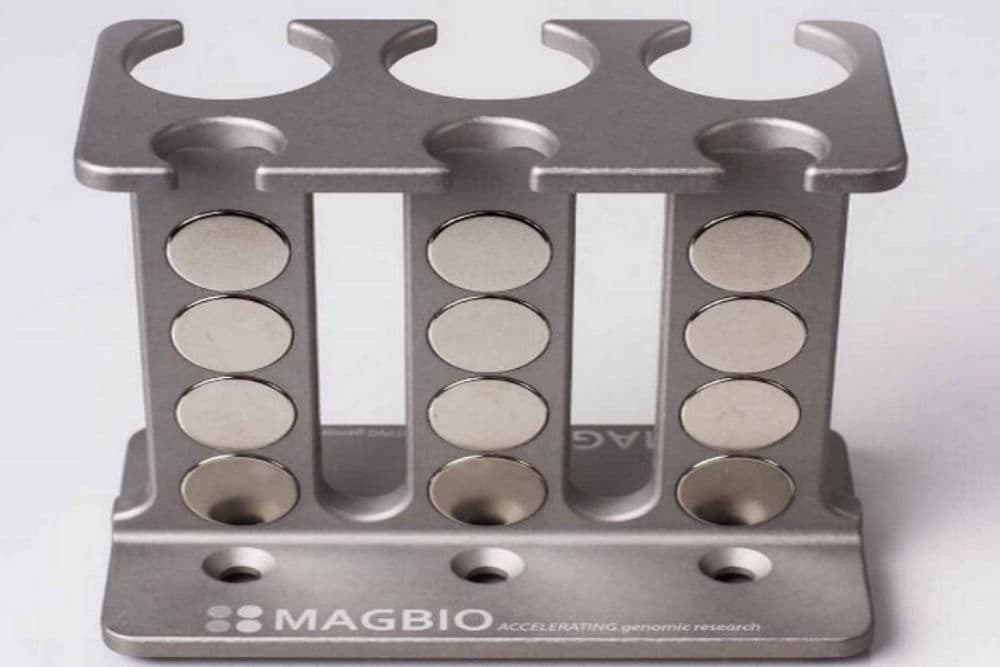
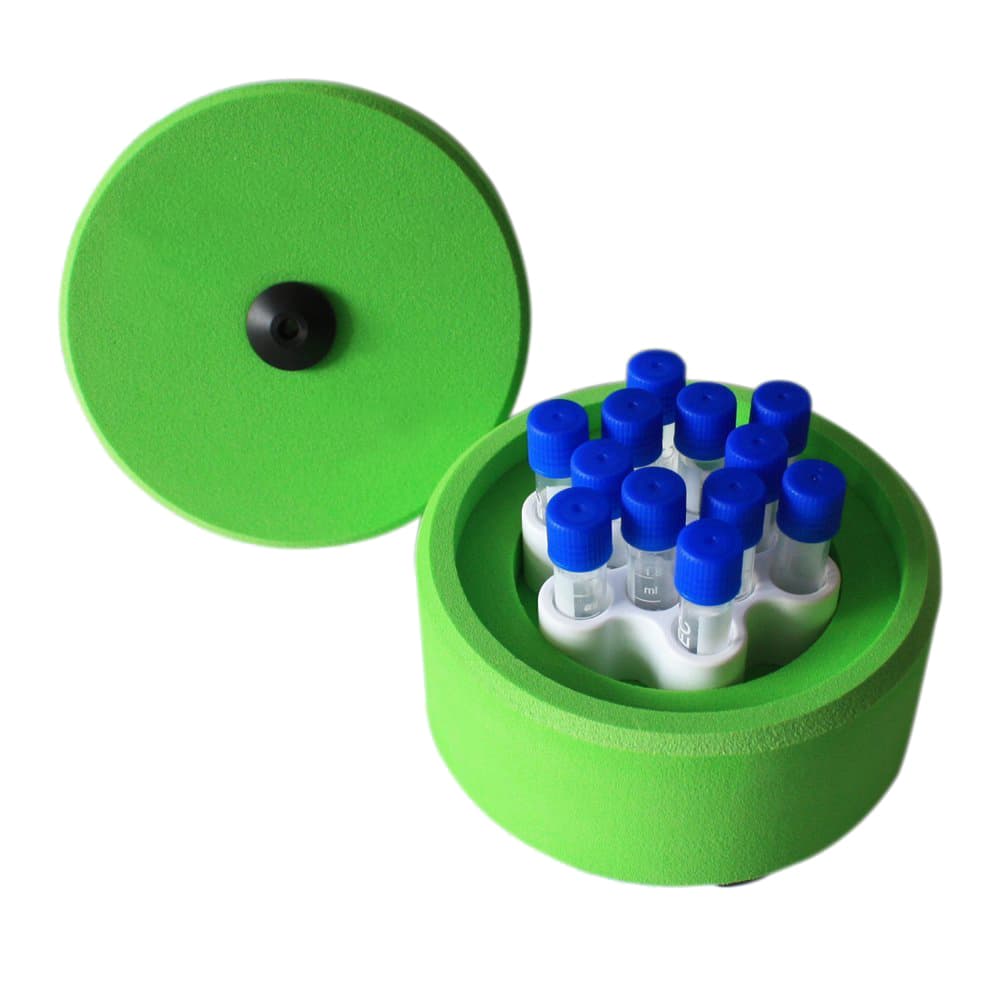


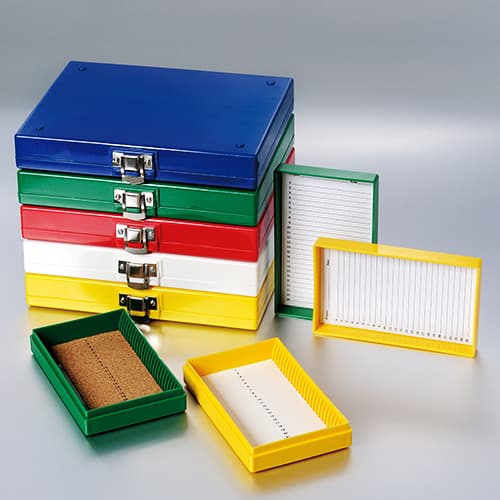
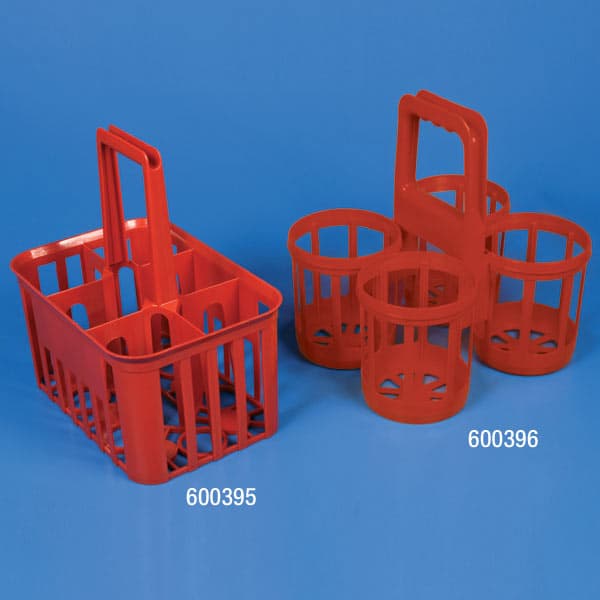
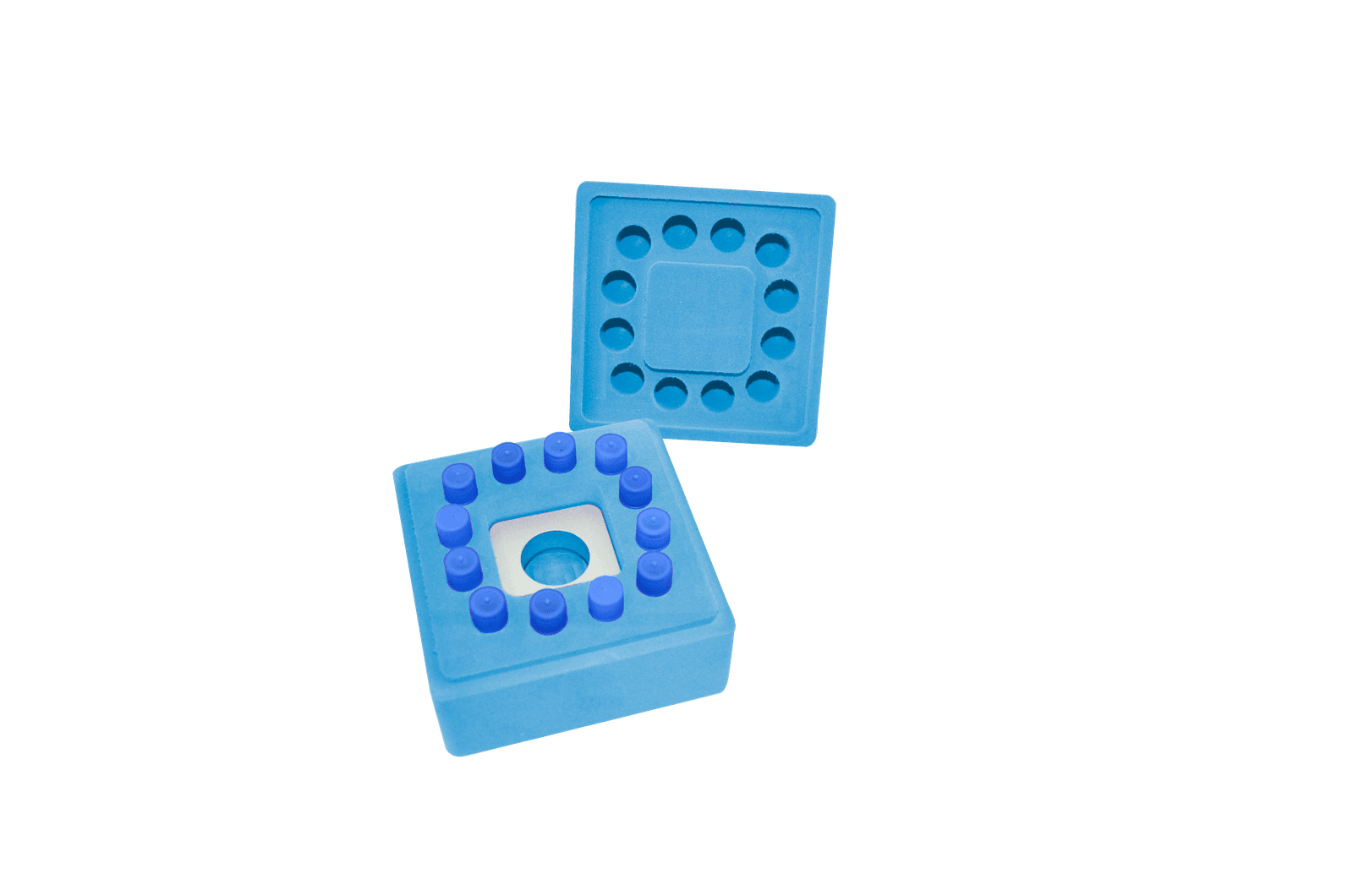
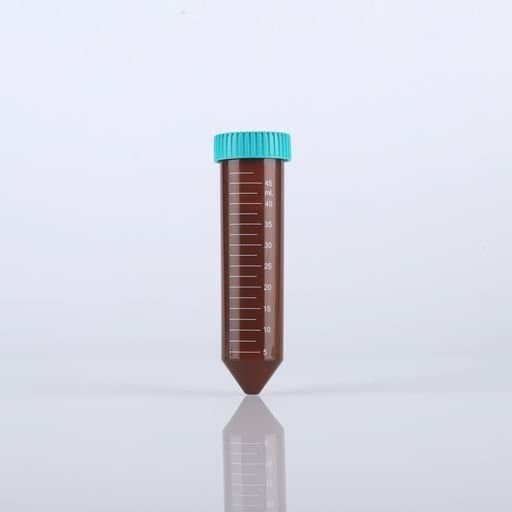
Showing 1 to 12 of 51 results
What Are Laboratory Storage Boxes and Racks?
Laboratory storage boxes and racks are essential organizational systems used to store, organize, and protect cryogenic vials, microcentrifuge tubes, centrifuge tubes, and microscope slides across freezers, cold rooms, and benchtop environments. Storage boxes are typically lidded, grid-based containers used for long-term sample organization in ultra-low temperature conditions, while racks are open-frame supports used for active handling during laboratory workflows such as pipetting, vortexing, and reaction setup.
Cryogenic storage boxes are commonly designed to hold 81 vials (9×9 format) or 100 vials (10×10 format), and are compatible with storage conditions ranging from –196 °C in liquid nitrogen vapor phase to +121 °C for autoclave sterilization (depending on material). Tube racks, on the other hand, provide stable upright positioning of tubes during active benchwork and are not primarily intended for long-term freezer storage.
What you will find:
-
Cryogenic storage boxes for vials and microtubes
-
Freezer storage boxes for -20°C and -80°C applications
-
PCR tube racks for 0.2 mL tubes and strips
-
Microcentrifuge tube racks for 0.5 mL to 2 mL tubes
-
Polypropylene (PP) autoclavable storage boxes
-
Stackable storage boxes for space-saving organization
-
Hinged lid storage boxes for secure sample protection
-
Color-coded racks for easy sample identification
How to Choose Storage Boxes and Racks
Vial Format and Capacity
The first selection criterion is compatibility with tube size and grid layout. The most common format is the 81-place (9×9) box designed for 1.0–2.0 mL cryovials. Smaller or specialized formats may accommodate 5 mL tubes or different vial diameters depending on grid spacing. Proper matching ensures secure fit, easy retrieval, and consistent sample organization in high-density storage systems.
Temperature Range
Material selection determines allowable storage conditions. Polycarbonate cryogenic boxes are the most versatile, supporting temperatures from liquid nitrogen levels (–196 °C) through –80 °C freezer storage and up to autoclave sterilization at +121 °C. Cardboard freezer boxes with moisture-resistant coating are designed for economical freezer storage and can withstand ultra-low temperatures, but they are not suitable for autoclaving or long-term moisture exposure.
Tube Rack Materials and Use
Polypropylene racks are widely used because they are autoclavable and chemically resistant, making them suitable for sterile workflows. ABS and polystyrene racks provide lower-cost alternatives for general laboratory bench use but are not designed for autoclave conditions. For freezer organization, stainless steel racks are often used to hold multiple cryoboxes within –80 °C upright freezer systems, improving accessibility and spatial organization.
Slide Storage Boxes
Microscope slide storage boxes are designed to protect standard 25 × 75 mm slides. They are available in 25-, 50-, and 100-slide capacities. Polypropylene versions are autoclavable and suitable for sterilized workflows, while fiberboard or ABS versions are typically used for room-temperature archival storage and transport.
Color Coding and Sample Identification
Color-coded storage boxes are widely used in biobanking and high-throughput laboratories to quickly differentiate sample groups without opening boxes or reading labels at freezer temperatures. Common systems include multiple lid colors paired with alphanumeric grids inside the box, enabling precise sample tracking and retrieval in large inventories.
Specifications Context
Modern polycarbonate cryogenic storage boxes are engineered for extreme temperature stability, typically rated from –196 °C to +121 °C, allowing use across liquid nitrogen vapor phase storage, –80 °C freezers, and autoclave sterilization cycles. Cardboard freezer boxes are coated to resist moisture ingress and are optimized for cost-efficient high-density storage in ultra-low temperature environments.
The 81-place (9×9 grid) polycarbonate cryobox remains the standard format in most biorepositories and clinical research facilities due to its compatibility with SBS footprint freezer systems and automated inventory tracking workflows. These systems are widely used in genomics, cell banking, and pharmaceutical research environments.
For product details, specifications, or bulk ordering support, the MBP team can help you choose the right storage solution for your laboratory needs.
FAQ