Laboratory Cold Storage Coolers and Chillers for Reagents, Samples, and Enzymes
Laboratory cold storage coolers and chillers are benchtop accessories that maintain temperature-sensitive enzymes, reagents, and samples at approximately 0 °C for up to four hours using pre-frozen phase-change gel — no ice, electricity, or dry ice required. Available in formats compatible with 0.2 mL PCR plates, 1.5/2.0 mL microtubes, 15 mL, and 50 mL conicals. MBP is a registered vendor for Howard Hughes Medical Institute, Vanderbilt University, and MD Anderson Cancer Center, and ships to labs across the US, Canada, and internationally.
Keep temperature-sensitive samples protected during laboratory workflows — contact customerservice@mbpinc.net for product recommendations, pricing, and procurement support.
Cold Storage Coolers & Chillers
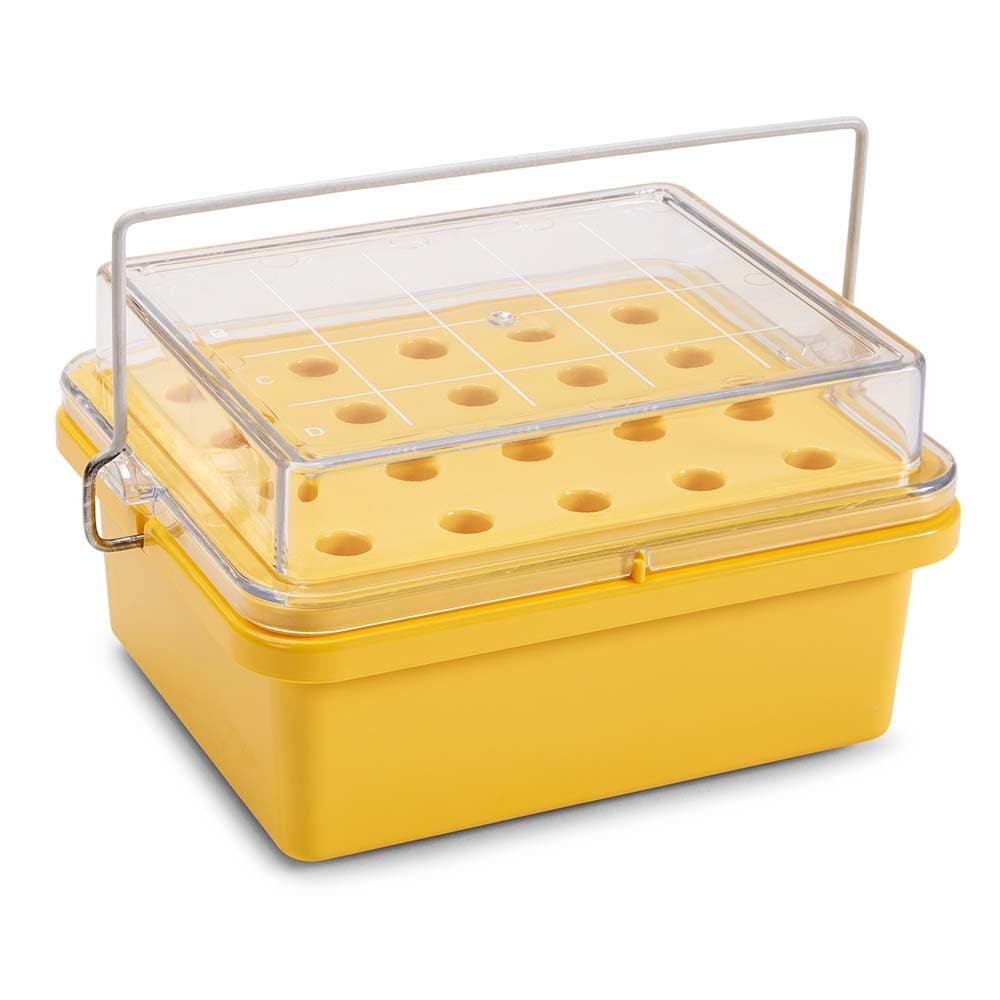
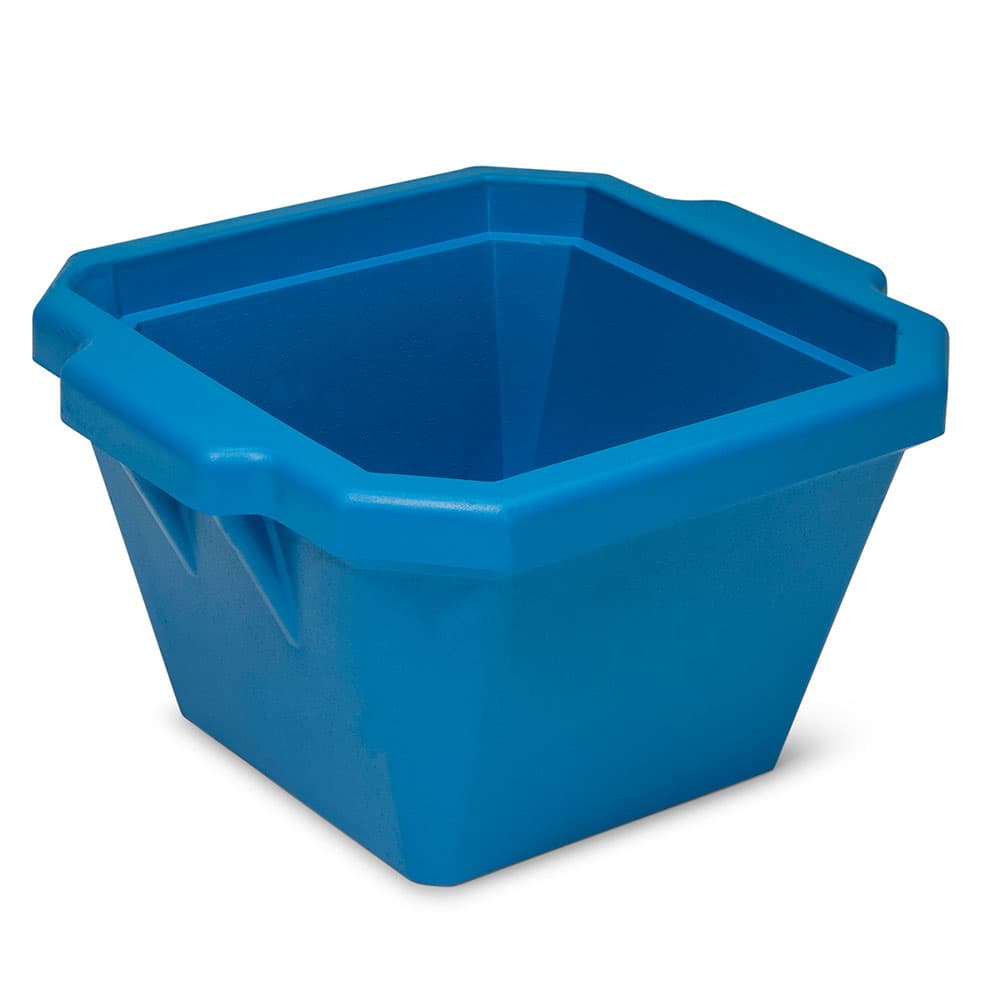
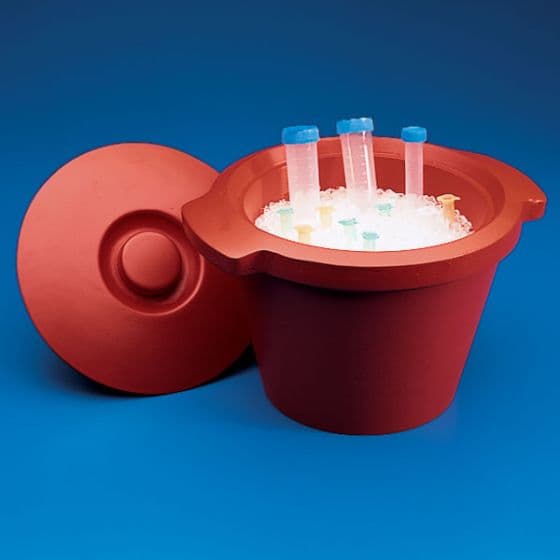

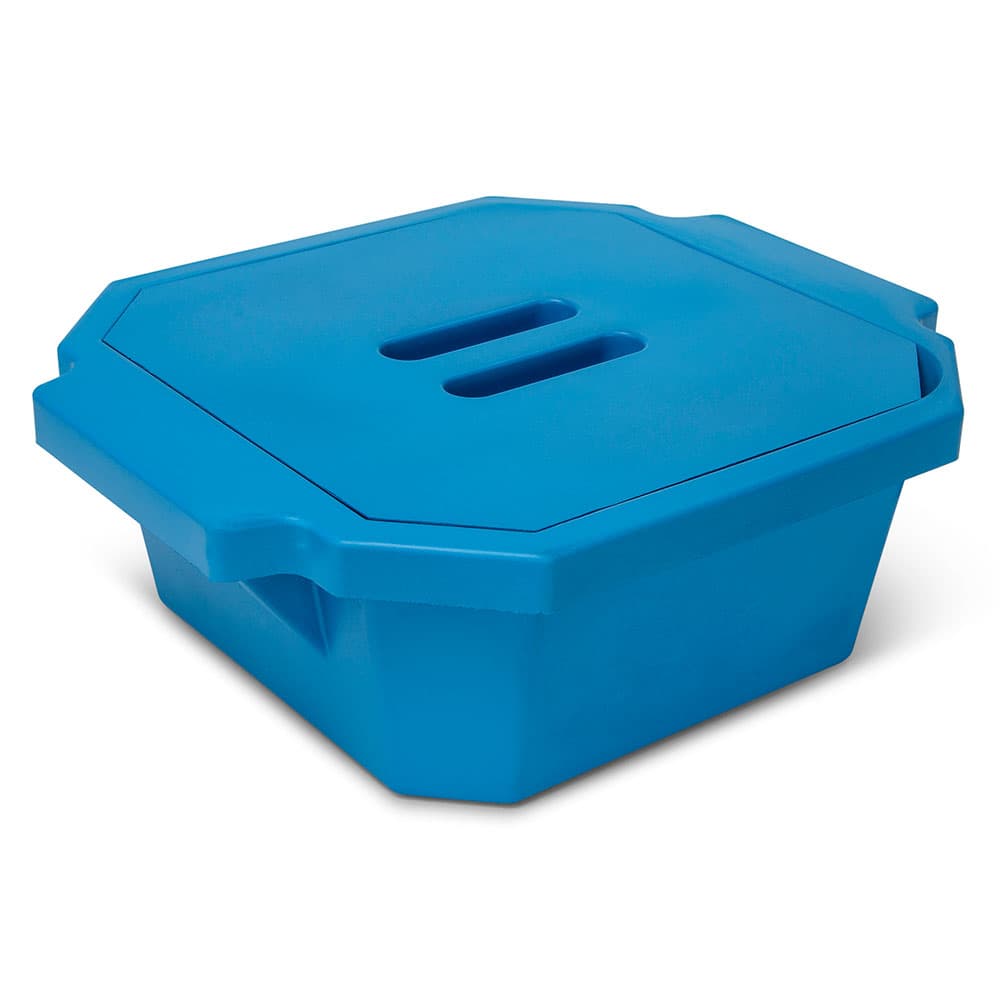
Showing 1 to 9 of 9 results
What Are Cold Storage Coolers and Chillers?
Laboratory cold storage coolers and chillers are bench-top temperature-control systems designed to keep temperature-sensitive reagents, enzymes, antibodies, cells, and biological samples cold during active laboratory work. They maintain low temperatures—typically around 0 °C or below freezing—without requiring ice, electricity (in passive systems), or immediate access to a freezer. These systems are widely used in molecular biology, PCR setup, nucleic acid extraction, enzyme handling, and cell-based assays where maintaining cold-chain conditions during pipetting and multi-step workflows is essential.
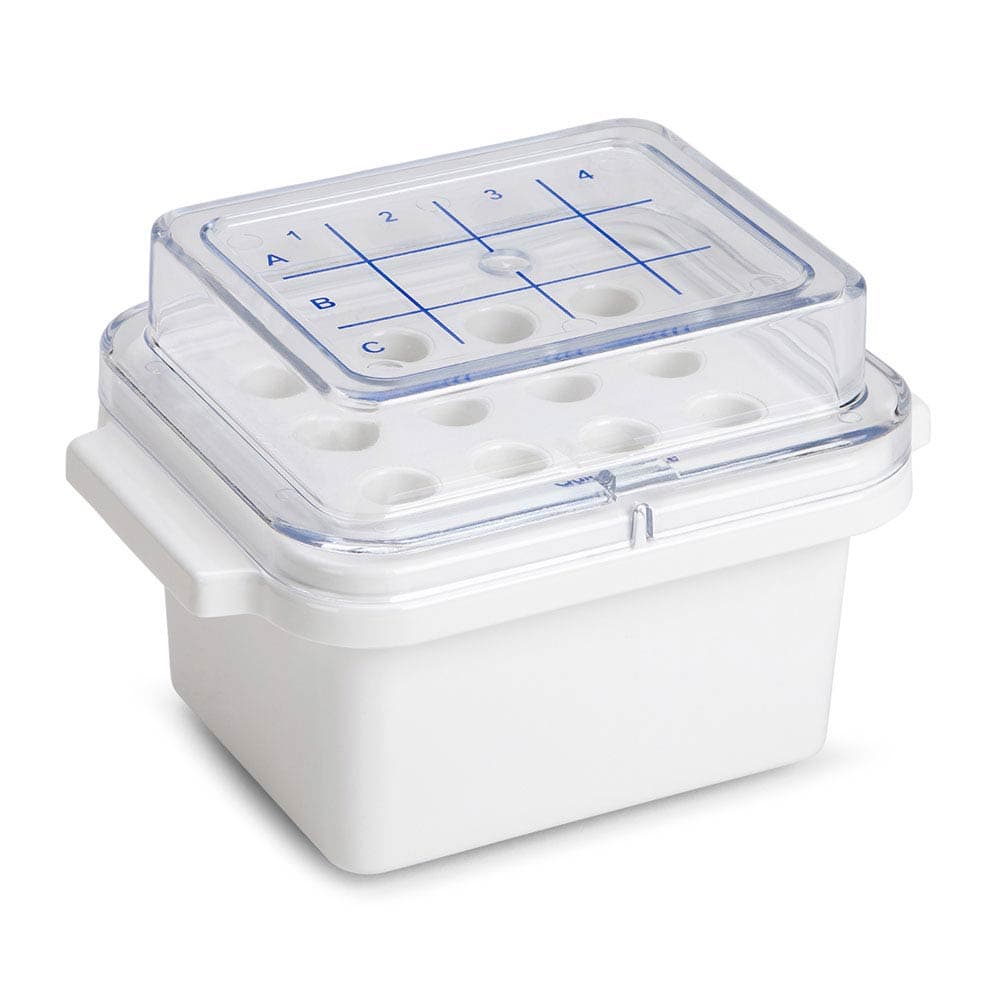
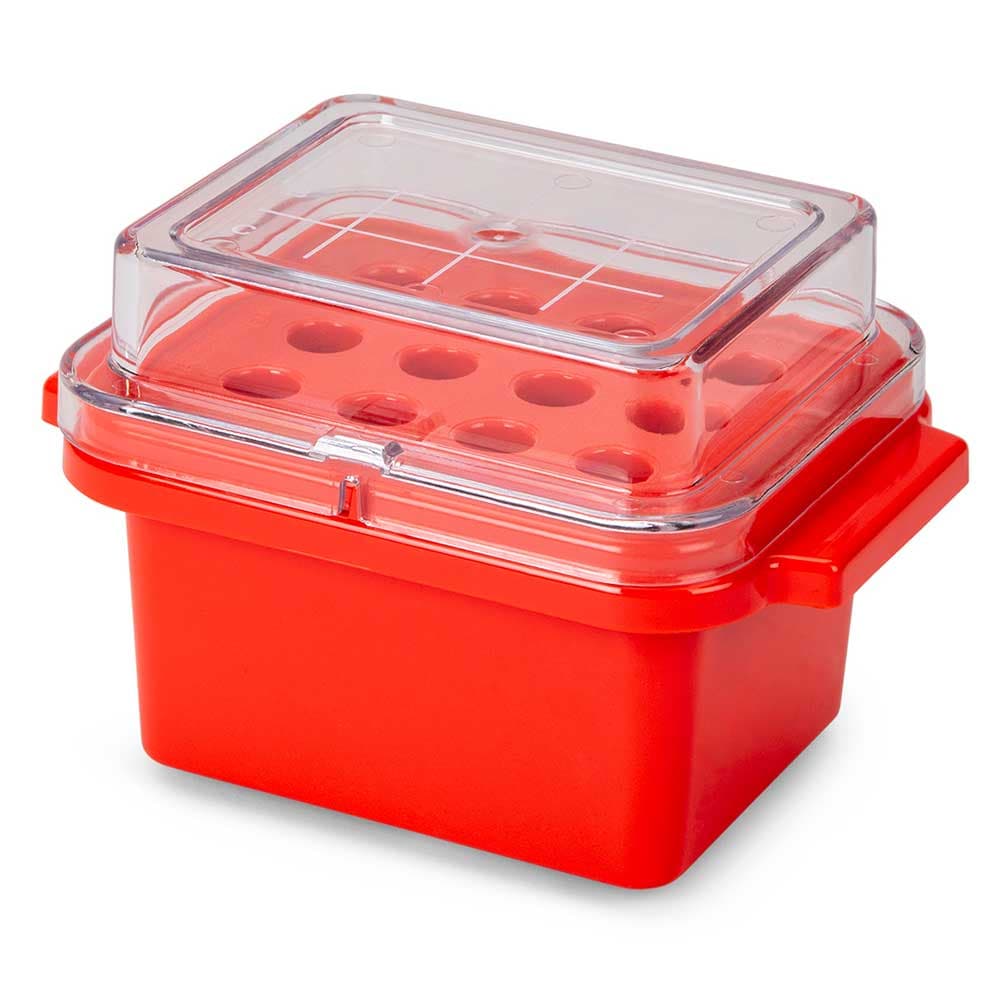
Gel-based benchtop coolers are the most common type. They are pre-frozen at approximately –20 °C and use phase-change materials to maintain samples near 0 °C for several hours, typically up to four hours depending on ambient conditions. This provides a clean, stable, and consistent cooling environment without melting ice or water contamination.
What you will find:
-
Benchtop tube coolers for PCR reagents and enzymes
-
Cryo tube chillers for 0.2 mL to 2.0 mL tubes
-
Insulated transport coolers for sample movement
-
Gel-filled cooling blocks for stable temperature control
-
Mini coolers for short-term cold storage (2–8°C range)
-
Freezer-compatible chillers for sub-zero handling
-
Rack-style coolers for organized tube placement
-
Portable cold boxes for field and clinical use
How to Choose Cold Storage Coolers and Chillers
Tube Format Compatibility
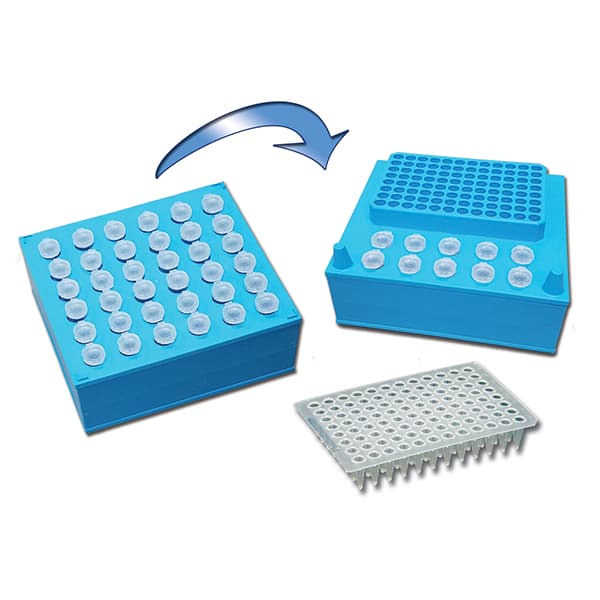
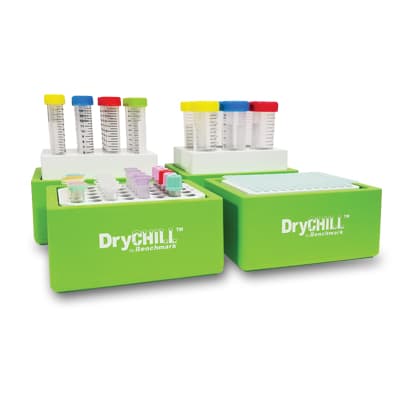
Coolers and chillers are designed around specific laboratory tube formats. Common configurations include holders for 0.2 mL PCR tubes and strips, 1.5/2.0 mL microcentrifuge tubes, 15 mL conical tubes, and 50 mL conical tubes. Some dual-sided designs combine multiple formats in a single unit, allowing simultaneous use for PCR plates on one side and microtubes on the other, improving workflow efficiency and reducing bench clutter.
Temperature Hold and Duration
Passive gel-based coolers maintain approximately 0 °C for several hours after being pre-chilled at –20 °C. Their performance depends on ambient temperature, workload, and sample frequency. Metal cooling blocks pre-chilled at –80 °C can achieve lower temperatures temporarily but warm more quickly. For workflows requiring long-duration or continuously controlled cooling, electrically powered thermoelectric chillers provide stable setpoints over extended periods.
Ice-Free vs Ice-Based Systems
Gel-based coolers eliminate the need for ice entirely, reducing condensation, contamination risk, and constant ice replenishment during experiments. Traditional ice buckets remain a low-cost option but require continuous maintenance and can introduce water exposure risks. Ice-free systems are preferred in workflows where moisture control and consistent temperature stability are critical.
Single-Sided vs Dual-Sided Designs
Single-sided coolers are suitable for workflows using one tube format consistently. Dual-sided coolers accommodate multiple formats—such as PCR plates and microtubes—within a single unit, making them more versatile for complex molecular biology workflows. Selection depends on workspace constraints and experimental diversity.
Dry Ice Compatibility
Some insulated cold storage systems are designed for use with dry ice, maintaining extremely low temperatures around –78 °C. These are used for short-term cryogenic handling, transport, or dispensing workflows where ultra-low temperature maintenance is required without active refrigeration.
Specifications Context
Modern gel-based benchtop coolers are engineered using phase-change materials that stabilize near 0 °C for several hours after being pre-conditioned at –20 °C. Dual-format systems have become increasingly common in molecular biology laboratories because they reduce the number of separate cooling devices required on the bench. As of 2026, these ice-free systems are widely adopted in PCR and nucleic acid workflows due to their consistency, cleanliness, and ease of use compared to traditional ice-based cooling methods.
Connect with the MBP team today to discuss your specific temperature-hold requirements and find the ideal chiller configuration for your laboratory’s daily demands.
FAQ