PCR Plates for High-Throughput Amplification Workflows
PCR plates are 96-well or 384-well thin-wall polypropylene vessels used in high-throughput end-point PCR, qPCR, and genotyping, available in fully-skirted (robot-compatible), semi-skirted (balanced stability), and non-skirted (cycler-universal) formats. Standard-profile 0.2 mL and low-profile 0.1 mL well geometries cover both conventional and fast-block thermal cyclers.
MBP Inc. supplies PCR plates to procurement teams at research institutions, including MD Anderson Cancer Center and Howard Hughes Medical Institute, with Quick Order and PO options for recurring lab supplies across the USA and Canada. Contact customerservice@mbpinc.net to request a quote today!
PCR Plates
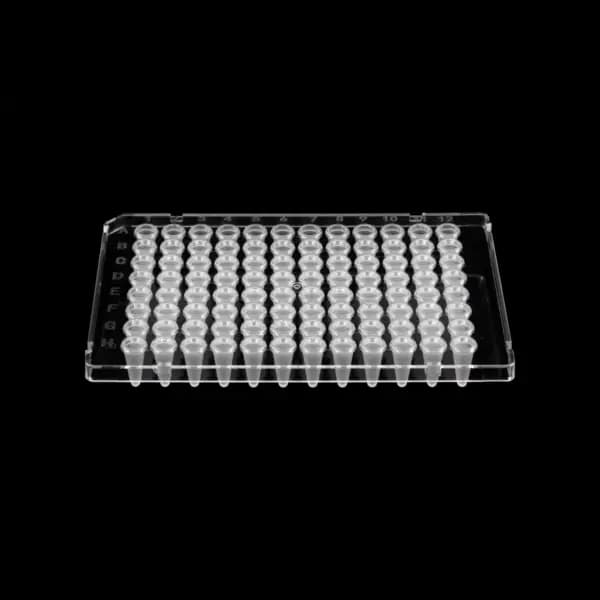
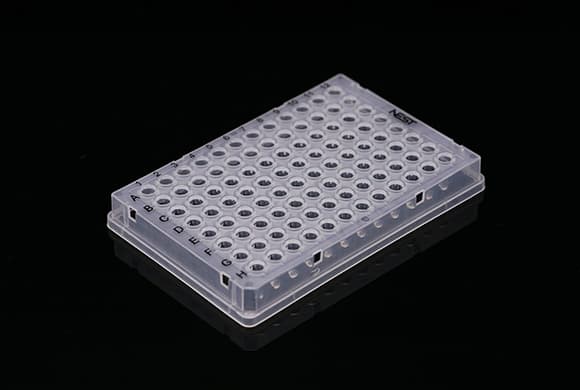
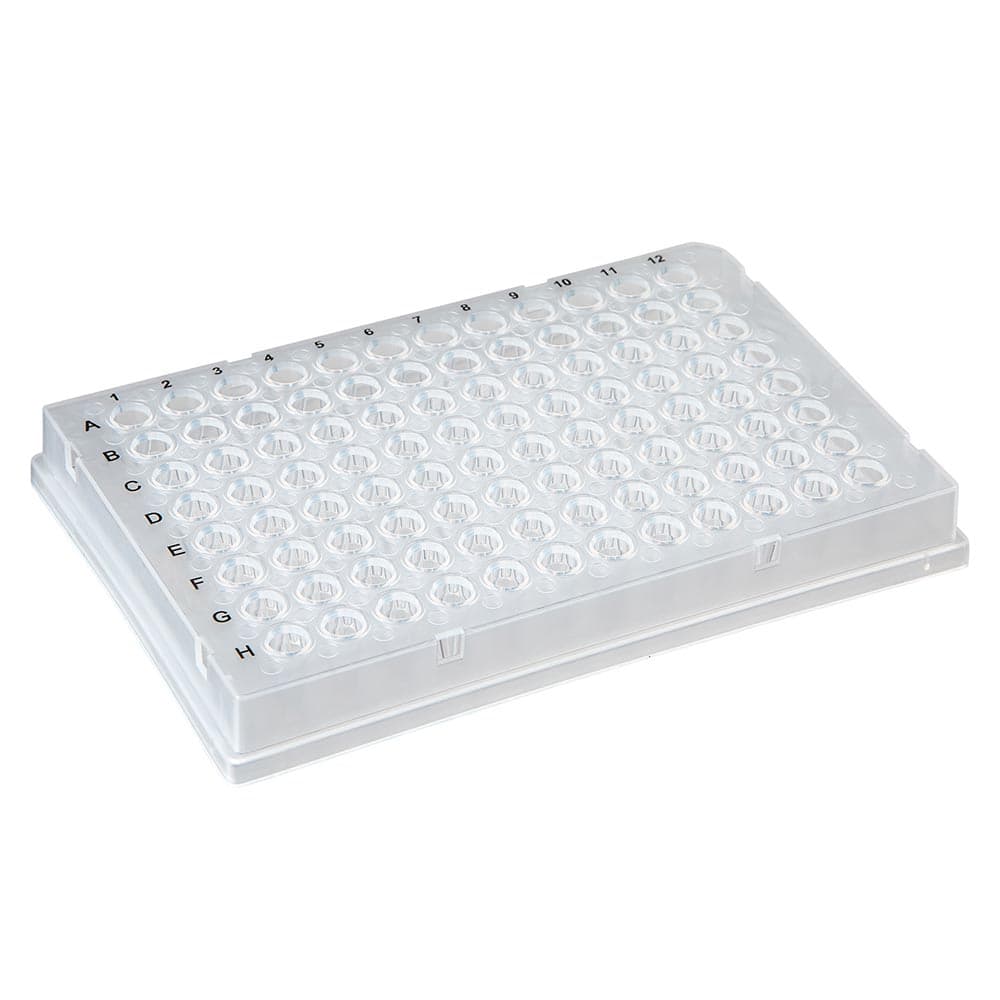
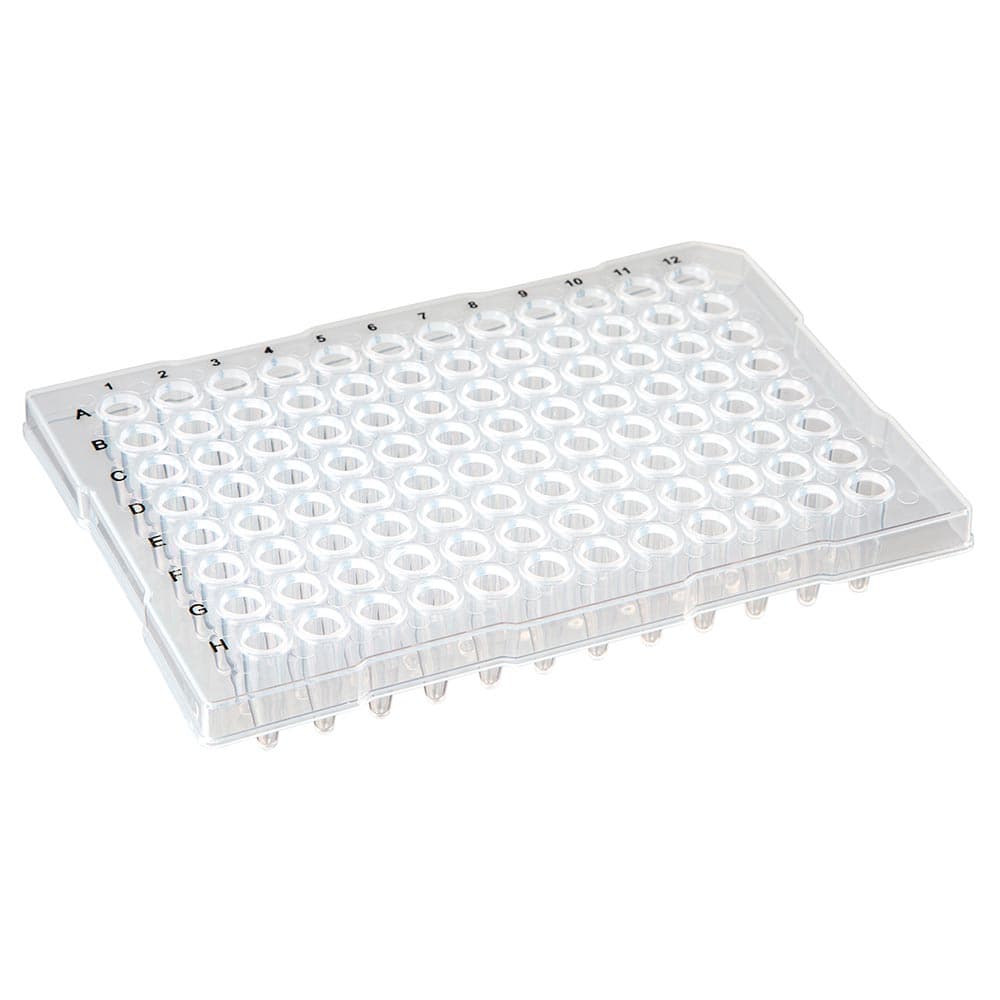
Showing 1 to 12 of 12 results
What Are PCR Plates?
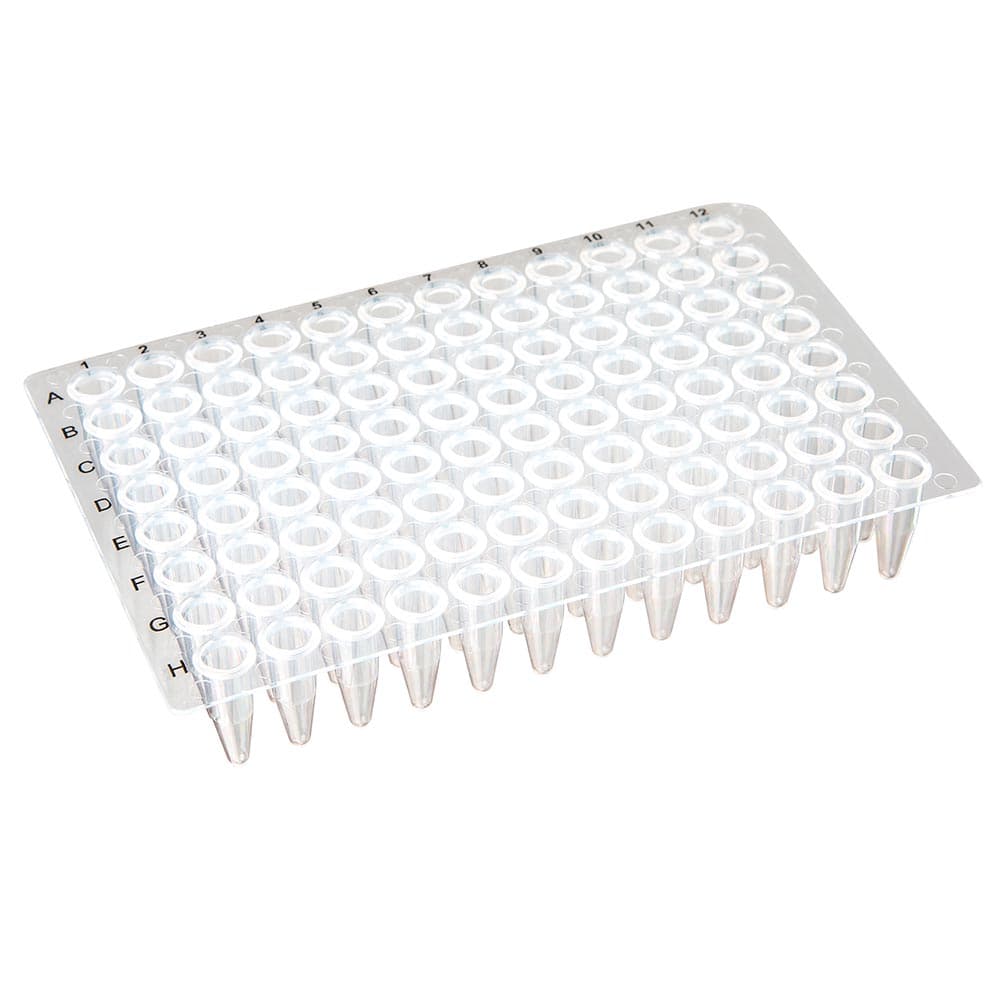
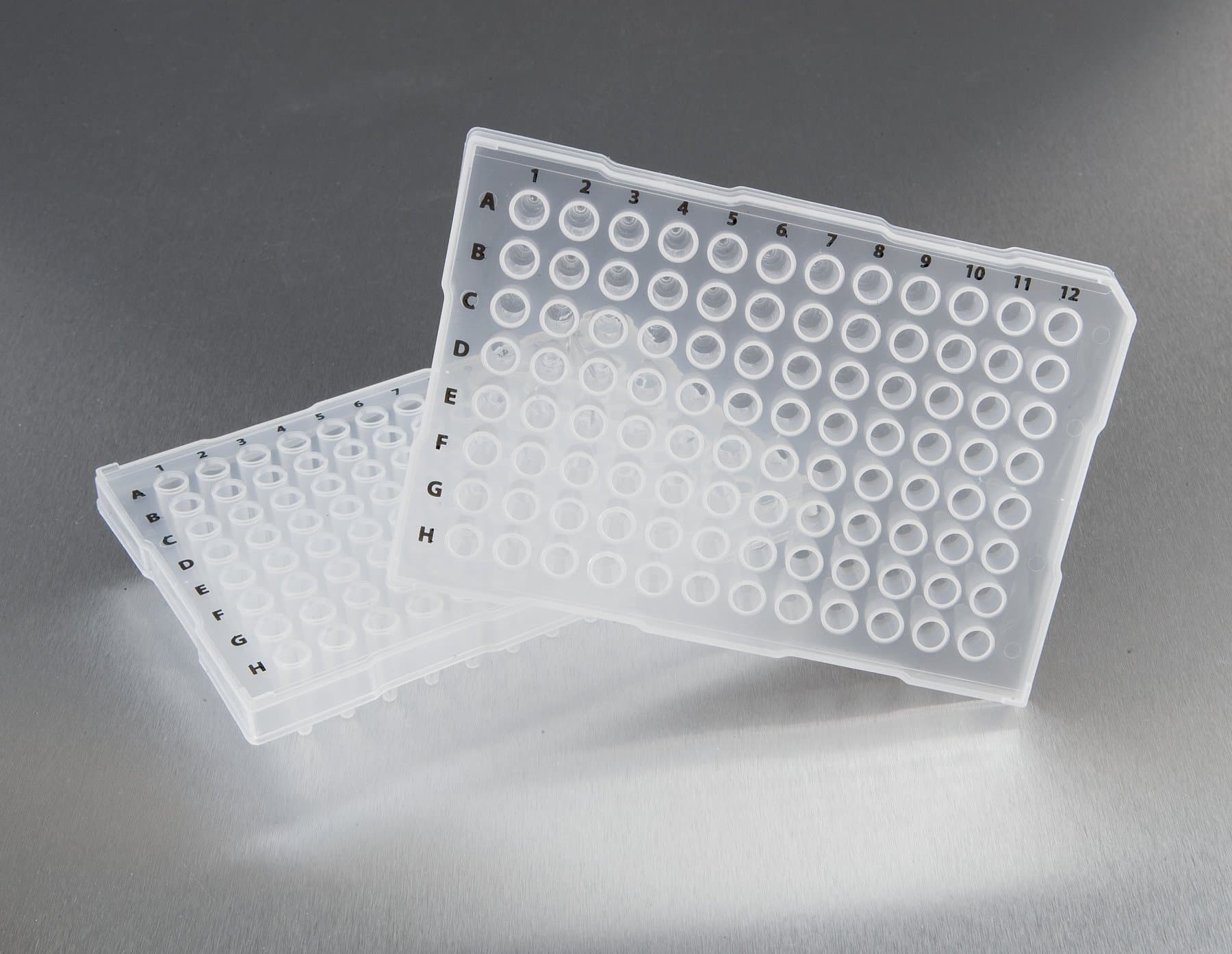
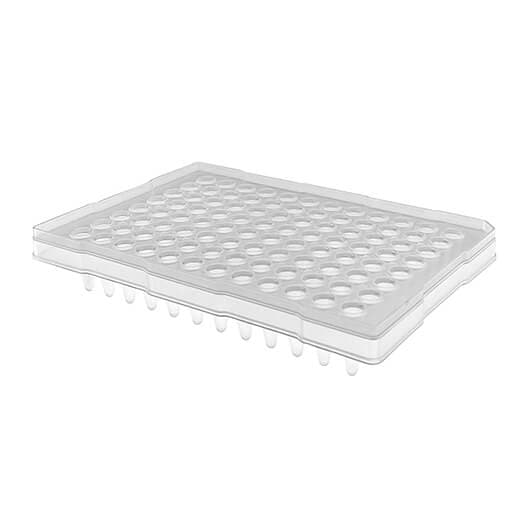
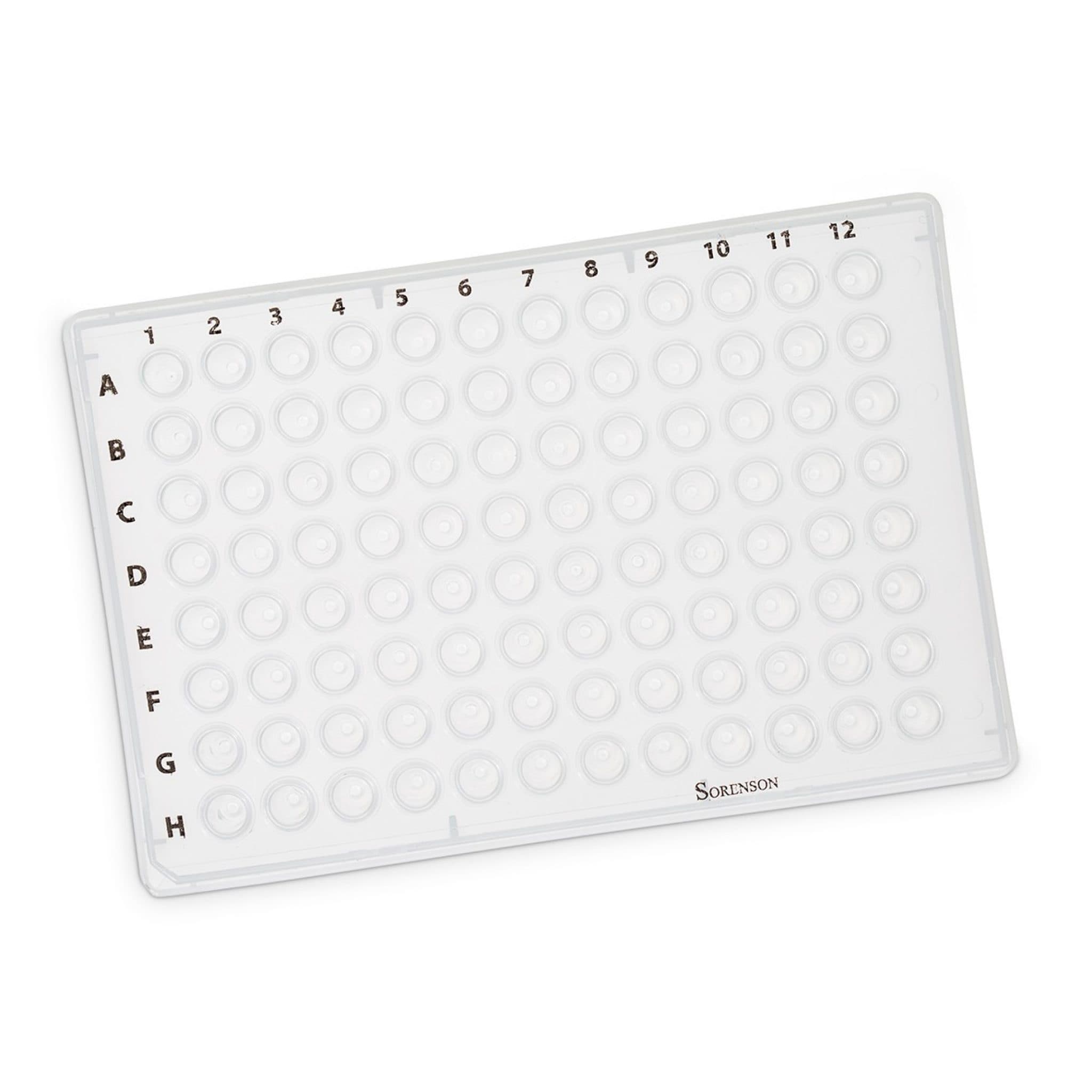
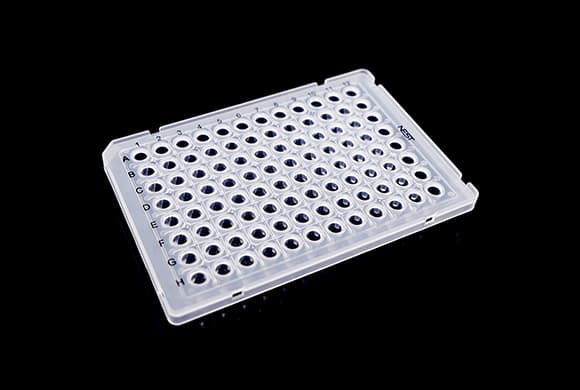
PCR plates are single-use, thin-wall polypropylene multi-well vessels designed for the thermal cycling demands of PCR, qPCR, RT-PCR, and genotyping. The 96-well format (12 columns × 8 rows) is the standard for most research and clinical labs; 384-well plates serve ultra-high-throughput applications. Well volumes are 0.2 mL (standard profile) for conventional block cyclers or 0.1 mL (low profile) for fast-block instruments. The skirt — the rigid plastic border surrounding the well array — determines automation compatibility, cycler lid clearance, and plate rigidity.
What you will find:
- Semi-skirted PCR plates: for a balance of plate rigidity and instrument compatibility.
- Hard shell PCR plates: designed with a reinforced plate structure.
- Skirted PCR plates: featuring a full peripheral skirt for enhanced handling support.
- Non-skirted PCR plates: with a compact design for applications requiring minimal plate footprint.
How to Choose PCR Plates
Skirt Format
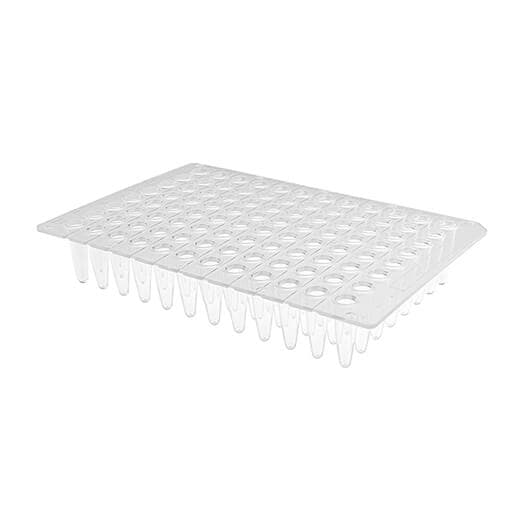
Fully-skirted plates have a full-height ANSI/SBS-compliant border (127.76 × 85.47 mm footprint) and are required for robotic liquid handlers (Hamilton STAR, Tecan EVO, PerkinElmer JANUS) and automated stackers. Semi-skirted plates have a partial skirt providing enough rigidity for multichannel pipetting while maintaining thermal cycler block compatibility across a wider range of instruments. Non-skirted plates have no border and fit virtually any cycler block, including instruments whose compression lids would be obstructed by a full skirt.
Well Profile: Standard vs Low-Profile
Standard-profile 0.2 mL wells are used with conventional (tall) block cyclers. Low-profile 0.1 mL wells are required for fast-block instruments, including the Applied Biosystems QuantStudio, Bio-Rad CFX96 Fast, and Roche LightCycler 480, where the reduced well depth shortens the thermal path to the sample.
Colour: Clear, White, or Black
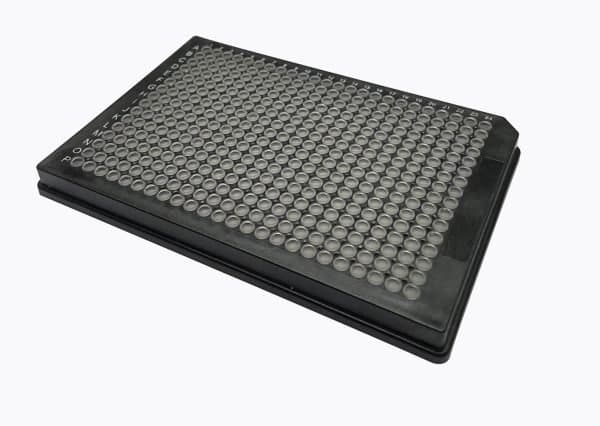
Clear plates allow visual inspection of well volumes and are the default for end-point PCR. White plates increase qPCR sensitivity in bottom-read optical systems by reflecting fluorescence emission back through the detector. Black plates reduce background fluorescence in probe-based assays where cross-well optical interference is a concern.
Sealing Compatibility
Skirted and semi-skirted plates seal reliably with adhesive films and heat sealers; the rigid skirt supports even film application and reduces edge-well evaporation. Non-skirted plates require cap mats or adhesive seals that adhere directly to the well rim.
Specifications Context
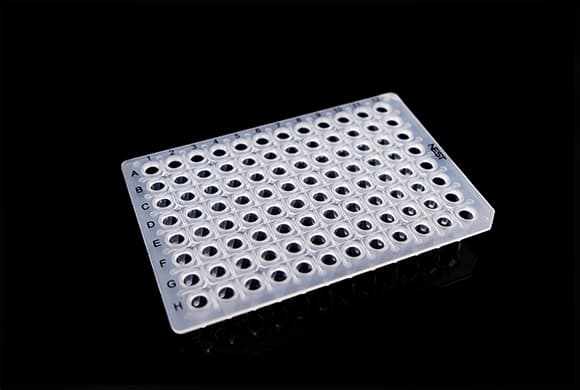
PCR plates are moulded from virgin, low-extractable medical-grade polypropylene; well walls are uniformly thin (typically 0.25–0.35 mm) to maximise thermal conductivity. ANSI/SBS footprint standard (127.76 × 85.47 mm) applies to skirted plates for instrument interoperability. Plates are certified DNase-free, RNase-free, human DNA-free, and PCR inhibitor-free per lot. Cut corners (typically at H1/A12 position) and alpha-numeric well labelling aid plate orientation.Thermo Fisher SuperPlate skirted formats are the leading references for robotic applications; semi-skirted plates from Sorenson and equivalent lines serve the broad research market.
Connect with the MBP team today to request a quote and find the perfect PCR plate configuration for your lab's specific needs.
FAQ