Histology Consumables for Tissue Processing and Microscopy
Histology consumables are single-use laboratory supplies used to collect, fix, process, embed, and section biological tissue specimens for microscopic examination. Products include tissue cassettes, biopsy cassettes, and formaldehyde exposure controls. MBP supplies histology labs across the United States, Canada, and internationally, with a US office in Houston, Texas and direct support for procurement teams at academic medical centers and research institutions.
Need help selecting the right histology consumables for your laboratory? — Contact our team at customerservice@mbpinc.net for product recommendations, bulk pricing, and purchasing assistance.
Histology

Showing 1 to 10 of 10 results
What Are Histology Consumables?
Histology consumables are the products used throughout the tissue processing workflow, from specimen collection and fixation to embedding, sectioning, and slide preparation. These products help ensure proper tissue handling, processing efficiency, specimen identification, and laboratory safety.
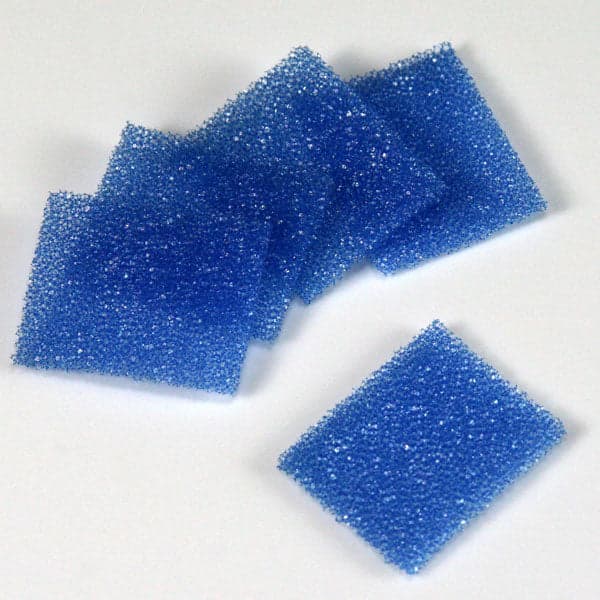
Common histology consumables include tissue cassettes, biopsy cassettes, embedding accessories, and formaldehyde monitoring products. These items are routinely used in histology laboratories, pathology departments, research facilities, hospitals, and diagnostic laboratories.
Choose tissue cassettes based on specimen size and processing requirements, and use formaldehyde monitoring products wherever formalin is routinely handled.
What you will find:
-
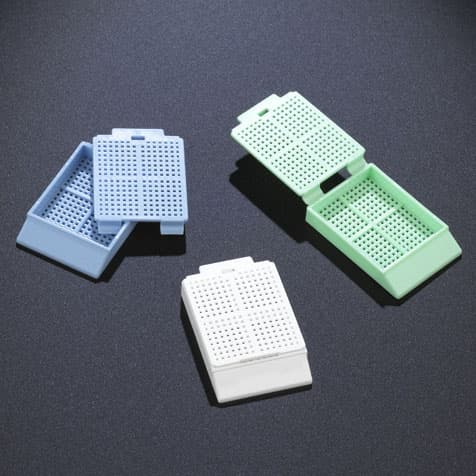
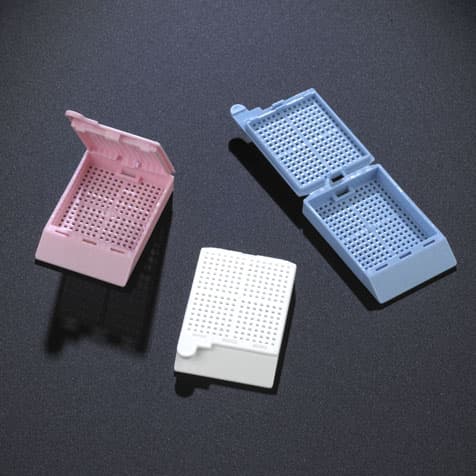
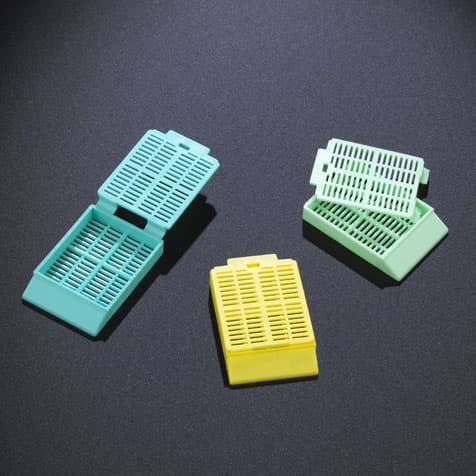
Cassettes: Engineered for secure tissue embedding and organized processing.
-
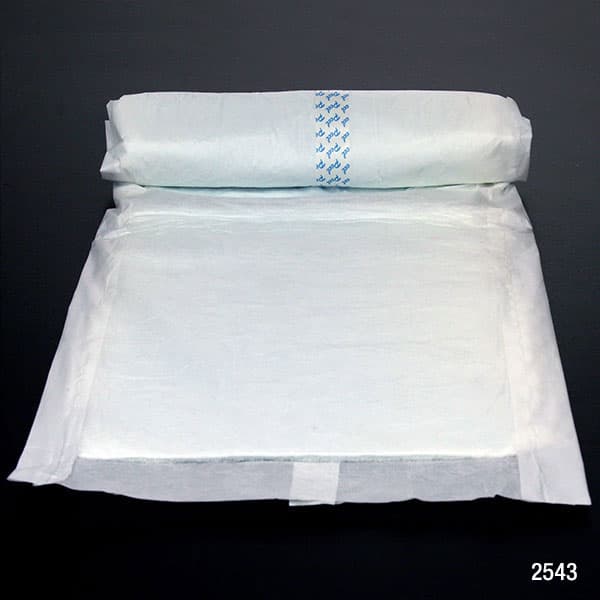
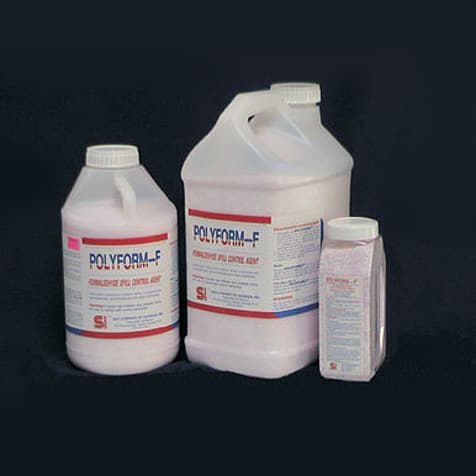
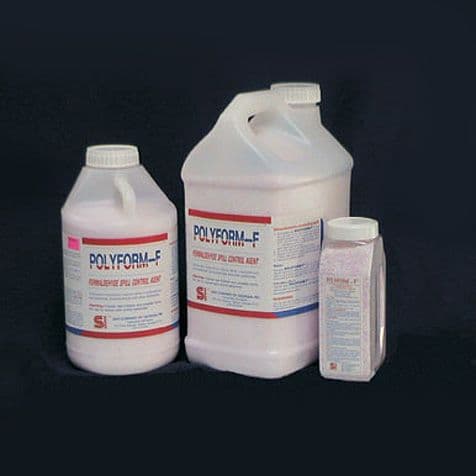
Formaldehyde Control: Advanced solutions to ensure safety and chemical stability.
How to Choose Histology Consumables
Specimen Size and Cassette Selection
Standard tissue cassettes are commonly used for larger tissue specimens, surgical resections, and routine biopsy samples. Their slot design allows efficient reagent penetration during tissue processing.
Biopsy cassettes feature finer mesh openings that help retain small tissue fragments, needle-core biopsies, and endoscopic specimens throughout processing. These are especially useful when working with delicate or very small samples that could be lost through standard cassette openings.
Mesh Design and Reagent Flow
Cassette opening size affects both specimen retention and fluid exchange. Standard tissue cassettes provide faster reagent penetration and drainage, making them suitable for larger specimens.
Fine-mesh biopsy cassettes offer greater specimen security while still allowing processing reagents to circulate through the cassette. They are commonly used when handling small tissue fragments that require additional containment.
Equipment Compatibility
Many histology cassettes are designed for compatibility with commonly used tissue processors, embedding systems, and cassette printers. Before purchasing, laboratories should verify compatibility with their existing equipment, particularly cassette labeling systems and automated processors.
Formaldehyde Monitoring
Laboratories that routinely use formalin should implement appropriate formaldehyde exposure monitoring programs. Monitoring products help assess workplace exposure levels and support laboratory safety programs where formaldehyde-containing solutions are handled during specimen fixation and processing.
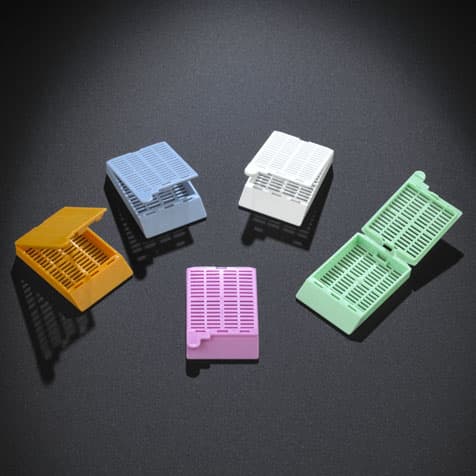
Color-Coded Organization
Color-coded cassettes help improve specimen identification and workflow organization. Different colors can be used to distinguish departments, specimen types, processing groups, or laboratory protocols, reducing the potential for handling errors in high-volume environments.
Specifications Context
Histology cassettes are commonly manufactured from acetal polymer (POM), a material selected for its resistance to chemicals frequently used during tissue processing, including formalin, alcohols, xylene substitutes, and decalcifying solutions.
Standard cassette dimensions are typically designed to fit commonly used tissue processor baskets, embedding molds, and storage systems. Various color options are available to support specimen identification and workflow organization.
Formaldehyde monitoring products are designed to support occupational safety programs in histology and pathology laboratories where formalin exposure monitoring is required or recommended.
MBP supplies histology consumables for pathology laboratories, hospitals, academic research institutions, and diagnostic facilities. Product availability, packaging options, and compatibility may vary depending on the specific application and laboratory workflow requirements.
Request a custom quote from MBP to lock in professional-grade reliability today.
FAQ