Buy Centrifuge Tubes Online | 0.5 mL to 50 mL Laboratory Centrifuge Tubes
Centrifuge tubes are polypropylene or polystyrene vessels designed to hold biological and chemical samples during centrifugation, available from 0.5 mL microtubes up to 50 mL conical tubes. MBP stocks Globe Scientific and Nest Scientific centrifuge tubes in bulk case quantities, shipping from the US to research and clinical labs across North America and worldwide.
Lab managers can place orders by PO or contact cutomerservice@mbpinc.net for direct support from our team.
Centrifuge Tubes
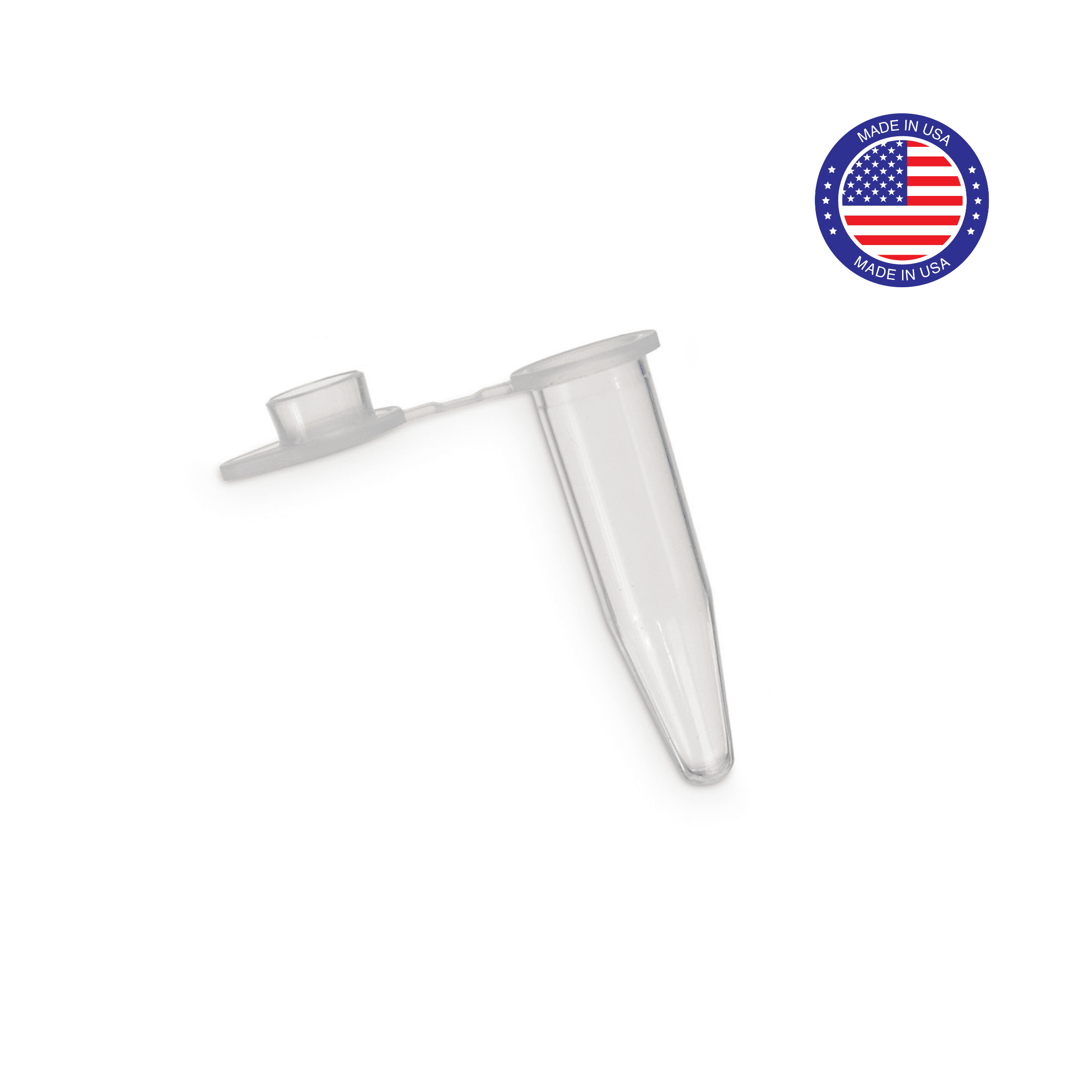
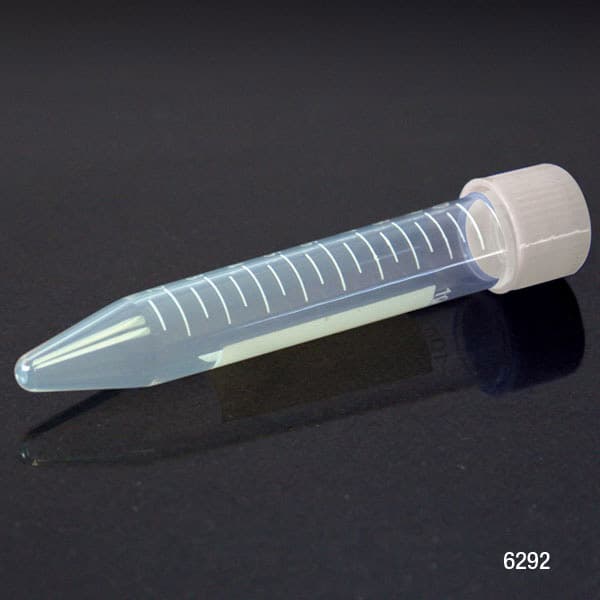
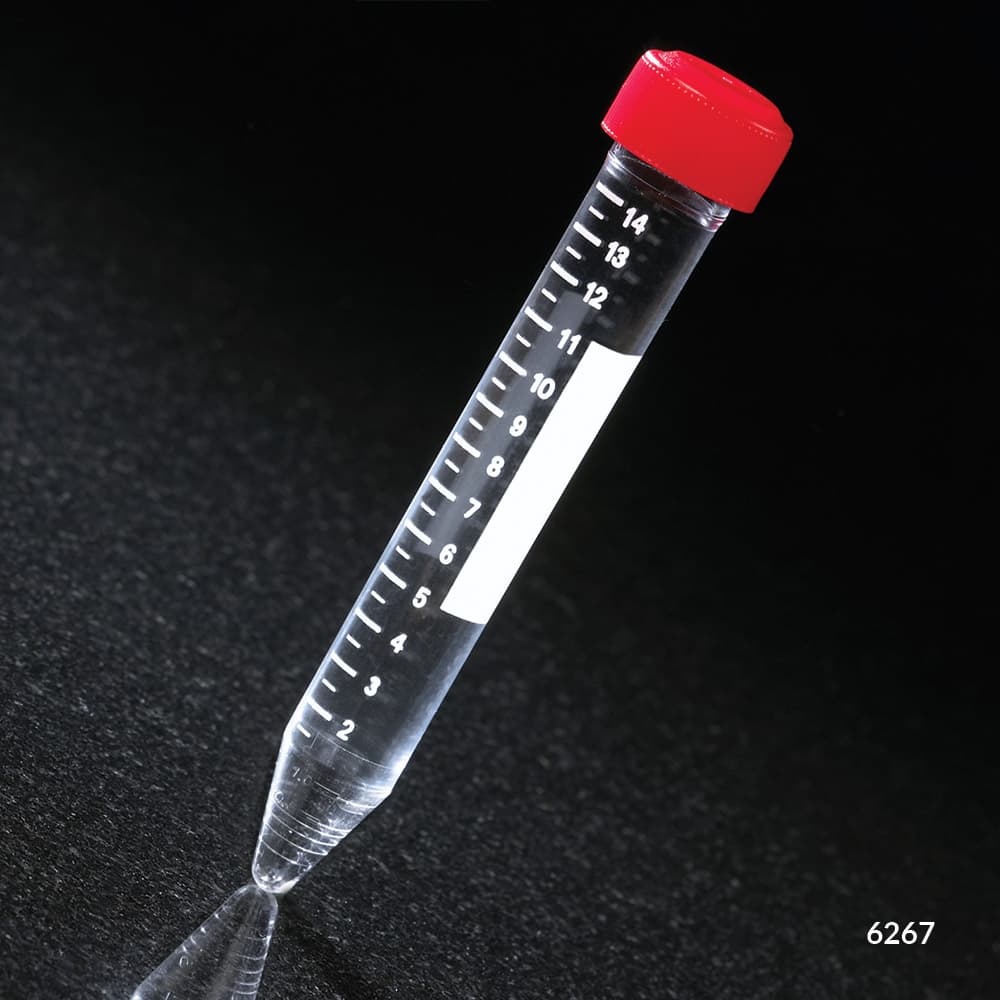
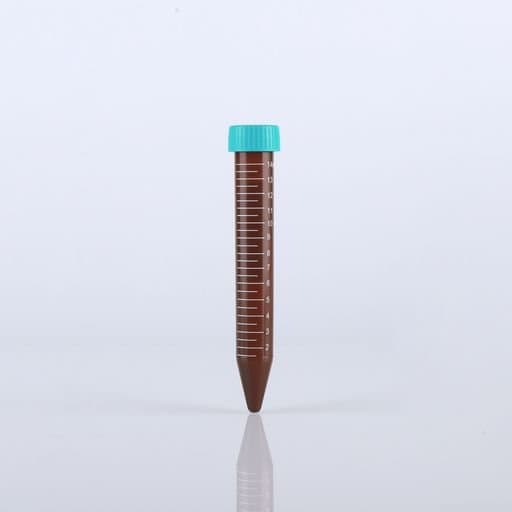


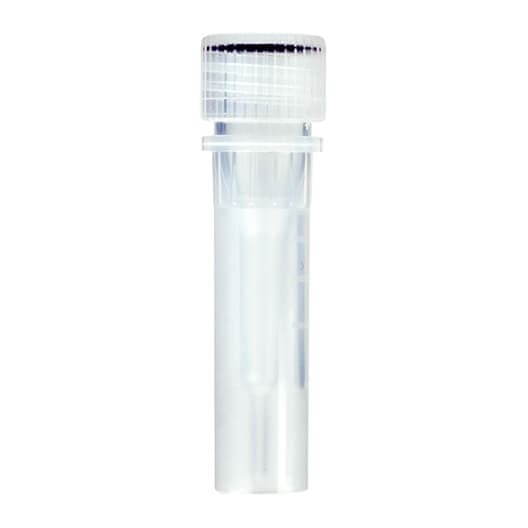
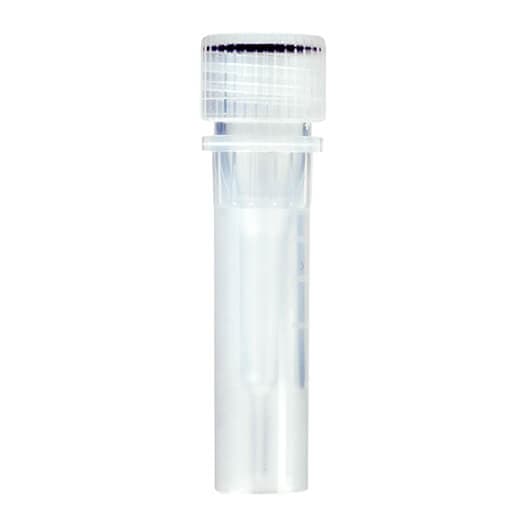
Showing 1 to 12 of 60 results
What Are Centrifuge Tubes?
Centrifuge tubes are cylindrical laboratory containers with caps that are used to separate, pellet, and store biological or chemical samples through centrifugal force. They are commonly made from polypropylene (PP) or polystyrene (PS) and are available in sizes ranging from small 0.5 mL microtubes to larger 50 mL conical tubes. These tubes are widely used for cell pelleting, protein precipitation, DNA and RNA extraction, tissue homogenate clarification, and long-term sample storage. Depending on the material, they can withstand temperatures from −80 °C to +121 °C.
In short, the best centrifuge tube depends on your centrifuge rotor, required g-force, sample volume, and sterility needs.
What You Will Find:
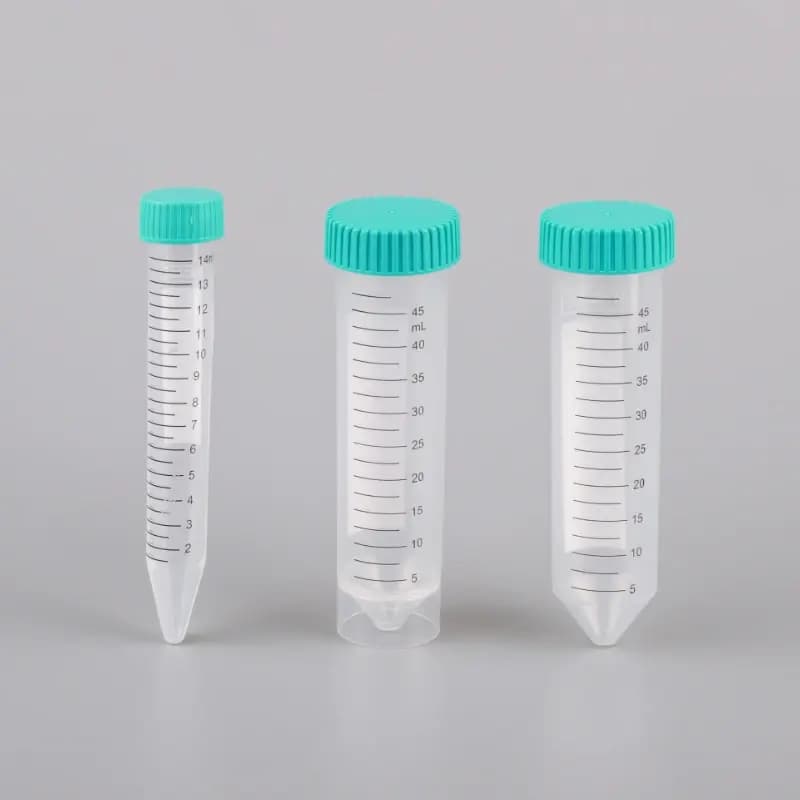
- All Centrifuge Tubes: Comprehensive selection of 15 mL and 50 mL conical tubes with clear graduations for daily lab workflows.
- Oak Ridge Style Centrifuge Tubes: High-speed, chemical-resistant tubes designed to withstand extreme RCF without deformation.
- Centrifuge Bottles: Heavy-duty, larger-capacity vessels engineered for bulk sample processing and high-velocity runs.
- Large Volume Centrifuge Tubes: Industrial-strength 250 mL and 500 mL tubes optimized for pilot-scale harvesting and bioprocessing.
How to Choose Centrifuge Tubes
Volume and Rotor Compatibility
Select a tube size that matches both your sample volume and centrifuge rotor. Microtubes ranging from 0.5–2 mL are commonly used in microcentrifuges and can typically handle speeds up to 20,000 × g. Midi tubes in the 5–10 mL range are suitable for intermediate sample volumes, while 15 mL and 50 mL conical tubes are commonly used in clinical, research, and preparative centrifuges.
Material: Polypropylene vs. Polystyrene
Polypropylene (PP) tubes offer excellent chemical resistance and can tolerate temperatures from −80 °C to +121 °C. They are suitable for autoclaving and exposure to many laboratory solvents. Polystyrene (PS) tubes provide superior optical clarity, making it easier to visually inspect samples and liquid levels, but they have lower resistance to solvents and extreme temperatures.
Sterility and Contamination Control
Sterile centrifuge tubes are typically gamma- or E-beam-irradiated and certified free of RNase, DNase, and pyrogens. These tubes are recommended for RNA extraction, cell culture, and clinical applications where contamination must be minimized. Non-sterile tubes may still be RNase- and DNase-free and are often suitable for routine DNA work and general sample storage.
Cap Design
Attached screw caps help prevent cap mix-ups and sample contamination, especially in high-throughput laboratories. Separate caps can be quicker to open and may be preferred in workflows that require frequent access to samples. If tubes will be used with automated systems, cap dimensions should be verified for compatibility with liquid handling equipment.
Packaging Options
Racked tubes provide convenient organization and allow direct pipetting while the tubes remain in the rack. Bulk-bagged tubes offer a more economical option for laboratories that process large volumes of samples and already have tube storage systems in place.
Comparing Common Centrifuge Tube Types
Microtubes (0.5–2 mL) are ideal for PCR preparation, microcentrifuge applications, and storage of small sample volumes. They can generally withstand centrifugal forces up to 20,000 × g.
Midi tubes (5–10 mL) are designed for intermediate sample volumes such as culture supernatants and can typically tolerate forces up to 16,000 × g.
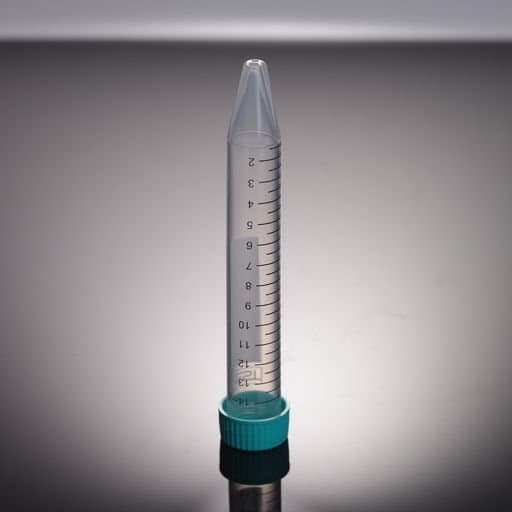
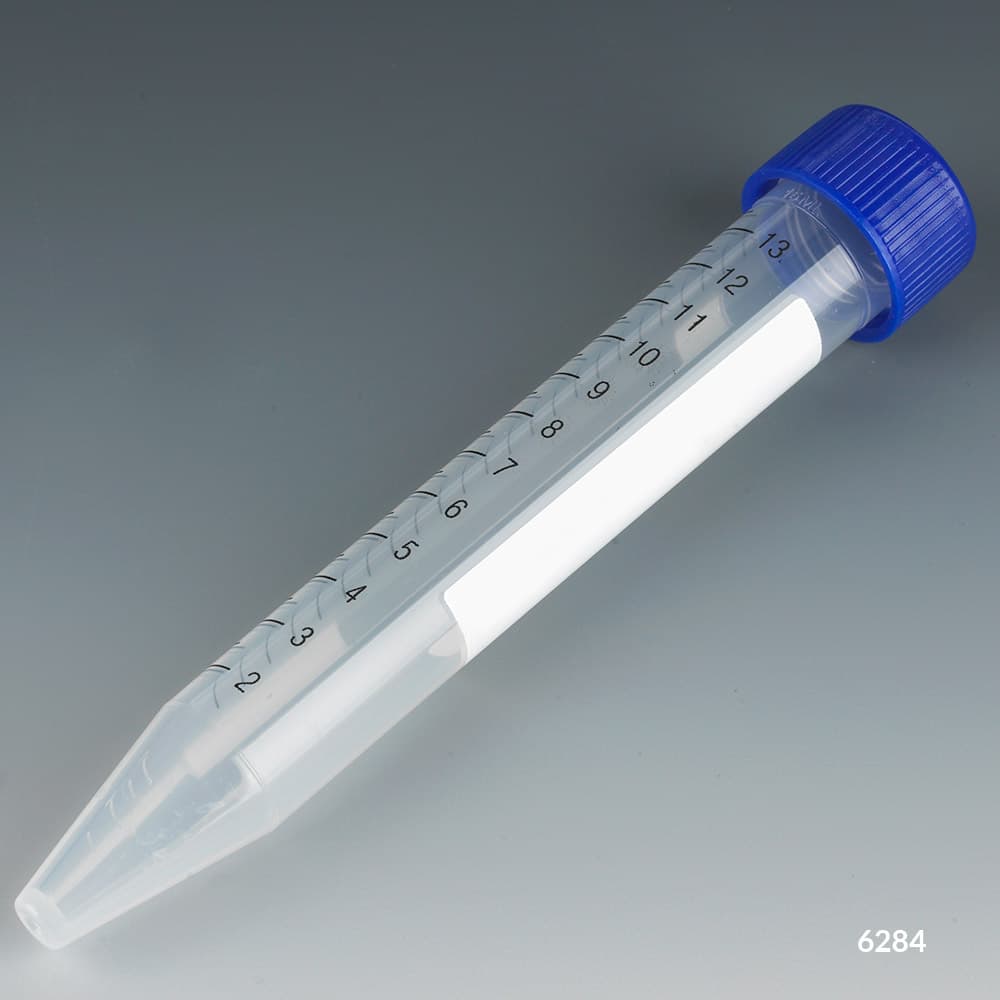
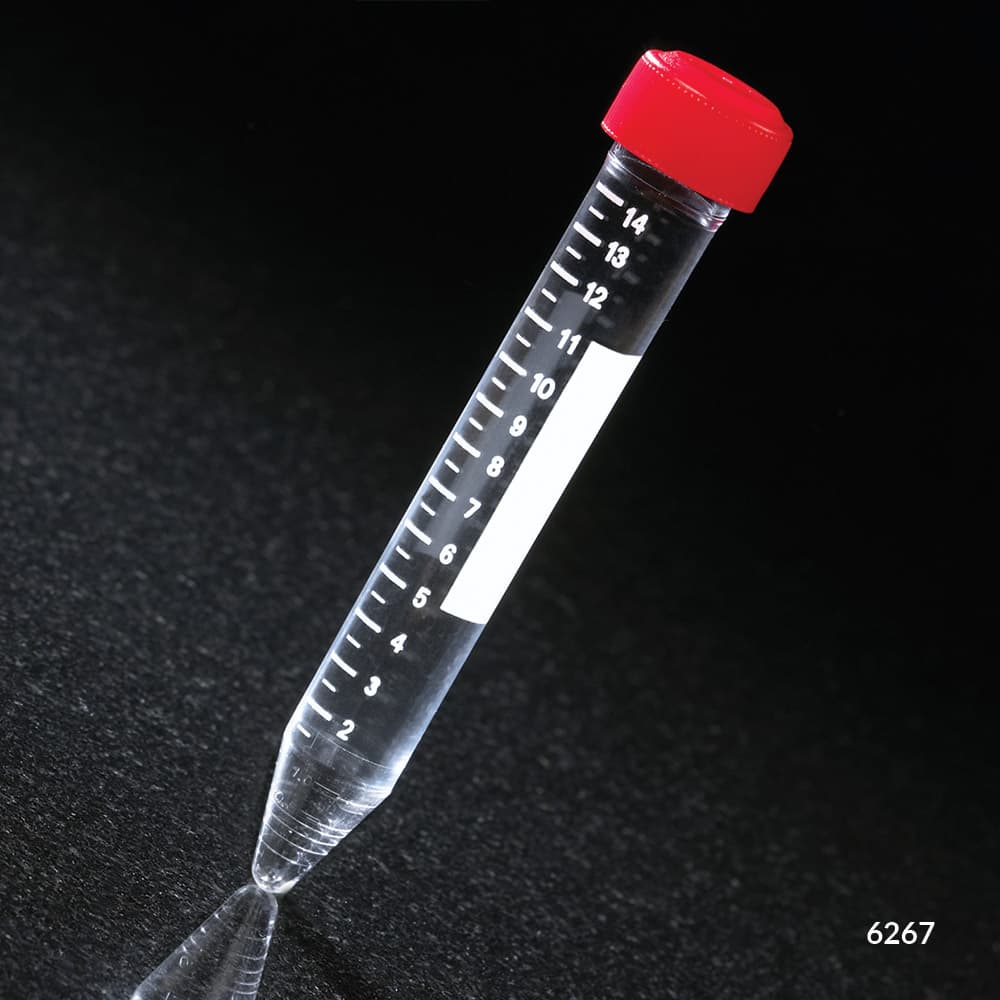
Sterile 15 mL conical tubes are frequently used for cell pelleting, RNA extraction, and clinical sample processing, with typical ratings between 12,000 and 15,000 × g.
Sterile 50 mL conical tubes are commonly selected for larger-volume applications including tissue culture work, density gradient preparation, and large-scale sample processing.
Polystyrene conical tubes in 15 mL and 50 mL formats are often chosen when visual sample inspection is important and solvent exposure is minimal.
Specifications and Features
Polypropylene centrifuge tubes from Globe Scientific and Nest Scientific are manufactured from USP Class VI virgin resin and do not contain plasticizers or processing additives. Sterile products are typically irradiated to achieve a sterility assurance level (SAL) of 10⁻⁶. Most 15 mL tubes feature graduation marks at 1 mL intervals, while 50 mL tubes are usually graduated every 5 mL. MBP offers both bagged and racked centrifuge tube formats, including 15 mL and 50 mL conical tubes as well as smaller microtube and midi tube options.
MBP supports procurement departments by accepting purchase orders and offering institutional pricing for qualified high-volume customers. Contact the MBP team today for a customized quote.
FAQ