Centrifuge Bottles for Large-Scale Cell Harvesting and Protein Purification
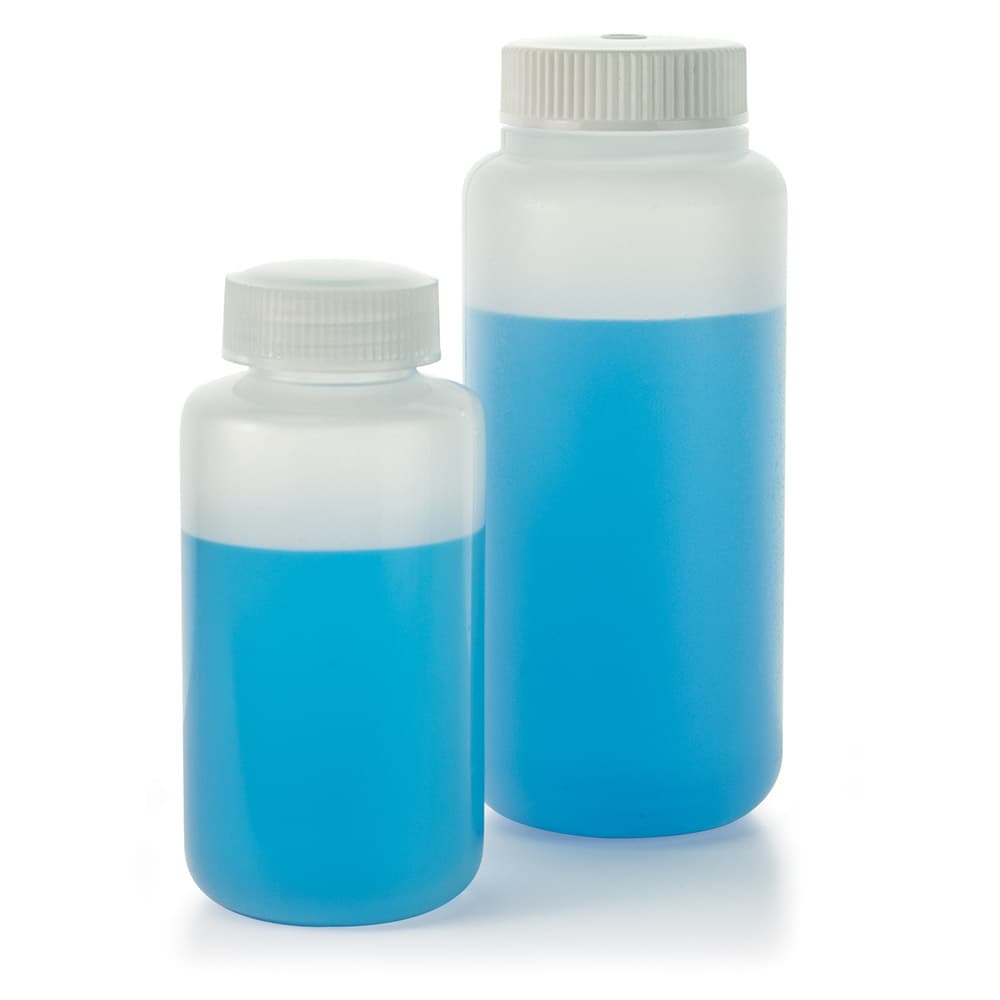
Centrifuge bottles are polypropylene copolymer (PPCO) or polypropylene (PP) large-volume vessels designed for low- to moderate-speed centrifugation at up to 27,500 × g, used for large-scale cell harvesting, protein purification, and bulk precipitation in 250 mL to 1,000 mL formats. MBP stocks centrifuge bottles autoclavable, chemically resistant, and translucent for sample monitoring, in configurations compatible with Thermo Fisher Fiberlite and Sorvall swing-bucket rotors, shipping to US, Canadian, and international labs.
Need help selecting the right centrifuge bottles for your laboratory workflow? — Contact our team at customerservice@mbpinc.net for product recommendations, bulk pricing, and purchasing assistance.
Centrifuge Bottles
Showing 1 to 1 of 1 results
What Are Centrifuge Bottles?
Centrifuge bottles are large-volume vessels made from polypropylene copolymer (PPCO) or polypropylene (PP), designed for low- to moderate-speed centrifugation of biological and chemical samples. Available in volumes ranging from 250 mL to 1,000 mL, these bottles feature a bottle-shaped body with either a flat or rounded bottom and are designed to fit swing-bucket and fixed-angle rotors used in preparative centrifuges and floor-standing centrifuge systems.
They are commonly used for large-scale mammalian cell culture harvesting, ammonium sulfate protein precipitation, bacterial cell pelleting, density-gradient separations, and biopharmaceutical process clarification where standard centrifuge tubes do not provide sufficient capacity.
Use centrifuge bottles when processing volumes exceed 250 mL per run and your centrifuge rotor is designed for bottle-format vessels. Always verify fill requirements and rotor compatibility before use.
In this section:
250mL Centrifuge Bottles – The perfect "middle-weight" option for pilot-scale prep and mid-range harvesting.
500mL Centrifuge Bottles – Our high-capacity workhorses for bulk concentration and large-scale cell separations.
How to Choose Centrifuge Bottles
Material: PPCO vs PP
Polypropylene copolymer (PPCO) centrifuge bottles offer enhanced flexibility and impact resistance compared to standard polypropylene. This helps reduce the risk of cracking during repeated autoclaving cycles or accidental handling impacts. PPCO bottles are translucent, allowing users to visually monitor samples without removing bottles from the rotor.
Standard polypropylene bottles provide similar chemical resistance but are generally more rigid. Selection should be based on the application's mechanical and chemical requirements.
Volume Selection: 250 mL, 500 mL, and 1,000 mL
250 mL centrifuge bottles are typically used for process volumes between 200 and 225 mL and are suitable for medium-scale laboratory workflows.
500 mL centrifuge bottles accommodate process volumes of approximately 400–450 mL and are commonly used for larger culture harvests and clarification procedures.
1,000 mL centrifuge bottles are designed for high-volume applications including bacterial fermentation harvesting, large-scale density-gradient preparation, and manufacturing-scale clarification processes. Because of their larger size, these bottles generally have lower maximum centrifugal force ratings than smaller formats.
Cap Type: Standard Screw Cap vs Sealing Cap
Standard polypropylene screw caps provide reliable leak protection during routine centrifugation and storage applications.
Sealing cap assemblies incorporate additional gasket-based sealing systems that improve containment during higher-speed centrifugation and when handling biohazardous materials. These sealing systems are commonly used when aerosol containment or enhanced sample security is required.
Rotor and Adapter Compatibility
Centrifuge bottles must be matched to compatible rotor systems and adapters. Bottle dimensions, neck designs, and rotor requirements vary by manufacturer and volume. Before purchasing, laboratories should verify compatibility between the bottle, rotor, and any required adapters to ensure safe operation.
Fill Level Requirements
Proper fill volume is critical for safe centrifugation. Most centrifuge bottles should be filled to at least 80% of their total capacity to prevent excessive stress on the bottle walls during centrifugation. Underfilled bottles may deform or collapse under centrifugal force. For some larger formats, maximum fill recommendations may also apply and should be verified with manufacturer specifications.
Compare Centrifuge Bottle Formats
250 mL PPCO centrifuge bottles are manufactured from polypropylene copolymer and are typically supplied in packs of four bottles per case. When used with appropriate sealing cap assemblies, they can support significantly higher centrifugal forces than standard-cap configurations.
500 mL PPCO centrifuge bottles provide increased sample capacity for larger-volume processing applications. These bottles are commonly supplied with standard screw caps and are packaged in case quantities of four bottles.
1,000 mL PPCO centrifuge bottles are intended for large-scale harvesting and clarification workflows. Although they provide the highest volume capacity, they generally operate at lower maximum centrifugal force ratings than smaller bottle formats. Packaging typically consists of four bottles per case.
Specifications Context
PPCO centrifuge bottles are manufactured from durable polypropylene copolymer materials that offer excellent chemical resistance, translucency for sample visibility, and compatibility with autoclave sterilization procedures. They are widely used with preparative centrifuge systems, including various fixed-angle and swing-bucket rotor configurations.
As of 2026, MBP supplies centrifuge bottle formats suitable for preparative centrifugation applications. Available volumes, cap assemblies, and compatibility options may vary depending on product line and manufacturer specifications.
Let's make sure your lab has the exact precision tools your research requires. Get a quote from the Molecular Biology Products Inc. team today.
FAQ