RNA Analysis Reagents for Extraction, Expression Analysis, and RNA Handling
RNA Analysis Reagents covers the kits and reagents used across the RNA workflow, from extraction and purification through reverse transcription, RT-qPCR, and in vitro transcription, plus the RNase inhibitors and stabilization reagents needed to protect RNA's notoriously short stability window at every step. RNA's susceptibility to ubiquitous, difficult-to-eliminate RNases makes nuclease-free technique and dedicated RNA-protection reagents especially important compared with most other molecular biology workflows. Academic and core laboratories performing gene expression analysis, transcriptomics, RT-qPCR, RNA integrity assessment, or RNA production workflows can benefit from specialist guidance when selecting reagents and optimizing protocols.
Explore available RNA analysis reagents or request a quotation by contacting customerservice@mbpinc.net. Our team can help identify the appropriate extraction kits, reverse transcription reagents, RT-qPCR components, RNA stabilization products, and RNase-control solutions for your RNA workflow.
RNA Analysis Reagents
Showing 1 to 4 of 4 results
What are RNA analysis reagents?
RNA analysis reagents span the full RNA workflow: extraction and purification of total or poly(A+) RNA from cells, tissue, blood, or other sample types; reverse transcription to convert RNA into cDNA; RT-qPCR for real-time gene expression quantification; in vitro transcription systems for generating RNA from a DNA template; and the RNase inhibitors and stabilization reagents that protect RNA at every step along the way.
RNA is notoriously susceptible to nuclease degradation from RNases, which are ubiquitous in lab environments and on skin, making nuclease-free technique and dedicated protective reagents far more central to RNA work than to most DNA or protein workflows.
What you will discover:
-
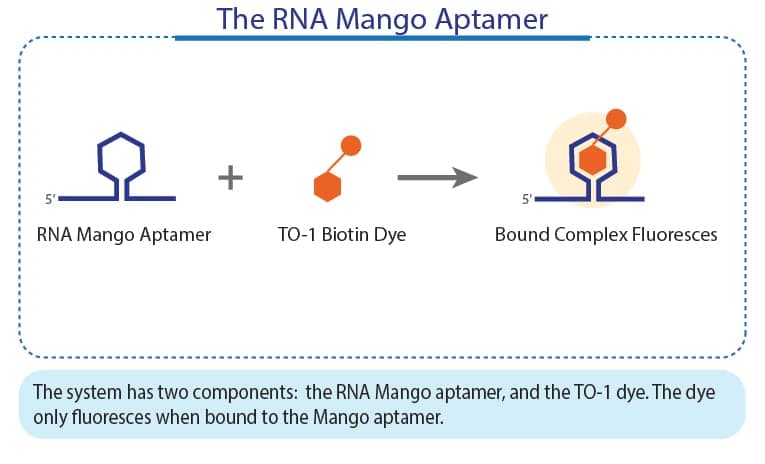
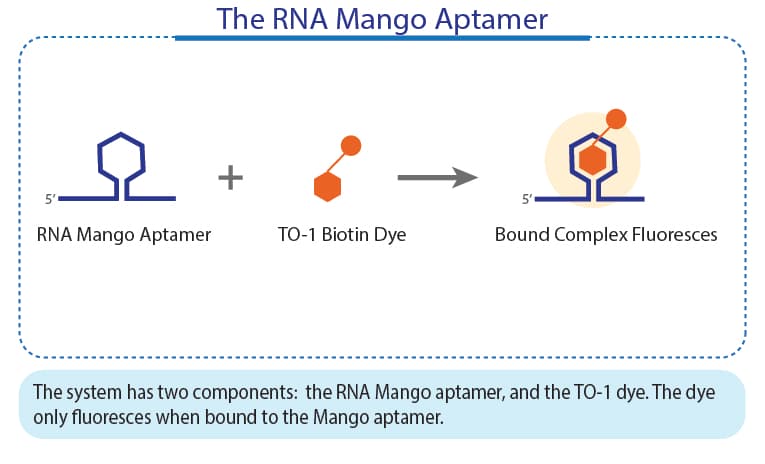
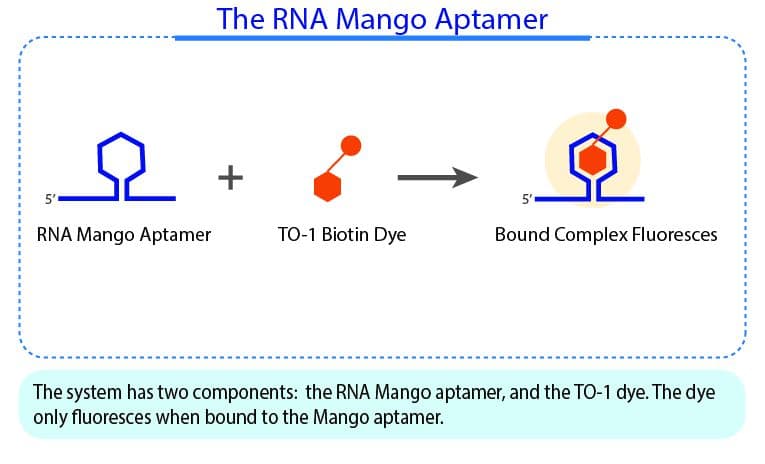
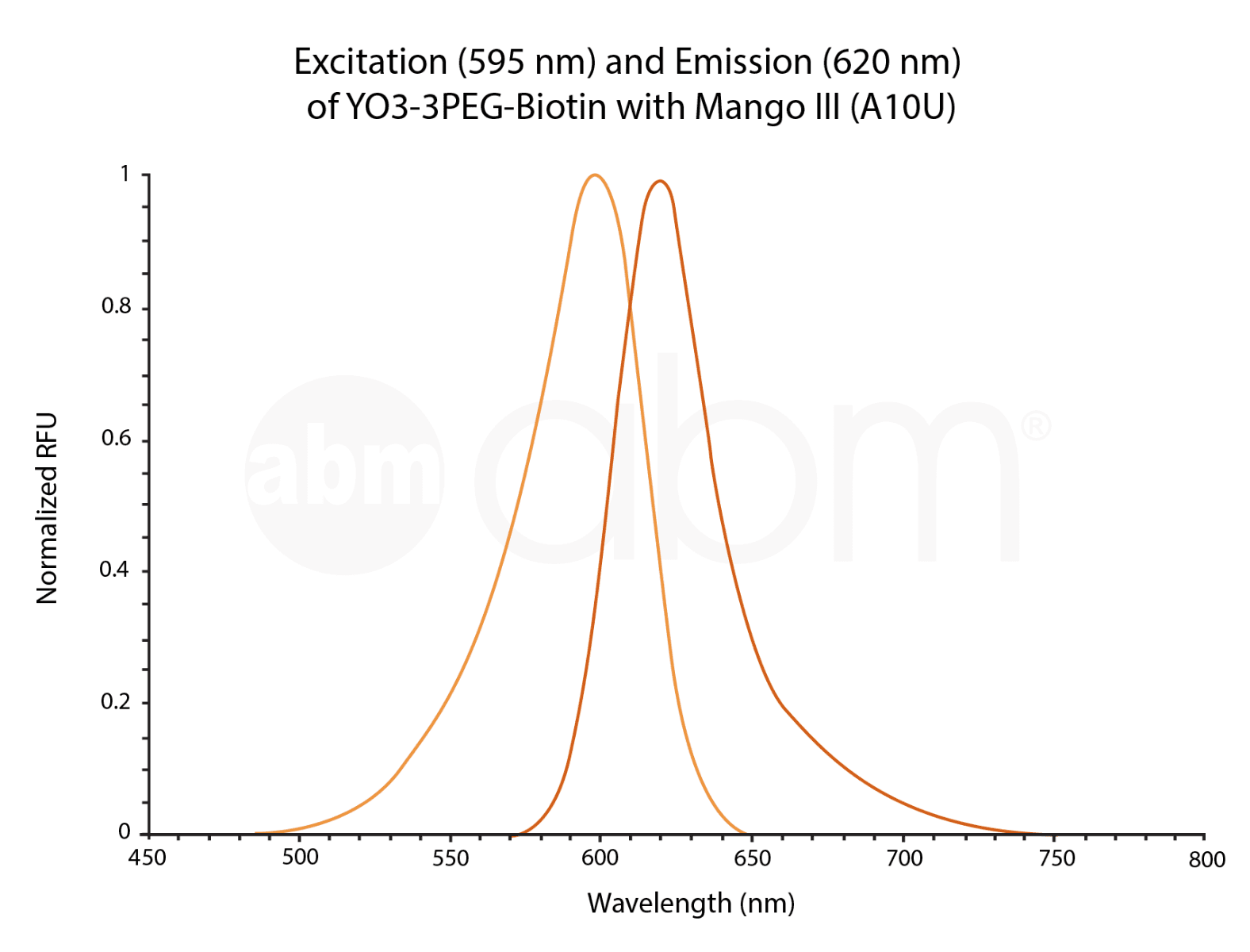
RNA Tracking Dyes: Advanced fluorophores, such as the TO1, TO3, and YO3-3PEG series, offered with biotin or desthiobiotin modifications for accurate labeling and affinity-based isolation of RNA molecules.
How to approach RNA analysis reagent selection
Establish an RNase-free workflow before extraction begins
Wearing gloves, using sterile technique, and reserving dedicated equipment and reagents for RNA-only work reduces the risk of RNase contamination, since even trace RNase activity can degrade RNA during extraction and produce variable downstream results.
Choose an RNase inhibitor matched to your downstream application
A recombinant or native protein-based RNase inhibitor protects RNA non-covalently during reverse transcription, in vitro transcription, or RNA isolation, while a thermostable inhibitor formulation is preferred for applications using a thermostable reverse transcriptase at higher reaction temperatures.
Stabilize RNA at the point of collection if there will be a delay before extraction
RNA stabilization reagents permeate fresh tissue or cells immediately, inactivating RNases and locking in the expression pattern present at the moment of collection, which matters when samples can't be extracted immediately and would otherwise be vulnerable to degradation or expression changes during storage.
Confirm your reverse transcription kit includes the key functional components
A well-designed RT kit combines random hexamer and oligo(dT) primers for complete transcriptome coverage, RNase H to digest the RNA template during cDNA synthesis, an RNase inhibitor, and a robust reverse transcriptase enzyme capable of handling a wide range of transcript abundances.
Treat RNA samples for genomic DNA contamination before qPCR if needed
Prepared RNA samples may carry trace genomic DNA that can be amplified alongside your intended target, leading to an overestimated transcript copy number, so a DNase treatment step before reverse transcription is often included when this contamination risk matters for your specific assay.
Specifications context
RNA stabilization reagents can permeate tissue quickly enough to provide immediate RNase inactivation, allowing samples to be archived without risk of degradation even after multiple freeze-thaw cycles in some published comparisons, which is particularly relevant for time-sensitive collection scenarios like field or clinical sample gathering. As of 2026, recombinant RNase inhibitors remain the standard choice over native, tissue-derived inhibitors for most labs, given their consistent activity and broad-spectrum protection against common RNases like RNase A, B, and C.
Improve your RNA visualization—reach out to the MBP team now for a quote on our expert tracking dye options.
FAQ