High-Fidelity PCR Master Mix: 2x Ready-to-Use Formats
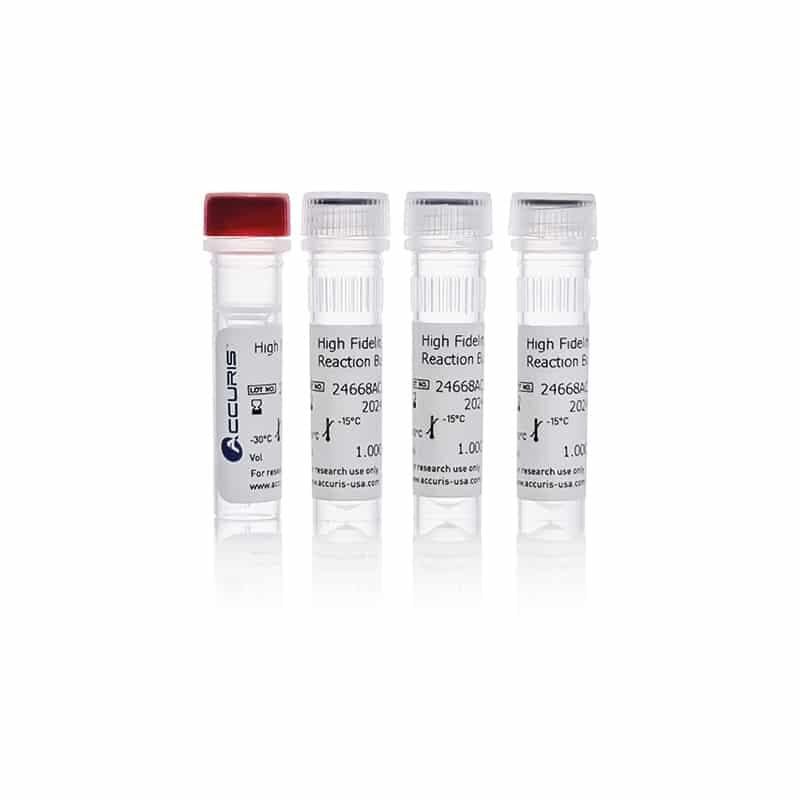
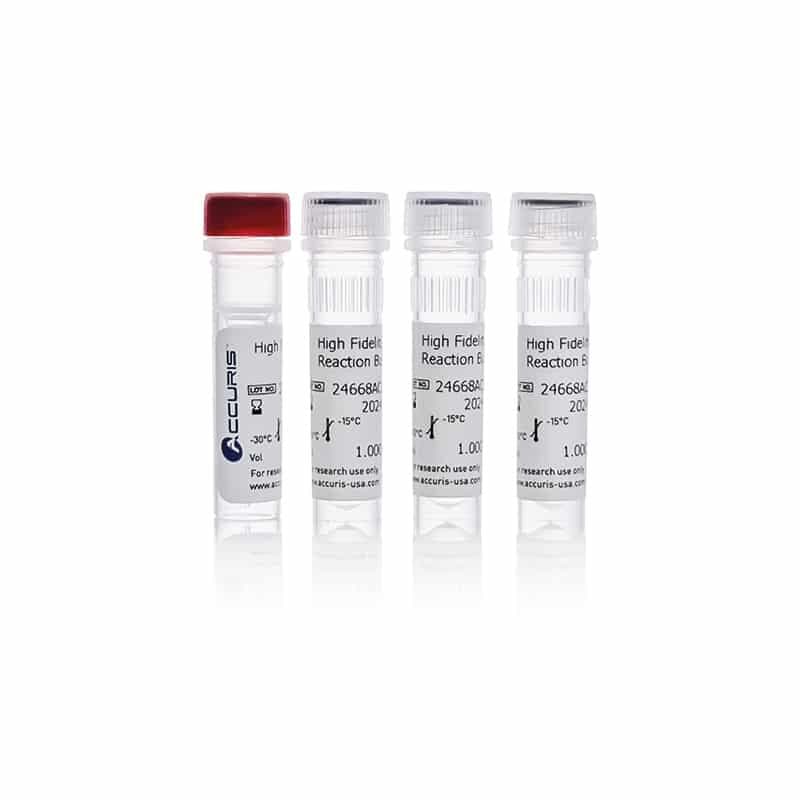
High-fidelity PCR master mixes are 2x pre-formulated solutions combining a high-fidelity DNA polymerase, dNTPs, MgCl₂, and optimized buffer systems, requiring only template and primers for reaction setup. Available in standard and formulations suited for GC-rich templates, these master mixes support cloning, mutagenesis, and sequencing workflows where low-error DNA amplification is required.
Academic researchers building constructs for downstream validation benefit from MBP’s specialist support in selecting the appropriate high-fidelity format based on template characteristics and cloning strategy. Request a quote today by contacting customerservice@mbpinc.net
High-Fidelity Master Mix

Showing 1 to 7 of 7 results
What Is a High-Fidelity PCR Master Mix?
A high-fidelity PCR master mix is a 2x concentrated, pre-formulated solution containing a proofreading DNA polymerase (Phusion, Q5, KOD, or Pfu-equivalent), dNTPs, MgCl2, and reaction buffer — requiring only the addition of template and primers to set up a reaction. The proofreading polymerase's 3' to 5' exonuclease activity corrects misincorporated nucleotides during synthesis, reducing the error rate roughly 50-100-fold compared to standard Taq master mixes. Choose a high-fidelity master mix whenever the amplicon will be cloned, mutagenised, or sequenced — not for routine genotyping, where standard Taq is sufficient and lower cost.
What you will find:
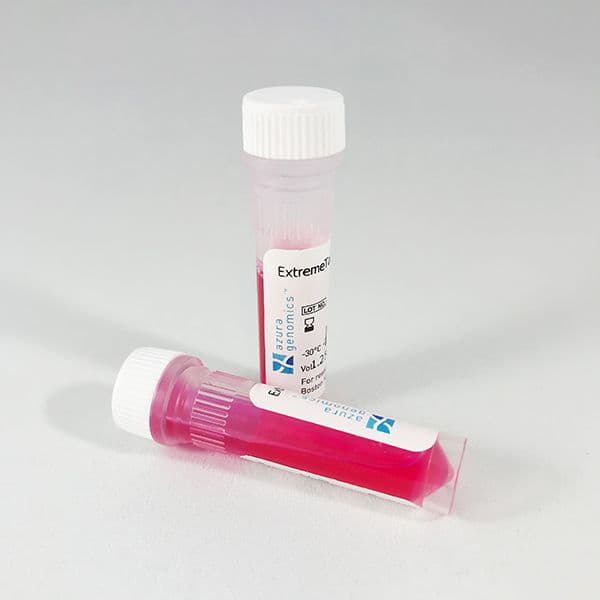
- Streamlined post-amplification analysis with high-fidelity 2X red mix formulations with direct gel-loading capability
- Pre-optimized high-fidelity 2X PCR master mixes containing proofreading DNA polymerase
- Reduced non-specific amplification and primer-dimer formation compared to standard Taq-based systems
- High-fidelity amplification suitable for cloning workflows requiring sequence accuracy
- 2X master mix formats designed for reproducible amplification across a range of template types
How to Choose a High-Fidelity Master Mix
Downstream Application
Cloning into expression vectors, site-directed mutagenesis, and sequencing-bound amplicons all benefit from the reduced error rate of a high-fidelity master mix. Routine genotyping or colony screening does not require this level of accuracy and is typically served by standard Taq master mixes at a lower cost.
Template Difficulty (GC Content, Length)
Some high-fidelity master mix formulations are specifically optimised for GC-rich templates or long amplicons (>5 kb), where standard high-fidelity formulations may show reduced yield. Check product-specific template compatibility notes before ordering for difficult targets.
Extension Time and Cycling Protocol
High-fidelity polymerases often have different optimal extension times per kilobase compared to standard Taq — some extend faster, shortening overall cycling time for long amplicons. Follow the manufacturer's recommended cycling parameters rather than reusing a standard Taq protocol.
Cloning Method Compatibility
Some high-fidelity master mixes produce blunt-ended products suited to Gibson Assembly or blunt cloning strategies; others may need additional A-tailing for TA cloning. Confirm compatibility with your intended downstream cloning method before selecting a product.
Format Convenience vs. Component Flexibility
The 2x master mix format minimises pipetting steps and improves reproducibility for routine high-fidelity workflows. Researchers needing to titrate individual components (e.g., additional MgCl2 for a specific template) may prefer the individual high-fidelity enzyme plus separate buffer instead.
Specifications Context
A 2x high-fidelity master mix is set up identically to a standard 2x Taq master mix — combined with template and primers at the manufacturer-specified ratio to reach 1x working concentration — but the included proofreading polymerase detects and removes misincorporated bases immediately after insertion, reducing the per-cycle error rate to approximately 10⁻⁶ per nucleotide. This level of accuracy matters specifically because any error introduced during amplification is propagated into the final cloned construct or sequencing read. High-fidelity master mixes are typically stored at −20 °C; lot-specific CoAs documenting activity and quality control are available on request.
Contact the expert team at MBP today and get pre-optimized High-Fidelity Master Mix solutions for your lab.
FAQ