Plasmid Miniprep Kits for Cloning and Sequencing
Plasmid miniprep kits use silica-membrane spin columns with SDS/alkaline lysis to purify plasmid DNA from 1-10 ml of overnight E. coli culture in 10-15 minutes, with standard kits yielding up to about 20-25 ug per column and high-yield formulations reaching up to 100 ug at concentrations up to 3 ug/ul. Color-coded lysis buffers in many kits help verify complete lysis and neutralization by sight, and some kits support plasmids and constructs up to roughly 200 kb.
Molecular biology labs running routine cloning screens, sequencing preps, or restriction digest checks can choose between standard and high-yield/endotoxin-free formats, and MBP's specialist team can help match miniprep chemistry to your throughput and downstream application. Request a quote today by contacting customerservice@mbpinc.net
Miniprep Kits
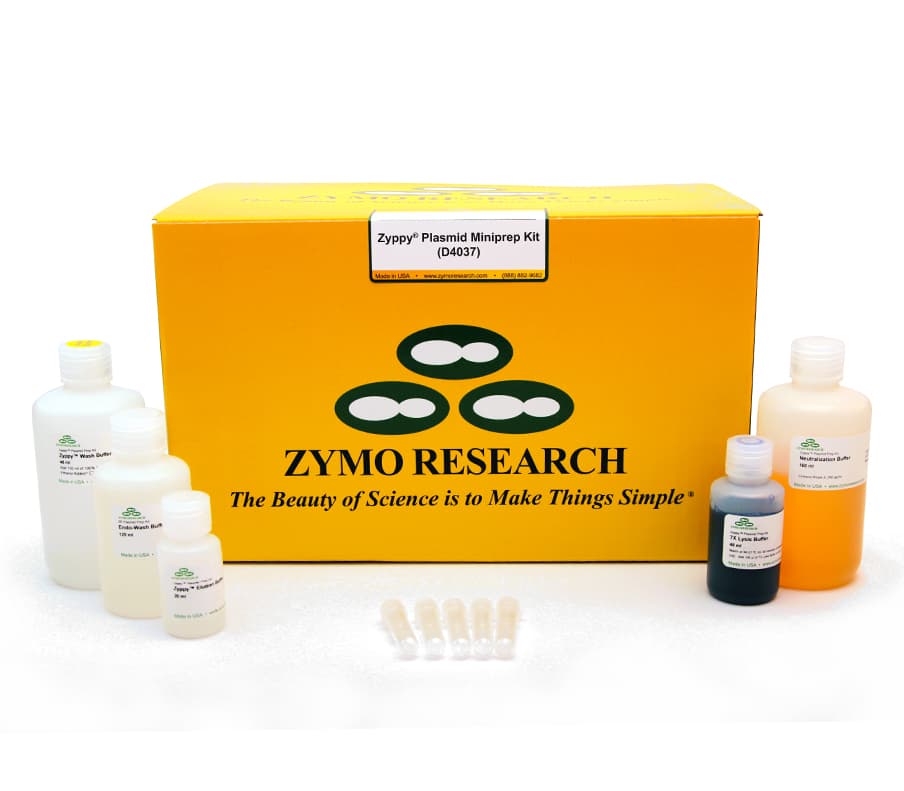
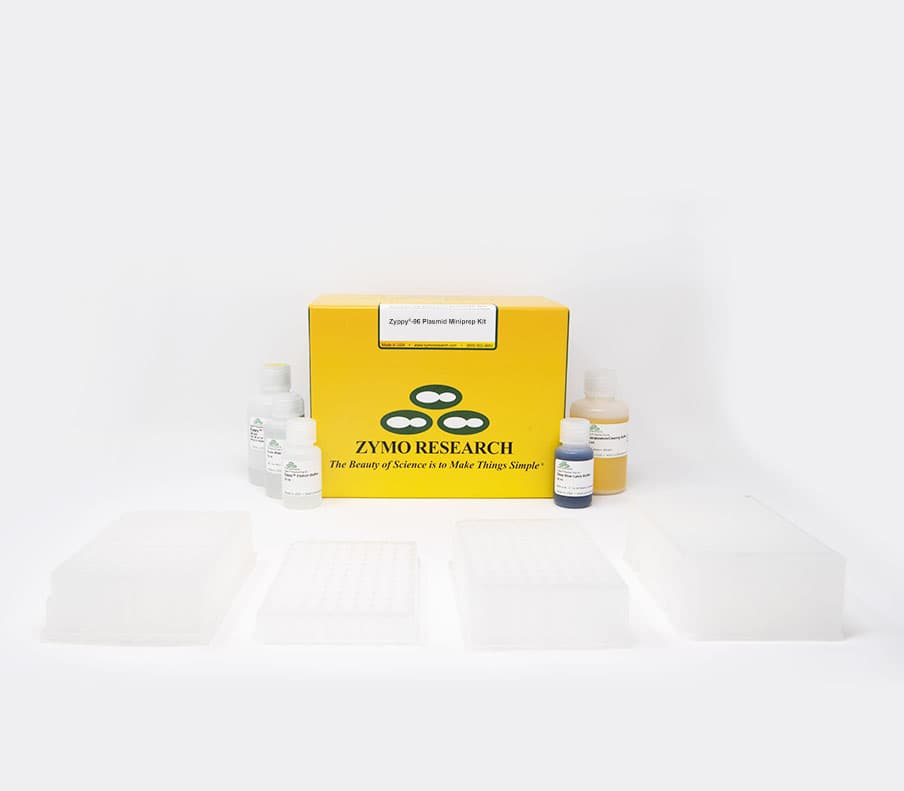
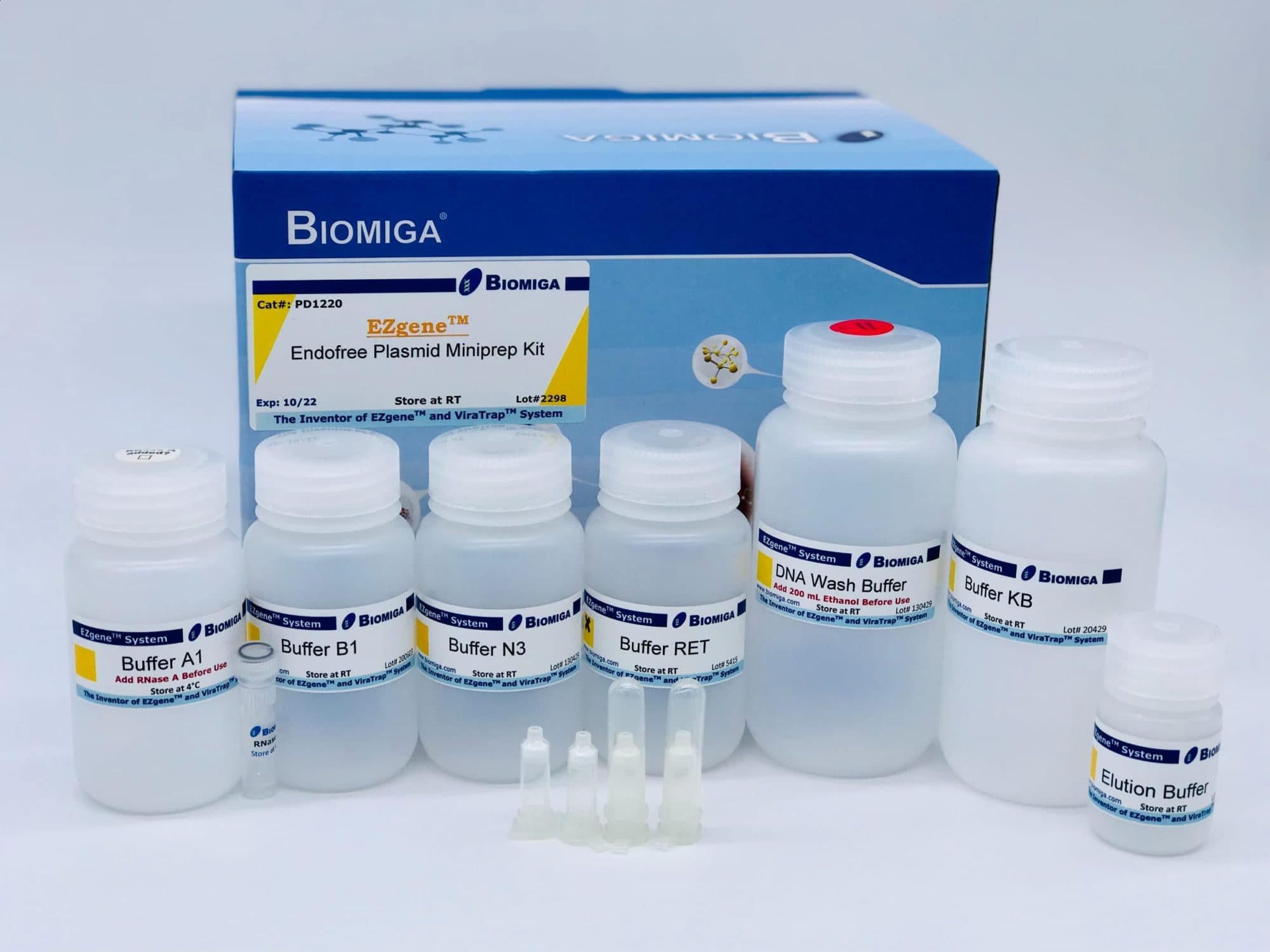
Showing 25 to 28 of 28 results
What are plasmid miniprep kits?
A plasmid miniprep kit uses SDS/alkaline lysis to break open pelleted E. coli cells from a small culture volume (1-10 ml), followed by binding to a silica-membrane spin column, washing, and elution, separating plasmid DNA from genomic DNA, RNA, and protein in roughly 10-15 minutes per prep. Related entities include Buffer P1/P2/P3-style alkaline lysis reagents, color-coded lysis dyes for visual confirmation of complete lysis and neutralization, RNase A for RNA removal, and downstream applications including transformation, restriction digestion, PCR, and sequencing. Choose a miniprep kit for routine, low-volume plasmid prep (cloning screens, sequencing checks, restriction digests) where yields up to roughly 20-100 ug per column are sufficient.
What you will find:
- Pellet-free and classic plasmid miniprep kits for high-yield bacterial isolation using rapid spin-column workflows
- High-throughput 96-well plasmid plates optimized for vacuum manifold processing and parallel automated screening
- Specialized yeast plasmid miniprep systems for fragile fungal hosts using cell-wall digesting chemistries
- BAC/PAC and large construct isolation units for safer purification of high-molecular-weight vectors
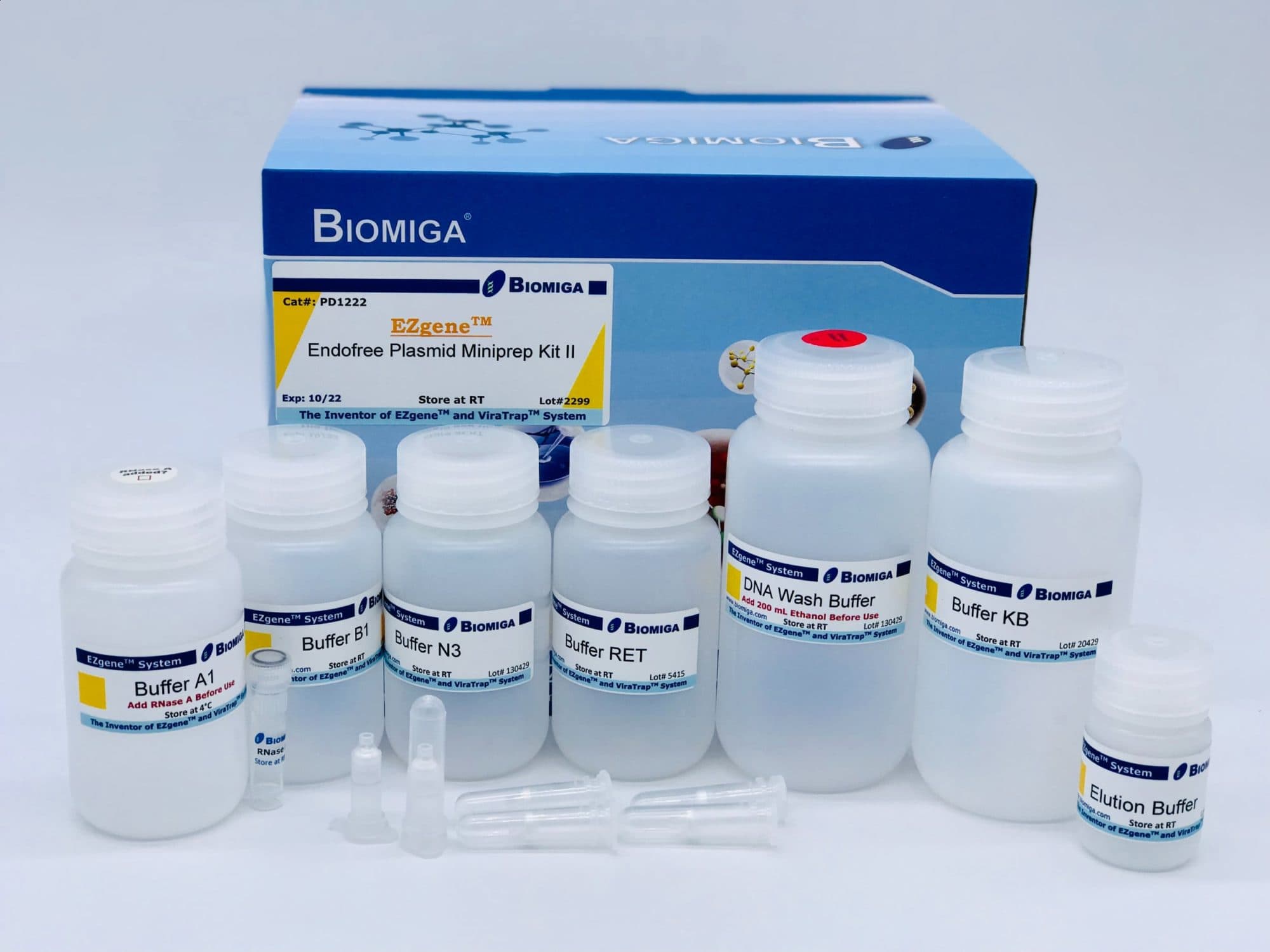
- Endotoxin-free plasmid extraction reagents for sensitive mammalian cell lines, ensuring transfection-grade DNA purity
How to choose a plasmid miniprep kit
Standard vs. high-yield chemistry
Standard silica spin-column minipreps typically recover up to about 20 ug per column, while high-yield formulations using modified alkaline lysis and novel binding chemistry can reach up to 100 ug at concentrations up to 3 ug/ul from the same small culture volume. If your downstream application (e.g., sequencing multiple samples from one prep, or transfection requiring more DNA per prep) benefits from a higher concentration, a high-yield kit reduces the need to scale up to midiprep.
Plasmid copy number and culture volume planning
High-copy plasmids (pUC-based vectors) can saturate a miniprep column from as little as 3 ml of culture, yielding around 20 ug, while low-copy plasmids (pBR322, pET, cosmids) may yield under 2 ug from the same volume and benefit from doubling culture volume to 5-10 ml. Identify your vector's origin of replication before choosing a standard culture volume, since low-copy vectors at standard volumes can produce yields too low for some downstream steps.
Color-coded lysis buffers for visual QC
Some miniprep kits include color-coded lysis and neutralization buffers that allow visual confirmation of complete cell lysis (color change) and proper neutralization before loading the column, helping catch incomplete-lysis failures before they waste a column. This visual QC step is particularly useful for new users or when troubleshooting inconsistent yields across a batch of preps.
Endotoxin-free and large-construct options
For transfection-sensitive downstream applications, endotoxin-free miniprep kits add a dedicated wash step without significantly extending the protocol time; for large plasmids, cosmids, or BAC/YAC/PAC constructs, some miniprep kits are validated up to approximately 200 kb, while standard kits are optimized for constructs up to roughly 25 kb. Confirm both endotoxin status and size compatibility match your specific construct and downstream use before relying on a standard miniprep.
Specifications context
The key specs for plasmid miniprep selection are expected yield relative to your plasmid's copy number and culture volume, whether color-coded buffers aid visual QC, and whether endotoxin-free or large-construct compatibility is needed for your downstream application. A standard miniprep yielding up to roughly 20-25 ug in 10-15 minutes from 1-10 ml of culture covers most routine cloning workflows, while high-yield kits up to 100 ug reduce the need to scale up for moderately DNA-hungry applications. Labs running both daily cloning screens and occasional larger-scale prep work typically keep miniprep kits on hand alongside midiprep kits for when miniprep yields aren't sufficient. The parent plasmid DNA extraction kits category and maxiprep kits cover larger-scale options, while the broader nucleic acid extraction kits hub and genomic DNA extraction kits category link to chromosomal DNA workflows.
MBP's specialist team can help match kit chemistry, format, and throughput to your sample type and downstream application. Contact the MBP team for personalized guidance.
FAQ