Plasmid Maxiprep Kits for Large-Scale Transfection
Plasmid maxiprep kits scale alkaline lysis and silica column, anion-exchange, or automated processing to 100-500 ml of overnight E. coli culture, recovering up to 400 ug per spin-column prep or 1-1.4 mg with high-yield/anion-exchange chemistry, in as little as 35-75 minutes depending on format. Lysate clearing for maxi-scale preps typically uses high-speed centrifugation plus a clearing column, or filtration through folded filters for gravity-flow systems, and automated processors can deliver endotoxin-free DNA without manual centrifugation steps.
Labs running large-scale transfection, in vitro transcription, or multiple parallel experiments can choose the maxiprep format for the largest routine plasmid yields, and MBP's specialist team can help match chemistry and automation options to your throughput. Request a quote today by contacting customerservice@mbpinc.net
Maxiprep Kits




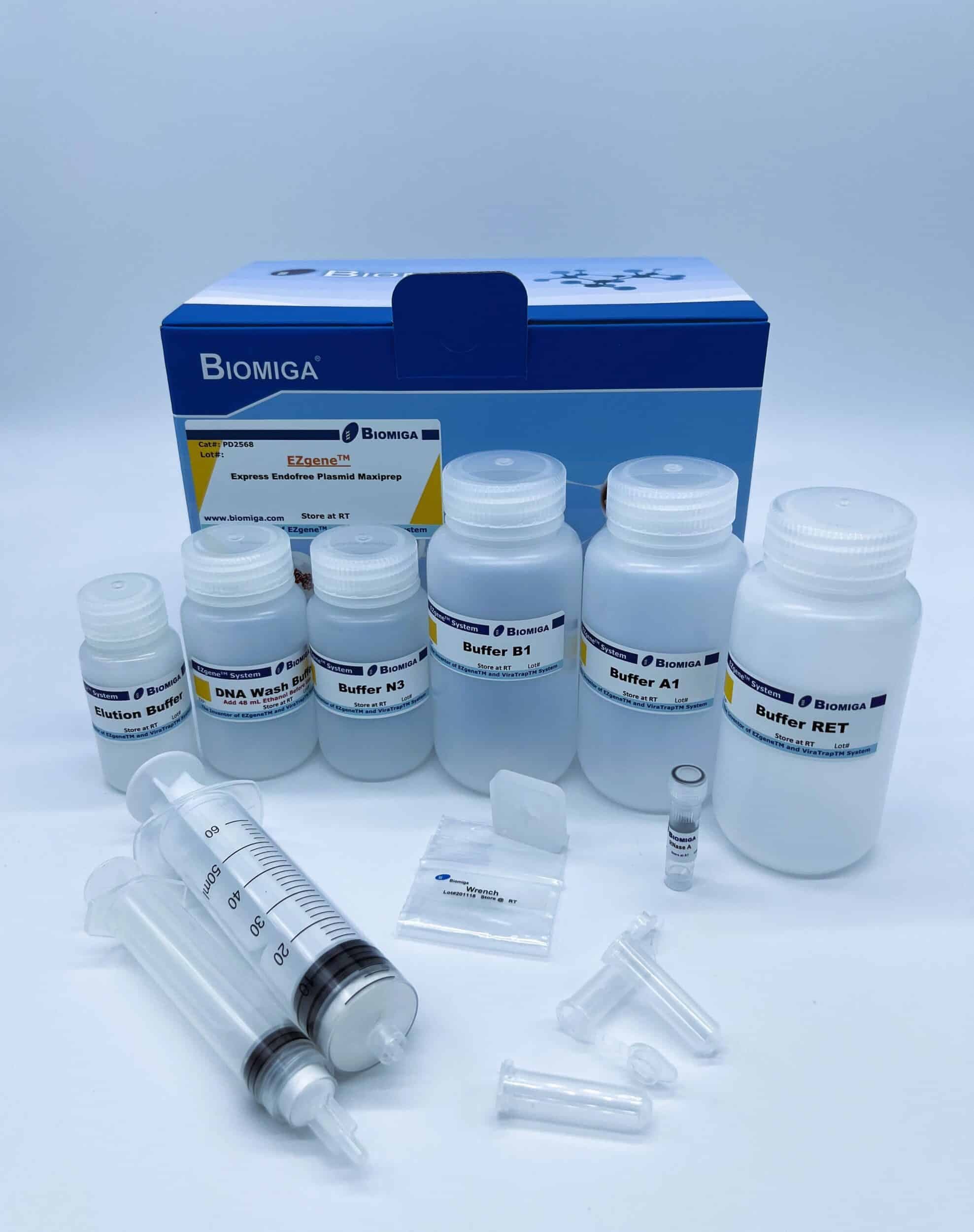
Showing 1 to 8 of 8 results
What are plasmid maxiprep kits?
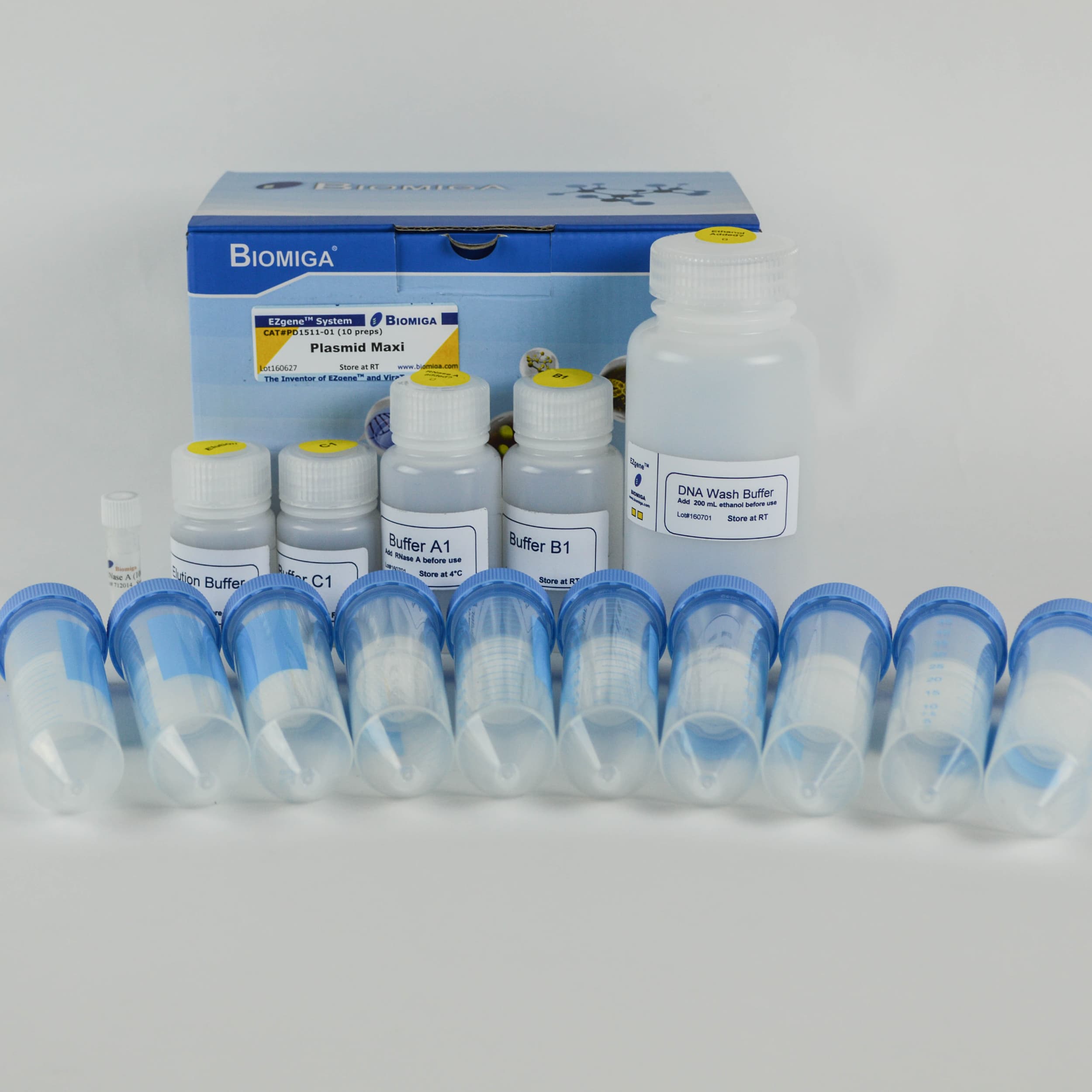
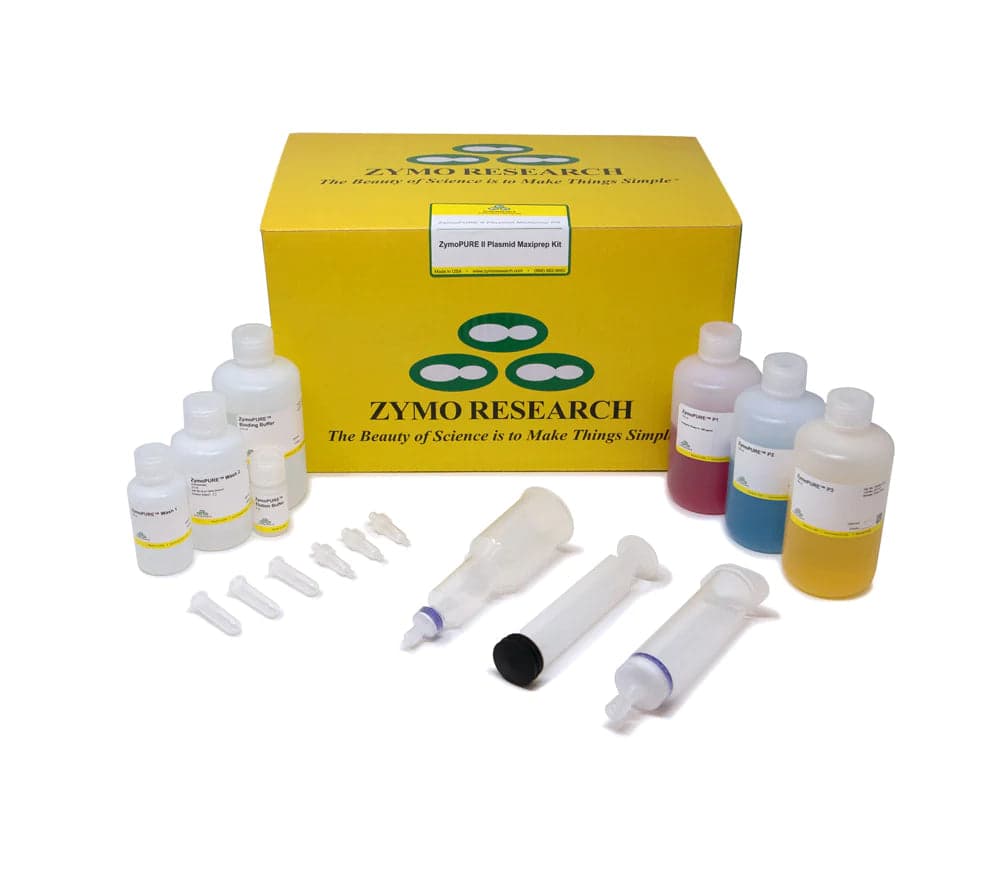
A plasmid maxiprep kit scales SDS/alkaline lysis with silica-membrane spin columns, anion-exchange resin with gravity flow, or fully automated cartridge-based processing to 100-500 ml of overnight E. coli culture, recovering up to 400 ug per spin-column prep or 1-1.4 mg with high-yield anion-exchange chemistry, completable in 35-75 minutes depending on format. Related entities include EndoFree-type endotoxin removal for transfection, automated processors that eliminate manual centrifugation, and downstream applications including large-scale transfection, in vitro transcription/translation, and multiple parallel experiments. Choose Maxiprep when your application needs the largest routine plasmid yields (hundreds of micrograms to over 1 mg) from a single overnight culture.
What you will find:
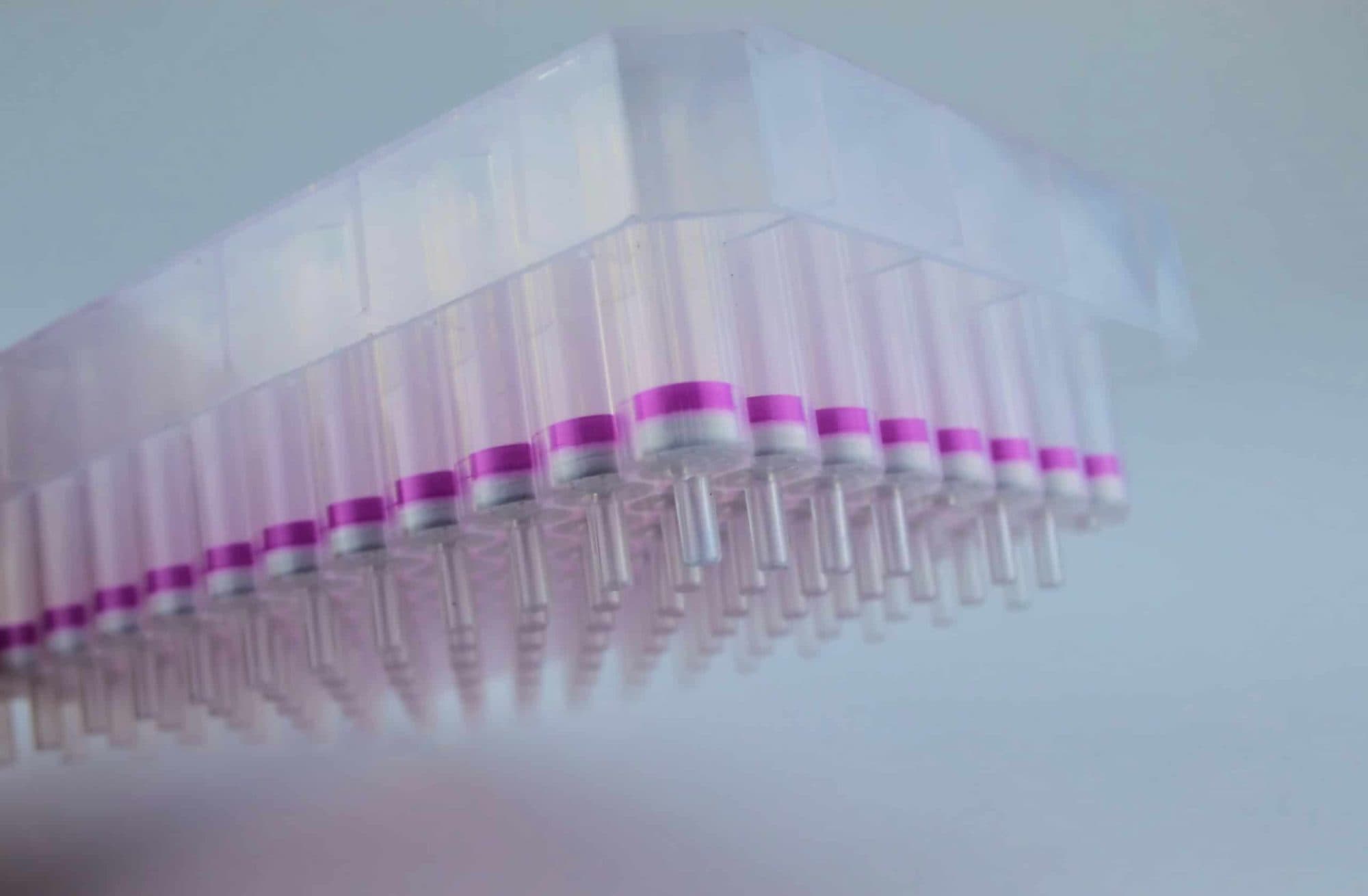
- Ultrafast 25-minute maxiprep kits drastically reduce processing times using specialized column technology
- Syringe-filter plasmid maxi units rapidly clear dense bacterial lysates using vacuum-free clarification systems
- Endotoxin-free plasmid maxiprep systems for delivering transfection-grade DNA in sensitive mammalian cell lines
- High-performance silica-column vectors optimized for maximum concentration and recovery of low and high-copy plasmids
- Gravity-flow anion-exchange assemblies without manual centrifugation steps, ensuring chromatography-level purity
How to choose a plasmid maxiprep kit
When maxiprep is the right scale
A maxiprep should be used when purifying plasmid from an overnight bacterial culture with a volume between 100-500 ml, when downstream needs exceed midiprep's 0.5-2 mg range - for example, large-scale transfection across many plates, in vitro transcription/translation requiring substantial template DNA, or banking DNA for multiple future experiments from one culture. If midiprep yields already meet your needs, the larger culture volume and processing time of maxiprep may not be justified.
Spin-column vs. anion-exchange vs. automated chemistry
Spin-column maxipreps (e.g., 60-minute procedures) recover up to roughly 400 ug per prep, while anion-exchange or high-yield chemistries can reach 1-1.4 mg from comparable culture volumes; automated cartridge-based processors can deliver endotoxin-free DNA in under 75 minutes without manual centrifugation, pouring in culture, and pressing start. Match chemistry to both your yield target and available equipment - automated processors reduce hands-on time but represent a larger equipment investment.
Endotoxin levels at maxi scale
Endotoxin concentrations tend to be higher in larger-scale preparations - standard maxipreps have been reported at 11-16 EU/ug, while EndoFree-type kits target below 0.1 EU/ug through additional washing, and "substantially endotoxin-free" is sometimes defined as under 100 EU/ug for less stringent applications. For transfection of highly sensitive cells, vaccination research, or gene therapy applications, confirm the maxiprep kit's specific endotoxin target rather than assuming "maxiprep" implies low endotoxin by default.
Lysate clearing and centrifuge requirements
Maxi-scale lysate clearing typically requires high-speed centrifugation of the full culture volume (100-500 ml) followed by a clearing column or filtration step; gravity-flow anion-exchange systems use folded filters to avoid this centrifugation, while automated processors handle clearing internally. Confirm your centrifuge has rotors compatible with 100-500 ml culture volumes before committing to a centrifugation-based maxiprep format.
Specifications context
The key specs for maxiprep selection are expected yield (400 ug for spin-column vs. 1-1.4 mg for high-yield/anion-exchange chemistry), endotoxin target relative to your transfection application's sensitivity, and lysate-clearing method relative to your centrifuge's capacity for 100-500 ml culture volumes. A maxiprep should specifically be used for culture volumes in the 100-500 ml range; smaller volumes are better served by midiprep kits or miniprep kits. Labs running large-scale transfection or in vitro transcription/translation programs typically standardize on either high-yield anion-exchange maxipreps or automated processors to balance yield, endotoxin level, and hands-on time. The parent plasmid DNA extraction kits category covers the full mini-to-maxi range, while the broader nucleic acid extraction kits hub and genomic DNA extraction kits category link to chromosomal DNA workflows. Use MBP's Quick Order tool for case-quantity pricing on maxiprep kits or contact the specialist team for guidance on endotoxin levels and automation options for your transfection program.
Scale-up workflow efficiency with MBP’s dependable macro-extraction plasmid technologies. Contact the expert team today to find the perfect match for your lab.
FAQ